|

Gen info
- Basella alba is an edible perennial vine in the family Basellaceae.
- Etymology: The genus name Basella is derived from the south Indian name Basale, which Hendrik Rheede recorded in Malabar as Basella in his Hortus Malabaricus. The name was utilized by Linnaeus. (38) The specific epithet alba means white.
Botany
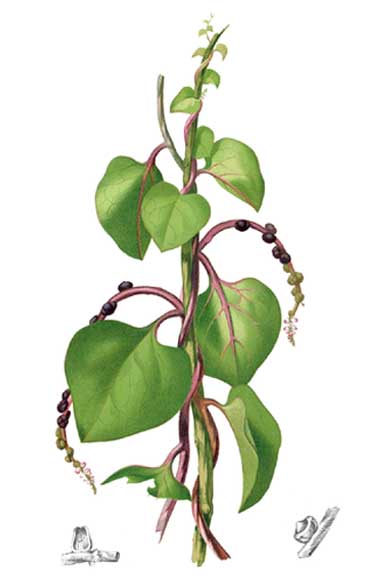
Alugbati is a succulent, branched,
smooth, twining herbaceous vine, several meters in length. Stems are
purplish or green. Leaves are somewhat fleshy, ovate or heart-shaped, 5 to 12
centimeters long, stalked, tapering to a pointed tip with a cordate base. Spikes
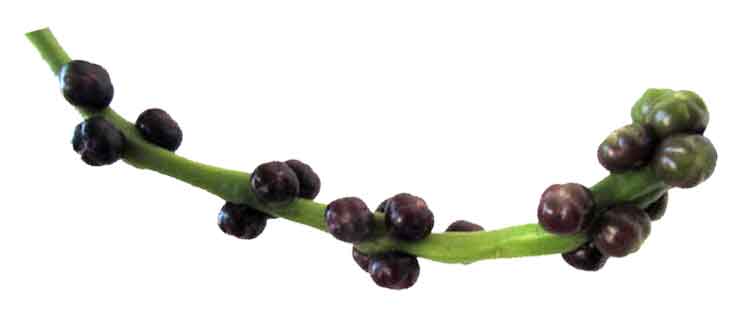
are axillary, solitary, 5 to 29 centimeters long. Flowers are pink, about 4 millimeters long. Fruit is fleshy, stalkless, ovoid
or nearly spherical, 5 to 6 millimeters long, and purple when mature.
Distribution
- Native to the Philippines.
- Also native to Bangladesh, Borneo, Cambodia, India, Jawa, Laos, Lesser Sunda Is., Malaya, Maluku, Myanmar, New Guinea, Sri Lanka, Sulawesi, Sumatera, Thailand, Vietnam.
-
Found in settled areas, in hedges, old cultivated areas, etc., throughout the Philippines.
- Often cultivated.
Constituents
• Phytochemical screening of various extracts yielded cardiac glycosides, saponins, tannins, flavonoids, terpenoids, carbohydrates, and reducing sugars.
• Study isolated Basellasaponins A, B, C, and D, oleanane-type triterpenes
oligoglycosides, together with betavulgaroside 1, spinacoside C, and momordins IIb and IIc, from fresh aerial parts.
• Leaves yield saponin, vitamin A and B.
• Fruit yields mucilage and iron.
• Study of wild Basella rubra showed it to be abundant in carotene, middle in vitamin C, and low in nitrate. Nitrate in planted B. rubra is about twice that of the wild variety.
• Proximate nutritional analysis of dried leaves yielded 15.49% ash (minerals), 1.58% crude fat, 7.23% crude fiber, 17.55% crude protein, and 50.62% total carbohydrates. (46)
• Qualitative screening of leaves yielded saponins, diterpenes, phenols, tannins, and flavonoids in both ethanolic and aqueous extracts, and cardiac glycosides in the ethanolic extract. Total phenolic contents were 93.89 and 85.13 mg GAE/g extract for ethanol and aqueous extracts, and 100.18 and 90.80 mg QE/g extract for ethanol and aqueous extracts, respectively.
(46)
• Study of Basella alba for seed oil content yielded 25.46 ± 0.67%. Physicochemical properties of extracted oil yielded specific gravity (0.91 ± 0.01), refractive index (1.47 ± 0.00), lovibond colour (10.3 ± 0.00), viscosity at 20 °C (35.65 ± 0.15 mPas), cloud point (-1.7 ± 0.00 °C) acid value (3.74 ± 1.62 mg KOH/g), peroxide value (7.67 ± 0.58 meq O2/kg), iodine value (107.16 ± 2.44 g I2/100g), saponification value (195.42 ± 1.62 mg KOH/g). Biochemical and nutritive analysis revealed impurities (0.014 ± 0.00%), unsaponifiable matter (1.10 ± 0.02%), phosphorus (0.12 ± 0.01 mg/g), vitamin A (0.48 ± 0.01 mg/g) and vitamin E (0.20 ± 0.01 mg/g). (see study below) (60)
 Properties Properties
• Aperient, demulcent, diuretic, emollient,
laxative, rubefacient.
• Mucilaginous when cooked.
• Studies exhibited androgenic, antidiabetic, anti-inflammatory, antimicrobial, antioxidant, antiulcer, antiviral, CNS depressant, hepatoprotective, and wound healing, excipient, antihyperglycemic, colorant properties.
Uses
Edibility / Nutrition
- Common market product,
a popular leafy and stew vegetable, and a good substitute for spinach.
- The green and purple cultivated varieties are preferable to the wild
ones.
- Both the young shoots and stems are eaten.
- In the Philippines, leaves are one of the main ingredients in the all vegetable dish utan, cooked with sardines, onions, garlic and parsley. In Sri Lanka, leaves used to make curries, especially dal. It is also an ingredient in Bengali and Vietnamese cuisine and various Indian and Chinese dishes.
- Excellent source of calcium and iron; good source of vitamins A, B,
and C, with a high roughage value.
Folkloric
- Roots are employed as
rubefacient.
- Poultice of leaves used to reduce local swelling.
- Sap is applied to acne eruptions to reduce inflammation.
- Decoction of leaves used for its mild laxative effects.
- Pulped leaves applied to boils and ulcers to hasten suppuration.
- Sugared juice of leaves useful for catarrhal afflictions in children.
- Leaf-juice, mixed with butter, is soothing and cooling when applied
to burns and scalds.
- In India, used in hemorrhagic diseases and as tonic. Also used for burns and pruritic skin lesions. In Orissa, India, paste of root in rice water taken in the morning on an empty stomach for a month to cure irregular periods.
- In Nigeria, leaves used for hypertension. In Cameroonian folk medicine, used for malaria.
- Mucilaginous liquid obtained from the leaves and tender stalks used for habitual headaches.
- In Ayurveda, used for
hemorrhages, skin diseases, sexual weakness, ulcers and as laxative
in children. Leaves applied on the head for half a hour before bathing to help bring about a good refreshing sleep. Sap is applied to acne eruptions to reduce inflammation. Decoction of leaves used for a mild laxative effect. Pulped leaves applied to boils and ulcers to hasten suppuration. Leaf juice mixed with butter applied to burns and scalds for a soothing and cooling effect. Leaves and stems have been used as anticancer for melanoma, leukemia, and oral cancer.
- Roots and leaves used for the removal of after birth, stomach pains, and increase milk production.
- Used orally for anal prolapse and hernia.
- In Nigeria, used for hypertension. (37) Also used for fertility
enhancement in women.
- In Nepal, leaf juice is used to treat dysentery, catarrh, and applied externally to boils.
- In Thai traditional medicine, the mucilage is used as application for bruises, ringworm, and laboring. Stem and leaves used as mild laxative, diuretic and antipyretic. Plant used in preparation of postpartum baths.
- In Cameroon used for malaria. (37) Herbal healers use plant extracts to enhance libido and as remedy for infertility.
- In Antilles leaves considered good maturative as cataplasm.
- In Thai traditional medicine, mucilage is used as topical medicine for skin irritation, bruises, ringworm, and laboring. (37)
Others
Cosmetic: Fruit used by women as rouge for cheeks and lips; also as a dye.
Dye: With the anthocyanin content, it makes for a natural food colorant.
Fruit provides a dark violet color as food colorant. A red dye is obtained from the juice of fruits of the Rubra cultivar.
Veterinary: Ground leaves rubbed on the human hand to introduce the preparation into the animal vagina every morning for the treatment of sterility.
Leaves fed to livestock to increase milk production.
Pharmaceuticals: Plant mucilage has been proposed for applications in medicine and cosmetics. The mucilage has also been proposed as thickener, water-retention agent, gelling agent, suspending agent and film former.
Studies
• Anthocyanins
/ Natural Food Colorant : Study
of pigment extracted from fruits of spinach vine (B. rubra) showed good
stability with a potential as a natural food color. (1)
• Antifungal: Study yielded two
antifungal peptides with potent activity against Botrytis cinerea, Mycosphaerella
arachidicola and Fusarium oxysporum. (4)
• Antimicrobial / Leaves: A study of the aqueous, ethanolic and petroleum ether extracts of the leaves of Basella rubra exhibited antimicrobial activity against all test organisms except P aeruginosa. The ethanolic extract showed maximum effect against E coli. Further studies are needed to isolate the active compound responsible for the antimicrobial effect. (6)
• Hypoglycemic / Leaf Pulp: A study of STZ-induced diabetic rats fed with Basella rubra showed the leaf pulp of B. rubra possesses a strong hypoglycemic effect. (7)
• Volatile Flavor Components: Study identified volatile flavor components. The major components from the volatile oil were: 1-methoxypropane, (Z)-3-hexen-l-ol, 3-methoxyphenyl acetate, acetophenone, 4-vinylguaiacol, isophytol, and phytol. (8)
• Dyestuff / Microbiological Stain: Study showed the anthocyanin extracted from Basella rubra berries produced a stain comparable with synthetic stains like crystal violet and safranin, and can be used as an alternative microbiological stain. (9)
• Antidiabetic / Antioxidant: Study evaluated the action of B. rubra against streptozotocin-induced diabetes in rats. Results showed effective reduction of oxidative stress induced by streptozotocin and potential reduction in blood sugar level. (12)
• Antihyperglycemic / Antioxidant: Study evaluated an aqueous extract of B. rubra for antihyperglycemic activity in STZ-induced diabetic rats. Phytochemical screening showed a rich source of phytonutrients, including enzymic and nonenzymic antioxidants. Results concluded the aqueous extract exhibited significant antihyperglycemic activity. (14)
• Haematologic Effects / Amylase Activity: Study evaluated various extracts for hematologic parameters on Swiss mice and amylase activity on Wistar rats. Results showed an increase in the haematological parameters (RBC, WBC, Hb, and PCV). There was also an increase in amylase content. Results suggest potential use to prevent various complications in diabetes. (15)
• Antiulcer Activity / Antioxidant: Study evaluated the antiulcer activity of an aqueous extract of B. rubra leaves on ethanol and pylorus ligated-induced gastric ulcers in rats. Results showed significant and dose-dependent antiulcer activity and present a potential use in the treatment of gastric ulcers. (16) Study evaluated the anti-ulcer effect of B. alba in aspirin induced ulcerated rats. Treatment with extract brought back the altered parameters (increased ulcer index, decreased gastric pH, increased levels of pepsin, TBARS) to normal. (57)
• Fruit / Betacyanin / Antioxidant: Betacyanin extracted from the B alba fruit exhibited excellent antioxidant activity, beneficial in scavenging free radicals. (18)
• Antimicrobial / Leaves and Stems: Study evaluated various extracts of leaves and stems for antimicrobial activity against Gram-positive and Gram-negative bacteria and fungi. Methanol and aqueous extracts of stems showed maximum activity against S. typhi and P. vulgaris. Ethanol extracts of leaves and stems showed highest inhibition of B. subtilis and S. typhi. Antifungal activity was shown against A. niger, C. albicans and R. stolonifers. (21)
• Cytotoxic / Antibacterial: Study evaluated the cytotoxic and antibacterial activity of Basella alba whole plant extract. A methanolic extract showed significant growth inhibition on human cancer cell lines and moderate activity against Pseudomonas aeruginosa and Bacillus subtilis. (23)
• Gastroprotective / Leaf Extracts: Study of aqueous and ethanol extracts of leaves were investigated for antiulcer activity on rats in pylorus ligated and ethanol induced ulcer models. Results showed significant dose-dependent gastroprotective effect substantiated by histopathological examination of ulcerated stomachs of the animals. (24)
• Increased Testosterone and Estradiol Production: Study evaluated a methanol extract of Basella alba (MEBa) for cell viability, steroid production, and level of aromatase mRNA. Results showed no effect on Leydig cell viability. There was significant stimulation of testosterone and estradiol production and enhanced aromatase mRNA level. (25)
• Antiurolithiatic / Calcium Oxalate / Leaves: Study of leaves extract of Basella alba showed admirable dissolving capacity of calcium oxalate crystals in vitro. (27)
• Mucilage Suspending Properties / Leaves: Study evaluated the suitability of mucilage isolated from leaves of Basella alba leaves as suspending agent. Results showed B. alba leaves possess properties to be used as a suspending agent, and superior than both tragacanth and bentonite. (28)
• Burn Wound Healing / Leaves: Study evaluated an aqueous extract of leaves of B. alba formulated as a gel for burn wound healing activity. Results showed significant improvement in burn wound contraction. (29)
• Nephroprotective / Gentamycin Induced Renal Toxicity: Study evaluated an ethanolic extract of B. alba on gentamycin induced nephrotoxicity in Wistar albino rats. Results showed the extract protected GM-induced nephrotoxicity, possibly by enhancing renal antioxidant agent. (30)
• Antimicrobial / Antioxidant / Leaves: Study evaluated dried and powdered leaves of B. alba for antioxidant and antimicrobial activity. Results showed high activity in removing free radicals by DPPH (72.3 ± 5.98) and ABTS (78 ± 4.04). 100 mg/m extract showed high activity against bacterial strains. (32)
• Hypocholesterolemic / Antiatherosclerotic / Leaves: Study evaluated the hypocholesterolemic and antiatherosclerotic effects of B. alba leaf extracts in hypercholesterolemia induced rabbits. Treatment significantly lowered TC, LDL, and triglycerides and increased HDL and antioxidant enzymes SOD and GPx levels. Treatment also significantly suppressed aortic plaque formation. Results suggest a potential alternative therapy for hypercholesterolemia and atherosclerosis. (33)
• Positive Effect on Vitamin A Stores: Daily consumption of cooked, pureed green leafy vegetables or sweet potatoes has a positive effect on vitamin A stores in populations at risk of vitamin A deficiency. (34)
• Hepatoprotective / Lead Induced Hepatotoxicity / Leaves: Study evaluated an ethanolic extract of B. alba leaves on lead-induced hepatotoxicity in male Wistar rats. Results showed significant reduction of alkaline phosphatase, AST, and ALT while glutathione was significantly increase. (35)
• Anti-Inflammatory / Leaves: Study evaluated the anti-inflammatory activity of B. alba leaf extract in experimentally induced inflammation in rats (carrageenan induced paw edema and cotton pellet granuloma). Results showed significant and effective dose dependent anti-inflammatory activity. (36)
• Anticancer / EAC Cell Line / Leaves and Seeds: Study evaluated the antiproliferative effect of Basella alba along with molecular signaling of apoptosis in Ehrlich ascites carcinoma (EAC) cell line. B. alba seed and leaf extract exhibited significant scavenging activity in comparison to standard BHT. The leaf and seed extracts exhibited about 62.54% and 53.96% cell growth inhibition, respectively, compared to standard Bleomycin at 79.43% growth inhibition. Signs of apoptosis were suggested by nuclear condensation and fragmentation. Apoptosis induction was confirmed by DNA laddering in leaf and seed treated EAC cells, along with upregulation of tumor suppressor gene P53 and downregulation of antiapoptotic gene Bcl-2. Results showed antiproliferative activity and a potent source of anticancer agents. (39)
• Hypocholesterolemic / HMG-CoA Reductase Inhibition / Leaves: HMG-CoA reductase is the key enzyme of mevalonate pathway that produces cholesterol, inhibition of which reduces cholesterol biosynthesis in the liver. Study evaluated 25 medicinal plant methanol extracts for anti-HMG-CoA reductase activity. Basella alba showed the highest inhibitory effect at about 74%. GC-MS study revealed the presence of phenol 2,6-bis(1,1-dimethylethyl), 1-heptatriacotanol, oleic acid, eicosyl ester, naringin, apigenin, luteolin, ascorbic acid, and α-tocopherol, which have been reported to have
antihypercholesterolemic effects. (40)
• Antiadhesive Activity against H. pylori / Polysaccharides: Compounds with antiadhesive properties can interrupt the adhesion of H. pylori to stomach epithelia. Study evaluated Basella alba for antiadhesive activity against H. pylori. Polysaccharides and arabinoglactan-protein (AGP) were isolated. FE inhibited the bacterial adhesion of H. pylori to AGC cells in a dose dependent manner. Best anti-adhesive effect of about 67% was observed with BA1 at 2 mg/mL. Study suggests potential for a supplemental antiadhesive against the recurrence of H. pylori aft3er eradication therapy. (41)
• Diuretic / Sedative / Leaves: Study evaluated the diuretic and sedative effect of ethanolic extract of B. alba leaves in Wistar rats and mice. BAE showed significant (p<0.05) diuretic and sedative activity in two doses of 100 mg/kg and 200 mg/kg p.o. Furosemide and diazepam were used as controls. (42)
• Antiangiogenic / Antiproliferative / Antioxidant / Stem Extracts: Study of aqueous stem extract isolated hydroxy-benzoic acids, hydroxy-cinnamic acids and flavones groups from B. alba and B. rubra species. Higher values of phenolics and antioxidant activity were isolated from B. alba. Cytotoxicity studies done on A431 (epidermoid carcinoma), HepG2 (hepatocellular carcinoma) and MG 63 (osteosarcoma) cells showed antiproliferative activity against all cell lines, with B. alba showing higher antiproliferative activity (37.95-84.86%). Chick embryo chorioallantoic membrane (CAM) assay showed inhibition of neo-vessels formation, with B. alba showing significant suppression at 7 mg/ml. (43)
• Betacyanin Pigments / Natural Food Colorant / Fruit: The fruit is often considered as waste. Study evaluated the feasibility of using the fruit of B. alba as natural colorant and the effects of environmental conditions on the betacyanin molecules. The betacyanin extracts of fruit were highly or moderately resistant to pH, temperature, and light factors, Results suggest betacyanin extract from B. alba fruit has potential with high pigment yield as a source of betacyanin for the food colorant market. (44)
• Wound Healing / Biomaterial Composite Film / Stem: Study reports on the preparation of Poly (vinyl alcohol)/Chitosan/Basella alba stem extract (BAE) based biocomposite film for wound healing application. The biocomposite showed good morphology, thermal stability, and flexibility. Increased BAE content enhanced the hydrophilic property, water vapor transmission rate, swelling ability, and degradation rate. In vitro studies showed good antibacterial activity against S. aureus and E. coli. It also showed amplified anti-inflammatory property, hemocompatibility and biocompatibility. Study suggests potential utilization of the developed bio-composite in wound care applications. (45)
• Hematologic Effects / Anti-Anemic / Leaves: Study evaluated the effects of aqueous leaf extract of B. alba on hematological and biochemical parameters in Wistar albino rats. Results showed significantly increased (p<0.05, 0.01) red blood cell count, WBC, packed cell volume, hemoglobin concentration and platelet count. Extract dose-dependently decreased activity of liver enzymes ALP, AST and ALT. Results suggest leaves can be a beneficial part of the daily diet. (47)
• Anti-Inflammatory Effects / Leaves: Study evaluated the anti-inflammatory potential of ethanolic extract of Basella alba using Egg Albumin, Turpentine Oil, and Formaldehyde as phlogistic agents. Animals were treated with extract doses of 250 and 500 mg/kg and Diclofenac Sodium 10 mg/kg as standard drug. The extract at 500 mg/kg dose showed maximum anti-inflammatory activity i.e., 46.25%, 44.30%, and 46.40% (p<0.001) compared to Diclofenac 47.02%, 46.50%, 48.57% in egg albumin, turpentine oil, and formaldehyde induced models, respectively. Results showed significant anti-inflammatory activity, with potential for further drug design and development. (48)
• Analgesic / Leaves: Study evaluated the analgesic potential of n-hexane, ethyl acetate, and methanol extracts of powdered leaves of B. alba using acid-induced writhing and thermally-induced pain in albino mice. Extracts showed significant (p<0.05) and dose-dependent anti-nociceptive effect against acetic acid-induced peritoneal pain when compared to standard drug piroxicam. The n-hexane extract showed higher analgesic activity (p<0.05) than the methanol and EA extracts. (49)
• Silver Nanoparticles / Antibacterial / Leaves: Study reports on the green, non-toxic, low cost, and eco-friendly synthesis of AgNPs using B. alba leaves. The AgNPs showed antioxidant and antibacterial activities. (50)
• Cell Growth Inhibition and Apoptosis Effect on U937 Cell Line: Study evaluated the antiproliferative effect of extract and active fraction of B. alba plant in U937 cell line. The extract exhibited potent anti-leukemic activity. The methanolic extract significantly inhibited cell proliferation in human leukemic cell line U937, selectively killing leukemic cells with no damaging effect on normal RAW cells.
(51)
• Sun Protective Effect / SPF / Leaves: Study evaluated the sun protection factor (SPF) of alcoholic, ethyl acetate, and methanolic extracts of B. alba. Among all extracts, the methanolic leaf extract showed the highest value i.e., 533.28, 446.02, 23.04 of total phenolic content, total flavonoid contents, and SPF value, respectively. (52)
• Fabric Dyeing / Fruit: Study evaluated the fabric dyeing potential of natural pigment extracted from fruits of Basella alba. Results showed the pigments from B. alba fruits were moderately applicable in dyeing of cotton fiber, and other fibers as well. B. alba is a rich source of betalains with potential for use in the development of food colorants, cosmetics, paper coloring, use as acid-base indicator and nutraceuticals. (53)
• Nephroprotective / Diabetic Nephropathy / Leaves: Study evaluated the protective effect of methanol extract of B. alba leaves against diabetic nephropathy in rats induced with STZ. There was a significant rise in malonaldehyde level, decline in superoxide dismutase and reduced glutathione (GSH) in kidneys of diabetic rats. The MEBA treated rats showed dose dependent restoration of altered oxidative stress parameters, along with improvement in the abnormal thickening of glomerular basement membrane in kidneys of diabetic rats. Results showed protective effect against diabetic nephropathy and proteinuria in rats.
(54)
• Mucilage as Adjuvant in Pharmaceutical Formulation / Review: Review focuses on the extraction method for mucilage, chemical composition, monosaccharide composition, and chemical and physical properties of mucilage. The plant remains under-utilized as a pharmaceutical excipient. The review explores various pharmaceutical applications and opportunities for B. alba mucilage to act as a smart novel carrier in pharmaceutical applications. (55)
• Hepatoprotective / Paracetamol Toxicity / Leaves: Study evaluated the hepatoprotective effects of aqueous leaf extracts of B. alba in comparison with silymarin in paracetamol-induced hepatotoxicity in albino rats. Aqueous extract of leaves at 100 mg/kg/day orally showed significant hepatoprotective effect, well comparable and, in some respects, superior to standard drug silymarin.
(56)
• Mucilage as Tablet Binder / Leaves: Study evaluated B. alba leaf mucilage as binder in paracetamol tablets prepared by wet granulation method. Tablets at 7.5% w/w binder concentration showed more optimum results as a tablet binder. The B. alba mucilage showed to be a good binder to paracetamol tablets.
(58)
• Effect of Solubilizers on Androgenic Activity of B. alba: Solubilizers play an important role in dissolution of pharmacological ingredients while preserving its activities. Study evaluated the effect of starch, gelatin, methylcellulose and polyvinylpyrrolidone 10000 in the preservation of the androgenic activity of methanolic extract of B. alba (MEBa). Results showed starch and polyvinylpyrrolidone 10000 stand as good preservation agents for MEBa androgenic activity, with starch exhibiting additional activity through increase of glutathione levels.
(59)
• Non-Conventional Seed Oil: Study
reports on the characteristics of seed oil from Basella alba. The physicochemical properties, biochemical and nutritive analysis revealed interesting characteristics that should arouse attention for the potential usage of the B. alba seed oil in food and pharmaceutical industries. (see constituents above)
(60)
• Modulation of Acrylamide-Induced Oxidative Stress / Leaves: Acrylamide (AA) is a common toxicant in processed foods and is associated with cancer development via induction of oxidative stress. Study evaluated the antioxidative potential of ethanol
leaf extract of B. alba against oxidative stress induced by acrylammide in male Wistar rats. GC-MS analysis revealed the presence of pentadecanoic acid, n-hexadecanoic acid, cis-13-octadecanoic acid, cis-vaccenic acid, oleic acid, and octadecanoic acid. The antioxidative effects may be related to the antioxidant effects of some or combination of the isolated compounds.
Results suggest the ethanol leaf extract is a potential chemopreventive agent against acrylamide-induced oxidative stress in wistar rats. (61)
• Alleviation of Stress / Leaves: Study evaluated the effect of methanol extract of Basella alba leaves on stress in Wistar rats (Rattus norvegicus) using restraint stress and forced swim stress. Stressed rats exhibited significant increases (p<0.05) in fasting blood glucose and white blood cell count, and significant decreases in superoxide dismutase activity and glutathione concentration. Extract treated rats showed significant decreases (p<0.05) in blood glucose and WBC and significant increases in SOD and glutathione concentrations. Results suggest BAE alleviates hyperglycemic, chronic activation of the immune system, and generation of free radicals due to stress in Wistar rats. (62)
Availability
- Cultivated vegetable
market produce.
- Wildcrafted.
- Seeds in the cybermarket.
|