 Gen info Gen info
- Morinda is a genus of flowering plants in the madder family, Rubiaceae, consisting of 80 species of trees, shrubs, and vines. (86)
-
The genus name Morinda derives from Latin words morus meaning 'mulberry' from the appearance of the fruits, and indica referring to 'India.'
-
The first fossil record for the genus Morinda is from the fruit of Morinda chinensis found in coal dated from the Eocene 56 to 33.9 million years ago in the Changchang Basin of Hainan Is., South China. (86)
-
Noni (Morinda citrifolia) has been used in traditional Polynesian medicine for over 2000 years. (72)
Botany
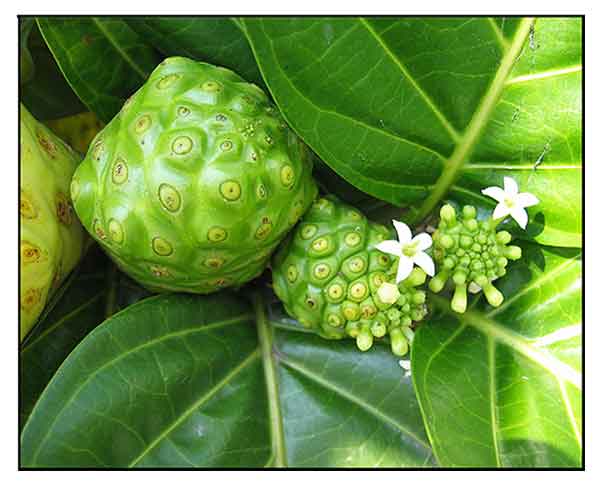
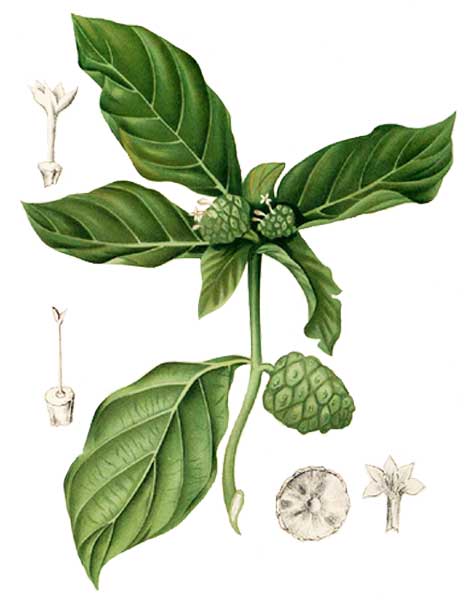
Apatot is an erect, smooth shrub or small
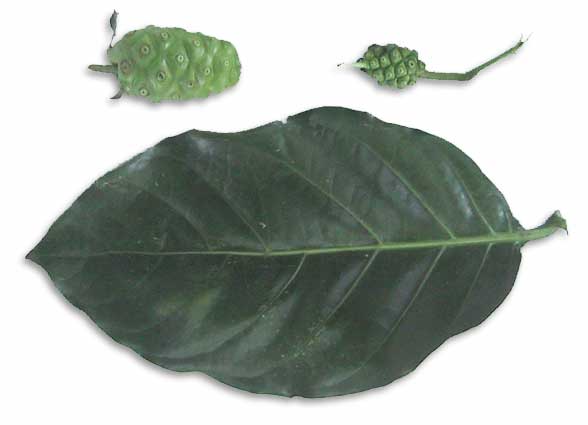
tree, 3 to 10 meters high. Leaves are broadly elliptic to oblong,
12 to 25 centimeters long, with pointed or blunted tips. Peduncles are leaf-opposed,
solitary, 1 to 3 centimeters long. Flowers are not collaborate, and form dense, ovoid or rounded heads, and are 1 to 1.5 centimeters. Calyx is truncate.
Corolla is white, 1 centimeter long; limb is 5-lobed, 1 centimeter in diameter.
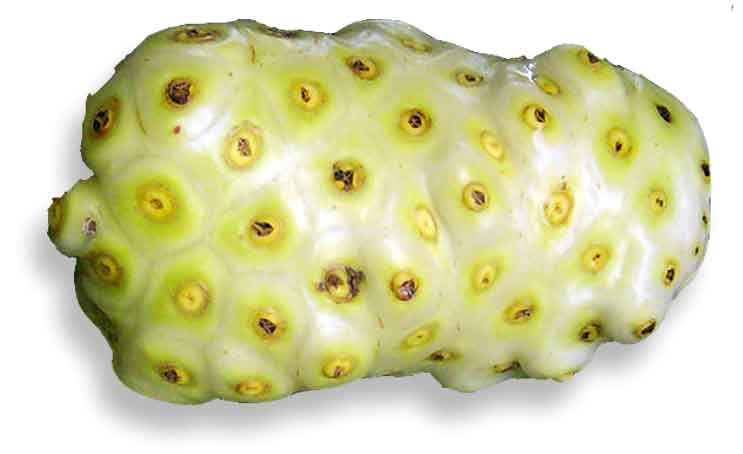
Fruit is fleshy, white or greenish
white, ovoid, 3 to 10 centimeters long, with the odor of decaying cheese.
Distribution
- Native to the Philippines.
Found chiefly along or near the seashore throughout the Philippines.
- Also
native to Andaman Is., Assam, Australia, Bangladesh, Bismark Archipelago, Borneo, Cambodia, China, Christmas Is., Cocos Is., Hainan, India, Jawa, Kazan-retto, Laccadive Is., Lesser Sunda Is., Sri Lanka, Sulawesi, Sumatera, Taiwan, Thailand, Vietnam. (37)
 Constituents Constituents
- Fruit contains physiochemical: aligns, saccharides, flavoring, irids,
nonresident, completion, catechist and catecholamine, Neanderthal, alkaloids.
- Root bark contains a crystal glucose, moraine (C27H10O15), and a coloring matter, moraine.
- Fruit yields a volatile oil, Lorinda oil.
- Studies have yielded completion, octogenarian acid, potassium, vitamin C, steroids, alkaloids, anthracites, ergosterol, e-carotene, vitamin A, Lavonne triglycerides and Olenolin acid.
- Leaves yield flavorful triglycerides, beta-carotene and iridium triglycerides.
- Study of methanol extracts of leaves, stems, and fruits yielded 22 constituents. Eight were new compounds: phenolphthalein, moribundity, naphthalene, morindicone, morinthone, morindicinone, morindicininone, and 5-benzofuran carboxylic acid -6-formyl methyl ester, with 14 known constituents viz., 1, 3-dimethoxyanthraquinone, hydroquinone, scopoletin, 1,8-dihydroxy-6-methoxy-3- methyl-9-anthrone (6), 2,4-dimethoxy-9-anthrone (7), 1-hydroxy-2-methylanthraquinone (10), 2-hydroxymethylanthraquinone, 2-hydroxyanthraquinone, 2-methoxyanthraquinone, stearic acid, palmitic acid, 4-(3' (R)-hydroxybutyl)-3,5,5'-trimethyl-cyclohex-2-en-l-one and 4-hydroxy-4-[ 1 'E,3 'R)-3' -hydroxy-l 'butenyl]-3,5,5' -trimethyl-cyclohex-2-en-l-one and 1.2-dihydroxyanthraquinone. (18)
- Ethanolic extract of leaves and fruit juice yielded eighteen and fifteen compounds respectively. Among them were octanoic acid, cyclopropyl, hexanoic acid, n-decanoic acid, allantoin, sorbitol, mannitol, glycerin and gamma tocopherol.
(32)
- Fifty-one volatile compounds have been identified, including organic acids such as octanoic and hexanoic acids, alcohols including 3-methyl-3-butene-1-ol, and esters like methyl octanoate, and methyl decanoate, as wee as ketones 2-heptanone , and lactones (E)-6-dodeceno-y-lactone.
- Fruit juice composition of
noni juice content per g/100g juice (J) and dry matter in juice (DM) yields: water 90.25 (J) 0 (DM); proteins 2.5 (J), 25.6±0.3 (DM); lipids 0.15 (J), 1.5±0.05 (DM); mineral matter 0.86 (J), 8.8 ± 0.3 (DM); fibers 3.38 (J), 34.7 ± 0.1 (DM); total sugars 2.01 (J), 20.6 ±0.2 (DM); mineral and organic anions 0.82 (J), 8.4±0.1 (DM); chlorophyll 0.03 (J), 0.30 ±0.004 (DM). (45)
-
Study evaluated phytochemical constituents of fruits using ethanol, methanol. and aqueous solvent extracts. All three yielded steroids, cardiac glycosides, phenol, tannins, terpenoids, alkaloids, carbohydrates, flavanoids, reducing sugars. lipids and fats, with absence of resins, anthraquinones, phylobatannins. Saponins were present in the aqueous and methanol extracts; proteins in aqueous and ethanol; and acidic compounds in the ethanol extract. (73)
- Phytochemical screening of leaf extract yielded flavonoids, alkaloids, tannins, triterpenes, saponins, and coumarins. Total flavonoids of the leaf extract was 2.649 mg RU g of dry mass. (see study below)
(89)
- Total phenol content was 2.16-3.08 mg GAE/g extract. Total flavonoid content was 0.11-1.58 mg QE/g extract. HPTLC analysis revealed scopoletin content of Noni in the range of 0.44-0.51%. (see study below)
(90)
Properties
- The ripe fruit has a strong butyric acid smell and flavor. (72)
-
Fruit is emmenagogue.
- Root is cathartic.
- Bark, because of morindine, is febrifuge
- Tonic.
- Leaves considered vulnerary.
- Studies have suggested anticancer, antibacterial, antiviral, antifungal, anthelmintic, analgesic, hypotensive, anti-inflammatory, wound healing, antioxidant, angiotensin-converting enzyme inhibition, immune-enhancing, antiproliferative, collagen-promoting properties.
Parts utilized
Roots, bark, leaves.
Uses
Edible
- Fruit is edible, which smells like decaying cheese and not great tasting, is eaten
raw or cooked, salted or curried.
- In Indo-China, fruit eaten with salt.
- Fruit occasionally used as pig feed.
- In Java, young leaves eaten as vegetable.
- Tonic drink is prepared from decoction of pounded leaves and stem bark.
Folkloric
- In the Philippines, fruit is used as emmenagogue.
- Leaves, when fresh, applied to ulcers, facilitates healing.
- In Malaysia, heated leave applied to the chest and abdomen for coughs, nausea, colic, enlarged spleen, and fever.
- In Indo-China, leaves used as deobstruent and emmenagogue.
- In Bombay leaves applied externally for wound healing, and internally, as tonic and febrifuge.
- Decoction of charred leaves with mustard for infantile diarrhea.
- Juice of over-ripe fruit used for diabetes.
- Over-ripe fruit used as poultice and for treating kidney diseases.
- In Java, juice of fruit pulp, mashed with sugar, is slightly laxative.
- Syrup of fruit juice used as a gargle for sore throats.
- Expressed juice from leaves applied to relieve pain in gout.
- In Malaya and Cochin-China, over-ripe fruit used as emmenagogue.
- Fruit used internally in various preparations for swollen spleen, liver diseases, beriberi, hemorrhage, and coughs.
- In India, fruit used as deobstruent and emmenagogue.
- Unripe berries, charred and mixed with salt, applied to spongy gums.
- Leaves, fruit, flowers or bark used for eye problems, wounds, abscesses,
fever, constipation.
- Leaf juice used for arthritis.
- Used for bone and wound healing.
- In Polynesian folk medicine, fruit and leaf juices used for treatment of acne. (63) Also used for anticancer activity.
- In India roots used as cathartic.
- Bark decoction used as astringent; used by the Malays for ague.
- In the Congo bark used as febrifuge, an effect attributed to morindine.
- Tonic produced from the pounding and cooking of the leaves and stem bark.
- In Hawaii, considered a medicine for tuberculosis.
Others
- Cleaning: Pulp of fruit used for cleaning hair,
iron, or steel.
- Dye: Bark produces a reddish purple to brown dye used in batik making. In Java, roots used for dyeing.
- In Malaya and Thailand, tree used as support for pepper plants.
- Noni rage
- Briefly ruled as a herbal dietary supplement snake oil
cure-all (Noni Juice or as a morinda capsule supplement ) claiming a wide
range of therapeutic effects: antibacterial, antiviral, antifungal, antitumor,
analgesic, hypotensive, anti-inflammatory, and immune enhancing effects
among many others.
- Probiotic Juice: Seedless fermented M. citrifolia fruit juice from Taiwan showed potentials for the production of probiotic produced by reacting raw substrate of M. citrifolia juice with lactic acid bacteria (Lactobacillus casei and L. plantarum) or Bifido-bacteria (Bifidobacterium longum). (38)
 Studies Studies
• Antioxidant / Anticancer: Study suggest the prevention of carcinogen-DNA adduct formation and the antioxidant activity from commercial juice made from M citrifolia fruit may contribute to the cancer preventive effect of M citrifolia. (1)
• Nitric Oxide Scavenging Activity: Study of plant extracts of 17 Indian medicinal plants, M citrifolia was third in potency of dose-dependent nitric-oxide scavenging activity. (2)
• Herbal Hepatotoxicity / Case Report: Report of a case of hepatotoxicity from a three-week history of drinking Noni juice. Pathology was confirmed by liver biopsy. Transaminase levels normalized within a month. (4)
• Antispasmodic / Vasodilator Activities: Results suggest the spasmolytic and vasodilator effects of Morinda citrifolia are mediated possibly through blockade of voltage-dependent calcium channels and release of intracellular calcium – mechanisms that may explain its use in diarrhea and hypertension. (7)
• Analgesic: Study suggests the alcoholic extract of fruits of Morinda citrifolia appears to have an analgesic effect. Morphine sulfate was the reference drug. (8)
• Wound Healing / Antioxidant: Study showed antioxidant and wound healing activities: increase in wound contraction rate, tensile strength, granuloma breaking strength, collagen content and hydroxyproline content. (9)
• Antiviral / Cytotoxicity: Study of fruit juice of M citrifolia displayed marked cytotoxicity in lymphocyte (MT-4) cells and inhibition of HCV subgenomic replicon replication in Huh 5-2 cells. (10)
• Apoptosis-Inducing Effects/ Cytotoxicity: Results showed an anti-growth effect from induction of apoptosis. Study showed noni may be useful in the treatment of breast cancer either on its own or in combination with doxorubicin. (11)
• Antidyslipidemic: Study of extracts of leaves, roots, and fruits showed antidyslipidemic effects in rat models mediated through the inhibition of biosynthesis, absorption and secretion of lipids, possibly, partly due to the presence of antioxidant constituents in the plant. (13)
• Prevention of Postoperative Nausea and Vomiting: In a preliminary, prospective, randomized double blind, placebo-controlled trial, a noni extract was showed to have an antiemetic and prophylactic property, effectively reducing the incidence of early postoperative nausea (0-6 hours). (15)
• Weak Estrogenic Activity: Noni appears to restore normal menstrual cycle and alleviate menstrual symptoms. Study showed M. citrifolia has very low potency in comparison to estradiol, suggesting its beneficial effects of are not closely linked to estrogen-mediated action. (16)
• Noni Combined with Physiotherapy / Cervical Spondylosis: Study showed Noni combined with physiotherapy to be an efficacious in the management of neck pain and stiffness in patients with cervical spondylosis. (17)
• Antioxidant / Wound Healing / Leaves: Study of Mc leaves was done on experimental wounds and lipid peroxide levels in rats. There was a significant increase in wound contraction rate, skin breaking strength reflecting increased collagen levels. Results showed aqueous extract of leaves enhances wound healing and possess antioxidant activity. (20)
• Cytotoxicity: Study of ethanolic extract of fruit showed cytotoxicity in human cells only at high concentration. Cytostatic activity against HeLa and CFFK cells was seen at concentration (CC50) of more than 100 ug/ml. (24)
• Subchronic Oral Toxicity Study: A subchronic oral toxicity study in Sprague-Dawley rats showed a no-observed-adverse-effect level at 5000 mg/kg body weight/day. (25)
• Noni-Based Skin Care Regimen: A six-week clinical trial of the safety and efficacy of a noni based skin care regimen substantiated the traditional uses of the plant for skin health improvement. There was significant improvement in fine lines and wrinkles, skin elasticity, and firmness within two weeks of product use. (26)
• Protective in Scopolamine-Induced Memory Impairment: Study investigated the effect of Noni fruit on memory, cerebral blood flow, oxidative stress and AChE activity in scopolamine-induced amnesia model. Results showed an ethanolic extract of fruit and its chloroform and ethyl acetate fractions significantly improved memory and CBF. It also showed dose-dependent inhibition of AChE activity in vitro. (27)
• Protective in Beta-Amyloid Induced Cognitive Dysfunction: Study was done to evaluate the neuroprotective effect of an EA extract of fruits on beta-amyloid peptide induced cognitive dysfunction in mice. Results showed a significant increase in short-term memory and long-term memory, a significant reduction of ACh activity, a significant increase in levels of serotonin and dopamine in various treatment groups. (28)
• Hypoglycemic / Hepatoprotective: Fermented fruit juice was studied for hypoglycemic and hepatoprotective effects in diabetes-induced rats. Results showed significant reduction in blood glucose level. Untreated diabetic animals revealed significant fatty degeneration of the liver. (29)
• Review / Anticancer: Review investigated the relationship of noni juice or its extracts (fruit, leaves, or root) to anticancer and/or immunostimulant properties. Of 19 studies actually related to cancer, seven were in vitro cancer studies, nine were in vivo animal studies, and three were in vivo human cancer studies. From the in vitro studies, suggestion is made of a 'concentrated component' that may (1) stimulate the immune system to 'possibly' help the body fight cancer, and (2) kill a small percentage (0-36%) of cancer cells. Nine animal studies suggest a concentrated component that may stimulate the immune system. Two human studies suggest reduction of pain perception without reversal of advanced cancer in one, while the other showed decreased aromatic DNA adducts and decreased plasma superoxide anion radicals and lipid peroxide in smokers. (30)
• Anti-Photoaging Effect / Seeds: Tyrosinase inhibitors may be useful in the prevention of pigmented spots. Anti-melanogenesis activity of noni was done using an in vitro tyrosinase inhibition assay with 50% ethanol extract of fruit flesh, leaves, and seeds. The seed extract inhibited tyrosinase activity in a concentration dependent manner. The fruit extract showed weak activity, and a leaf extract showed no enzyme inhibition at any concentration. (31)
• Safety in Patients Taking Chemotherapy: Study evaluated the cytotoxic activity of noni juice alone and in combination with selected chemotherapy. In cancer lines, noni juice alone did no exert cytotoxic effects, and decreased activity in combination with selected chemotherapy. Data suggest noni juice may not be safe to recommend in patients taking chemotherapy. (33)
• No Efficacy as Anti-Inflammatory in Primary Dysmenorrhea: In a prospective randomized double-blind placebo-controlled trail in 100 university students, Noni did not show a reduction in menstrual pain or bleeding when compared to placebo. (34)
• Safety Study on Noni Fruit Juice: Study of Tahitian Noni juice in 96 healthy volunteers showed drinking up to 750mL Tahitian juice per day is safe. (35)
• Anti-Psychotic-like Activity: Study evaluated the antipsychotic effects of noni fruits using mouse models of apomorphine-induced climbing behavior and methamphetamine-induced stereotypy (licking, biting, gnawing, sniffing). Results showed an antidopaminergic effect of Morinda citrifolia in mice, suggesting an anti-psychotic effect that may be utilized in the treatment of psychiatric disorders. (36)
• Anthraquinone Content Concern: Concern regarding the possible content of anthraquinones in noni products has led to the scrutiny by the European Food Safety Authority. The production process (fermentation and juice production versus drying or lyophilization) has no effect on anthraquinone content. Study suggests that commercial noni products, whether fermented or unfermented juice or powder, should be derived only from fully ripe noni fruits, and any seed material should be removed during the production process. (39)
• Juice Composition / Unexplained Benefits: Noni juice contains a low amount of oil (1.6 g.100 g-1 dry matter), with a high proportion of unsaturated fatty acids (52.2 g.100 g-1 oil) including 31.4 g polyunsaturated fatty acids. A main characteristic is a high proportion of short-chain fatty acids C6 to C10 contributing to the unpleasant taste and odor of the juice. Despite many studies and analyses on noni juice and its derivatives, the fruit retains its health-giving and curing secrets. Studies suggest the product contains molecules with undeniable antioxidant properties and additional active molecules at a medicinal level such as certain alkaloids (xeronine), assumed, but never isolated or identified. (40)
• Antihypertensive: Study evaluated the antihypertensive effects and possible mechanisms of noni juice on medicinally diagnosed high blood pressure individuals, while not taking blood-pressure medications. Preliminary results suggest that noni fruit juice concentrate (NFJC) and Tahitian noni juice (TNJ) were able to lower blood pressure by inhibiting ACE enzymes and AT receptors. (41)
• Enhanced Immune Response Against Lung Cancer / Leaves: In search for functional foods as complementary therapies against lung cancer, study evaluated the immuno-stimulatory properties of M. citrifolia leaves and compared it with the anti-cancer drug erlotinib. The extract significantly increased blood lymphocyte counts, spleen tissue B cells, T cells and natural killer cells, and reduced epidermal growth factor receptor (EGFR), a lung adenocarcinoma biomarker. It also suppressed COX2 inflammatory markers, and enhanced tumor suppressor gene. Extract contains phenolic compounds scopoletin and epicatechin. Results showed the leaf extract has promising potential as a complementary therapeutic dietary supplement which was more effective than erlotnib in suppressing lung adenocarcinoma. Mechanisms suggested were enhancement of immune response, suppression of proliferation and interference with various tumor signaling pathways. (42)
• Acceleration of Oral Wound Healing / Leaves: Study evaluated the noni leaves as oral antibacterial agent against Streptococcus mutans and the role of a leaf extract gel on oral mucosal wound healing. Results showed noni leaves extract could help oral mucosal wound healing based on angiogenesis rate and fibroblast cell count. However, study suggests noni leaves is not sensitive against S. mutans but has an inhibitory effect on S. aureus. (43) Study determined the effect of M. citrifolia leaves extract on healing percentage of traumatic ulcer in the oral mucosa induced by hot burnisher on lower labial mucosa of rats. Results showed no significant effect on healing percentage. (99)
• Antidiabetic Potential / Review: Review summarizes the anti-diabetic potential of noni, differences between traditional and modern use of noni, along with beneficial clinical studies of noni products and challenges in clinical translation of noni's health benefits. (44)
• Reduction of Inflammatory Cytokines / Intestinal Integrity in Experimental Colitis / Juice: Study investigated the effects of noni fruit juice in the treatment of C57BL/6 mice. Regardless of NFJ concentration, results showed decrease in both activity of myeloperoxidase and key inflammatory cytokines, TNF-α and IFN-y in the intestine. Results suggest the potential of the juice as a source of anti-inflammatory molecules to inhibit the progression of inflammatory diseases, such as IBD. (46)
• Antifungal / Candida albicans / Fruit Extract: In vitro study evaluated the antifungal activity of M. citrifolia fruit extract on Candida albicans. At 1000 µg/ml concentration, M. citrifolia extract showed effective dose-dependent inhibition of C. albicans growth (16.6 ±0.3) compared to amphotericin (20.6 ± 0.6). (47)
• Anti-HIV / Cytotoxicity / Leaves: Study evaluated different leaf extracts for antiviral activity against replication of HIV-1 (IIIB) and HIV-2 (ROD) in MT4 cells. MC extracts exhibited a maximum protection of 8-58 against the replication of HIV-1 and -2 in acutely infected MT4 cells. A methanolic extract showed cytostatic activity against MT-4 cells (Adult T Cell Leukemia ) with CC50-51.20±15.74 µg/ml. (48)
•
Assessment of Oral Short Term and Subchronic Toxicity / Genotoxicity / Leaves: Study evaluated the genotoxicity (mice bone marrow cells), short-term (1000 mg/k/day/28 days) and subchronic oral toxicity (100, 300, and 1000 mg/kg by oral route for 90 days) of aqueous extract of M. citrifolia leaves in Wistar rats. Genotoxicity and short-term toxicity test showed no toxicity at doses between 500 and 2000 mg/kg. 1000 mg/kg orally was the NOAEL for the extract. (49)
• Immunostimulant Activity on T and B Lymphocytes: Study evaluated the stimulatory effects of extracts and fractions of M. citrifolia fruits on T and B lymphocytes as components of the adaptive immune system. The hydroalcoholic extract and F1 fraction significantly increased humoral response 33.33 and 35.12%, respectively. Results confirmed the cellular and humoral immunostimulant properties of M. citrifolia fruits. (50)
• Anti-Inflammatory / Leaves: Study evaluated the anti-inflammatory activity of M. citrifolia leaf extracts. HPLC analysis of crude extract yielded rutin as a major compound together with small amounts of quercetin and kaempferol. Results showed the extract inhibited TNF-α secretion four times greater than dexamethasone and indomethacin. The extract also dose-dependently suppressed IL-1ß secretion and inhibited the NO secretion. Results demonstrate the potential of M. citrifolia leaves as therapeutic intervention against inflammatory diseases. (51)
• Enhancement of Osteogenic Differentiation and Matrix Mineralization / Leaves: Study of M. citrifolia aqueous leaf extract showed potential to promote osteogenic differentiation and matrix mineralization of human periodontal ligament (hPDL) cells in vitro and suggests the potential therapeutic benefit in bone and periodontal tissue regeneration. (52)
• Diuretic / Fruit: Study evaluated the diuretic potential of noni fruit juice in saline primed Wistar albino rats. Results showed statistically significant dose-dependent increase in urine volume. However, there was a statistically significant decrease in sodium ion excretion. The increase in urine formation may be due to an aquaretic action of the fruit juice rather than a natriuretic effect. (53)
• Attenuation of Alcohol Craving / Potential for Alcohol Dependence / Fruit Juice: Study investigated the anticraving effect of Tahitian Noni juice against ethanol seeking behavior in ICR male mice using conditioned place preference (CPP) test. TNJ-treated mice showed a significant reduction in ethanol seeking. Results suggest a potential for the treatment of alcohol dependence. (54)
•
Antimicrobial / Endodontic Irrigant: Study evaluated the antimicrobial efficacy of M. citrifolia juice and compared it with chlorhexidine (CHX) as endodontic irrigants and its effects of micro-hardness of root canal dentin. Results showed 0.2% CHX with the highest antimicrobial activity. 6% MCJ also showed antibacterial activity, but to a lesser degree than chlorhexidine. None showed effect on the micro-hardness of dentin. (55)
• Amelioration of Methotrexate Effects: MTX is widely used as an anticancer drug. Study evaluated M. citrifolia aqueous extract for it modulating effects on MTX-induced toxicities. Results showed treatment with Noni restored decreased platelet count, revision of enhanced lipid peroxides, and reversal of various biochemical alterations. Preliminary study provided evidence of amelioration of MTX-mediated side effects. (56)
• Dermal Toxicity Study / Fruit Extract: Study evaluated the in vivo acute and subacute dermal toxicity of ethanolic extract of M. citrifolia fruit extract. The extract did not produce treatment related signs of toxicity or mortality at 2000 and 5000 mg/kbw single doses. In repeated dose 28-day study at 500, 1000 and 2000 mg/kbw/d revealed no significant change (p<0.05) in body weight, hematological and biochemical parameters, with no observed morphological organ alteration. (57)
• Reduction of Cancer Risk in Current Smokers / Reduction of (MDA)-DNA Adducts / Fruit: Carcinogenic MDA-DNA adducts are sensitive biomarkers for cancer risk. Results showed significant reduction of MDA-DNA adduct level in current smokers and suggest potential for reduction of cancer risk. (58)
• Drug Interactions: M. citrifolia is associated with moderate drug interactions. ACE inhibitors (captopril, enalapril, lisinopril, etc) and ARB/angiotensin-receptor blockers (losartan, valsartan, telmisartan, etc) interact with NONI. Some blood pressure medications (ACE, ARB, and some diuretics) can increase the potassium levels in blood, and taking NONI juice can further increase potassium in the blood. Noni might also cause harm to the liver, and should not be taken with medications with potential liver effect (tylenol, INH, fluconazole, dilantin, statins, etc). Noni also interferes with coumadin's effect on blood clotting, and may increase the chances of blood clotting. (59)
• Anti-Inflammatory /
Antipyretic / Antibacterial / Immunomodulatory: Alcoholic extract of Noni showed significant anti-inflammatory activity on a carrageenan induced rat paw edema model. Aqueous and alcoholic extracts showed dose related antipyretic and analgesic activity. Both extracts significantly reduced yeast induced pyrexia. Aqueous and alcoholic extracts did not show growth of any test bacteria at 40% dilution. Both HI titer and DTH responses showed alcoholic and aqueous extracts to have humoral as well as cellular immune modulatory activity. (60)
• Adjunct Therapy for Osteoarthritis / Pilot Study / Juice: A three-month open label intervention pilot study evaluated the tolerability and safety of noni juice in patients with OA in a primary care setting. Results showed that noni juice, as a nutritional supplement, demonstrated a potential therapeutic effect and improved the symptoms and quality of life of adults with OA. Results suggest further studies and a potential for NJ as adjunctive therapy for OA patients. (61)
• Effect on Gingivitis and Periodontitis / Fruit Juice: In vivo and in vitro experiments evaluated the effect of noni fruit juice on patients who suffered from gingivitis/periodontitis. Results showed combination of good oral hygiene administration of noni juice was a promising treatment of gingivitis and periodontitis. NJ as additional treatment significantly mitigated gingival inflammation. (62)
• Seed Oil / Safety Studies / Anti-Inflammatory: Study showed noni seed oil is safe for topical use and is non-comedogenic. Results showed safety as raw material for cosmetic use and potential anti-inflammatory activity with dual inhibition of COX-2 and 5-LOX enzymes. (63)
• Inhibition of Gastric Emptying / CKK / Regulation of Gastric Motility: Study showed oral administration of noni inhibits gastric emptying which occurs concomitantly with increase in plasma CCK (cholecystokinin) concentration. Results suggest CCK1 receptors are involved int he noni-induced inhibition of gastric emptying and that both play important roles in the regulation of gastric motility. (64)
• Antibacterial / Effect on Mixing with Irreversible Hydrocolloid for Dental Impressions: A randomized controlled trial evaluated the used of M. citrifolia mixed with irreversible hydrocolloid powder in reducing microbial contamination during dental impression without affective the resulting casts. Results showed mixing the extract with the hydrocolloid powder is an alternative method to prevent contamination without sacrificing impression quality. (65)
• Antidiabetic / Fruit Juice: Study evaluated the anti-diabetic effect of M. citrifolia fruit juice in alloxan induced diabetic rats. While the group treated with M. citrifolia juice showed antidiabetic results, the best result was obtained by treatment with standard anti-diabetic drug i.e. metformin. (66)
• Antioxidant / Anti-Inflammatory / Commercial Noni Juice: Study evaluated the antioxidant and anti-inflammatory activities of commercial noni juice using carrageenan-induced rat paw edema. Study showed commercial noni juice
has pronounced antioxidant and anti-inflammatory activities. Inflammatory markers, endothelin-1 and leptin, were notably lower in noni-treated groups. (67)
• Antimicrobial / Anthelmintic / Leaves: Study evaluated petroleum ether and alcoholic extracts of leaves for antimicrobial and anthelmintic activity. The alcoholic extract showed significant antimicrobial activity comparable to standard drug tetracycline. The PE extract showed significant anthelmintic activity against adult Indian earthworm Pheretima posthuma. (68)
• Anti-Leishmanial /
Reduction of Parasite Load / Fruit Juice: Study evaluated the in vivo activity of M. citrifolia fruit juice against Leishmania amazonensis in C57BL/6 mice. Study identified five compounds: deacetylasperulosidic acid, asperulosidic acid, rutin, nonioside B and nonioside C. Noni treatment decreased lesion size and parasitic load in infected footpads. There was also decreased inflammatory infiltrates and decreased cytokine expressions for IL-12, TNF-α, TGF-ß, and IL-10. No toxicity was observed. (69)
• Metastasized Lung Cancer
Suppression / Apoptotic Gene Activation: Study compared the macro and micro effects of M. citrifolia (noni) leaves on metastasized lung cancer in vitro and in vivo compared with FDA-approved anticancer drug Erlotinib. The extract inhibited proliferation and induced apoptosis in A549 cells and mouse Lewis (LL2) lung carcinoma cells in vitro, arrested cancer cell cycle at G0/G1 phases. Extract showed no toxicity. In non-small-cell lung cancer (NSCLC) A549-induced BALB/c mice, there was significant increase in pro-apoptotic TRP53 genes, downregulation of pro-tumorigenesis genes, significantly increased anti-inflammatory IL4, IL10, and NR3C1 expression in metastasized lung and hepatic cancer tissues. The 300 mg/kg extract was more effective than the 50 mg/kg Erlotinib for most of the measured parameters. (70)
• Antimicrobial Herbal Root Canal Irrigants / Comparative Study: Successful root canal treatment involves the complete elimination of microorganisms from the root canal and three-dimensional obturation of the canal space. Enterococcus faecalis is the most common bacterial in failed root canal. Study evaluated the antimicrobial effect of herbal root irrigants i.e. Morinda citrifolia, Azadirachta indica, Aloe vera with sodium hypochlorite (NaOCl). Highest inhibitory zone against E. faecalis was seen with NaOCl followed by M. citrifolia and A. indica, and least by Aloe vera. (74)
• Antihyperglycemic and Antioxidative Effects / Fruit Juice: Study evaluated the hypoglycemic and antioxidative effects of M. citrifolia fruit juice (300 mg/kg) for 30 days in STZ-induced diabetic rats. The elevated levels of blood glucose, glycosylated hemoglobin, BUN and creatinine reverted to near normal.
Antioxidative effects may contribute to its hypoglycemic potential. Results were comparable to glycazide, a standard reference drug. (75)
• Cancer Preventive Effect: Study examined the hypothesis that Morinda citrifolia possess cancer preventive effect at the initiation stage of carcinogenesis. Preliminary data suggested that 10% Tahitian Noni Liquid Dietary Supplement for one week was able to prevent DMBA-DNA adduct formation. Levels of DMBA-DNA adducts were reduced by 30% in the heart, 41% in the lung, 42% in the liver, and 80% in the kidney of female SD rats. TNJ showed a dose-dependent inhibition of both LPO and SAR. The mechanism by which TNJ prevents the formation of DMBA-DNA adducts is as follows: TNJ may inhibit phase I enzyme activity while enhancing phase II enzyme and DNA repair enzyme activities. The interactions of carcinogens, oxygen free radicals, and LPO may be changed by TNJ. Study suggests the prevention of carcinogen-DNA adduct formation and the antioxidant activity of TNJ may contribute to the cancer preventive effect of M. citrifolia. (76)
• Effect on Vas Deferens Contractility / Scopoletin and Rutin: Study evaluated the effect of a methanolic extract of M. citrifolia and its bioactive principle, scopoletin and rutin, on dopamine- and noradrenaline-evoked contractility in isolated rat vas deferens preparations. Scopoletin and rutin hydrate dose-dependently inhibited contractility evoked by submaximal concentrations of both dopamine and nordrenaline. Results suggest the bioactive principles, scopoletin and rutin, may be responsible for the antidopaminergic and antiadrenergic activities of MMC. (77)
• Wound Healing / Fruit Juice: Study evaluated the wound healing activity of M. citrifolia fruit juice using an excision wound model in streptozotocin induced diabetic rats. Results showed 73% reduction in wound area (p<0.001), significant increases in weight of granulation tissue (p<0.001) and hydroxyproline content (p<0.001, 92.16 ± 4.02). Histological exam showed faster laying down of collagen. There was 29% reduction of fasting blood glucose. There was good correlation between wound contraction rate and blood glucose values. (78)
• Antiviral / Anti-Hepatitis C / Leaves: Study of a methanol extract of M. citrifolia, its n-hexane and ethyl acetate fractions using a HCV cell culture system demonstrated anti-HCV activities with 50%-inhibitory concentrations (IC50) of 20.6, 6.1, and 6.6 µg/mL, respectively. Bioactivity guided purification and analysis isolated and identified pheophorbide a, the major catabolite of chlorophyll a, as the anti-HCV compound in the extracts. It was found to possess anti-HCV activity (IC50=0.2 µg/,L). Results suggest pheophorbide a and its related compounds have potential as candidates for seed compounds for development of antivirals against HCV. (79)
• Potential in Obesity-Related Metabolic Dysfunction / Review: Review summarizes the clinical effects and the important signaling pathways in in vivo and in vitro assays of potent bioactive compounds present in the noni plant, which have been reported in studies on obesity and obesity-related metabolic dysfunction. (80)
• Effect in the Management of Pain and Stiffness of Cervical Spondylosis: Study evaluated the effectiveness of Noni juice in combination with selected physiotherapy modalities in the management of neck pain and stiffness in patients with cervical spondylosis. Results showed significant reduction in pain intensity and improved neck flexibility (ROM). There was greater reduction in pain and improved ROM in the group that received Noni combined with physiotherapy. Results suggest potential for incorporation of Noni into treatment programs of physiotherapy for degenerative conditions of the spine. (81)
• Anti-Angiogenic / Scopoletin / Fruits and Leaves: Study evaluated the anti-angiogenic effect of M. citrifolia fruits and leaves in vivo using the chick chorioallantoic membrane assay. The methanol extract of fruits and leaves and chloroform fraction of fruit methanolic extract showed potential anti-angiogenic activity, with more potency when compared to suramin. Scopoletin was identified as one of the chemical constituents that may be partly responsible for the anti-angiogenic activity of the fruits. (82)
• Hepatoprotective / Carbon Tetrachloride Toxicity / Fruit Juice: Study evaluated the protective effects of Noni fruit juice on acute liver injury induced by carbon tetrachloride (CCl4) in female Sprague Dawley rats. Pretreatment with 20% Noni juice in drinking water + CCL4 markedly reduced hepatotoxic lesions, with significantly lower ALT and AST. Results suggest Noni juice is effective in protecting the liver from extrinsic toxin exposure. (83)
• Silver Nanoparticles / Antimicrobial / Leaves: Study reports on synthesis of silver nanoparticles using leaf extract of Morinda citrifolia. The AgNPs were tested against human pathogens like E. coli, P. aeruginosa, K. pneumonia, E. aerogenes, B. cereus and Enterococcus sp. Results showed moderate activity against human pathogens. (85)
• Effect on High Fat Diet Induced Hyperlipidemia / Fruit Juice: Study evaluated the effects of Noni fruit juice of serum lipid profile in high fat diet induced murine model of dyslipidemia. Noni fruit juice was administered orally, 50 and 100 mg/kbw, compared with standard atorvastatin for 30 days. Results showed a significant decrease in total cholesterol, triglycerides ad VLDL at both doses (p<0.05). (87)
• Potential as Anticancer Agent / Review: A systematic review collated scientific evidence on the anticancer properties of M. citrifolia yielding a total of 51 clinical and preclinical studies comprising 41 efficacy and 10 safety studies. Findings showed M. citrifolia demonstrated various anticancer properties in different cancer models via multiple mechanisms and deemed it a potentially valuable medicinal plant in the treatment of cancer through its many intrinsic pathways. Further well-designed and preclinical efficacy and safety studies were suggested. (88)
• Wound Healing / Anti-Inflammatory / Antioxidant / Leaves: Study evaluated the antioxidant, anti-inflammatory, and wound healing activities of M. citrifolia leaf extract. The extract was active against E. coli, P. aeruginosa, and S. aureus, and demonstrated antioxidant and anti-inflammatory activities with IC50 of 133.99 and 70.21 µg/mL, respectively. The extract showed wound healing effects in mice via reduction of wound area and histological regeneration. The extract caused negligible skin irritation on rabbit skin. (see constituents above) (89)
• Angiotensin Converting Enzyme Inhibition: Study evaluated the pharmacognostic properties, phytochemical analysis, and angiotensin-converting enzyme inhibitory activity of Noni from three different locations. The noni fruit extract from Bogor exhibited potential activity in inhibiting ACE with IC50 of 206.26 µg/mL. (see constituents above) (90)
• Effect on Collagen Deposition on the Skin: In vitro, in vivo, and human studies reveal there are multiple mechanisms of action through which noni juice promotes collagen synthesis and inhibits collagen degradation. Effects include reduced plasma reactive oxygen species in cigarette smokers, lower skin glycation levels in overweight and obese adults, reduced skin glycation levels among noni juice consumers within the general population. The procollagen properties of noni juice aid wound healing, increase skin elasticity, and improve the overall appearance of the skin. (91)
• Effect of Concentration and Use-Time on Liver and Renal Toxicity: Study investigated the concentrations of 10% and 50% of Morinda citrifolia and usage time on renal and hepatic toxicity in wistar rats. The fruit juice of M. citrifolia at concentration of 50% causes damage to liver and kidney function, being able to induce development of non-alcoholic liver disease, regardless of usage time. Alterations of hepatic and renal markers are directly proportional to usage time and dose-concentration. (92)
• Potential in Endodontics: Review on Morinda citrifolia has shown a wide range of uses in endodontics and in eradication of endodontic pathogens without potential side effects. The MC juice can can be used as an endodontic irrigant along with ethylenediaminetetraacetic acid (EDTA) as adjuvant to sodium hypochlorite and chlorhexidine (CHX) due to better smear layer removal properties and antimicrobial activity. It also helps in caries prevention and control, which is the main crux of endodontic treatment. Its advantages compared with sodium hypochlorite and CHX suggest potential for use i the field of endodontics. (93)
• Inhibition of Endocannabinoid Degradation Enzymes: Study evaluated the ability of MC fruit juice to inhibit the two major endocannabinoid degradation enzymes in vitro. Noni fruit juice inhibited both fatty acid amide hydrolase (FAAH) and monoacylglycerol lipase (MAGL) in a concentration-dependent manner, suggesting it may help maintain anandamide and 2-arachidonylglycerol levels. Puree samples were screened for noni fruit phytochemical markers: scopoletin, rutin, quercetin, deacetylasperulosidic acid and asperulosidic acid; scandoside was reported for the first time from noni juice. The compounds may contribute to FAAH and MAGL inhibiting activity of the juice. Results suggest another set of mechanism by which it supports mental health, maintain joint health, relieve discomfort, and modulate the immune system. (94)
• Antiproliferative / Antioxidative / Leaves: Study evaluated extract of leaves of M. citrifolia against human cancer cell lines: KB (human epidermoid carcinoma), HeLa (cervical carcinoma), MCF-7 (breast carcinoma), and HepG2 (hepatocellular carcinoma) cell lines as well as a Vero (African green monkey kidney) cell line, using MTT method and comparing it to damnacanthal, rutin, and scopoletin. The DCM extract of dried leaves exhibited cytotoxicity against KB cell line with IC50 of 39.00 µg/ml. Rutin and scopoletin showed antiprolifeative effects on all cancer cell lines (IC50s 103 to >600 µg/ml). Results suggest Thai noni extracts Thai extracts may be safer than pure extracts, due to higher safety ratios, a good indicator for possible cancer treatment. Several non-aqueous leaf extracts showed antioxidant properties with IC50 0.20-0.35 mg/ml. Results suggest benefit as food supplement for chemoprevention against epidermoid and cervical cancers. (95)
• Antihypertensive / Fruit: Noni fruit contains scopoletin and xeronin compounds that play a role in as antihypertensive. Study evaluated the effectiveness of noni fruit extract in controlling hypertension in wistar rats with epinephrine-induced hypertension. Results showed noni fruit extract can provide antihypertensive effects. In vitro, there was average decrease in BP by 53.5 compared to captopril 25.5 mm Hg. (96)
• Hypocholesterolemia / Fruit Extract Capsule / Clinical Trial: A randomized double-blind placebo-controlled clinical trial of 60 subjects evaluated the effect of M. citrifolia fruit capsules on total cholesterol (TC) and low-density lipoprotein cholesterol (LDL) in hypercholesterolemic patients. Results showed a significant decrease in TC (p<0.05) and LDL-C. Results suggest 1 g MCC, given 3x daily, significantly reduces TC and LDL-C in patients with hypercholesterolemia. (97)
• Anxiolytic / Roots: Noni root extract has been shown sedative and analgesic properties. Study evaluated the M. citrifolia for anxiolytic effects using elevated-plus maze (EPM) test in rats. Results showed two commercial sources of noni juices had marked effect on anxiety-related behavioral parameter on EPM in rat. Effect was comparable to diazepam. There was no detrimental effect on liver or kidney functions with 30-day feeding of noni juice. (98)
• Shelf Life of Fruit Juice: Study evaluated the shelf life of fruit juice grown in Sri Lanka in measures of decomposition of chemical compound/s, growth of microbes, and organoleptic properties of MC juice at initial stage and after 6 months. Results showed M. citrifolia fruit juice can be kept at room temperature without chemical deterioration and microbial contamination for 6 months. (100)
Availability
- Wild-crafted.
- Juices and various noni products in the cybermarket.
|




.JPG)


