Gen info Gen info
- Pueraria is a genus of 15-20 species of legumes native to south, east, and southeast Asia and to New Guinea and Australia. The genus, as traditionally circumscribed, is polyphyletic, with different species being more related to other species in the tribe Phaseoleae. (41)
-
Kudzu, also called Japanese arrowroot or Chinese arrowroot, is a group of climbing, coiling, and trailing deciduous perennial vines native to much of East Asia, Southeast Asia, and some Pacific Islands. It is invasive in many parts of the world, primarily North America. (35)
- Kudzu is derived from the Japanese name for the plant East Asian arrowroot, kuzu.
- The genus name Pueraria is named after 19th century Swiss botanist Marc Nicolas Puerari. The specific epithet montana derives from Latin to mountains or coming from mountains.
Botany
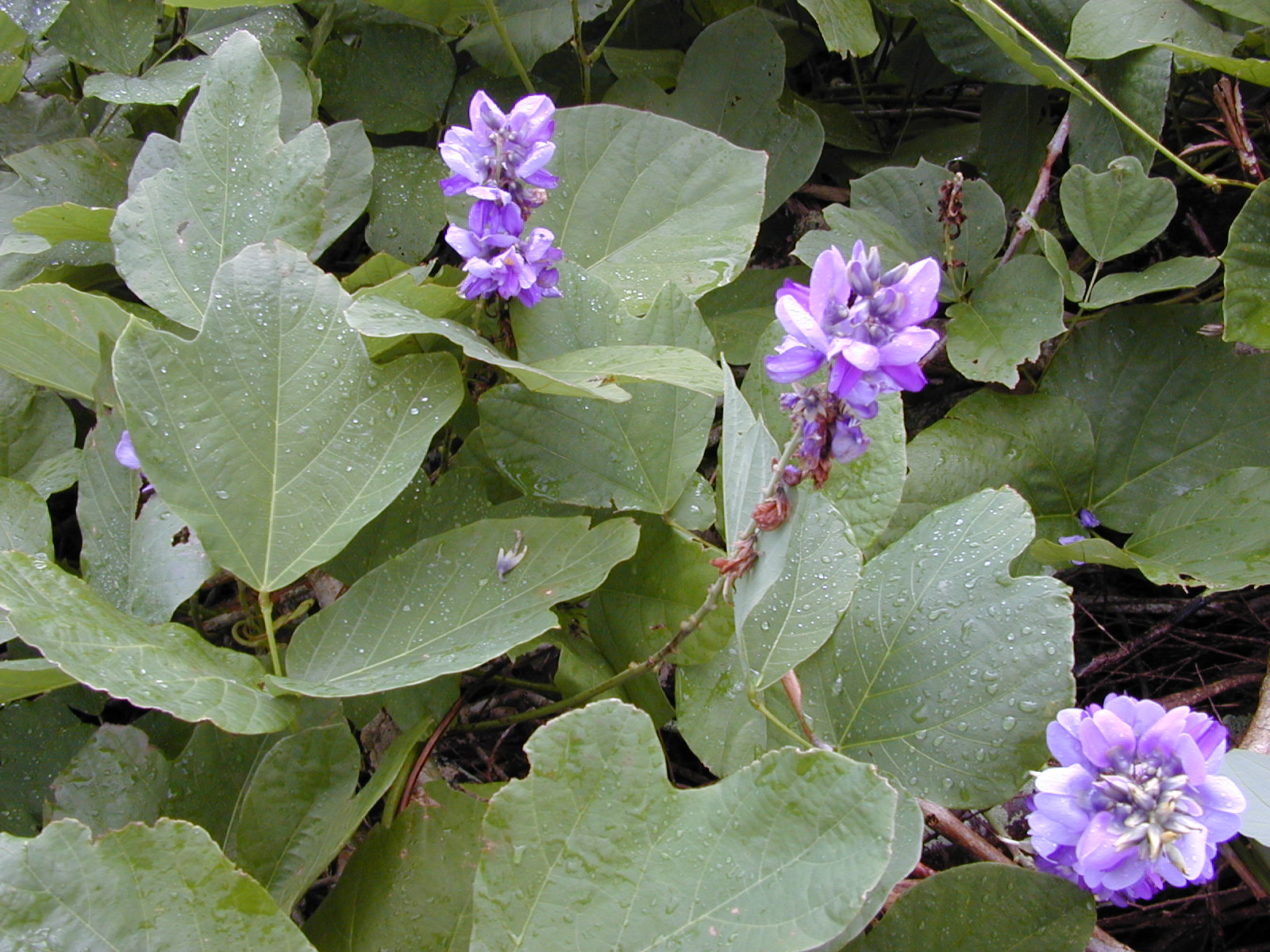
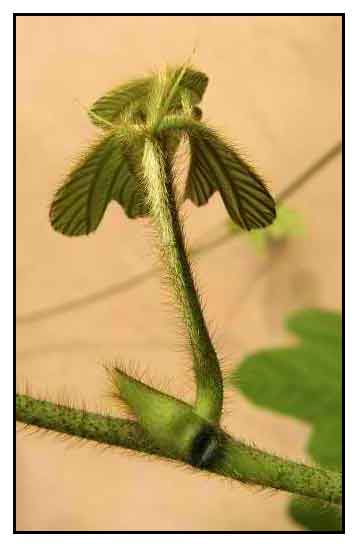
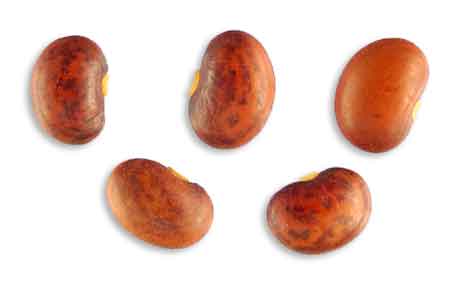
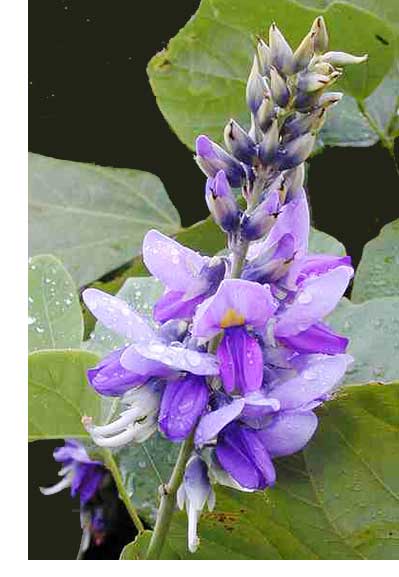
• Baai is a rather coarse, climbing, hairy, annual, herbaceous vine reaching a height of 8 meters. Leaflets are entire or slightly repand, ovate, 10 to 20 centimeters long, the upper surface smooth or nearly so, the lower surface densely covered with soft, grayish hairs. Flowers are about 2 centimeters long, borne on axillary racemes, 15 to 30 centimeters long. Calyx is hairy. Corolla is bright purple, 2 centimeters wide, with a large yellow spot at the base. Pods are 5 to 8 centimeters long, about 1 centimeter wide, covered with spreading brown hairs.
Distribution
- Native to the Philippines.
-
Open grasslands and thickets, at low and medium altitudes, and in Benquet it ascends to 2,000 meters.
- Found in Bataan, Benguet, Quezon and the Rizal Provinces in Luzon; in Biliran; Banton; Negros and Mindanao.
- Also native to Cambodia, Caroline Is., China North-Central, China South-Central, China Southeast, Hainan, Inner Mongolia, Japan, Jawa, Korea, Laos, Malaya, Maluku, Manchuria, Myanmar, Nansei-shoto, New Guinea, Northern Territory, Ogasawara-shot, Primorye, Solomon Is., Taiwan. (34)
- A common food crop in Java, Sumatra, and Malay.
- In the United States viewed as an invasive plant.
 Constituents Constituents
• Active constituents include daidzin, daidzein, puerarin, genistin, genistein, tectorigenin, glycirin, tectoridin, 6"-O-xylosyltectoridin, 6"-O-xyloglycitin, biochanin A, and spinasterol.
• Leaves contain glutamic acid, adenine, asparagin, butyric acid.
• Roots have yielded more than 25 isoflavonoids and flavonoids, including daidzein, daidzin, and puerarin.
• Other isofavones isolated are kakkalide, tectoridin and tectorigenin.
• Flowers yielded six isoflavonoids, tectorigenin, glycitein, tectoridin, glycitin, 6"-O-xylosyltectoridin, and 6"-O-xylosylglycitin.
• Root starch yields 340 calories per 100 g, 16.5% moisture, 0.2 g protein, o.1g fat, 83.1 g total carbohydrate, o.1 g ash, 35 mg ca, 18 mg P, 2.0 mg Fe and 2 mg Na. (21)
• Root (fresh weight) in grams (g) or milligrams (mg) per 100 g (fresh weight) yields 113 calories, water 68.6%, protein 2.1g, fat 0.1 g, carbohydrate 27.8g, fiber 0.7g, ash 1.4g; minerals: calcium 15 mg, phosphorus 18 mg. (21)
• Study of Pueraria lobata flower extract isolated two new isoflavone compounds: 5,6,7,4′-tetrahydroxyisoflavone-6,7-di-O-β-d-glucopyranoside and 5,6,7-trihydroxy-4′-methoxyisoflavone-6,7-di-O-β-d-glucopyranoside. (26)
• The major constituents of Puerariae radix iwere isoflavonoids, which included puerarin, daidzin, genistin, genistein, daidzein, and daidzein-4'-7-diglucoside. Highest levels of isoflavonoids were in the root and vine of P. lobata, and daidzein-4'-7-diglucoside was found only in the root and vine of P. lobata. (30)
• Study isolated three new isoflavones, , 7-acetyl-4′,6-dimethoxy-isoflavone (1), 7-acetyl-4′-hydroxy-6-methoxy-isoflavone (2) and 7-acetyl-6,8-dimethoxy-4′-hydroxy-isoflavone (3), together with five known flavones (4–8). (see study below) (36)
 Properties Properties
• Acrid, sweet, cold.
• Considered antidote, antiemetic, antipyretic, antispasmodic, antivinous, demulcent, depurative, galactagogue, hypolgycemic, hypotensive, styptic.
• Root considered antifebrile, antiemetic and antidote.
• Studies have shown antioxidant, hypoglycemic, hypolipidemic, cytotoxic, cardioprotective, fibrinolytic, antiosteoporotic, nootropic, anti-inflammatory properties.
Parts
utilized
Roots, seeds, flowers, leaves.
 Uses Uses
Edibility
• Roots, flowers, leaves are edible.
• Equal to alfalfa in nutritive value.
• Flour made from roots used in soups.
• Flowers cooked or made into pickles. Stems and young leaves eaten raw or cooked.
(21)
Folkloric
• Root of the plant is both food and medicine; however, above ground part is considered emetic.
• Root prescribed for fevers, colds, influenza, dysentery, snake bites.
• Use to counteract the effects of croton oil and other poisonous drugs.
• Externally applied to dog bites.
• Seeds used for dysentery and alcoholic excess.
• Flowers also used for alcohol excess.
• Leaves used on wounds as styptic.
• Shoots used to stimulate secretion of milk; applied to incipient boils and aphthous stomatitis in children.
• Every part of the plant used for skin rashes.
• Flowers used as diaphoretic and febrifuge.
• An ingredient in many traditional Chinese medicine formulas.
• In Chinese traditional medicine, used to treat tinnitus, vertigo, deafness, diabetes; used as a remedy for alcoholism and hangover; flowers used to detoxify the liver. Also used as diaphoretic and febrifuge. Root decoction used for colds, dysentery, and fever.
Alcoholism
• Animal studies have shown daidzin and daidzein to diminish the craving for alcohol. Chinese Pharmacopoeia suggests 9-15 grams of kudzu root daily. However, results of use and supplementation in humans have shown conflicting results.
Others
• Feed: Kudzu is primarily grown for pasture, hay, and silage; palatable to all types of livestock.
• Flour: In China and Japan, Ko-fen flour is obtained from tuberous roots
• In the U.S. kudzu is used to make soaps, lotions, jelly and compost.
• Fiber: Fiber obtained from the stems; studied for potential use as wallpaper, clothing and paper. Cultivated in China and Japan for its textile fiber and root.
• In the U.S., kudzu used to make soaps, lotions, jelly, and compost. Considered a potential valuable asset for the production of cellulosic ethanol.
• Used for erosion control and soil improvement on banks.
Studies
• Inhibition of Cisplatin-Induced Damage / Free Radical Scavenging:
Study showed the radix of Pueraria thunbergiana prevented cisplatin-induced HEI-OC1 cell damage through inhibition of lipid peroxidation and scavenging activities of free radicals. (3)
• KS-III (Kaikasaponin III) / Hypoglycemic / Hypolipidemic: Study investigated the immunosuppressive effect of kaikasaponin III (KD-III) saponin in the diabetic rat. KS-III prolonged bleeding time and plasma clotting time in STZ-treated mice and increased TF (tissue factor) activity. Results showed its hypoglycemic and hypolipidemic effects may be due to up-regulating or down-regulating antioxidant mechanisms via changes in enzyme activities. (4)
• Antioxidant / Aldose-Reductase Inhibition: Study showed antioxidant and aldose reductase inhibitory activities. (5)
• Anti-Inflammatory / Antinociceptive: Study of the combine extracts from three Chinese herbal medicines – Kalopanax pictus, Pueraria thunbergiana and Rhus verniciflua – used for diabetes mellitus in Korea were investigated for anti-inflammatory effects. Results showed inhibition of NO production, decreased PGE2 and TNF-α release, dose-dependent analgesic activities in varying degrees among the different extracts. (6)
• Tectorigenin / Cytotoxicity / Leukemia: Study isolated six isoflavonoids. Among these isoflavonoids, tectorigenin and genistein exhibited cytotoxicity against various human cancer cells. Tectorigenin induced differentiation of human promyelocytic leukemia HL-60 cells and caused apoptotic changes of DNA in the cells. Results suggest a potential for tectorigenin as a therapeutic agent for leukemia. (7)
• Cognitive Effects: In a study comparing HRT and Pueraria lobata, the results did not demonstrate scientific basis for use of PL for postmenopausal health in general. However, cognitive improvements were noted. Both showed improvement in Mini-Mental State Exam and attention span. Also, HRT improved delayed recall, while PL improved flexible thinking. (8)
• Suppression of Alcohol Intake and Withdrawal: In a study of Kudzu root in alcohol-preferring rats showed a 50-60% reduction in alcohol consumption and abolishment of withdrawal symptoms. (9)
• Alcohol Intake Reduction / Beer Drinkers: In a study of male and female "heavy" alcohol drinkers, kudzu treatment resulted in significant reduction in the number of beers consumed, with decrease volume of each sip, and increase in the number of sips. Results suggest the plant may be a useful adjunct in reducing alcohol intake in a naturalistic setting. (10)
• Tectorigenin / Anaphylaxis Inhibition / Anti-Allergic Drug: Tectoridin from the flowers of P. thunbergiana is metabolized by human intestinal microflora into tectorigenin. Study in rats showed the main metabolite tectorigenin potently inhibited the passive cutaneous anaphylaxis reaction and inhibited in vitro release of IgE-induced beta-hexosaminidase from RBL-2H3 cells. Results suggest tectoridin is a prodrug, and presents as a candidate for an antiallergic drug. (12)
• Anti-Thrombotic Effects / Puerarin: Animal and clinical studies have shown antithrombotic effects, possibly through an inhibition of platelet aggregation and blood viscosity. Puerarin can increase superoxide dismutase activity, decrease lipoprotein level and enhance fibrinolytic activity. (14)
• Neurologic Effects: Kudzu may be protective to the neurons. Daidzin has been shown to inhibit serotonin and dopamine metabolism. Puerarin has shown an improvement effect against memory impairment in an aging-mice model induced by D-galactose.
• Estrogenic Effects: Isoflavone constituents have shown both estrogenic and antiestrogenic activity.
• Hypoglycemic Effects / Puerarin: Animal studies have suggested hypoglycemic effects. Puerarin lowers plasma glucose via increase in glucose utilization. It also activates alpha1-adredoreceptors in the adrenal glands to enhance secretion of beta-endorphins to decrease blood glucose.
• Antiosteoporotic Effects: In animal studies, Pueraria lobata has exhibited increase in bone mineral density. Puerarin also suppressed bone resorption and promotes bone formation.
• Puerarin / Fibrinolytic Activity / Coronary Heart Disease: Study evaluated the effect of puerarin on superoxide dismutase (SOD), lipid peroxidation (LPO), tissue plasminogen (TPA) and plasminogen activator inhibitor (PAI-1) of coronary heart disease (CHD) patients. Results showed puerarin can increase SOD activity, decrease LPO level and enhance fibrinolytic activity.
• Cardioprotective: Study evaluated the benefits of D&G-Danshen (dried root and rhizome of perennial herb Salvia miltiorrhiza) and Gegen (dried roots of Pueraria lobata) as adjunctive therapy on atherogenesis in high-risk hypertensive individuals. Results showed D&G to be well tolerated and significantly improved atherogenesis in high-risk hypertensive patients, with a potential in primary atherosclerosis prevention. (15)
• Antioxidant / Isoflavonoids / Roots: Study evaluated the isoflavonoid content and antioxidant activity of P. lobata roots, including the root outer bark and whole root. The root outer bark yielded higher isoflavonoids cont3nt that whole root or kudzu root. The antioxidant potential of the root outer bark by total phenolic content, DPPH, ABTS and reducing power were also higher. The main isoflavonoids were puerarin, daidzin, genistin and genistein. Puerarin in the root outer bark showed the greatest antioxidant activity in P. lobata roots. (16)
• Isoflavones / Flowers / Quantitative Analysis: Study aimed to develop a new HPLC method for the determination of two major isoflavones tectoridin and 6"-O-xylosyltectoridin in P. lobata flowers. Quantitative study on the two major isoflavones in flowers of P. lobata showed the flowers from northern China to yield more isoflavones (26.46-43.28 mg/g of tectoridin and 30.90-48.23 mg/g of 6"-O-xylosyl-tectoridin) than those from southern China (10.00-19.81 mg/g of tectoridin and 11.08-37.03 mg/g of 6"-O-xylosyl-tectoridin). (17)
• Effect of Kudzu on Various Cytochromes P450s: Study evaluated the effects of kudzu on various cytochrome P450s. Different human cytochrome 450 isoforms (P450 2E1, 2A6, and 1A2) were selected based on their ability to convert relatively inert foreign chemical species into toxic metabolites. The most inhibitory effects were noted with the interaction between cytochrome P450 1A2 and ethanolic kudzu root extract and cytochrome P4502C9 and ethanolic kudzu root extract. (23)
• Isoflavones / Anti-Inflammatory On Cerebral Ischemia: Study evaluated the anti-inflammatory effects of Total Isoflavones of P. lobata (TIPL) in ischemia in vivo models. TIPL reduced the brain infarct volume and attenuated ischemic-induced cyclooxygenase-2 (COX-2) up-regulation, reduced activation of glial fibrillary acid protein (GFAP) and CD11b antibody. Results showed TIPL can protect brain from ischemic damage after MCAo. The effects may be due to anti-inflammatory properties by inhibition of COX-2 expression, astrocyte expression,, and microglia. (25)
• Isoflavonoids / BBB Penetration / Roots: Study evaluated the brain penetration and pharmacokinetics of five active isoflavonoids—puerarin (PU), 3'-methoxypuerarin (MPU), 3'-hydroxypuerarin (HPU), daidzein (DA) and daidzein-8-C-apiosyl-(1-6)-glycoside (DAC)—in the ventricular CSF and plasma of rats after administration of a Pueraria isoflavonoids (PIF) extract. Results showed the isoflavonoids can quickly penetrate to the brain through the BBB (blood brain barrier) and may be responsible for the neuro-pharmacological activities of P. lobata. (27)
• Herbal Combination of Pueraria lobata and Rehmannia glutinosa / Prevention of Postmenopausal Obesity: Menopause is strongly associated with increased metabolic dysfunctions due to decline in estrogen. Study evaluated the beneficial effect of HT051, containing roots of P. lobata and R. glutinosa on ovariectomized (OVX) Sprague-Dawley rats. Results showed significant decrease of mRNA expression of lipogenesis-related genes and increase in mRNA expression of ß-oxidation-related genes, including peroxisome proliferator-activated receptor and carnitine palmitoyl transferase 1 in the liver of OVX rats. There was significantly lower expression of genes involved in adipogenesis and inflammation. Results suggest HT051 may have potential as natural alternative for management of postmenopausal metabolic dysfunctions. (28)
• Herb-Drug Interactions: (Moderate interactions) (1) Birth control pills (contraceptive drugs): Kudzu might have same effects as estrogen, but kudzu is not as strong as estrogen in birth control pills. Kudzu might decrease the effectiveness of BCP. (2) Estrogens interact with Kudzu. (3) Medications that slow blood clotting (anticoagulant, antiplatelet drugs interact with kudzu. Kudzu might slow blood clotting and increase the chances of bruising and bleeding. (4) Methotrexate: Kudzu decrease the rate of how fast the body gets rid of MTX and increase the risk of MTX side effects. (5) Tamoxifen: Kudzu may affect estrogen levels in the body, and may decrease the effectiveness of tamoxifen. (Minor interactions) Kudzu may interaction with medications for diabetes and augment the decrease in blood sugar. (29)
• Non-Mutagenic / Antimutagenic: Study evaluated the mutagenic and antimutagenic activity of two plant extracts i.e., Pueraria lobata and Pueraria mirifica. Both plants only showed mild cytotoxic effects. Study confirmed the non-mutagenic and reasonably antimutagenic activities of the two plant extracts, supporting their current use as safe dietary supplements and cosmetics. (31)
• Review / Cardiovascular Effects: Review based on 92 sources lists the broad spectrum of pharmacological effects on the vascular system such as bidirectional regulation of blood pressure and heart rate, regulating rhythm, increasing coronary blood flow, protection against myocardial ischemia, inhibiting platelet adhesion and aggregation, and promoting angiogenesis. (32)
• Antimutagenic / Isoflavone: Study isolated a suppressive compound which was identified as tectorigenin (1). Compound 1 and its methylated derivative showed suppressive effects on umu gene expression of the SOS response in Salmonella typhimuriumTA1535/pSK1002 against furylfuramide, 4-nitroquinoline-1-oxide, N-methyl-N‘-nitrosoguanidine, and activated Tr[-P-1. (33)
• Isoflavones / Anti-TMV Virus Activity / Weak Anticancer Activity: Study isolated three new isoflavones, , 7-acetyl-4′,6-dimethoxy-isoflavone (1), 7-acetyl-4′-hydroxy-6-methoxy-isoflavone (2) and 7-acetyl-6,8-dimethoxy-4′-hydroxy-isoflavone (3), together with five known flavones (4–8). Compounds 1 and 2 showed anti-tobacco mosaic virus (anti-TMV) activities with inhibition rates of 36.8 and 33.6%, respectively. Other compounds showed lesser activities in range if 21.8-28.4%. Tested for cytotoxicity against five human tumor cell lines (NB4, A549, SHSY5Y, PC3, and MCF7), compounds 1-3 showed weak inhibitory activities against some cell lines with IC50s in range of 1.2-3.6 µM. (36)
• Cytotoxic Flavonoids / Flowers: HPLC-DAD-Q-TOF/MS analysis of Pueraria lobata flowers or kudzu flowers (KF) identified 15 flavonoids, including isoflavones, flavones, flavonols, and favanones. Eco-friendly extraction of phytochemicals yielded mainly daidzein and genistein. Cytotoxic activities according to IC50 values showed most pronounced dose-dependent antiproliferative effects against osteosarcoma (HOS) and rhabdomyosarcoma (Rd). Various polyphenols and flavonoids identified exhibited potent radical scavenging activities. (37)
• Inhibition of Ovarian Cancer Progression / Puerarin: Study extracted main active ingredients of P. montana var. lobata from TCMSP databases, and predicted potential targets of action against ovarian cancer (OC). Key targets of action and main active ingredients were processed by molecular docking. Seven active ingredients were associated with treatment for OC i.e., beta-sitosterol, coumestrol, daidzein, formononetin, genistein, puerarin, and scoparone, along with two important targets Casp3 and Jun. The pharmacodynamic effect of puerarin in the treatment of OC and major targets were verified. Animal experiment demonstrated that application of puerarin upregulated expression of Casp3, Smac, and c-jun proteins, and also promoted apoptosis in tumor cells, hence inhibiting progressing of OC. (38)
• Regulation of Brown Fat Activity / Roots: Obesity is one global major health problem. The induction of brown adipocyte formation and activity is a promising therapeutic option by increasing energy expenditure. A novel hypothesis-driven approach identified the root of P. montana var. lobata have potential effects on obesity by stimulating brown adipocytes. Study evaluated the metabolic effects of root water extract in a high-fat diet-induced obesity mouse model. Results showed the root extract induces brown adipocyte activity and triggers the formation of brown-like cells in inguinal fat tissue, weight loss, and improved glucose metabolism, primarily via cell-autonomous activation of brown adipocytes and not by autonomic nervous system regulation. Brown-adipocyte activity was induced dose-dependently by two other isoflavones, daidzein and genistein. Study demonstrated the positive effects of the root extract on diet-induced obesity mouse model and provides clues on the mode of action at the molecular level. (39)
• Hepatoprotective / Isoflavones and Triterpenoid Saponins / Review: A variety of natural active products, including puerarin, daidzein, formononetin, genistein, and soyasaponin, have been isolated and identified from Pueraria lobata. A large number of studies have shown that various natural active products of P. lobata can play a protective role in different types of liver diseases by regulating oxidative stress, inflammatory response, lipid metabolism, etc. The review focused on the protective effects of isoflavones and triterpenoid saponins from P. lobata on the liver through different targeted therapeutic mechanisms. (40)
Availability
Wild-crafted.
Root powder and root extracts in the cybermarket. |