Gen
info
- Ocimum is a genus of aromatic annual and perennial herbs and shrubs in the family Lamiaceae. The genus was first established by Carl Linnaeus in his book Species Plantarum in 1753.
-
The genus Ocimum ranks
high in herbs with medicinal use. There are anywhere from 60-150 species
in the genus.
- The best known species are the cooking herb basil (O. basilicum) and the medicinal herb tulsi (holy basil: Ocimum tenuiflorum).
- There are two common species in the Philippines: O. basilicum and O.
sanctum. Both are used medicinally.
- The exact taxonomy of basil is uncertain due to the immense number of cultivars, its ready polymorphy, and frequent cross-pollination (resulting in new hybrids) with other members of the genus Ocimum and within the species. Ocimum basilicum has at least 60 varieties, which complicates taxonomy.
(53)
- Etymology: The genus name Ocimum derives from the Ancient Greek word for basil, okimon.
Botany
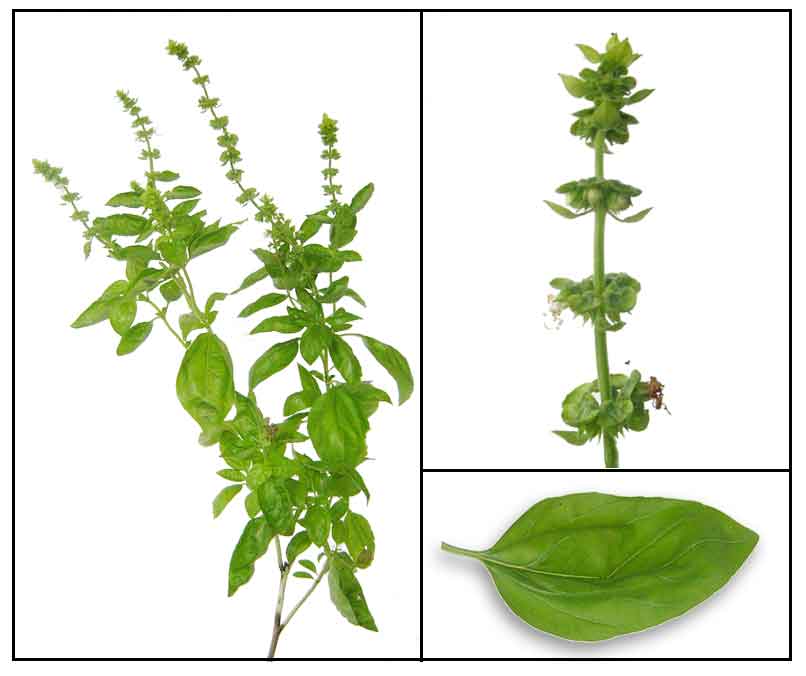
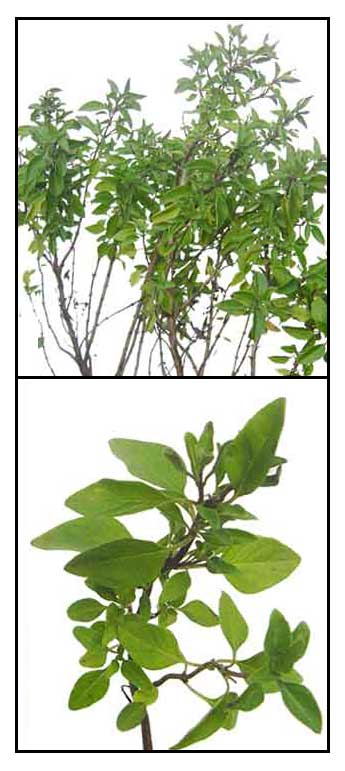
Balanoy is an erect, branched
branched, smooth, somewhat hairy, and very aromatic undershrub, growing 0.5 to 1.5 meters high. Leaves are simple, opposite, ovate to oblong-ovate,
entire or slightly toothed, with acute tips and glandular spots on the
lower surface. Flowers are pink or purplish and borne in racemes which are 8 to 15 centimeters long. Calyx of the individual flower or floret is strongly
reflexed, the upper lobe round, the lower two narrowly lanceolate and
acuminate, and the lateral ones ovate. Corolla bilabiate, exerted, and
upper lip broader, subequally 4-fid, the lower lip entire. Petals pink
or purplish, stamens exserted. Fruits are nutlets, smooth or somewhat rugose.

Distribution
- Native to the Philippines.
-
Found throughout the Philippines in settled areas at low and medium altitudes., 0-450 m.
Often spontaneous in open waste places.
- Also native to
Andaman Is., Assam, Bangladesh, Bismarck Archipelago, Borneo, Cambodia, China South-Central, China Southeast, East Himalaya, India, Jawa, Laos, Lesser Sunda Is., Maluku, Myanmar, Nepal, New Guinea, Nicobar Is., Queensland, Sri Lanka, Sulawesi, Sumatera, Taiwan, Thailand, Vietnam, West Himalaya, Western Australia. (28)
Cultivation
Grows well in open areas with moist, well-drained and friable soil.
Occasionally cultivated throughout the Philippines. Common garden plant.
It flowers all year round. The plant is deeply rooted. Prefers
warm and moist habitat, sensitive to dryness. Soil should be well-drained,
and rich in humus to produce higher yields. Use seeds for propagation.
 Constituents Constituents
• The dried leaves contain 0.21–1%
essential oil, the major compounds of which are linalool and methyclaviol.
• Flowers yield 0.4% of volatile oil.
• The Algiers oil contains cineol, linalool and estragol. The Javan variety contains eugenol, ocimene, and pinene Oil from Reunion contain d-d--pinene, cineol, d-camphor, methyl clavicol, and linalool. Seychelles oil contain methyl chavicol and anethol.
• Some of the other compounds are: caffeic acid, p-coumaric acid,
p-cymene, limonene, 1,8-cineole, methyl cinnamate, myrcene, quercetin,
rutin, tryptophan, safrole.
• Study yielded 14 different anthocyanins: 11 cyanidin-based pigments
and 3 peonidin-based pigments.
• Study of essential oil constituents yielded a total of 49 components. The main components were methyl eugenol (78.02%), α-cubebene (6.17%), nerol (0.83%), and e-muurolene (0.74%).
• Study of essential oil identified the major components as L- linalool (26.5-56.3%), geraniol (12.1-16.5%), 1,8-cineole (2.5-15.1%), p-allylanisole (0.2-13.8%) and DL-limonene (0.2-10.4%). (See below)
• Study of essential oil yielded
15 constituents: 1,8-cineole, β-ocimene, linalool, L-camphor, methyl chavicol (estragole), eugenol, β-elemene, methyl eugenol, β-caryophyllene, α-humulene, germacrene-D, bicyclogermacrene, γ-candinene, α-amorphene, and β-cubebene. (31)
• Study for essential oil of flowering aerial parts yielded twenty-five constituents. Major constituents were methyl eugenol (39.3%) and methyl chavicol (38.3%), accounting for 98.6% of the total oil. (see study below) (32)
• Phytochemical analysis of ethanolic extract of leaves yielded alkaloids, phenols, tannins, saponins, flavonoids, steroids, and terpenoids.(see study below) (36)
• Screening of ethanolic extract of aerial parts showed the presence of phenolic compounds (5.36%) and flavonoids (1.86%). Rosmarinic acid was the principal phenolic compound (15.74%). (see study below) (39)
• GC-MS study of essential oil from various regions of Saudi Arabia
yielded 39 compounds % of the total chemical composition. Main compounds were ß-linalool (9.12-72.59%) and 1,6-cineole (0.4-10.72%). Methyl chavicol showed highest percentage (44.90%). (43)
 Properties Properties
• Carminative, stimulant, diaphoretic,
expectorant, febrifuge, diuretic, demulcent, mucilaginous, cooling.
• Leaves and flowers considered excitant, diuretic, and stimulant for weak digestion.
• Seeds and flowers considered stimulant, diuretic and demulcent.
• Seeds are mucilaginous and cooling.
• Studies have shown sweet basil to possess analgesic, anti-inflammatory, antimicrobial, antioxidant, anti-ulcer, cardiac stimulant, chemomodulatory, CNA depressant, hepatoprotective, immunomodulatory, hypoglycemic, and larvicidal activities.
Parts utilized
• Leaves, seeds.
• Mature fresh leaves are harvested 2
to 3 months after planting. Leaves are picked leaving the branches
on the plant to allow it to flower and produce seeds for the
next season.
• The leaves are air-dried until they
crumble when crushed with the fingers. Store in amber colored
bottles in a cool, dry place.
Uses
Culinary / Edibility
- The leafy and flowering tops are used as condiment; eaten sparingly
in salads.
- Seeds are sometimes eaten.
- In Kanawar, sometimes eaten mixed in ordinary bread.
- In Bengal, infused in water, used as a refreshing and cooling drink.
Folkloric
- Cough: Expectorant properties - Take infusion or decoction of herb (9-15
gm of dried herb) or tops as tea.
- Leaf juice helpful for expectoration of mucus.
 - Decoction of leaves also used for hiccups, vomiting and nausea. - Decoction of leaves also used for hiccups, vomiting and nausea.
- Gas pains: Decoction of herb as tea helps to expel wind from bowels.
- Ear afflictions: Juice of leaves dropped in ears for earache and dullness of hearing.
- Snake bites: Crush fresh plant and poultice the bitten wound.
- Gonorrhea, using a decoction of the roots and leaves of plants.
- Decoction of leaves used as a wash for ulcers.
- Used for external contusions.
- Used in baths for rheumatic pains.
- For ringworm and insect bites, apply juice of crushed leaves.
- Decoction of herb as wash for skin ulcers.
- For delayed menstruation: take the juice of the leaves with water.
- Seeds are used in treatment of several eye diseases; to soothe pain and inflammation.
- Toothache: Wet small piece of cotton with juice of crushed leaves and
insert into tooth cavity.
- Decoction of seeds used to decrease postpartum pains; the
seeds are mucilaginous.
- Poultice of seeds used for buccal sores.
- Decoction of seeds also used for constipation.
- Acne: Infusion of 3 tsp of dried leaves in 1 cup of boiling water for
20-30 minutes.
- Apply externally or drink decoction of tea or infusion
3 times daily.
- Malays used the leaves as remedy for coughs.
-
Decoction of leaves used after childbirth; juice taken for delayed menses.
- Seeds given as infusion for gonorrhea, diarrhea and chronic dysentery.
- Seeds used as aphrodisiac.
- Seeds, washed and pounded, used in poultices for sores and sinuses; also used internally for habitual constipation and internal hemorrhoids.
Others
• Oils repel insects (limonene, myrcene, camphor, thymol) and
have larvicidal (eugenol and methylclaviol) activity against houseflies
and mosquitoes.
• Malays use it as a scent for clothes.
• In Africa, they are compounded into cosmetics.
Recent uses
- Dizziness: crush enough fresh leaves with your fingers and sniff them.
- Cough: As decoction boil eight tablespoons of fresh leaves in two glasses
of water for 15 minutes or until the liquid is reduced to half. Divide
the decoction into eight parts and take one part, three times a day.
Studies
• Platelet Aggregation Inhibition: Study evaluated an aqueous extract of O. basilicum for effects on platelet aggregation and experimental thrombus in rats. Results showed Ocimum basilicum to possess
dose-dependent inhibitory effect on platelet aggregation induced by ADP and thrombin
resulting in an anti-thrombotic effect in vivo. (3)
• Vasorelaxant / Anti-Thrombin / Anti-Platelet Aggregation: OB extract showed a significant vasorelaxant effect. It also suppressed elevated contractions induced by a hypercholesterolemic diet and inhibited platelet aggregation and reduced thrombin-induced platelet activation. (13)
• Cardiac Stimulant Activity / Aerial Parts: The study evaluated the cardiac effects of extracts
derived from the aerial parts of Ocimum basilicum. Results showed the
alcoholic extract exhibited a cardiotonic effect and the aqueous extract
produced a B-adrenergic effect. (4)
• Antimicrobial Effects / Leaves: Results suggest that O. basilicum leaf extracts
possess compounds with antimicrobial properties against C. albicans
and some bacterial pathogens. (5)
• Anti-dyspepsia: A
Double-Blind Placebo-Controlled study showed Ocimum basilicum seems
to relieve functional dyspepsia in female and young patients with dysmotility. (7)
• Anthocyanins in
Basil : Purple basils are an abundant source of acylated
and glycosylated anthocyanins, a potential source of stable red pigments
to the food industry. (8)
• Antioxidant:
In a study of plants in the Lamiaceae family, the leaves
and stems of Ocimum basilicum displayed the highest antioxidant activity.
(10)
• Antioxidant: In a study evaluating the antioxidant activities of O basilicum and O sanctum using various in vitro antioxidant assays, results showed O basilicum with more antioxidant activity than O sanctum.
• Antiulcer:
Study showed the seed extracts of OB to possess significant
anti-ulcer activity against ethanol-induced ulceration in animal models. (11)
• Wound-Healing Activity / Leaves:
Wounds treated with honey in combination with OB alcoholic
leaf extract and solcoseryl-jelly showed accelerated wound healing compared
to honey alone. (12) Study evaluated the wound healing effect of OB leaves on incised wound of 10 Mus musculus mice.
•
Antiproliferative / Anticancer: A
study on the antiproliferative activity of essential oil from 17 Thai
medicinal plants on human mouth epidermal carcinoma (KB) and murine leukemia
(P388) cell lines. In the KB cell line, Sweet Basil (Ocimum basilicum)
oil showed the highest anti-proliferative activity in the P388 cell
line. The results suggested the potential of Thai medicinal plants for
cancer treatment. (24)
•
Central Properties / Chemical Composition: Study of essential oil in higher doses showed motor impairment. It also exhibited increase in pentobarbitone sleeping time, increase latency in convulsion and incidence of clonic seizures. Phytochemicals yielded the presence of linalool, 1,8-cineol, eugenol, methyl cinnamate, iso-caryophyllene, and a-cubebene as the main components. (25)
• Anti-Inflammatory: Study of Ocimum basilicum crude methanolic extracts exhibited anti-inflammatory activity as evidenced by the inhibition of the key pro-inflammatory cytokines and mediators.
• Anti-Viral: Study of crude aqueous and ethanolic extracts yielded apigenin, linalool and ursolic acid, exhibiting a broad spectrum of antiviral activities, especially against coxsackie virus B1 and enterovirus 71.
• Antibacterial / Antioxidant: Study of ethanol, methanol, and hexane extracts for antimicrobial properties showed both hexane and ethanol extracts inhibited the isolates, the hexane extract showing stronger and broader spectrum of antibacterial activity. The ethanol extract showed more antioxidant activity than standard antioxidant. (17)
• Protective Role in Benzene Induced Hematotoxicity: Study evaluated the protective role of a methanolic leaf extract against benzene-induced hematotoxicity in Swiss albino mice. Results indicated the secondary metabolites of the leaf extract--essential oil monoterpene geraniol and oxidized citral form--showed modulatory effect in cell cycle deregulation and hematological abnormalities. (20)
• Seasonal Variation of Essential Oil: Study evaluated the influence of season on essential oil yield, chemical composition, antioxidant and antifungal activities of O. basilicum oil. Seasonal yield was idiosyncratic. Essential oil extracted in spring showed the highest antioxidant activity. High antifungal activity was found highlighting its potential as a preservative for use in the food and medical industries. (21)
• Optimization of Seed Gum Extraction: Study evaluated the effects of processing factors on water-extracted Basil seed gum. Basil seed is cultivated in large quantities in Iran. The seed shows good amounts of gum with functional properties comparable to commercial food hydrocolloids. (23)
• Memory Retention and Retrieval: Study evaluated a hydroalcoholic extract of green O. basilicum on memory retention and retrieval in mice. Results showed increased memory retention and significantly increased memory retrieval. The memory enhancing effect was attributed to the antioxidant activity of flavonoids, tannins, and terpenoids. (26)
• Hypoglycemic / α-glucosidase and α-amylase Inhibition: Study investigated the in vitro hypoglycemic activity of Ocimum basilicum aqueous extract. Phytochemical screening yielded reducing sugars, cardiac glycosides, tannins, saponins, glycosides, flavonoids, and steroids. Results showed antidiabetic effect through antioxidant and possibly α-glucosidase and α-amylase inhibiting activities. (27)
• Hypnotic / Sleep-Prolonging Effect: Study evaluated the sleep-prolonging effect of Ocimum basilicum. A hydroalcoholic extract increased the duration of pentobarbital-induced sleep and decreased sleep latency. The hypnotic effect was comparable to diazepam. LD50 of HAE was 2.4 g/kg with no effect on viability of neuronal PC12 cells and L929 fibroblast cells. Results showed potentiation of sleeping behaviors without any cytotoxicity. (29)
• Antibacterial / Synergism / Essential Oil in Combination with Antibiotic: Study evaluated the effects of the combination of standard antibiotics and O. basilicum essential oil against bacterial strains Staphylococcus aureus and Pseudomonas aeruginosa. O. basilicum essential oil with standard antibiotics may increase antibacterial activity through synergism. The antibacterial activity of OB essential oil may be associated with linalool. (30)
• Antimicrobial / Essential Oil / Flowering Aerial Parts: Study for essential oil of flowering aerial parts yielded twenty-five constituents. Major constituents were methyl eugenol (39.3%) and methyl chavicol (38.3%), accounting for 98.6% of the total oil. The oil was found active against gram-negative and gram-positive bacteria and fungi. (32)
• Anti-Inflammatory: Study evaluated an ethanol extract of O. basilicum for anti-inflammatory activity on carrageenan induced paw edema in male Wistar rats. Diminished paw inflammation was evidenced by reduction in paw thickness (p<0.001) and MPO activity (p<0.001). The significant decrease in inflammatory reaction induce by carrageenan could be due to its antioxidant effects. (33)
• Oxidative / Anti-Genotoxic / Anti-Inflammatory: Study evaluated the genotoxic, oxidative, and anti-inflammatory parameters from various concentrations of extract of O. basilicum extract. Results showed O. basilicum act as an antioxidant and is rich in polyphenols and flavonoids, as well as rosmarinic acid, all with known antioxidant activity. Study also showed anti-inflammatory activity, probably through an interaction between the inhibition of pro-inflammatory mediator and stimulation of anti-inflammatory cytokines. (34)
• Analgesic / Sedative /
Leaves: Study evaluated the analgesic and sedative effect of different doses of alcoholic leaves extract of O. basilicum in a male rat model. Results of formalin test showed a significant reduction in mean value of nociceptive response in both early and late phase. A dose of 100 mg/kg showed potent sedative effect in pentobarbitone sleeping time test and open field test. (35)
• Antibacterial Against E. Coli / Leaves: Study evaluated the in-vivo antibacterial activity of leaves extract inn rats with diarrhea induced by oral administration of pathogenic E. coli. An ethanol extract of leaves at dose of 200 mg/kbw showed antidiarrheal activity which may be due to secondary metabolite constituents. (see constituents above) (36)
• Antihypertensive / Renovascular Hypertension in Rats: Study evaluated the possible antihypertensive effects of O. basilicum extract in renovascular hypertensive rats. Results showed reduction of systolic and diastolic blood pressure and reduction in cardiac hypertrophy and endothelin (ET)-1. Effects were consistent with an effect on the ET-converting enzyme. (37)
• Nephroprotective in Deltamethrin Induced Nephrotoxicity: Deltamethrin is a pyrethroid insecticide extensively used in pest control but which has showed various toxicity in mammalian animals. Study evaluated the potential protective effect of OB extract on deltamethriin-induced nephrotoxicity in albino rats. Results showed a beneficial impact attributed to its antioxidant effect. (38)
• Cardioprotective Against Isoproterenol Induced Myocardial Infarction / Aerial Parts: Study evaluated an ethanolic extract of aerial parts of O. basilicum on cardiac functions and histopathological changes in isoproterenol-induced myocardial infarction in rats. Extract treatment significantly improved the severe myocardial necrosis and fibrosis and sharp reduction in LV contractility and marked increase in LVEDP seen in the isoproterenol group. The cardioprotective effects may be due to antioxidative activities. (see constituents above) (39)
• Pharmacological and Toxicological Benefits: While Ocimum basilicum is considered an important ingredient in healthy diets, safety concerns have been raised about the promutagens and procarcinogens alkenylbenzenes it contains. From a toxicological perspective, since the tumorigenic potential of alkenylbenzenes is counteracted by other OV constituents such as nevadensin, it can be considered safe for consumption in food and various preparations. Due to the polyphenolic and flavonoidic content, OB can be an ingredient in healthy diets. Study suggests a concentration limit for alkenylbenzenes should be defined and use of plant chemotypes with no or low levels of these alkylbenzenes for the preparation of essential oils should be compulsory. (40)
• Anti-Inflammatory / Leaf Essential Oil: Study of leaf essential oil yielded 2 monoterpenes, 7 oxygenated monoterpene derivatives, 2 sesquiterpenes, a long chain monocarboxylic acid and a triterpene, alpha-amyrin. At 50 µg/ear OBV and OB hexane extract exhibited significant (p<0.05) topical anti-inflammatory effect with edema inhibitions of 50.0 and 6%, respectively. When compared with hydrocortisone, OBV exhibited better anti-inflammatory effect. (41)
• Antimicrobial against Methicillin-Resistant Staphylococcus aureus: Study evaluated the antibacterial activity of major chemical components in a crude extract of OB against MESA isolated from clinical specimens. TLC and column chromatography isolated two major compounds: linalool (1) and 1,8-cineole (2). The crude extract and isolated compounds exhibited excellent antimicrobial activity at dose level of 34.5 mg/disc for disc diffusion method. (42)
• Cytotoxicity / Human Cancer Cell Lines: Study evaluated the cytotoxicity of Cocimum basilicum
against human cancer HL60 cell lines using 3-[4,5-dimethylthiazol-2-yl]-2,5 diphenyl tetrazolium bromide assay. Results showed inhibition of proliferation of HL60s cells in a concentration dependent manner with IC50 of 45.67 µg/ml. (44)
• Silver Nanoparticles
/ :Leaves: Study reports on the eco-friendly green synthesis of silver nanoparticles using an aqueous extract of O. basilicum as reducing agent. (45)
• Therapeutic Phytochemicals for Neurodegenerative Diseases / Antioxidant: Study evaluated the neuroprotective properties of O. basilicum. Rosmarinic acid was quantified in crude hydroethanolic extracts of flower, leaf, and stem using HPTLC. The neuroprotective effects of phenolic-rich fractions of leaf was evaluated on H2O2-induced oxidative stress on SK-N-SH neuroblastoma cells. Pretreatment with EA fraction attenuated cell death induced by H2O2 more than the ethanol fraction and crude extract. Pretreatment with the leaf extract protected rats from scopolamine-induced memory impairment. Results suggest neuroprotective actions possibly associated with its antioxidant properties. (46)
• Hepatoprotective /
Sodium Arsenite-Induced Hepatotoxicity / Leaves: Study evaluated the effects of aqueous and ethanolic leaf extracts of O basilicum on sodium arsenite-induced hepatotoxicity in Wistar rats. Results showed significant (p<0.05) reduction of mean liver and serum y-glutamyl transferase and ALP activities. Treatment before administration of sodium arsenite resulted in attenuation of ALT and AST activities. The hepatoprotective effects of O. basilicum may be linked to their antioxidant activities. (47)
• Antihyperglycemic
/ Leaves: Study evaluated the antihyperglycemic effect of methanol-dichlormethane leaf extract of O. basilicum in alloxan induced diabetic rats. Results showed extracts and fractions caused a significant (p<0.05) reduction in blood glucose of alloxan diabetic rats. In normal rats, the extract did not reduce blood glucose level but suppressed postprandial blood glucose. Phytochemical screening of extract and fractions yielded carbohydrate, glycosides, reducing sugars, resins, saponins, steroids, and terpenoids. (48)
• Antiepileptic / Leaves: Study evaluated the antiepileptic effect of O. basilicum in pentylenetetrazole (PTZ) induced epilepsy model in mice. The hydroalcoholic extract at dose of 250 mg/kg dose showed dose-dependent antiepileptic activity. (49)
• Aroma Content of Leaves / Effect of Light Reflected from Colored Mulches: Study evaluated the effect of different colors reflected from soil surface to developing leaves and its influence on concentrations of volatile compounds. Study for volatile compounds isolated 26 compounds of which terpenoids linalool and 1,8-cineole comprised more than 50% of total yield. Concentration of volatile compound from leaves that developed over green, blue, yellow, white and red mulches followed the same pattern as dried leaves of the same cultivar. The concentration of volatile compounds from fresh leaves was about 50-fold higher than those in the previous study of air-dried leaves. (51)
Toxicity concerns
• Although known for its medicinal benefits, it contains some
potentially dangerous compounds: safrole, rutin, caffeic acid, tryptophan
and quercetin. (See: Medicinal Plants for Livestock /
Cornell University)
• Acute and Subchronic Toxicity Studies / Aerial Parts / Hematological effects: Widely used in folk medicine, there have been a few reports of possible toxicity of the plant. Study evaluated the acute and subchronic toxicity of O. basilicum hydroalcoholic extract in Wistar rats. Acute study showed oral LD50 higher than 5000 mg/kg, classifying it as a non toxic substance. In subchronic study, using 50, 200, and 500 mg/kg extract by gavage, hematological results showed reduction in hematocrit, platelets, and RBC in both sexes. No abnormalities were observed in other parameters. Results suggest the hematologic system could serve as target organ in oral toxicity of the plant. (54)
• Methyleugenol: Studies have suggested that basil plants at preferred growth stages possess higher concentrations of methyleugenol, which is considered toxic due to its structural resemblance to carcinogens such as estragole and safrole. (54) Ocimum basilicum cv. Genovese Gigante is the basil cultivar most used in the production of Italian sauce called pesto. Plants analyzed 4 and 6 weeks after sowing showed methyleugenol and eugenol as main components. Content of the compounds was correlated with plant height rather than plant age. Particularly, methyleugenol was predominant in plants up to 10 cm in height, whereas eugenol was prevalent in taller plants. Results are important in evaluation of risk to human health by dietary consumption of methyleugenol contained in pesto. (55)
Availability
Wild-crafted.
Cultivated for condiment and culinary use. |