Gen info
- Myrtaceae, the myrtle family, is a family of dicotyledonous plants within the order Myrtales.
- The family Myrtaceae probably arose between 60 and 56 million years ago (Mya) during the Paleocene era. The family is estimated to include about 5,950 species in about 132 genera.
(96)
-
Psidium is a genus of trees and shrubs in the family Myrtaceae, It is native to warmer parts of the Western Hemisphere (Mexico, Central and South America, the West Indies, Galapagos, and the southern United States). (95)
- Genus was first described by Linnaeus in 1739.
- The most commonly cultivated species is the common
guava, {Psidium guajava) (95)
- Pollinated mainly by the common honey bee, Apis mellifera.
- Etymology:
The common name guava derives from Arawak guayabo, "guava tree". via the Spanish guayaba. Another term is peru, derived from pear. In the Indian subcontinent and Middle-East, guava is called amrood, likely a variant of armoot meaning "pear" in Arabic and Turkish languages.
Botany
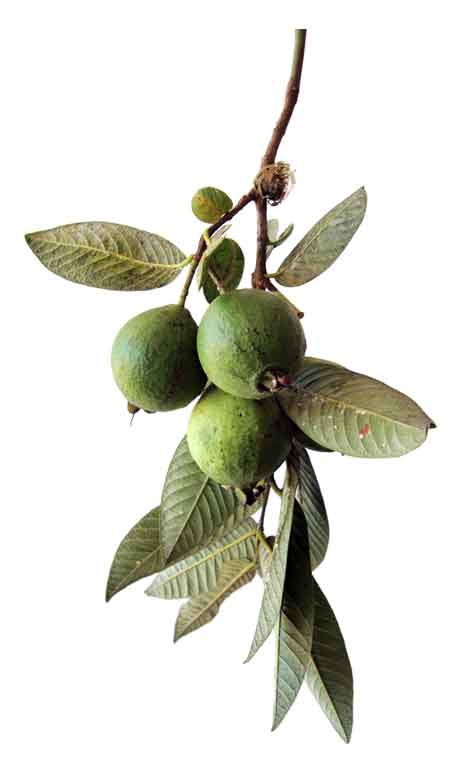
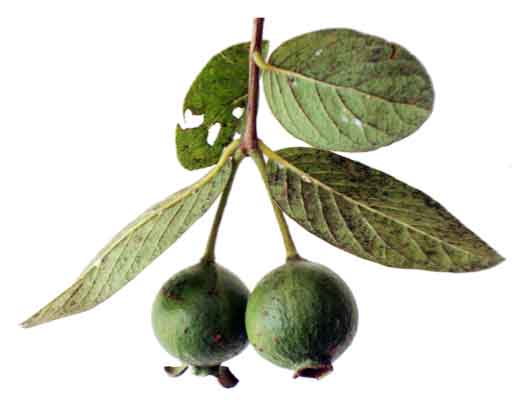
• Bayabas is a somewhat hairy plant reaching a height
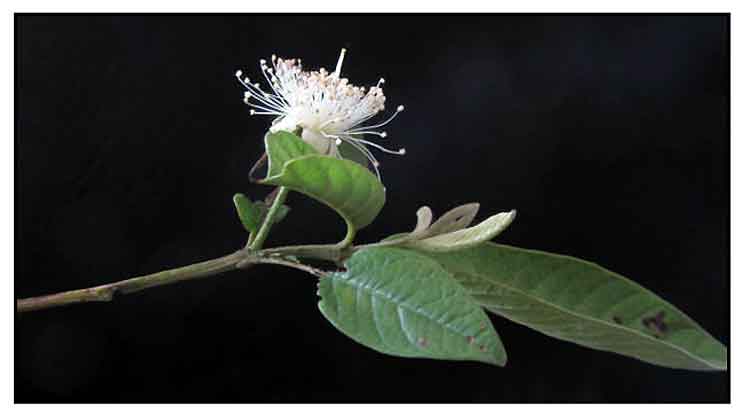
of 8 meters. Young branches are 4-angled. Leaves are opposite, oblong to elliptic, and 5 to 1 centimeters long, the apex being pointed, and the base usually rounded. Peduncles are 1- to 3-flowered. Flowers are white, 3 to 3.5 centimeters across, with
in-curved petals, coming out solitary or two to three
in the leaf axils. Numerous stamens form the attractive part
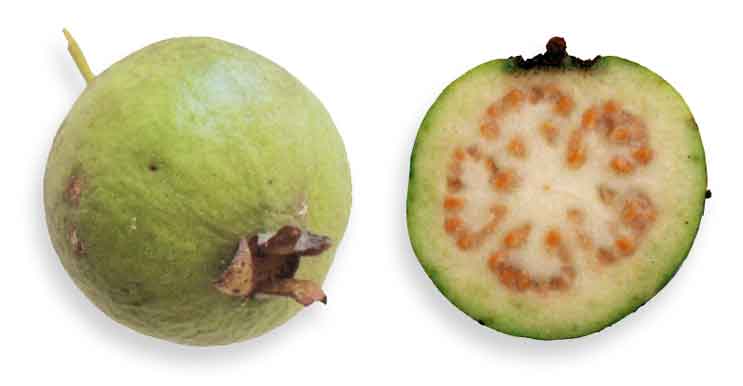
of the flower. Inferior ovaries develop into round or obovoid green fruits 4 to 9 centimeters long,
turning yellow on ripening and have edible, aromatic, seedy
pulp.
Distribution
- Thoroughly naturalized.
-
Widely distributed throughout the Philippines in all islands and provinces.
- In thickets and secondary forests, low elevation up to 1500 m.
-
Common in backyards and settled areas.
- In
thickets and secondary forests at low altitudes, ascending to at least 1,500 meters.
- Introduced from tropical America.
- Pantropic in distribution.
- In some tropical countries,
it can become invasive. It has become a major problem in the Galapagos Islands. (94)
 Constituents Constituents
- Phytochemical screening yielded alkaloids, flavonoids, glycosides, polyphenols, reducing compounds, saponins and tannins.
- Leaf products have isolated more than 20 compounds, including alkaloids, anthocyanins, carotenoids, essential oils, fatty acids, lectins, phenols, saponins, tannins, triterpenes, and vitamin C.
- Leaves contain a fixed oil (6%) and volatile oil (0.365%).
-
Fixed oil, 6%; volatile (essential) oil, 0.365%; eugenol; tannin 8-15%;
saponins; amygdalin; phenolic acids; malic acid; ash, aldehydes.
- Fruit contains "glykosen" 4.14 to 4.3%, saccharose 1.62 to 3.4 %, protein 0.3%, etc.
- Bark contains 12 to 30% tannin. Roots are also rich in tannin.
- Contains catequinic components and flavonoids.
- Major constituents of leaves are tannins, ß-sitosterol, maslinic
acid, essential oils, triterpenoids and flavonoids.
- Chloroform-methanol extracted lipids of guava seeds was 9.1% on a dry weight basis. Analysis yielded 12 fatty acids, with a pattern similar to cottonseed oil. Protein content of seeds was 9.73% on a dry weight basis.
(26)
- Phytochemical screening yielded flavonoid, tannin, terpenoids and steroids from the leaves, and saponins, flavonoids, terpenoids and steroids from the bark. (see study below) (43)
- Preliminary phytochemical analysis of powdered leaves by four solvent extracts (H20/H, EtOH/E, CHCl3/C, and Benzene/B) yielded flavonoids (CB), terpenoids (HEC), quinones (E), oil and fat (HECB), phenols (HECB), starch (ECB), protein (E), carbohydrate (HECB), cellulose (HECB). (47)
- GC-MS analysis of fruit yielded
65 compounds. Major constituents were α-pinene, 1,8-cineole, β-caryo- phyllene, nerolidol, globulol, C6 aldehydes, C6 alcohols, ethyl hexanoate and (Z)-3-hexenyl acetate. Unique fruit flavor was attributed to the presence of C6 aldehydes, C6 alcohols, ethyl hexanoate, (Z)-3-hexenyl acetate, terpenes and 1,8-cineole. (57)
- GC-MS analysis of leaves for bioactive components yielded alpha - bisabolol, 1, 2- benzenedicarboxylic acid, hexadeca-2, 6, 10, 14-tetraen, caryophyllene, bis (2-ethylhexyl) phthalate, nerolidol and germacrene. (70)
- Ethanolic and aqueous extract of leaves yielded tannin, phlobatannins, saponin, flavonoids, steroids, terpenoids, triterpenoids, carbohydrate, polyphenol and glycoside. From leaf powder, phenol yield was 9.33 mg/gm, tannin 4.30 mg/gm, flavonoids 6.42 mg/gm, and saponin 3.67 mg/gm. (70)
- Study of leaves yielded five constituents: one new pentacyclic triterpenoid guajanoic acid, 3β-p-E-coumaroyloxy-2α-methoxyurs-12-en-28-oic acid (1) and four known compounds: ß-sitosterol (2), uvaol (3), oleanolic acid (4), and ursolic acid (5). (75)
- Main constituents of guava leaves are phenolic compounds, isoflavonoids, gallic acid, catechin, epicatechin, rutin, naringenin, kaempferol. Pulp is rich in ascorbic acid, carotenoids (lycopene, ß-carotene, and -cryptoxanthin). Seeds and bark yielded glycosides, carotenoids and phenolic compounds. (77)
- Analysis of guava leaf hexane fraction of leaves yielded
60 compounds, including ß-eudesmol (11.98%), α-copaene (7.97%), phytol (7.95%), α-patchoulene (3.76%), ß-caryophyllene oxide (3.63%), caryophylla-3(15),7(14)-dien-6-ol (2.68%), (E)-methly isoeugenol (1.98%), α-terpineol (1.76%), and octadecane (1.23%). (see study below) (79)
Properties
- Bark and leaves are astringent and vulnerary.
- Studies have suggested antibacterial, antifungal, antioxidant, antihypertensive, antidiarrheal, hypoglycemic, antitumor, trypanocidal, antiproliferative, antispasmodic, hypocholesterolemic, hypoglycemic, hepatoprotective, anti-solar, gastroprotective, analgesic, antipyretic, hematopoietic, anti-plaque, nephroprotective, immunomodulatory properties.
Parts
utilized
Leaves, bark, fruit, flowers, roots.
Uses
Edibility / Nutrition
-
Well known for its edible fruit.
-
Fruit can be eaten raw or processed into beverages, ice cream, syrup, jellies and jams.
- Ripe fruit is eaten as vegetable and used as seasoning for native dishes, like sinigang, etc.
- Very high in vitamin C (80 mg in 100 gm of fruit) with large amounts
of vitamin A.
 Folkloric Folkloric
- In the Philippines, the astringent, unripe fruit, the leaves, bark cortex, and roots - though more often the leaves only - are used in decoction for washing ulcers and wounds.
- Chewed or macerated leaves applied to circumcision wound for prevention or cure of infection.
-Fresh leaves used for wounds and toothache.
- Decoction or infusion of fresh leaves used for wound cleaning to prevent
infection and to facilitate healing.
- Warm decoction of leaves for aromatic baths.
- For pasma, the salt residue from home ice-cream
makers is mixed with water and bayabas leaves, boiled and used as a
healing wash to the extremities.
- Decoction of bark and leaves used for diarrhea.
- For diarrhea, boil for 15 minutes 4 to
6 tablespoons of chopped leaves in 18 ounces of water. Strain and cool.
Drink 1/4 of the decoction every 3 - 4 hours.
- Bark used internally for chronic diarrhea of children and adults - half an ounce of the bark or root bark in six ounces of water is boiled down to 3 ounces, and given in teaspoon doses. Also used for prolapsus ani of children.
 - Decoction of rootbark also used as mouthwash for swollen gums. - Decoction of rootbark also used as mouthwash for swollen gums.
-
Root-bark has been recommended for chronic diarrhea.
- For toothache, chew 2-3 young leaves and
put into the tooth cavity.
- In India, water decoction of leaves used for treatment of jaundice.
- In Mexico, decoction of leaves used for cleaning ulcers. Ground leaves used as poultice. Leaves also used as remedy for itches. Fruit also used as anthelmintic.
- In Uruguay, decoction of leaves used as vaginal and uterine wash, especially in leucorrhea.
- In the West Indies, decoction of young leaves and shoots used as febrifuge and for antispasmodic baths. Infusion of leaves used for cerebral affections, nephritis, and cachexia. Pounded leaves used locally for rheumatism; extract used for epilepsy and chorea.
- In Costa Rica, decoction of flower buds used for diarrhea and to improve blood flow.
- In African folk medicine, leaves used for treatment of diarrhea.
- For gum swelling, chew leaves or use the
leaf decoction as mouthwash 3 times daily; chewed leaves.
- For skin ulcers, pruritic or infected wounds:
Apply decoction of leaves or unripe fruit as wash or the leaf poultice
on the wound or use the decoction for wound cleansing.
- Guava jelly used as heart tonic; also for constipation.
- Ripe fruit is used as aperient.
- Water in which the fruit is soaked used for diabetes.
- In a, used as a chewing stick for oral care.
- In Nicaragua, P. guajava is a traditional treatment for Giardia-induced diarrhea.
- For nosebleeds, densely roll the bayabas leaves and place into the nostril
cavity.
- As vaginal wash, warm decoction of leaves
as vaginal wash (after childbirth) or douche.
 Others Others
- Wood: Resistant to insect and fungal attack. Density of oven-dried wood is about 670 kg/m3 (1,130 lb/cu.yd). Found suitable for for use as roof trusses in Nigeria. (94) Suitable for carpentry, turnery,
fuel or charcoal. A favorite rural use for tool handles and slingshots.
- Cooking: In Hawaii, the wood is commonly used for smoking meat.
- Cosmetics: Leaf extracts used in skin whitening products.
- Toothbrush au-natural: Bayabas twigs,
chewed at the ends until frayed, used as alternative for toothbrushing
with whitening effect.
- Soap: Inspired by the folkloric use of bayabas leaves for wound healing and treatment of acne, study reports on making soap out of boiling bayabas leaves and mixing the extract with sodium hydroxide, oil, and water. (46)
- Scent: Used in many shampoo products for its scent. (94)
- Fodder: Leaves sometimes used as fodder.
- Legend: A Philippine legend tells of the guava fruit rooted in the story of a cold-hearted king called Barnabas, who lived in prosperity but ruled the starving and suffering people with greed and miserliness. He refused to share his food with a beggar lady—or an orphan boy—and turned them away. Soon after, he became quite ill and died. Where he was buried, a strange fruit-bearing plant grew, with crown-like shapes on top, reminding them of the king. Sour at first, the fruit ripened to sweetness, and helped the people in their plight of starvation. Growing from the grave site of Barabas, the tree was initially named Barabas, which was later called bayabas. (97)
Studies
• Assessment of two medicinal plants, Psidium
guajava L. and Achillea millefolium L., in in vitro and in vivo assays:
Study on the cytotoxicity and mutagenicity of the plants provide info
on its safety for use as therapeutic agents. (1)
• Antihypertensive / Antidiarrheal: In the study, P guajava leaf extracts was more active than D mespiliformis in their antagonistic effects on caffeine-induced calcium release from the sarcoplasmic reticulum of rat skeletal muscle. Results might explain their use as antihypertensive and antidiarrheal
agents in traditional medicine through an inhibition of intracellular
calcium release.
• Antidiarrheal / Quercetin: Quercetin is a main active constituent. Spasmolytic and antidiarrheal effects are attributed to quercetin-derived flavonoids and glycosides.
• Hypoglycemic / Hypotensive: The leaf of Psidium guajava is used extensively in African
folk medicine. The study shows that the aqueous leaf extract of P. guajava
possesses hypoglycemic and hypotensive properties and provides pharmacological
credence to the folkloric use of the plant for type-2 diabetes and hypertension
in some rural African communities. (6)
• Microbicidal / Antidiiarrheal: Microbicidal
effect of medicinal plant extracts (Psidium guajava Linn. and Carica
papaya Linn.) upon bacteria isolated from fish muscle and known to induce
diarrhea in children: Study concludes that guava sprout extracts is
a feasible treatment option for diarrhea caused by E. coli or S. aureus-produced
toxins, with quick curative effect, easy availability and low cost.
(14)
• Antimicrobial / Leaves: Aqueous extracts of leaves have shown antimicrobial activity against
Shigella spp., Vibrio spp., S aureus, B-strep, E coli, P aeruginosa
and B subtilis.
• Guava Extracts and Radiolabelling:
Study showed aqueous PG extract could present antioxidant action and
affect membrane structures in ion transport altering radiolabelling
of blood constituents with Technitium (Tc99m) and precautions applied
to nuclear medicine procedures on patients using guava extracts. (8)
• Antidiabetic:
Study of extract of leaves of PG showed to possess antidiabetic effect
in type 2 diabetic mice model, the effect in part, mediated via the
inhibition of PTP1B (protein tyrosine phosphatase 1B). (9)
• Trypanocidal:
Study showed that PG leaf extract possessed trypanocidal properties
attributed to broad antimicrobial and iron chelating activity of flavonoids
and tannins. Iron chelation was suggested as a effective way of killing
trypanosomes. (10)
• Antitumor:
Study showed P guajava extracts to be efficacious in preventing tumor
development by depressing Tr cells (regulatory). (11)
• Radical Scavenging: Study showed extracts from distilled water, 65% ethanol and 95% ethanol with significant dose-dependent effects on scavenging hydroxyl radicals and inhibiting lipid peroxidation. Flavonoids may be one of the antioxidative components. (12)
•
Antiproliferative / Anticancer / Leaf Oil: A
study on the antiproliferative activity of essential oil from 17 Thai
medicinal plants on human mouth epidermal carcinoma (KB) and murine leukemia
(P388) cell lines. In the KB cell line, Psidium guajava leaf oil showed
the highest anti-proliferative activity, more than 4x more potent than
vincristine. The results suggested the potential of Thai medicinal plants
for cancer treatment. (13)
•
Spasmolytic / Leaves: A morphine-like spasmolytic action involving the inhibition of acetylcholine release and the transmural transport of electrolytes and water has been reported as possible modes of antidiarrheal action of P guajava leaf extracts. The extract also inhibited the growth of causative agents for enteric fever, food poisoning, dysentery and cholera.
•
Antispasmodic: In a
study of acute diarrheic disease, a phytodrug developed from guava leaves, standardized with its quercetin content, exhibited a decrease in the duration of abdominal pain. (15)
•
Antioxidant / Hypocholesterolemic: A study done to determine the effects of guava consumption on antioxidant status and lipid profile in normal male youth showed a significant increase in level of total antioxidants and reduced oxidative stress and also increase the level of HDL cholesterol significantly. (16)
•
Anti-Ulcer / Leaves: Study showed rats pretreated with P guajava extract from fresh tender leaves showed antiulcer activity in aspirin-induced gastric ulcer model with a significant reduction of ulcer index, pepsin activity, free and total acidity, volume and mucus content of gastric juice. (17) Study investigated the anti-ulcer activity of methanol extract of leaves on ethanol-induced gastric ulceration in adult Wistar rats. Acute toxicity study up to a dose of 2,000 mg/kbw showed no mortality nor physical signs of toxicity. Results showed dose dependent decrease in ulcer indices. (73)
•
Antibacterial: Study evaluated the antibacterial activities of aqueous and ethanol-water extracts from leaves, roots and stem bark of P. guajava. The AE of leaves roots and stems were active against gram-positive bacteria Staphylococcus aureus and B. subtilis and virtually ineffective against E. coli and P. aeruginosa. The EW showed higher activity than the AE. (19) Study of ethanolic and methanolic crude leaf and bark extracts of P. guajava showed antibacterial activity against E. coli, S. aureus, K. pneumonia, P. aeruginosa, and S. pneumoniae with inhibitory zones ranging from 15-22 mm and 13-20 mm. (72)
• Leaves Extracts / Differences in Hypoglycemic Potential: In a mice model, study showed the water soluble, edible alcohol, and edible alcohol-soluble extracts of wild Psidium guajava leaves may have different hypoglycemic potential. (20)
•
Hepatoprotective / Hematopoietic / Leaves: Study in male and female rats showed the aqueous extract of P. guajava leaves may be hepatoprotective (not hepatotoxic), with hematopoietic potentials. Histopathology showed no adverse effect of hepatic morphological architecture. RBC, Hct, and Hb counts significantly (p<0.05) increased. (21)
•
Anticancer Activity / Review: Review of a limited number of studies revealed guava extracts may have anti-cancer activity. One study tested guava fruit extract against a proliferation of cancer cell lines. One study in mice used a combination of bark, leaf, and root extract to inhibit growth of B16 melanoma cells. (23)
•
Corrosion Inhibition / Mild Steel: Study evaluated the corrosion inhibition behavior of an extract of guava leaves towards mild steel in HCl media. Results showed the extract has good inhibition efficiency (IE) and acts as a mixed-type inhibitor. As extract concentration increases, IE also increases. (25)
•
Hepatoprotective / Leaves: Study evaluated the hepatoprotective activity of P. guajava in CCl4-, paracetamol- and thioacetamide-induced liver injury. Results showed significant reduction of liver enzymes and bilirubin. Higher doses prevented increases in liver weight. (27) Study evaluated the hepatoprotective activity of P. guajava in acute experimental injury induced by carbon tetrachloride, paracetamol or thioacetamine and chronic liver damage induced by carbon tetrachloride. Results showed the aqueous extract of leaves possess good hepatoprotective activity in both acute and chronic liver injury models. (54)
•
Antihyperglycemic / Unripe Fruit Peel: Study evaluated the glycemic potential of an aqueous extract of unripe fruit peel in STZ-induced diabetic rats. Results showed normal, mild, and severely diabetic rat models had hypoglycemic and antidiabetic effect. (28)
•
Analgesic / Antipyretic / Dried Leaves: Study of an ethanol extract produced significant reduction of pyrexia in yeast induced hyperpyrexia and hot plate latency assay. Analgesic activities were observed in early and late phase of formalin induced paw licking tests in rats. (29)
•
Anti-Epileptic / Leaves: Study evaluated the anti epileptic activity of a leaves extract of P. guajava in seizure induced by maximal electroshock and pantaloon territorialize. Results showed the leaves extract at higher and medium doses produced highly significant and sustained increases in onset of convulsions and decrease in rate of convulsion. Activity may be due to presence of flavonoids and saponins. (30)
• Effect in Hyperactive Gut Disorders / Diarrhea and Gut Spasm: Study evaluated the mechanisms responsible for its use in diarrhea and gut spasm. A crude extract showed protection in castor oil-induced diarrhea model, similar to loperamide. In isolated rabbit jejunum preparations, crude extract showed potent effect against high K+ than spontaneous pre-contractions, similar to verapamil. Results indicate the crude extract possesses Ca++ antagonist-like constituent/s to explain its inhibitory effect on gut motility. (31)
•
Antibacterial / Leaves and Essential Oil: Study evaluated essential oils and various leaf extracts of P. guajava for antimicrobial effect. Of the bacteria tested, Staphylococcus aureus strains were most inhibited, with the methanol extract showing greatest bacterial inhibition. Essential oil extract showed inhibitory effect against S. aureus and Salmonella spp. (32)
•
Antibacterial / Infectious Diarrhea: Study evaluated crude decoction and quercetin for antibacterial effect on virulence of common diarrheal pathogens viz. colonization of epithelial cells and production and action of endotoxins. Decoction of P. guajava showed antibacterial activity towards S. flexneri and Vibrio cholerae, with decreased production of E. coli labile toxin and cholera toxin. Its spectrum of antidiarrheal activity is not due to quercetin alone. (33)
•
Antibacterial / Antifungal / Leaves and Bark / Skin Disorders: Study evaluated the effects of P. guajava on organisms responsible for skin disorders. P. guajava solutions of leaf and bark extracts were effective in inhibiting growth of Staphylococcus. aureus and S. epidermis, and fungi Mentagrophytes gypseum and Trichophyton mentagrophytes. Tetracycline as control showed significantly stronger inhibition, which may be due to the fact that it is a pure chemical vs the crude extracts of P. guajava solutions. (34)
•
Wound Healing Potential / Cytotoxic Effects: Study evaluated the wound healing potential in vivo and cytotoxic effects in vitro of P. guajava leaf extract and commonly used corticosteroids. In vitro, the extract caused a decrease in cell viability and growth compared to control and corticosteroids. In vivo, the extract caused acceleration of wound healing. (35)
•
Periodontal Disease / Adjunctive Therapy: Study evaluated the potential of P. guajava in the treatment of periodontal disease. Guava's properties as an excellent antiplaque, antimicrobial, anti-inflammatory, and antioxidant lends to potential applications as adjunct to conventional periodontal therapy. (36)
•
Gastroprotective / Ischemia-Reperfusion Injury: Study evaluated a leaf extract for gastric secretory and protective properties on ischemia-reperfusion (I-R) induced gastric mucosal injury in rats. Results showed gastroprotective properties attributed to stimulation of mucus secretion by the guava extract. (37)
•
Antibacterial / Wound, Skin and Soft Tissue Infections: Study evaluate crude
aqueous extracts of leaves against bacteria associated with surgical wound, burns, skin and soft tissue infections. Results showed potent inhibitory activity against growth of pathogenic Proteus mirabilis, Strep pyogenes, E. coli, Staphylococcus aureus and P. aeruginosa. (38)
•
Hepatotoxic and Hepatoprotective Disease / Erythromycin Induced Liver Damage:Study of aqueous extract of leaves on erythromycin-induced liver damage in albino rats showed hepatoprotective activity at lower dose and hepatotoxic property at higher dose. (39)
•
Anti-Trypanosomal Activity / Leaves: Study evaluated ethanolic extracts of leaves for anti-trypanosoma and cytotoxicity activity in bloodstream species of Trypanosoma brucei brucei (BS427) and HEK293. Results showed inhibition of growth of T. b. brucei, with selectivity index comparing favorably with pentamidine and diminazne. (40)
•
Antidiarrheal Activity / Leaves: Study evaluated an aqueous leaf extract for antidiarrheal activity in experimentally induced diarrhea in rodents. PGE (50-400 mg/kg p.o.) produced dose-dependent and significant (p<0.05-0.01) protection of rats and mice against castor oil-induced diarrhea, inhibited intestinal transit, and delayed gastric emptying. Like atropine, it produced dose-dependent and significant (p<0.05-0.01) anti-motility effect and caused inhibition of castor-oil induced enteropooling. Like loperamide, PGE induced dose-dependent and significant (p<0.05-0.01) delay in onset of castor-oil induced diarrhea, decreased frequency of defecation and decreased severity of diarrhea in rodents. (42) An aqueous leaf extract showed dose-dependent antidiarrheal activity comparable to standard drug Diphenoxylate. Extract reduced intestinal transit time in a charcoal meal test and showed an anti-enteropooling effect comparable to chlorpromazine. (81)
•
Anti-Inflammatory Activity / Leaves and Bark: Study of leaf and bark tannin fraction of Psidium guajava showed significant anti-inflammatory activity in in-vitro models. The anti-inflammatory activity is probably due to the presence of tannin (gallic acid). (see constituents above) (43)
•
Wound Healing / Tannins / Leaves and Bark: Study of P. guajava leaf and bark tannin fraction showed significant effect on wound healing models. A tannin-rich fraction formulated in ointment form showed significant percentage wound protection at tested concentrations. The wound healing activity was attributed to the presence of tannin (gallic acid). (44)
•
Cardioprotective in Diabetes / Antiglycative / Leaves: Study evaluated the antiglycative potential of ethyl acetate fraction of leaves in streptozotocin induced diabetic rats. Results showed a significant decrease in liver alpha 2 macroglobulin, a protein associated with early stages of cardiac hypertrophy. Results suggest the PGEt extract may be beneficial in preventing cardiovascular complications associated with diabetes. (45)
•
Hyperglycemic Effect / Fruit Peels: Study evaluated the glycemic potential of P. guajava fruit peel extract on blood glucose of normal and STZ-induced sub-diabetic female albino Wistar rats. Results showed a hyperglycemic effect from a single oral administration of variable doses of P. guajava fruit peel extract. Results suggest diabetic patients should peel off the guava fruit before consumption. On the other hand, the fruit peel could be useful for hypoglycemia induced by excess insulin or other hypoglycemic drugs. (48)
•
Antibacterial Microcapsules for Cotton Fabric / Leaves: Study prepared antibacterial cotton fabric by using microcapsules containing P. guajava leaf extract. Leaf extract was applied to cotton fabric by direct printing with a binder and assessed for antibacterial activity against E. coli and S. aureus. Results showed cotton fabric finished with microcapsules containing P. guajava leaf extract showed antibacterial activity against S. aureus, but not against E. coli. (49)
•
Testosterone Effect / Contraceptive / Hypolipidemic / Leaves: Study evaluated an aqueous extract of PG leaves on testosterone level and serum lipid parameters in rats. Results showed male fertility regulation with reduction in serum testosterone suggesting significant contraceptive efficacy, together with sizable reduction in weight of organs, i.e., testis, epididymis, prostate and seminal vesicle. (50)
•
Antidiarrheal Activity / Fruits Study evaluated the antidiarrheal potency of ethanolic fruit extract of Psidium guajava using Wistar albino rats. Results showed significant (p<0.05) antidiarrheal activity evidenced by reduction in rate of defecation (78.33% at 600 mg/kg body weight compared to loperamide at 100%). The activity was attributed to flavonoids and tannins probably through denaturation of proteins and forming protein tannates which minimize intestinal mucosal permeability. LD50 of the crude methanolic extract was 10,715 mg/kg. (51)
•
Antioxidant / Antibacterial / Antitumor: Study evaluated the phenolic and flavonoid levels, antioxidant activity, lethality assay, antibacterial and antitumor activities of dried P. guajava extract. The guava extract yielded high levels of phenolics (766.08 ± 14.52 mg/g) flavonoids (118.90 ± 5.47 mg/g) and antioxidant activity (87.65%). LD50 was 185.15 µg/ml. MIC was 250 µg/ml for Streptococcus mutans, S. mitis, and S. oralis. IC50 in HeLa, RKO and Wi cell lines were 15.6 ± 0.8 µg/ml, 21.2 ±1.1 µg/ml and 68.9 ± 1.5 µg/ml, respectively. Results suggest the dry extract of leaves has potential as topical application in the oral cavity, the development of antitumor formulation, and, also as functional food. (52)
•
Sperm Boosting Effect / Leaves: Study evaluated an ethanol extract of P. guajava leaves on serum parameters of healthy male wistar rats. Results showed a dose-dependent increase in percentages of motile spermatozoa in guava leaf extract treated animals.
•
Amelioration of Arsenic Toxicity: Study evaluated the effect of P. guajava leaf extract on arsenic induced biochemical alterations in Wistar rats. Results suggest kidney damage caused by arsenic can be repaired to some extent by AEPG50. (53)
• Antioxidant / Leaves: Study investigated the antioxidant activity of Psidium guajava leaf extract for antioxidant activity by DPPH free radical scavenging method using ascorbic acid as standard. The leaf extract showed strong antioxidant activity. IC50 of the P. guajava extract was 45.5 ± 0.044 µg/mL compared to ascorbic acid standard of 25.8 ± 0.204 µg/mL. (55)
• Antiplaque Activity: Aqueous extracts of P. betle and P. guajava showed profound effect on the ultrastructure of selected dental plaque bacteria viz., Streptococcus sanguinis, S. mitis, and Actinomyces sp. Extracts interfered with normal growth cycle and development of bacterial cells slowing down plaque development. (56)
• Comparative Antidiabetic Activity / Fresh and Dry Leaves: Study evaluated the comparative antihyperglycemic activity of fresh and dry leaves of P. guajava against alloxan-induced diabetic rats. The fresh leaf extract showed significant anti-hyperglycemic activity compared to dry leaves, producing nearly equal reduction in blood glucose compared to that of standard glibenclamide 10 mg/kg. (58)
(58)
• Antioxidant / Antimutagenic / Leaves: Study evaluated various solvent fractions of P. guajava leaf for antioxidant and antimutagenic properties. A methanolic extract showed maximum antioxidant activity comparable to ascorbic acid and BHT as tested by DPPH, FRAP, and CUPRAX reducing ability assays. The methanolic fraction at 80 µg/ml concentration inhibition above 70% mutagenicity. Findings suggest high amount of phenolics responsible for the broad spectrum antimutagenic and antioxidant properties in vitro. (59)
• New Source of Antioxidant Dietary Fiber / Fruit: Study of pulp and peel fractions showed high dietary fiber (48.55-49.42%) and extractable polyphenols (2.62-7.79%). All fractions showed remarkable antioxidant capacity correlating with total phenolic content. Results showed the peel and pulp can be used to obtain antioxidant dietary fiber, a new product which combines dietary fiber and antioxidant compounds. (60)
• Analgesic / Dried Leaves: Study evaluated methanolic and aqueous extracts of dried leaf of P. guajava for analgesic property inn adult male wistar albino rats using formalin and acetic acid induced writhing and hot plate tests. Results showed analgesic property in the order of methanolic < aqueous < combined methanolic and aqueous. (61)
• Hepatoprotective Fruit Polysaccharide Supplementation / Paracetamol Toxicity: Study evaluated the effect of polysaccharide from guava fruit on paracetamol (PCM)-induced liver injury on Sprague-Dawley rats. Results showed PCM induced alterations (glycogen depletion, vacuolization, loss of cell membrane, inflammatory cells infiltration, hepatocellular distortions) were attenuated by PPG supplementation. (62)
• Biocidal Triterpenoids / Betulinic Acid and Lupeol / Leaves: Study isolated two triterpenoids viz., betulinic acid and lupeol from the leaf extract of P guajava. The two compounds were found active against all tested bacteria and fungi. Compound 1 showed better antimicrobial activity compared to compound 2. (63)
• Nephroprotective / Doxorubicin Induced Renal Toxicity / Leaves: Study investigated the protective effect of ethanolic extract of P. guajava leaves against doxorubicin-induced nephrotoxicity in rats. Results showed amelioration of doxorubicin-induced toxicity at 100 and 300 mg/kg dose of ethanolic extract. (64)
• Silver Nanoparticles / Antibacterial / Leaves: Study reports on a simple, rapid, cost-effective, and environment friendly method for the synthesis of silver nanoparticles using guava leaf extract. The nanoparticles showed antibacterial activity against Pseudomonas aeruginosa. Results showed promise as an alternate antibacterial agent in the field of agriculture for large-scale production. (65)
• Immunostimulatory Ingredient / Leaves: Study evaluated a leaf extract and water and ethanol solvents as functional ingredient for immunostimulant. Results showed a high content of total phenols in the extract, with higher stimulation index value in both solvents. The immunostimulatory activity was probably another active compound other than the polyphenolic antioxidant. (66)
• Antifungal
/ Fungistatic / Leaves: Study evaluated aqueous and hydroethanolic extracts of leaves to verify antifungal potential. Liquid chromatography demonstrated flavonoids and phenolic acids. Extracts showed fungistatic effect with MIC >8192 µg/mL, MFC above 8192 µg/mL. IC50 ranged from 1803.02 to 5623.41 µg/mL. Study suggests teas and tinctures have antifungal potential through inhibition of fungal multiplication, virulence factor, and cell dimorphism preventing tissue invasion. (67)
• Inotropic / Leaves: Study evaluated a crude extract from macerated dry leaves of P. guajava on its effect of guinea pig atrial contractility Results showed reversibly decreased myocardial force in a concentrated-dependent fashion, suggestion of decrease in cellular inward calcium current, increased relaxation time, and an inotropic effect abolished by cholinergic receptor blockade. Study suggests leaf extracts depress myocardial inotropism. (68)
• Inhibitory Effect of Active Cutanenous Anaphylaxis Reaction / Leaves: Study showed the inhibitory effects of ethanolic extract of leaves on active cutaneous anaphylaxis reaction induced by ovalbumin in rats. Histopathologically, EEPG lead showed an inhibitory effect on mast cell degranulation process. (69)
• Mouthwash for Aphthous Ulcers / Clinical Trial / Leaves: Randomized prospective open label clinical trial evaluated the effect of P. guajava leaves as mouthwash in the management of 32 patients with aphthous ulcers. Guava leaves mouthwash was shown to be effective for aphthous ulcers in terms of reduction of symptoms of pain and faster reduction of ulcer size. (71)
• Activity of Leaf Extracts on Bacterial Pathogens Causing Diarrheal Infections: Study investigated the antibacterial property of leaves extract against diarrhea-causing bacterial pathogens. Results showed the methanol extract of guava leaves could serve as potential source of drugs fro control of diarrheal infections. (74)
• Interaction with Receptor Systems / Leaves: Study evaluated an aqueous leaf extract of P. guajava on receptor systems using isolated rat ileum, gastric fundus, and trachea, respectively. Results showed (1) concentration-dependent contractile response indicating agonistic activity on muscarinic and serotonergic systems, (2) relaxant effect of PC on carbachol induced pre-contracted rat tracheal chain indicating agonistic action on adrenergic receptor system. Study concludes PG possesses agonistic action on muscarinic, serotonergic, and adrenegic receptor systems. (76)
• Antioxidant / Antiglycative / Antidiabetic / Leaves: Study evaluated the antioxidant and antiglycative potential of ethyl acetate fraction of guava leaves. Oral administration of the extract showed a significant decrease in blood glucose level. It also showed improved antioxidant potential as evidenced by decreased lipid peroxidation and significant increase in activity of various antioxidant enzymes such as catalase, superoxide dismutase, glutathione peroxidase and glutathione reductase. Glycated hemoglobin and fructosamine, indicators of glycation, were significantly reduced in the treated groups. (78)
• Anticancer
/ Prostate Cancer / Leaves: Study evaluated the anticancer effects of guava leaves and its ability to suppress constitutive AKT/mammalian target of rapamycin (mTOR)/ribosomal p7) S6 kinase (S6K1) and mitogen-activated protein kinase (MAPK) activation pathways in human prostate cancer cells. Results showed the guava leaf hexane fraction was the most potent induces of cytotoxic and apoptotic effects in PC-3 cells. Overall, study suggests that guava leaves can interfere with multiple signaling cascades linked with tumorigenesis and offers a potential source of therapeutic compounds for prevention and treatment of cancer. (see constituents above) (79)
• Wound Healing Effect / Ointment Formulation / Leaves: Study evaluated the wound healing ability of guava extract ointment formulation in comparison to Fucidin and Topiderms on wounds made on male ICR mice using. Results showed wound healing activity, although slower capacity compared to Fucidin and Topiderm. Study suggests an increase in leaf extract concentration. (80)
• Radiomodulatory Against X-ray Induced Genotoxicity, Oxidative Stress and Apoptosis / Leaves: Study evaluated hydroalcoholic leaf extracts for radioprotective activity in rats exposed to X-rays. Results suggest the guava leaf extract has radiomodulating activity in vivo due to its powerful antioxidant activity in vitro and has potential as antioxidant supplement to minimize the damaging effects of radiation, preventing DNA damage and apoptosis. (82)
• Antimicrobial Effect / Enteric Pathogens: Study evaluated various solvent extracts of leaves for antimicrobial activity against nine enteric pathogens viz., E. coli, S. typhi, S. paratyphi A and B, S. sonnei, S. dysenteriae, Enterobacter spp., Citrobacter spp., and Klebsiella spp. An EE showed highest antimicrobial activity against Salmonella paratyphi A, a ME against Citrobacter spp, an diethyl ether extract against Klebsiella spp., and an acetone extract against Shigella dysenteriae. (83)
• Hyperglycemic / Peel: Study has shown the fruit extract to have hypoglycemic effect in alloxan treated mice and human subjects. This study evaluated the glycemic potential of P. guajava fruit peel extract on blood glucose level of normal and STZ-induced diabetic rats using FBS and GTT tests. Results showed fruit peel extract to have a hyperglycemic effect. The hyperglycemic effect of the fruit peel advises that diabetic patients should peel off the guava fruits before consuming. Study suggests possible use in controlling hypoglycemia due to excess of insulin or other hypoglycemic drugs. (84)
• Antihyperglycemic / Leaves: Study evaluated the effect of aqueous and ethanol soluble solid extracts of guava leaves on hypoglycemia and glucose metabolism in T2 diabetic rats. Acute and long-term feeding tests showed a significant reduction in blood sugar in diabetic rats fed with the extracts of guava leaves (p<0.05). Long-term administration increased plasma insulin level and glucose utilization in diabetic rats. there was also higher activities of hepatic hexokinase, phosphofructokinase and G6PD in diabetic rats fed with aqueous extracts. (85)
• Anti-Solar Activity
/ Leaves: Study evaluated the anti-solar activity of P. guajava aqueous extract from pulverized dried leaves. Photo-protective activity was evaluated using UV visible spectrophotometry. The UV scanning absorption spectra of the extract showed very strong absorption at 0.279A with max at 268 nm. Results suggest an ability to absorb the entire UV range. Activity was attributed to flavonoids. The anti-solar activity suggests potential utility in anti-solar formulations and a cheaper and safe alternative to chemical sunscreens. (86)
• Antimicrobial / Periodontal Disease / Leaves:Study evaluated the inhibitory effect of ethanolic (EGE) and aqueous (AGE) guava leaf extracts on Porphyromonas gingivalis and Aggregatibacter actinomycetemcomitans, and assessed its antiproteolytic activity on P. gingivalis. Results sowed significant activity against the periodontal pathogens and suggests potential therapeutic agent against periodontitis. (87)
• Antifungal / Fruits and Leaves: Study evaluated the antifungal activities of ethanolic, methanolic, ethyl acetate and hot water extracts from leaves and fruits of P. guajava against four fungal species i.e., M. canis, T. rubrum, A. niger, and C. albicans. The methanolic fruit extract showed best activity with zone of inhibition of 29 mm against Trichophyton rubrum. Antifungal activity was attributed to tannins, phlobatannins, saponins, terpenoids, alkaloids, and polyphenols. (88)
• Antidiarrheal Mechanisms of Action / Leaves: Study evaluated a hot aqueous extract of dried leaves on parameters associated with pathogenicity of infectious diarrhea, seeking to understand possible mechanisms of action in controlling infectious diarrhea, and comparing it with quercetin. Results suggest components other than quercetin contribute to the antidiarrheal action. Various mechanisms are proposed viz., antimicrobial activity, antispasmodic activity, inhibition of watery secretion and inhibition of acetylcholine release. (89)
• Preferential Inhibition of Bacterial Elastase / Leaves:Study evaluated the inhibitory effect of P. guajava leaf extracts on bacterial elastase from Pseudomonas aeruginosa and human neutrophil elastase (HNE). The methanolic and aqueous extract of leaves inhibited both bacterial elastase and HNE. The inhibition was more potent toward bacterial elastase. The inhibitory effect was attributed to phenolic compounds. (90)
• Anticestodal / Leaves: Study evaluated the anticestodal efficacy of P. guajava leaf extract using experimental Hymenolepis diminuta infection in rats. Results showed reduction in EPG of faeces count in a dose-dependent manner, low recovery of worms remaining in the intestine, and dose-dependent host clearance. In all experimental models, the anticestodal efficacy was significantly comparable with that of praziquantel (PZQ), the standard anticestodal drug. Results support its folkloric medicinal
use in the treatment of intestinal-worm infections in northeast India. (91)
• Increase Platelet Count / Combination of Red Yeast Rice, Red Guava Leaf Extract and Red Guava Fruit: Dengue fever leads to decrease in thrombocytes. Decreased platelet count was induced by quinine to produce a dengue-like thrombocytopenic state. Study evaluated the effect of combination of angkak (red yeast rice), guava fruit juice and guava leaf extract on blood hematology profile of quinine-induced male Sprague-Dawley rats. The highest increase in platelet count (up to 127%) was seen with 400 mg/kbw of angkak combined with guava juice 10 g/kbw per day (p<0.05). Combination of angkak and leaves ethanol extract significant increase erythrocyte count and hematocrit value. (92)
• Anti-Hemolytic Activity / Leaves:Study evaluated an ethanolic leaf extract of P. guajava for the anti-hemolytic activity against H2O2 induced hemolysis in chicken erythrocytes. Results showed moderate anti-hemolytic activity in the range from 12.5% to 43.75% at varying extract concentrations of 20, 40, 60, 80, and 100 mg/ml. (93)
• Industrial Applications: (1) Guajava leaves nanocomposites have been widely studies for decontamination of industrial pollutants. A recent study evaluated an iron oxide (α-Fe2O3-Ag) nanocomposite for decontamination of chromium (VI) ions from water. Another study evaluated the use of leaves as biosorbent for the removal of Brilliant Green (BG). γ-Fe2O3@GL was developed for water purification and was found efficient for absorption of methylene blue. (2) An environmentally friendly and cost-effective CuONPs was biosynthesized using P. guajava leaves and showed antibacterial activity against Gr+ and Gr- bacteria. (3) A novel, eco-friendly cotton gauze fabric was synthesized using guajava leaves powder extract. The outer membrane of Biocompatible microcapsules from guajava leaf powder extract, starch core, and calcium-alginate was found effective for medical uses. (4) A novel eco-friendly and cost-effective material, tungsten oxide nanorods (WO3 NRs) was synthesized using P. guajava leaf extract, found prodigious in photocatalytic degradation of reactive green 19 (RG19) dye. (94)
• Herb-Drub Interactions / Antidiabetic Drugs: Potential for moderate interaction with antidiabetic drugs. Guava might lower blood sugar, and taking guava along with diabetes medications (glimepiride, glyburide, insulin, pioglitazone, rosiglitazone, chlorpropamide, glipizide, etc) might cause blood sugar to go too low. Monitor the blood sugar closely. (100)
• Potential as Natural Cosmetic Material / Skin Whitening / Bioactive Molecules: Study evaluated the use of concentrated P. guajava leaf extract molecules as functional material by confirming the extract's antioxidative, antibacterial, tyrosinase inhibitory, and collagenase inhibitory activity and its trans-2-nonenal removal ability. The leaf extract concentrated with 70% ethanol showed the most effective active molecules. Molecules such as 2,4-di-tert-butylphenol, caryophyllene oxide, and γ-muurolene appeared to have antibacterial activity against S. aureus known to cause atopy. As ethanol content increased, tyrosinase inhibitory activity increased. A 50% ethanol content of concentrated leaf extract removed trans-2-nonenal by 52.4%. The extract showed collagenase inhibitory activity close to that of positive control, ascorbic acid. The leaf extract molecules were confirmed to have whitening and wrinkle-improving functionality. Results suggest high potential as food and natural cosmetic material. (101)
• Antibacterial Against Shigella / Leaves: Study evaluated the efficacy of leaf extracts of guava on enteric bacteria isolated from two wells (W1, W2) prone to faecal contamination in Akure, Nigeria. Antibacterial effects were determined using agar well diffusion method. Shigella and Salmonella were identified. The ethanol leaf extracts exhibited zone of inhibition of 22 mm at 200 mg/ml on Shigella. No zone of inhibition was observed on Salmonella. Phytochemical screening of ethanol and hot distilled water leaf extracts revealed saponin 13.64 mg/g and 59.82 mg/g respectively. Results suggest potential as antibacterial agent against Shigella. (102)
• Leaf Decoction as Antibacterial Mouthwash: Study evaluated the antiseptic effect of guava leaves decoction used as mouthwash for the oral bacterial flora of 17 patients. Results showed significant reduction in the bacterial colony count after use of the leaves decoction as mouthwash. (103)
Availability
- Wild-crafted.
- Supplements, tinctures, teas in the cybermarket. |