Gen info
- Mangroves constitute about 80 families of shrubs and trees inhabiting shorelines and estuaries. They are woody halophytic plants of great economic and ecological importance, providing energy source in the coastal food chain and protect coastal and marine ecosystems against natural calamities such as seawater intrusion and provides for floodwater mitigation. (Pannerselvam el al) (32)
- The genus Excoecaria belongs to the family Euphorbiaceae, at present comprising about forty species, and twice as many moved to other genera. It was formally described by Linnaeus in 1759.
- Etymology: The genus name Excoecaria derives from Latin 'excaeco', meaning "to blind", referring to the poisonous white sap that can cause temporary blindness. Agallocha derives from ancient Greek "agalokhon" referring to the resinous wood exuding the sap.
- In Malay, "buta" means "blind".
 Botany Botany
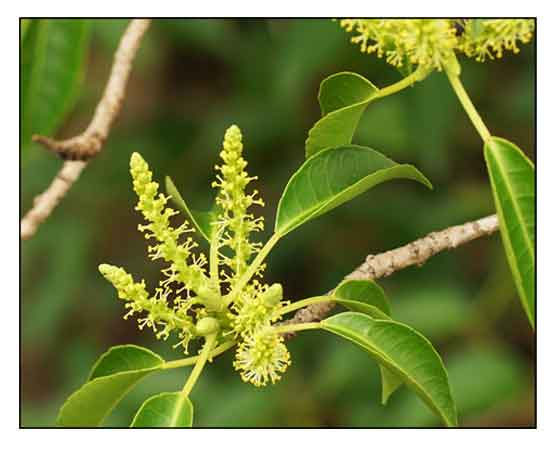
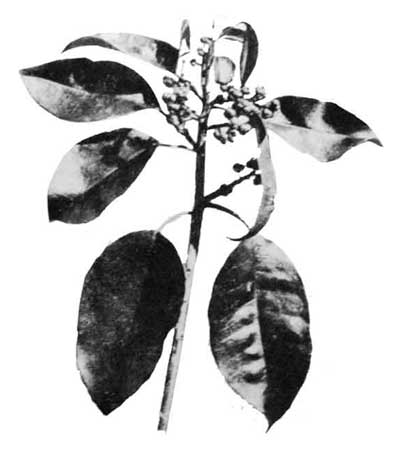
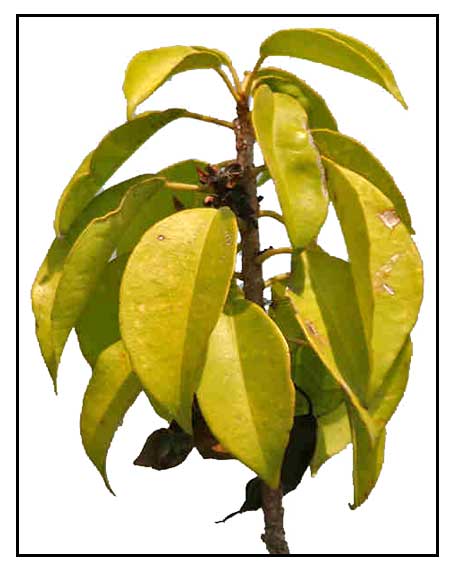
Buta-buta is a tree, usually not more than 8 meters high. Leaves are alternate, shiny, pointed at the top, somewhat rounded at the base, elliptic-ovate, oblong-ovate or ovate, and 6 to 12 centimeters long. Flowers are very small, densely crowded on slender and flowering branches. Male flowers occur on spikes which grow singly in the axils of leaves, from 5 to 10 centimeters long. Female flowers are borne on branches, 2 to 3 centimeters long. Sepals are three with a basal gland within, no petals, with three stamens. Fruits is somewhat rounded, smooth, about 5 millimeters in diameter, with three sections.
Distribution
- Native to the Philippines.
-
Along the seashore or any place reached by salt or brackish water throughout the Philippines.
- Also native to Andaman Is., Australia, Bangladesh, Bismark Archipelago, Borneo, Cambodia, Caroline Is., China, Fiji, Hainan, India, Jawa, Lesser Sunda Is, Malaya, Maluku, Marianas, Myanmar, Nansei-shoto, New Caledonia, New Guinea, Northern Territory, Queensland, Samoa, Santa Cruz, Sri Lanka, Sulawesi, Sumatera, Taiwan, Thailand, Tonga, Vietnam, etc. (23)
 Constituent Constituent
- Study isolated a new oleanane-type triterpenoid and five known pentacyclic triterpenoids.
- Study of hexane extract of the roots of EA isolated eleven diterpenoids, five of which were new – agallochins A-E.
- Study of stems and twigs yielded six triterpenoids including taraxerone (1), beta-amyrin acetate (2), 3beta-[(2E,4E)-6-oxo-decadienoyloxy]-olean-12-ene (3), taraxerol (4), acetylaleuritolic acid (5), and cycloart-22-ene-3beta, 25-diol (6), and three steroids including beta-sitostenone, (24R)-24-ethylcholesta-4,22-dien-3-one, and beta-sitosterol. (14)
- Preliminary screening of various extracts (roots, stem, and leaf) yielded alkaloids, glycosides, flavonoids, carbohydrates, anthraquinone, tannins, phenol, terpenoids, fixed oil and fats. (27)
- Study for chemical constituents yielded twelve compounds identified as:14-taraxeren-3-one (Ⅰ), dibutyl phthalate (Ⅱ), β-amyrin (Ⅲ), 18-oleanen-3-ol (Ⅳ), 18-oleanen-3-one (Ⅴ), phaeophytin A (Ⅵ),betulin (Ⅶ), β-rosasterol (Ⅷ), β-sitosterol (Ⅸ) ,betulinic acid (Ⅹ), oleanolic acid (Ⅺ), ursolic acid (Ⅻ). (30)
- Study of n-hexane extract fraction of methanol extract of leaves yielded three known triterpenoids, taraxer-14-ene-3-one (1), taraxer-14-ene-3α-ol (2), taraxer-14-ene-3β-ol (3) and one known acylated steroid glucoside, stigmast-5-en-3β-yl (6’-O-heptadecanoyl-β-D-glucopyranoside) (4). (35)
- Study of metabolites isolation three new ent-labdane-type diterpenoids, viz., agallochaexcoerins A-C, along with three known compounds. (16)
-
Study of resinous wood of E. agallocha isolated five new labdane-type diterpenes established as ent-13-epi-8, 13-epoxy-2-hydroxylabda-1, 14-dien-3-one (1), ent-13-epi-8, 13-epoxy-14S, 15-dohydroxylabdan-3-one (2), ent-13-epi-8, 13-epoxy-2, 3-secolabd-14-ene-2, 3-dioic acid (3), ent-13-epi-8, 13-epoxy-2, 3-secolabd-14-ene-2, 3-dioic acid 3-methyl ester (4) and ent-13-epi-8, 13-epoxy-2-oxa-3-oxolabd-14-ene-1R-carboxylic acid (5). (40)
- Study of twigs isolated a new 28-nor-oleanane triterpene, 28-nor-olean-2α, 3ß-dihydroxy-14,17-diene-16-one with a rare cyclohexa-2,5-dienone moiety, together with three known triterpenes, i.e., ß-amyrin (2), 3α-O-trans-coumaroyl-betulinic acid (3), 3-acetyl-aleuritolic acid (4). (45)
 Properties Properties
- Milky juice is caustic and poisonous; causing temporary blindness to the eye and blistering of the skin.
- Studies have suggested antioxidant, antibacterial, anti-ulcer, analgesic, anti-inflammatory, antidiabetic, anticancer, antifungal, larvicidal, antitumor properties.
Toxicity
- The common name blind-your-eye mangrove and many other refer to its toxic properties of the
bark of E. agallocha, which yields a poisonous milky latex that can cause temporary blindness or blistering of the skin. (32)
- The latex from E. agallocha contains various phytotoxins, including excoecariatoxins, which are powerful irritants to the eyes, skin, and mucous membranes.
- Criminal use of trunk sap has been reported, including the poisoning of water with dried and powdered leaves.
Parts used
Latex, leaves, roots, bark
Uses
Folkloric
- Latex used in healing of obstinate ulcers.
- Latex used for toothaches; wood for epilepsy; roots for toothaches, inflammation, and swellings.
- Smoke from burning wood used for leprosy.
- In New Guinea and Australia, juice used to cure ulcers and leprosy.
- Decoction of leaves used for epilepsy; also applied to ulcers.
- Roots, less poisonous than above-ground parts, are pounded with ginger and used to make embrocation for swellings of the hands and feet.
- Bark and wood used for flatulence.
- Leaf juice used to reduce blood glucose.
- In India, seed poultice used for crippling arthritis.
- In Bangladesh, stems used for treatment of diabetes.
- In the Solomon Islands, latex mixed with coconut milk is used as powerful purgative and emetic. Oil distilled from the wood used by Malays to treat itching and skin infections. (48)
Others
- Poison: In Southeastern Asia and New Caledonia, used as dart and fish poison. Criminal use of trunk sap has been reported, including the poisoning of water with dried and powdered leaves.
- Wood: Used as charcoal. Not used as fireword because of the unpleasant smoke.
- Crafts: Wood used for carving and making small implements and matchsticks.
Studies
• Pentacyclic Triterpenoids: Study isolated a new oleanane-type triterpenoid and five known pentacyclic triterpenoids. In the study, they were found inactive in vitro against several human cancer cell lines. (1)
• Bioactivity Study / CNS Depressant / Antibacterial: Study on the ethanol extract of the bark showed profound dose-dependent decrease in exploratory activity, a marked sedative effect, and potentiation of sodium-thiopental-induced sleeping time. The extract also showed significant in vitro antibacterial activity against S aureus, S dysenteriae, S sonnei and Enterococci. (2)
• Anti-Ulcer Activity / Gastroprotective: Study showed EA was able to decrease the acidity and increase the mucosal defense in gastric areas, justifying its use as an antiulcerogenic agent. (3)
• Antibacterial Activity: Study show antibacterial activity against 12 microorganisms, the methanol extract showing more activity than the hexane and chloroform extracts. The leaves contain higher percentage of crude organic extracts with potential antibacterial and antifungal principle for chemotherapeutic application. (4)
• Antioxidant: Study of the hydroalcohol extract of dried and ground bark of EA displayed significant antioxidant activities with significant inhibition of peroxidation effect al all concentrations. (5)
• Antifilarial / Antioxidant: Study showed a dose-dependent positive response in induction of death in the developmental stages of a metazoan filarial parasite, Setaria digitata. The aqueous extract also showed DPPH, radical scavenging activity, reducing power and hydrogen peroxide scavenging activity. EA presents a potential for meeting the oxidative stress during lymphatic filariasis in humans and for blocking embryogenesis in filarial parasites. (7)
• Anticancer / Hedgehog / GLI Signaling Inhibitors: Hedgehog (Hh) signaling pathway inhibition has emerged as an anti-cancer strategy. Study yielded three flavonoid glycosides from E. agallocha A Hedgehog/GLI1-mediated transcriptional inhibitors and exhibited cytotoxicity against human pancreatic and prostate cancer cells. (9)
• Antinociceptive / Gastroprotective: Study of alcoholic extract of bark from EA was evaluated in models of pain and ulceration. Results showed significant reduction in acetic acid induced writhing in mice, comparable to diclofenac sodium. An anti-ulcerogenic effect was also noted. The analgesic effect may be mediated via both peripheral and central mechanism. (10)
• Antidiabetic / Hypoglycemic Effect: Study of crude ethanolic extract of leaves in normal and alloxan-induced wistar albino mice showed significant hypoglycemic and anti-hyperglycemic activities. (11)
• Fatty Acids / Antibacterial / Antifungal: Study confirms the leaves of EA contain higher relative percentage of fatty acids ( lauric, palmitic, linolenic, linoleic, oleic, stearic and myristic acids) with potential antibacterial and antifungal principle for clinical application. (12)
• Antibacterial: Study evaluated extracts of fresh and dried leaves, stems and roots for antibacterial activity against five pathogens, viz., Vibrio cholera, Salmonella typhi, Staphylococcus aureus, Proteus sp, and Enterobacter sp. Results showed the dried leaf sample to have a higher inhibitory activity against pathogenic bacteria than the fresh plant. (13)
• Anticancer: Study evaluated a crude leaf extract for anticancer activity. Results showed an anticancer cell line activity. The cell viability was more in the methanol extract than the chloroform extracts at higher concentration in particular. (15)
• New ent-labdane-type Diterpenoids: An extensive study of metabolites led to the isolation of three new ent-labdane-type diterpenoids, viz., agallochaexcoerins A-C, along with three known compounds. (16)
• Antihyperglycemic / Stems: Study evaluated the antihyperglycemic potential of leaves of P. volubilis and stems of E. agallocha. The methanol extract of stems of E. agallocha exhibited greater potency than P. volubilis in the reduction of serum glucose levels. The reduction in glucose level was comparable to standard antihyperglycemic drug, glibenclamide. E. agallocha contains ß-amyrin acetate which has been reported in some studies to possess antihyperglycemic properties. (17)
• Larvicidal / Stems: Study evaluated the larvicidal activity against Culex quinquefasciatus, Anopheles stephensi, and Aedes aegypti. The highest mortality was found against A. stephensi. Results suggest the plants extracts of bark of E. agallocha may be considered a potential source of mosquito larvicidal agent. (18)
• Anti-HIV / Anticancer / Stem: Study evaluated an active fraction of stem ethanol extracts for anti-HIV and anticancer properties. Fraction showed significant anti-reverse transcriptase activity, as good as the standard synthetic inhibitor. Same fraction showed potent cytotoxicity against pancreatic cancer cell lines. (19)
• Anticancer / Apoptosis in Human Lung Cancer Cells: Study of an ethanol extract of stem exhibited remarkable cytotoxic activities on human lung cancer cell lines in a dose-dependent manner, through apoptotic cell death in p53+/+ cells and G1 arrest in p53-/- cells. (20)
• Antioxidative / Anti-Histamine Release: Study showed water and ethanol dried powder bark extracts had high antioxidative and anti-histamine release activities. The inhibition of histamine release was attributed to the large amount of polyphenol content. (21)
• Mosquito Larvicidal: Study evaluated the larvicidal activity of various extracts of E. agallocha against (4th instar larvae) Aedes aegypti and Culex quinquefasciatus. (24)
• In vitro Anti-Fungal Activity: Study evaluated the antifungal effects of crude extract of leaves against five fungal test pathogens isolated from infected crops. The crude extract showed significant antifungal effects against four or five test fungal pathogens. (25)
• Bioindicator of Heavy Metal Pollution: Study evaluated the potential of E. agallocha for use as bioindicator for heavy metal pollution. The order of heavy metals in the vegetative parts of E. agallocha reflects that of the dissolved heavy metals Zn, Cu and Pb. (26)
• Anti-Tumor Producing Diterpene: Study isolated eight new diterpenoids (1-8) from the wood of E. agallocha. Compound 7, a secolabdane-type diterpenoid, exhibited remarkable inhibitory effect on EBV (Epstein Barr Virus)-EA induction and significant anti-tumor promoting effect in the mouse two-stage carcinogenesis test. (28 )
• Anti-Inflammatory: Study diterpenoids from stems and twigs showed 52.6% inhibition of IL-6 and other proinflammatory cytokines induced by lipopolysaccharide (LPS). (31)
• Analgesic / Anti-Inflammatory: Study evaluated the anti-inflammatory and analgesic activity of ethanol/water extracts in ratio of 3:1 from various parts viz., leaves, seeds, and latex of E. agallocha. Acute inflammatory studies showed significant inhibition of carrageenan induced rat paw edema. Testing for analgesic activity showed significant inhibition in acetic acid induced writhing. In tail immersion model, the seed extract at 500 mg/kg showed maximum activity (80.29%) compared to control. (33)
• Mosquito Larvicidal / Latex: Study evaluated the latex of E. agallocha for larvicidal efficacy against three mosquito species i.e., Anopheles stephensi, Aedes aegypti and Culex quinquegfasciatus mosquito and one housefly species Musca domestica. Results showed the latex of the plant was potent enough to induce 100% mortality in all studied mosquito larvae and housefly. (34)
• Silver Nanoparticles: Study reports on the green synthesis of silver nanoparticles using an aqueous extract of Excoecaria agallocha. (36)
• Silver Nanoparticles / Antibacterial / Fruit: Study reports on the green, eco-friendly and energy saving synthesis of silver nanoparticles (AgNPs) using fruit aqueous extract of E. agallocha. On antibacterial study, the AgNPs of EA fruit showed higher zones of inhibition against various test bacteria when compared with that of standard antibiotic Streptomycin. (37)
• Antioxidant / Antimicrobial / DNA Damage Protective Activity / Leaves: Study investigated the antimicrobial, antioxidant, and oxidative DNA damage preventing activity of various extracts of E. agallocha leaves. Results showed effective scavenging of ROS and oxidative DNA damage preventing activity which was correlated with its rich content of flavonoids. An extract showed significant in vitro antibacterial activity against S. aureus, S. dysenteriae, S. sonnei, and Enterococci sp. with range of inhibition ranging from 11 to 15 mm. (38)
• Antibiofilm / Quorum Sensing Inhibitory Activity Against P. aeruginosa: Study evaluated E. agallocha leaves crude extract (EALCE) fr quorum sensing inhibitory (QSI) potential using biomarker strain Chromobacterium violaceum. The EALCE inhibited violacein production of C. violaceum. It also affected QS mediated virulence and biofilm formation in Pseudomonas aeruginosa. (39)
• Antibacterial / Antifungal / Cytotoxic / Leaves: Study evaluated foliar parts of E. agallocha for antimicrobial activity against culture pathogens, clinical isolates, and fungal pathogens using agar well diffusion assays and cytotoxicity with brine shrimp lethality assay using Artemia salina. The ethyl acetate extract exhibited broadest antimicrobial activity, with isolates of Staphylococcus aureus most susceptible. Anticandidal activity was lower against Candida albicans and C. tropicalis. GC-MS study showed squalene [(6Em 10E, 4Em 18E)-2,6,10,15,19,23-hexamethyltetracosa-2,6,10,14,18,22-hexaene] as the major compound. FT-IR analysis of one major active fraction, F2, with an Rf of 1.21, suggested squalene might have a functional role in the mechanism of chemical defense. (42)
• Anticancer / Human Cervical Cancer (SiHa) Cell Line / Leaves: Study evaluated the anticancer activity of mangrove E. agallocha leaf extracts on human cervicall cancer (SiHa HPV 16+) cell line and its mechanism of action. The aqueous extract decreased proliferation of SiHa cervical cancer cells through induction of autophagy and apoptosis in a concerted manner, with simultaneous stimulation of mitophagy and G2/M phase cell cycle arrest, suggest Bergenin as the major compound conferring anti-cancer activity of the extract. (43)
• Anticonvulsant / Leaves: Study evaluated the anticonvulsant activity of ethanolic extract of leaves of Excoecaria agallocha in Swiss albino mice and male Wistar rats using Maximal electroshock and Lithium-Pilocarpine convulsion methods. Acute toxicity study showed the leaf extract to be safe (LD50 2.12 g/kg or oral dose and 3.12 mg/kg intraperitoneal dose) compared to standard drugs. The extract (100-400 mg/kg) produced significant (p<0.01) dose dependent delay in onset of seizures in the MES model and significant (p<0.01) dose dependent reducrion in intensity of seizures in the Lithium-Pilocarpine epilepsy model, which was comparable to standard drug, diazepam (10 mg/kg). (44)
• Nephro- Cardio- Hepatoprotective Against Diabetic Complications / Leaves: Study evaluated the protective effects of E. agallocha extract against streptozotocin-induced diabetic complications of the kidney, liver, and heart in rat using measures of oxidative parameters, liver enzymes, kidney-specific parameters, histopathology, and biochemical assessments. Various oxidative stress parameters were drastically changes. There was attenuation of biochemically induced changes by STZ i.e., blood sugar, SGOT, SGPT, creatine kinase, urea, uric acid, creatinine, and total protein. Histopathological study of the liver, heart, and kidney supported the protective effect. The protective effect may be due to the extract's ability to activate antioxidant enzymes. (46)
• Antioxidant: Study evaluated the antioxidant activity of various extracts of E. agallocha. Potent antioxidant activity was shown by the acetonitrile extract and water extract of leaf and stem in all assays, viz., DPPH radical scavenging, Reducing power, and Phosphomolybdenum assays. Acetonitrile leaf extract showed highst DPPH scavenging activity with IC50 31.76, and also showed highest TPC and TFC (240.30 ± 0.62 and 363.49 ± 3). (47)
Availability
Wild-crafted.
|


_W_IMG_6930.jpg)




_W_IMG_6929.jpg)