|
Gen info
- Syzygium is a genus of flowering plants in the myrtle family, Myrtaceae, comprising about 1200 species, with a native range extending from Africa and Madagascar through southern Asia east through the Pacific. Syzygium cumini is a species in the family Myrtaceae.
 - Taxonomic journey: Its nomenclatural journey traces back to Carl Linnaeus, who first described it as Myrtus cumini in his 1753 work Species Plantarum, based on specimens from the Indian subcontinent. The species was subsequently transferred to the genus Eugenia, first as Eugenia jambolana by Jean-Baptiste Lamarck in 1789, then later in 1914 as Eugenia cumini by George Claridge Druce, then reclassified into Syzygium by C. L. Skeels in 1912, consequent to advances in myrtaceous taxonomy and its emphasis on floral and fruit morphology for generic delimitation. - Taxonomic journey: Its nomenclatural journey traces back to Carl Linnaeus, who first described it as Myrtus cumini in his 1753 work Species Plantarum, based on specimens from the Indian subcontinent. The species was subsequently transferred to the genus Eugenia, first as Eugenia jambolana by Jean-Baptiste Lamarck in 1789, then later in 1914 as Eugenia cumini by George Claridge Druce, then reclassified into Syzygium by C. L. Skeels in 1912, consequent to advances in myrtaceous taxonomy and its emphasis on floral and fruit morphology for generic delimitation.
- Etymology: The genus name Syzygium derives via Latin from the Greek word syzygos, meaning "joining together, conjunction, paired or yoked together" referring to the opposite or paired leaves in many species in the genus. The specific epithet derives from Latin cuminum or Greek kyminon, alluding to the spice cumin, likely referring to the aromatic seeds of the fruit that resemble cumin in scent or flavor. Jambu may connect to the Sanskrit term jambu, an ancient Indian name for the plant.
Botany
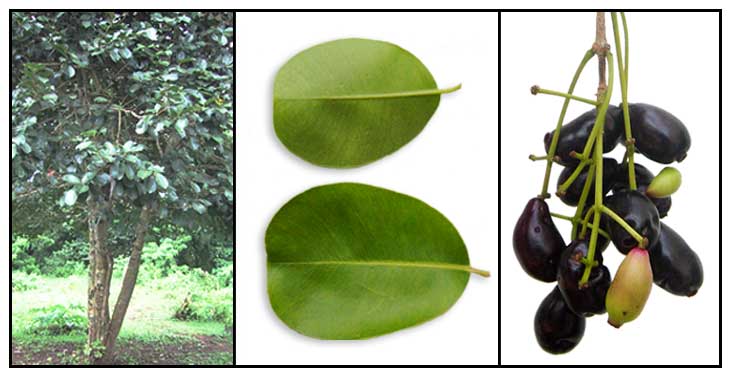
Duhat is a smooth tree, about 8 to
15 meters high with white branchlets and reddish young shoots. Leaves
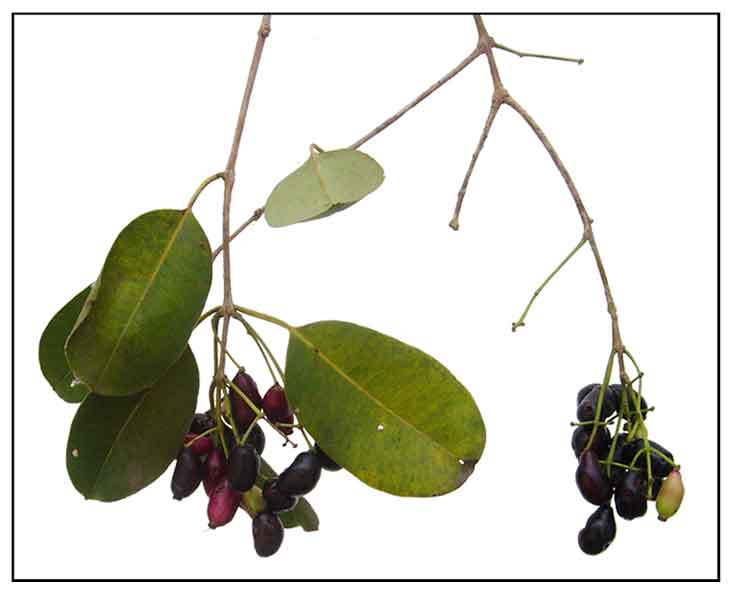
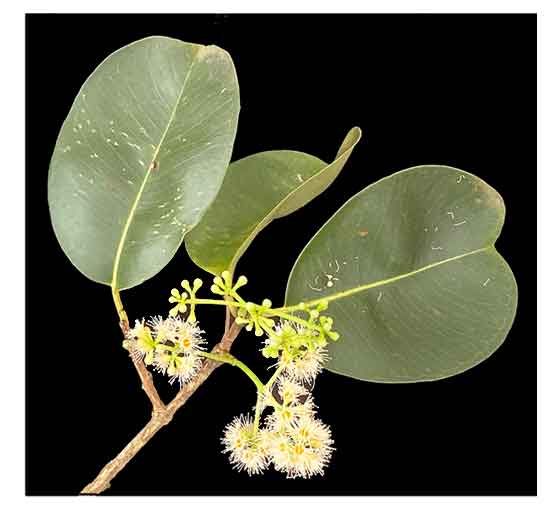
are opposite, shiny and leathery, oblong-ovate to elliptic or obovate-elliptic, 6 to 12 centimeters
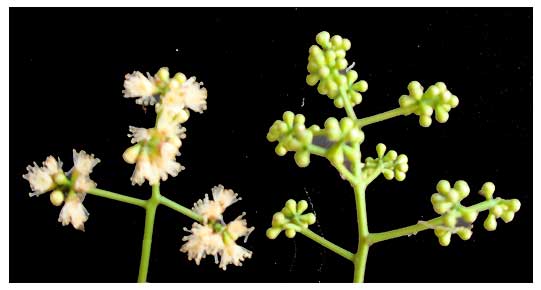
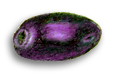
long, the tip being broad and shortly pointed. Panicles are borne mostly from the branchlets below the leaves, often being axillary or terminal, about 4 to 6 centimeters long. Flowers are small, numerous, scented, pink or nearly white, in clusters, without stalks, borne in crowded fascicles on the ends of the branchlets. Calyx is funnel-shaped, about 4 millimeters long, and 4-toothed. Petals cohere and fall all together as a small disk. Stamens are numerous and about as long as the calyx. Fruit is oval to elliptic, 1.5 to 3.5 centimeters long, dark purple or nearly black, luscious, fleshy and edible with a sweet astringent taste; containing a single large seed.
• Fairly fast-growing tree with dense crown, reaches full size in 40 years. Typically forks into multiple trunks at around 0.9-1.5m near the ground. Foliage: Mature leaves glossy dark green with yellow mid-rib, young leaves pinkish, scented like turpentine. Flowers: Flowers small, produced in powderpuff inflorescences, fragrant. aging from creamy-white to rose-pink before dropping off. Fruit: Fruit formation occurs around 32 days after flowering. Fruits are fleshy, obong berries (2 x 1.7cm), ripening from green to purplish-red to shiny purplish-black.
 Distribution Distribution
- Introduced into the Philippines.
-
Found throughout the Philippines, planted, and in many regions spontaneous.
- Probably of prehistoric introduction from Malaya.
- Native to Andaman Is., Assam, Bangladesh, Cambodia, China South-Central, China Southeast, East Himalaya, Hainan, India, Jawa, Laccadive Is., Laos, Lesser Sunda Is., Malaya, Maluku, Myanmar, Nepal, Pakistan, Queensland, Sri Lanka, Sulawesi, Thailand, Vietnam. (25)
 Constituents Constituents
- Early study of seeds yielded neither alkaloid nor enzyme, but an abundance of starch and tannin. Proximate analysis showed: Moisture 8.0, starch (diatase) 41.4, crude fiber 2.3, pentosans 2.1, protein 6.3, ash 2.9, dextrin 2.1, and tannin 6.0.
- Seeds yield glycosides, a trace of pale yellow essential oil, fat, resin, albumin, chlorophyll2, an alkaloid- jambosine3, gallic acid, ellagic acid, corilagin and related tannin,3,6-hexahydroxydiphenoylglucose and its isomer 4,6- hexahydroxydiphenoylglucose, 1-galloylglucose, 3-galloylglucose, quercetin and elements such as zinc, chromium, vanadium, potassium and sodium. Unsaponifiable matter of seed fat contains β-sitosterol.
- Phytochemical screening of the seeds yielded alkaloids, proteins and amino acids, flavonoids, phenols, glycosides, saponins, tannins, steroids, triterpenoids.
- Mineral analysis showed calcium to be abundant in all fruit parts (pulp, kernel, and seed coat) and extracts. Fresh pulp was rich in carbohydrates, protein, and minerals. Total phenolics, anthocyanins, and flavonoid contents of pulp were 3.9 ±0.5, 1.34 ±o.2 and 0.07 ±0.04 g kg (-1), respectively. Kernel and seed coat contained 9.0 ± 0.7 and 8.1 ± 0.8 g kg (-1) total phenolics, respectively.
(see study below) (26)
- Proximate composition of fresh jamun seed yielded (g/100g of seed dry basis) moisture 47.0, carbohydrate 72.0, protein 6.8, fat 0.35, crude fiber 2.9, ash 2.0. (29)
- Proximate analysis of fruit pulp composition yielded moisture content of 82.19±2.46%, crude protein 2.15±0.06%, crude fat 0.83±0.02%, crude fiber 1.76±0.05%, ash 2.04±0.06%, and NFE (nitrogen free extract) 11.03±0.33. Jamun seed yielded moisture of 16.34±0.49, crude protein 1.97±0.59%, crude fat 0.65±0.01%, crude fiber 4.19±0.12%, ah 2.18±0.06 and NFE 74.67±2.24%. (38)
- Study of pet-ether and carbon tetrachloride soluble fractions of seeds isolated secondary metabolites viz. 7-hydroxycalamenene, methyl-ß-orsellinate, ß-sitosterol, and oleanolic acid. (42)
- In a study five extraction solvent of leaves for phytoconstituents, ethanolic and methanolic extracts contained most of the phytochemical constituents viz., alkaloids, flavonoids, saponins, tannins, glycosides, phenols, proteins, triterpenoids, steroids, fixed oils and fats. (51)
- In a study of various extracts for antioxidant activity, a methanol extract showed the highest total phenolic and flavonoid contents at 474 ± 2.2 mg GAE/ g dw and 668 ± 1.4 mg QUE/g dw, respectively. (see study below) (52)
- GC-MS analysis of leaves for essential oil yielded 49 compounds, representing about 983% of EO consisting mainly of monoterpene hydrocarbons and oxygen containing mono- and sesquiterpenes. Major compounds were α-pinene (32.32%), ß-pinene (12.44%), trans-caryophyllene (11.19%), 1,3,5-octatriene (8.41%), delta-3-carene (5.55%), α-caryophyllene (4.36%), and α-limonene (3.42%). (see study below) (83)
- GC-MS analysis of different organs for EO revealed 82 compounds representing 92.13% (leaves), 99.42% (fruit), 100% (seeds) and 92.97% (bark). Predominant components were α-pinene, ß-pinene, (E)-ß-caryophyllene, α-caryophyllene, caryohyllene oxide, and α-humulene epoxide II with variable percentages. (see study below) (90)
 Properties Properties
- Considered astringent, carminative, stomachic, diuretic, anti-diabetic, anti-diarrheal.
- Studies have shown anti-diabetic, anti-inflammatory, radioprotective, gastroprotective, antioxidant,
CNS depressant, anti-allergic, anti-cancer, antibacterial, cardioprotective, antihypertriglyceridemic, biosorbent, antiseptic, diuretic, antifertility, antispermatogenic, immunomodulatory, antihypertensive, muscle relaxant, analgesic, adenosine deaminase inhibitory, anti-aging, anthelmintic, anticoagulant, antiplatelet properties.
Parts used
Fruit, bark, seeds, leaves.
 Uses Uses
Edibility / Nutrition
- One of the most popular fruits in the Philippines.
- Ripe fruit is eaten outright.
- Juice can be made into wine; used in the manufacture of red wine, "tinto dulce."
- Fruit is a good source of calcium and a fair source of iron.
- In Malaya, vinegar is made from the juice of the unripe fruit.
Folkloric
- In the Philippines, decoction of bark given internally for dysentery.
- Bark decoction also used as an enema.
- Diarrhea: Liberal amounts of the fleshy portion of the fruit.
- Decoction of the bark used as a gargle or
mouthwash for gingivitis and mouth ulcerations.
- Fresh juice of the bark given with goat's milk for diarrhea in children.
- Bark decoction as an astringent wash for wounds.
- Ripe fruit is astringent and considered an efficient remedy for diabetes. Decoction of leaves and bark also used for the same purpose, but the ripe fruit is considered the best.
- Pulverized dried seeds also used for diabetes.
- Powdered seeds and root-bark used for diarrhea.
- In India, seeds used for diabetes. Bark used for diarrhea, dysentery, and spongy gums. Poultice of leaves used for skin complaints. Powdered seeds also used for metrorrhagia.
- In Unani medicine, seeds used as liver tonic, to enrich the blood, strengthen the teeth and gums, and as lotion to remove ringworm of the head.
- Fruit is used as astringent in bilious diarrhea; used as a gargle for sore throat and as lotion in tinea capitis.
- Vinegar prepared from juice of the ripe fruit used as stomachic, carminative, and diuretic.
- Juice of leaves, alone or with other , used for dysentery.
- Bark used for sore throats, indigestion, appetite loss, leucorrhea,
bronchitis, asthma, ulcers and dysentery.
- In Brazil, leaves, bark and fruits used to treat infectious diseases, diabetes and stomachaches.
Others
- Wine: Wine and fruit drink from the ripe fruits.
- Fodder:
Leaves used as food for livestock.
- Wood: Wood is water resistant after being kiln-dried; used in railway sleepers and to install motors in wells. Not easy for carpentry use; used for making cheap furniture.
- Cultural: In Maharashtra, Syzygium leaves are used in marriage pandal decorations.
- Religious: Many Hindus refer to the plant as "fruit of the gods" because the Lord Rama is said to have subsisted on the fruit in the forest for 15 years during his exile from Ayodhya. (81)
Studies
• Anti-Diabetes / Bark:
Animal study of aqueous extract from SC bark showed stimulation of development
of insulin positive cells from the pancreatic duct epithelial cells. (2)
• Anti-Diabetic / α-Glucosidase / Seed Kernels:
Study of SC seed kernel extracts in
vitro and in Goto–Kakizaki (GK) rats showed inhibition of α-glucosidase as a possible
mechanism for its anti-diabetic effect. (3)
• Phytochemicals: Investigation on
a Tropical Plant, Syzygium cumini from South India:
Phytochemical screening of extracts of Syzygium cumini seed revealed
alkaloids, amino acids, phytosterols, saponins, steroids, tannins and
triterpenoids. These phytochemicals probably explain the plants medicinal
properties. (4)
• Anti-inflammatory / Seeds: The study on SC extracts established
the anti-inflammatory activity of the SC seed. (5)
• Radioprotective: Study evaluated the influence of a seed extract
of Syzygium Cumini (Jamun) on mice exposed to different doses of .GAMMA.-radiation
: SCE treatment protected mice against radiation sickness and mortality
against all doses and showed an increase survival. (6)
• Gastroprotective / Bark: The gastroprotective effect of
tannins extracted from duhat (Syzygium cumini Skeels) bark on HCl/ethanol
induced gastric mucosal injury in Sprague-Dawley rats:
The study suggests the tannins extracted from SC have gastroprotective
and anti-ulcerogenic effects.(7)
• Antioxidant
/ Tannins / Fruits: Study isolated tannins from
the fruit of SC and suggests the use of the fruit as a significant source
of natural antioxidants.
• Antioxidant
/ Fruit Study showed a significant correlation between extract concentration and percentage of free radical inhibition or lipid peroxidation. Authors suggest the antioxidant property of the fruit skin may come in part from the antioxidant vitamins, phenolics, tannins and anthocyanins present in the fruit. (12)
• Red Wine Source:
Study prepared a red wine from the anthocyanin-rich fruit of SC through
fermentation using wine yeast. (9)
• Depressant Central Nervous
System Activity: Animal study of seed
extract of SC showed dose-dependent depressant effect of locomotion
attributed to the presence of saponins. (10)
• α-Amylase Inhibition / Anti-Hyperglycemic / Seeds: Study of 11 medicinal plants showed Syzygium cumini seeds with strong inhibition of a-amylase activity. Crude ethanolic and aqueous extracts reduced glycemia of diabetic rats. The bark showed anti-hyperglycemic activity on oral glucose tolerance testing. Seed extract yielded betulinic acid and 3,5,7,4'-tetrahydroxy flavanone. The compound showed high a-amylase inhibitor activity, but the inhibitory activity of the individuals compounds needs further testing and verification. (11)
• Anti-Cervical Cancer: Study of Z cumini extract showed inhibition of growth and induction of apoptosis in HeLa and SiHa cervical cancer cell lines in a time- and dose-dependent manner. (13)
• Anti-Allergic / Leaves: Study of on the aqueous leaf extract of Syzygium cumini showed the main components to be hydrolyzable tannins and flavonoids. Results showed inhibition of paw edema, edema induced by histamine, prevention of mast cell degranulation and consequent histamine release in Wistar rat peritoneal mast cells. The findings demonstrate an anti-allergic effect; the anti-edematogenic effect is attributed to inhibition of mast cell degranulation. (14)
• Prophylactic Anti-Septic Effect: Study concluded that treatment with S. jambolanum has a potent prophylactic anti-septic effect not due to a direct microbicidal effect but rather, associated with a recruitment of activated neutrophils to the infectious site and to a diminished anti-inflammatory response. (18)
• Antibacterial / Glucoamylase Inhibitor / Anti-Diabetic / Seeds: Study of ethanol extract of seeds showed moderate to good antibacterial activity against E. coli, B subtilis, P aeruginosa and S aureus. It also showed to be a potent inhibitor of glucoamylase and suggests a hypoglycemic function in type-2 diabetes that may be independent of functioning B-cells. (19)
• Cardioprotective / Seeds: Study of a methanolic extract of SC seeds on isoproterenol-induced myocardial infarction in rats confirmed a cardioprotective effect. (20)
• Radioprotective: Study demonstrated jamun extract protected mice against radiation-induced DNA-damage and inhibition of radiation-induced free radical formation may be one of the mechanisms of radioprotection. (21)
• Randomized, Double-blind, Double-Dummy, Controlled Diabetic Trial / No Antihyperglycemic Effect: Results showed significant reduction in patients treated with glyburide, with no changes in those treated with Syzgium cumini tea. The tea and extracts prepared from leaves of S. cumini were shown to be pharmacologically inert, showing no antihyperglycemic effect. (22)
• Anti-Vibrio Cholera Activity: Study investigated the ethanol extract of leaf of Syzgium cumini against Vibrio cholerae serogroups Ogawa and Inaba. The EEL effectively inhibited the growth of both serogroups, with fragmentation of genomic DNA. Results showed potential growth inhibitory activity against multi drug resistant Vibrios, and suggests a potential for effective candidates to combat cholera. (23)
• Fruit-Pulp Activity Against Fluoride-Induced Toxicity: Study evaluated the ameliorative effect of SC fruit extract in male albino mice against fluoride exposure. Results showed revitalization of steroidogenesis and spermatogenesis, with ameliorative potentials in male sex related toxicology, with reclamation of spermatogonia and interstitial tissue after jambul extract treatment. (24)
• Antioxidant Study / Fruit Pulp, Kernel, Seed Coat: Jamun pulp ethanol extract (PEE), kernel ethanol extract (KEE), and seed coat ethanol extract (SCEE) showed high degree of phenolic enrichment. An alcoholic extract was evaluated for antioxidant potential against DPPH, hydroxyl radical scavenging activity, peroxide radicals, and lipid peroxidation. (see constituents above) (26)
• Diuretic / Bark: Study evaluated the diuretic activity of various extracts of bark of S. cumini in Wistar albino rats. Results showed the methanol and aqueous extracts possess diuretic activity as evidenced by increase in total urine output, significant increase in excretion of sodium and potassium. (27)
• Anti-Diabetic / Mycaminose / Seed: Study of isolated compound mycaminose and EA and ME of S. cumini seeds against STZ-induced diabetic rats showed anti-diabetic effects with significant reduction (p<0.05) in blood glucose. (28)
• Immunomodulatory / Seeds: Mastan et al suggested the methanolic extract of seeds possesses promising immunomodulatory activity. In a hemagglutination reaction and delayed type hypersensitivity response in rats induced by Sheep RBC, there was a significant dose-dependent increase in total WBC, neutrophils and lymphocytes. (Immunomodulatory activity of methanol extract of S. cumini seeds. / Mastan et al / Pharmacogyonline, 2008). (29)
• Biosorbent / Leaves: Study reports the adsorption capabilities of S. cumini leaves for crystal violet and eosin B using batch adsorption method. Adsorption of crystal violet was endothermic while that of Eosin B was exothermic, both spontaneous at all temperatures. (30)
• Anti-Breast Cancer / Fruit Pulp: Study evaluated various concentrations of methanolic extract of fruit pulp for in-vitro cytotoxicity activity against MCF-7 cells using MTT assay. Cell viability was inhibited to different extents by different concentrations of the extract. (31)
• Antimicrobial Cancer / Fruit Pulp: Study of various extracts of stems and leaves showed antibacterial activity against all tested bacteria. Maximum zone of inhibition was seen against routella plantikola. It also showed maximum inhibition against fungal strains Penicillum chrysogenum and minimum inhibition against Candida albicans. (32)
• Biogenic Synthesis of Silver Nanoparticles / Antimicrobial / Leaves: Study reports on the synthesis of silver nanoparticles using Syzygium cumini leaf extract. The synthesized nanoparticles showed effective antimicrobial activity against pathogenic bacterial species. (33)
• Cuminoside / Cardioprotective / Antidiabetic / Seeds: Study evaluated the hypoglycemic and hypolipidemic activity of S. cumini seeds in normal and NIDDM in rats. Study isolated an active principle, Cuminoside, which caused significant reduction in FBS in diabetic rats, significant reduction in total cholesterol, LDL, ALT, AST, and LDH, together with improvement in HDL levels. Results suggest cuminoside has cardioprotective potential and antidiabetic activity. (34)
• Protection Against Diabetes Induced Ulcerogenic Stimuli / Seeds: Study evaluated the protective effect of E. jambolana alone and in combination with Acarbose in T2D rats exposed to models which caused ulcerogenic stimuli. Results suggest the concurrent administration of S. cumini and Acarbose at low doses may have prevented the development of diabetes induced ulcerogenic stimuli by decreasing gastric oxidative stress and providing a direct gastroprotective action. The low dose combination may have provided a synergistic ulcer protective effect. (35)
• Effect of Prolonged Treatment with S. cumini on Salivary Glands: Study evaluated the effects of prolonged treatment with S. cumini sheet aqueous extract on the structure of cells responsible for secretory process in parotid and submandibular salivary glands of spontaneously diabetic mice. Results showed structural alterations in the salivary glands of mice with nuclear and cytoplasmic atrophy and occurrence of inflammatory cells and elevated blood sugar levels. (36)
• Anti-Inflammatory / Leaves: Study of methanol extract of leaves showed the SC leaf had remarkable acute (carrageenan, histamine, and serotonin induced rat paw edema) and chronic (cotton pellet induced rat granuloma) anti-inflammatory actions in the tested rodent models. (37) Study evaluated ethanol extract of leaves for anti-inflammatory activity and bioactive compounds. Bioactive compound tannins at concentration of 100 µg/ml showed 99.50% inhibition of heat-induced protein denaturation compared with standard aspirin at 89.26%. In HRBC membrane stabilization activity, tannins at 1 mg/ml showed 82.94% protection of HRBC membrane, compared to standard diclofenac at 70.41%. (71)
• Antihypertensive / Leaves: Study evaluated the in vivo potential antihypertensive effect of hydroalcoholic extract of SC leaves in normotensive Wistar rats and spontaneously hypertensive rats (SHR), and in vitro effect on vascular reactivity of resistance arteries. Results showed reduction of blood pressure and heart rate of SHR probably due to the inhibition of arterial tone and extracellular calcium influx. (39)
• Platelet Effect / Protection from Oxidative Damage / Leaves: Study evaluated the in vitro effects of S. cumini incubation on platelets from patients with diabetes, to test its efficacy as potential adjuvant therapy. Results showed in Sc activity counteracts oxidative damage by improving platelet function through augmented membrane fluidity and Na+/K+ ATPase activity, as well as functionally enhancing the antioxidant system by increasing NO levels, SOD, and TAC. SC supplementation may have a preventive and protective effect in oxidative damage progression associated with diabetes mellitus and its complications. (40)
• Protective Against Mitochondrial Dysfunction: Study evaluated various extracts of S. cumini and Bauhinia forficata on oxidative and mitochondrial parameters in vitro, as well as protective activities against toxic agents. The major chemical constituent of SC was rutin. S. cumini reduced DPPH radical more than B. forficata, and showed iron chelating activity. Both partially prevented lipid peroxidation. S. cumini was effective against mitochondrial swelling induced by Ca2+. Results suggest S. cumini might represent a therapeutic option for treatment of diseases associated with mitchondrial dysfunction. (41)
• Chemopreventive / Anticarcinogenic / DMBA-Induced Skin Papillomagenesis: Study evaluated the protective effect of S. cumini seed extract against peroxidative damage contributing to skin carcinogenesis in Swiss albino mice. Results suggests an anticarcinogenic effect during DMBA-induced skin papillomagenesis that is mediated through alteration of antioxidant status. (43)
• Radioprotection / Seeds: Study the effect of a seed extract of S. cumini in normal as well as in tumor bearing mice against gamma radiation-induced cellular damage in biological tissues. Results suggest the seed extract has protective effects against radiation induced cellular damage and biological alterations which may be attributed to the scavenging of free radicals and antioxidant properties. Author suggests the seed extract may be used in combination with radiation to protect against oxidative stress and mitigate the side effects of radiation to normal tissues. (44)
• Biosorbent / Seed: Study reports on a very low cost biosorbent from S. cumini seeds for treatment of hexavalent chromium from contaminated waters. (45)
• Antibacterial / Dental Caries / Leaves: Study investigated the in vitro antibacterial activity of leaves of S. cumini against Streptococcus viridans, S. mutans, E. coli, P. aeruginosa, S. aureus, and B. subtilis. Aqueous, methanolic, hexane and EA extract of leaves exhibited antimicrobial activity against dental caries causing strains. Results suggest a potential phytomedicine source to cure dental caries. (46)
• Hepatoprotection / Seed: Study of an aqueous extract of seed powder on hepatoprotection in STZ-induced diabetic rats showed a dose-dependent protective effect. (47)
• Sustained Release Matrix Tablets / Anti-Diabetic: Study reports on the formulation of Metformin HCl sustained release matrix tablets using S. cumini as a release rate retarding agent which is also antidiabetic in nature by means of wet granulation method. The antidiabetic activity was evaluated with alloxan model of experimental rats. Results suggest that the S. cumini extract acted as a good release rate retarding agent and showed promising additive antidiabetic activity with Metformin. (48)
• Nephroprotective / Seed: Study evaluated the nephroprotective effect of an aqueous extract of S. cumini seed in diabetic Wistar albino rats. High dose seed extract and standard oral hypoglycemic drugs showed significant decrease in creatinine and urea levels. The seed powder extract showed significant nephroprotective effect. (49)
• Staining Capability / Seed: Study evaluated the staining capability of aqueous and ethanolic extracts from S. cumini, C. blumei, S. pallida and B. vulgaris as dyestuffs on different fungal species. Results showed the extracts have capability to be alternative biological stains to Lactophenol cotton blue in staining Aspergillus niger and Penicillium chrysogenum. (50)
• Antioxidant / Leaf Gall Extracts: Study evaluated leaf gall extracts for antioxidant activity using DPPH, nitric oxide scavenging, hydroxyl scavenging and FRAP methods. In all methods, the methanolic extract showed the higher antioxidant potential than standard ascorbic acid. The antioxidant activity correlated with the high content of total polyphenols/flavonoids of the methanol extract. (52)
• Anti-Leishmanial Activity / α-Pinene / Essential Oil: Study evaluated the effects of essential oil and its major component α-pinene on Leishmania amazonensis. Study showed α-pinene was effective against L. amazonensis promastigote forms, with 50% inhibitory concentration (IC50) of 1.7 µg/mL. The anti-leishmanial effects were mediated by immunomodulatory activity as evidenced by increased in phagocytic and lysosomal activities. (Rodriguez et al, 2015) (53)
• Antidiarrheal Activity / Seed: Study evaluated the antidiarrheal activity of aqueous extract of seed in mice in a castor oil induced diarrhea model and charcoal meal test. Results showed the extract exhibited significant and dose-dependent antidiarrheal effect attributed to an antimotility and antisecretory effect. (Shamuwar et al., 2012) (53)
• Anti-Hyperglycemic / Antihyperlipidemic / Seeds: Study of S. cumini seed extract showed anti-hyperlipidemic and hypoglycemic activity in alloxan induced diabetic mice. SC significantly (p<0.05) reduced serum glucose, TC, TG, LDL, VLDL, and increased HDL. LD50 was found to be 1000 mg/kg. No toxic symptoms were observed at 150 and 250 mg/kg doses. (54)
• Homeopathic Tincture in Diabetes: Study evaluated the remedial effects of homeopathic mother tincture of Syzygium jambolanum on metabolic disorders of STZ-induced diabetic male albino rat. The homeopathic tincture of S. jambolanum showed therapeutic effect on metabolic disorders and oxidative injuries in STZ-induced diabetic rats. (55)
• Antifertility / Seeds: Alcohol extract of seed of Syzygium cumini at 100 mg/kg/day for 60 days showed anti-spermatogenic effect in rat. (Shad et al., 2014) (58)
• Comparative Antioxidant Activity: Study evaluated methanolic extracts of seeds, leaves, fruit pulp of S. cumini. Results showed the total phenolic and flavonoid content in leaves is higher than the pulp and seed extracts. A linear correlation was shown between total phenolic content and antioxidant activity. (59)
• Antidiabetic / Seeds: Various active constituents in the seeds help control glucose homeostasis through its effects of different pathways of the hyperglycemic process viz., insulin mimetic and insulinotropic effect. It acts as an antidiabetic by stimulation of insulin release from beta cells or by lowering glucose absorption in the intestine, hepatic glucose production, and boosting sensitivity of insulin by enhancement of peripheral glucose uptake and utilization, activation of nuclear PPAR-y. (60)
• α-Amylase Inhibitors / Seeds: Aqueous extract of S. cumini seeds and Psidium guajava leavers showed higher inhibition against porcine pancreatic a-amylase among medicinal plants studies. LC=MS study of seed extract of S. cumini yielded betulinic acid and 3,5,7,4'-tetrahydroxy flavanone. The inhibition was non-competitive in nature. (61)
• Improvement in Metabolic and Ovarian Parameters in Obese Female Rats with Malfunctioning of the Hypothalamus-Pituitary-Gonadal Axis: Study evaluated the effects of a hydroethanolic extract of S. cumini leaves in female reproductive impairments in an obese model of neonatal L-monosodium glutamate injection. Results showed the reversibility of the reproductive dysfunctions seen in MSG female rats through ethnopharmacological treatment. It expands the use of HRESc as a prominent tool to treat metabolic and reproductive disorders. Study also provided novel evidence that without a functioning hypothalamus-pituitary-gonadal axis, metabolic improvement is ineffective for estrous activity, but critical for ovarian follicle health. (62)
• Protective Effects of Polyphenol Rich Extract on Oxidative Stress-Induced Diabetes / Leaves: Study evaluated the anti-diabetic effects of a novel polyphenol-rich extract (PESc) from leaves in rats with alloxan induced diabetes. Results showed in vitro and in vivo antioxidant activities of PESc obtained from leaves. Results suggest myricetin, quercetin, and gallic acid compose a phytocomplex with poorly understood synergistic mechanisms. Results suggest the potential use of the novel polyphenol-enricfhed extract from leaves as a source of antidiabetic products. (63)
• Effect of Season on UZV Absorbing Property / Sunscreen Potential / Leaves: Study evaluated the effect of season on UV absorbing property of S. cumini leaves collected in summer, winter, autumn, and rainy seasons. Results showed the acetone extract of leaves of rainy season had maximum UV absorbing property. Polyphenol content of the leaves was also high during the rainy season. Study suggests the acetone extract of S. cumini leaves of rainy season may be used as anti-solar agent in preparation of sun screen lotions. (64)
• Effect of Seed Powder on Pancreatic Islets of Alloxan Diabetic Rats: Study of an ethanolic extract of seed powder of S. cumini increased body weight and decreased blood sugar level in alloxan induced diabetic albino rats. The extract feeding showed definite improvement in the histopathology of islets. Significantly, the drop in blood sugar to normal levels after extract feeding was not elevated when the extract was discontinued for 15 days. Results suggest the effect may be curative rather than palliative. Improvements in islet histopathology and glycogen localization suggest the same. (65)
• Antioxidant / Leaves: Study investigated the antioxidant activity of various Syzygium cumini leaf extracts using DPPH radical scavenging and ferric=reducing antioxidant power (FRAP) assays. Results showed the ethyl acetate fraction showed stronger antioxidant activity than others. HPLC data showed the leaf extracts contained phenolic compounds, such as ferulic acid and catechin, which are responsible for their antioxidant activity. There was a significant linear relationship between antioxidant potency, free radical scavenging ability and the content of phenolic compounds in the leaf extracts. (see study 59) (66)
• Antibacterial / Antioxidant / Neuroprotective / Stem: Study evaluated the antibacterial activity, antioxidant activity, and neuroprotective ability of aqueous and alcoholic extracts of stem of S. cumini. Results showed antibacterial activity of aqueous and alcoholic extracts of stems; the alcoholic extract showed maximum activity against B. amyloliquefaciens and S. aureus. A methanolic extract chowed higher level of antioxidant activity compared to the aqueous extract. Neuroprotective activity were observed on rat pheochromocytoma (PC)-12 cell line by giving neurotoxic shock using 6-hydroxydopamine. The ethanolic extract showed maximum number of viable cells, i.e., 75% compared to aqueous extract at 50%. (67)
• Elimination of Deleterious Effects of DMBA-Induced Skin Carcinogenesis / Seed: Study evaluated the inhibition of tumor incidence by hydroalcoholic extract of S. cumini seed in mice on two-stage process of skin carcinogenesis induced by single application of DMBA. A significant improvement in impairment was seen in measures of reduced glutathione, superoxide dismutase, among others. Results suggest possible chemopreventive property against DMBA induced skin carcinogenesis in mice. (68)
• Antihyperlipidemic / Seeds: High cholesterol diet fed diabetic rats exhibited significant increase in serum cholesterol, triglycerides, LDL, VLDL, and high density lipoprotein. Treatment with seed extract significantly decreased TC, LDL, VLDL, atherogenic index, and significantly increased the HDL, HDL ratio in hyperlipidemic rats. The antihyperlipidemic activity may be due to the presence of alkaloids, flavonoids, phenols, saponins, tannins (gallic acid and ellagic acid) and triterpenoids. (69)
• Vasorelaxant Effect Mediated by Inhibition of Calcium Channels / Leaves:Study evaluated the ability of hexane extract and chloroform fraction of SC leaves in promoting vasorelaxation on resistance arteries rings. Results suggest S. cumini acts as a vasorelaxant agent and interferes with the responsiveness of vascular smooth muscle cell, probably acting on regulation of intracellular Ca2+ levels through voltage operated calcium channels. (70)
• Thrombolytic / Seeds: Study evaluated the thrombolytic potential of an ethanol seed extract of Syzygium cumini. The ethanol seed extract exerted 34% clot lysis from clotted blood in thrombolytic activity test compared to standard streptokinase and control at 79% and 3%, respectively. (72)
• Anti-Inflammatory on Chemotaxis of Human Neutrophils: Study evaluated an aqueous seed extract of S. cumini for anti-inflammatory properties using neutrophil chemotaxis as a model system. Results showed significant inhibition of neutrophl chemotaxis towards a bacteria-derived chemoattractant (f-met-leu-phe). Results suggest the seed extract has potential to elicit anti-inflammatory effects. (73)
• Anti-Arthritic / Seeds: Study evaluated the anti-arthritic effect of oral administration of methanolic extract of S. cumini seeds at dose of 250 and 500 mg/kg on Freund's complete adjuvant (FCA) induced arthritis in rats. The methanolic extract inhibited FCA induced arthritis in a dose dependent manner, more significantly (p<0.001) with the 500 mg/kg dose. Extract showed significant effect in preventing rat paw edema volume and improved RBC count, Hb level and ESR to hear normal level. Indomethacin was used as standard. Results showed the ME exhibited significant anti-arthritic effect. (75)
• Reduced Radiation-Induced DNA Damage / Leaves: Study evaluated various concentrations of leaf extract of S. cumini on alteration in radiation-induced micronuclei formation in cultured human peripheral blood lymphocytes. Treatment resulted in dose-dependent increase in micronuclei-induction, especially after 25-100 µg/mL extract. Exposure of human lymphocytes to various extract concentrations before 3 Gy
γ-irradiation resulted in significant decline in micronuclei-induction at all drug doses. Frequency of MNBNC did not show significant change up to dose of 12.5 µg/ml compared to spontaneous frequency of MNBNC. The 12.5 µg/ml dose was considered an optimum dose for radiation protection. Study suggests S. cumini protects against radiation-induced DNA damage. (76)
• Apoptosis in Human Oral Squamous Carcinoma Cells: MTT assay evaluated different concentrations (10, 20, and 40 µg/ml) of S. cumini for cytotoxicity against oral squamous cell carcinoma cells. Treatment caused cytotoxicity of OSCC cell line and induced intracellular ROS accumulation. Treatment also caused apoptosis-related morphological changes and externalization of phosphatidyl-serine in OSCC cells. Treatment increased protein and gene expression of cadherin-1. Results showed S. cumini extract inhibits the proliferation of OSCC cells and induces apoptosis through ROS accumulation, and can be used for the prevention of OSCC. (77)
• Antidiabetic Molecular Targets: Study focused on a computational approach to reveal the interaction of molecules of jamun tree with antidiabetic targets. Lamarckian genetic algorithm methodology was used for docking of 22 phytoconstituents with α-amylase, a key enzyme involved in carbohydrate metabolism. Analysis of binding energy of ligands with target receptors was remarkably lower especially for friedelin (−9.54 kcal/mol), epifriedelanol (−8.98 kcal/mol), betulinic acid (−8.60 kcal/mol), beta-sitosterol (−8.56 kcal/mol), petunidin-3-gentiobioside (−7.52 kcal/mol), kaempferol (−7.08 kcal/mol), petunidin (−6.21 kcal/mol), quercetin (−6.03 kcal/mol), myricetin (−5.80 kcal/mol), and bergenin (−5.27 kcal/mol) when compared to the synthetic drug acarbose (−2.43 kcal/mol). Molecules identified from the study could potential lead to design/synthesize antidiabetic drug molecules. (78)
• Benefits toward Metabolic Syndrome: Syzygium is an excellent source of bioactive constituents such as flavonoids, polyphenols, antioxidants, vitamin C, and iron. It has been used as medication for various metabolic issues i.e. diabetes, hyperlipidemia, hypertension, obesity, etc. Review focused on its beneficial role against metabolic syndrome, clinical trials on its effect on diabetes, hypertension, obesity, and hyperlipidemia. Clinical studies confirmed the ameliorating effects of Jamun against metabolic syndrome via antioxidation, antidiabetic, anti-inflammatory, andticarcinogenic, and hyperlipidemic effects. Further research is needed to elucidate the mechanisms of actions responsible for the astounding bioactive properties and health benefits. (79)
• Reversal of Hypertriglyceridemia / Leaves: Study reported on the antihypertriglyceridemic effect of hydroethanolic extract of S. cumini leaf (HESc) in monosodium-glutamate (MSG)-induced obese rats. Study evaluated the molecular mechanisms for the antihypertriglyceridemic effect. The HESc inhibited both expression and activity of hepatic MTP by downregulation of the XBP-1s/PDI/MTP axis, reducing the incorporation of TG into VLDL particles, and consequently lowering the circulating triglyceride levels. Results suggest the downregulation of the XBP-1s/PDI/MTP axis in the liver of MSG-obese rats as a novel mechanism for the antihypertriglyceridemic effect. (80)
• Antibacterial / Antioxidant / Leaf Extracts and Essential Oil: Study evaluated the chemical composition, antioxidant and antibacterial activities of essential oils and various crude extracts from S. cumini leaves. In antioxidant activity testing by DPPH and FRAP the methanol extract showed higher activity than methylene chloride and EO extracts. ME also showed higher content of phenolics and flavonoids. ME also showed higher antibacterial activity. Results suggest potential as natural preservative ingredients in food and pharmaceutical industries. (see constituents above) (83)
• Anti-Inflammatory / Analgesic / Sedative / Muscle Relaxant / Antioxidant / Stems: Study evaluated S. cumini for anti-inflammatory, analgesic, sedative and muscle relaxant effects. Extract and fractions were found safe up to 1000 mg/kg with no mortality and only slight sedation as a minor side effect. Extract and fractions exhibited significant inhibition (86.34%) of carrageenan-induced inflammation in mice. There was dose-dependent attenuation (p<0.001) of acetic acid induced writhes, except for the n-hexane fraction. Maximum effect was observed with 500 mg/kg dose.
Maximum muscle relaxant effect was recorded at 500 mg/kbw with % inhibition exhibited by dichloromethane fraction (82.34%). (84)
• Bioactive Compounds and Cardiometabolic Properties / Review: S. cumini has been used traditionally as herbal medicine against cardio-metabolic disorders as antihyperglycemic, hypolipemiant, anti-inflammatory, cardioprotective, and antioxidant. This mini-review highlights the cadiometabolic properties and correlates its identified phytochemicals with mechanisms of action. The properties are attributed to bioactive compounds such as phenols, flavonoids, and tannins from different plant parts. Some compounds like myricetin, quercetin, rutin, ellagic, and gallic acids may act on distinct pathways of cardiometabolic disorders, thus emerging as potential multi-targeted drugs. (85)
• Inhibition of Adenosine Deaminase Activity / Reduction of Glucose in Hyperglycemic Patients / Leaves: Adenosine deaminase (ADA) is an enzyme that plays a relevant role in purine and DNA metabolism, immune responses, and peptidase activity. ADA is suggested as an important enzyme that modulates the bioactivity of insulin. Study evaluated the effect of aqueous leaf extracts of S. cumini (ASC) on ADA activity of hyperglycemic subjects. Results suggest decrease of ADA activity due to ASC may contribute to control adenosine levels and antioxidant defense systems of red cells and could be related to the complex ADA/DPP-IV-CD26 and properties of dipeptidyl peptidase IV (DPP-IV) inhibitors that serve as important regulators of blood glucose. (86)
• Comparative Activities of Methanolic Extracts of Seeds, Fruit Pulps and Fresh Juice: Comparative study evaluated the medicinal activity of methanol extracts of seeds, fruit pulps, and fresh juice of S. cumini. The ME of seeds showed stronger antioxidant, hydrogen peroxide induced hemolysis activities, hemagglutination inhibition activities, and membrane stabilization activities than fresh juice. However, fresh juice showed stronger antibacterial and antifungal activities than methanolic seed extract. The seed contains higher amounts of polyphenols and flavonoids than fruit juice. The fruit juice, fruit pulp, and seed contain medicinal active components in different ratios. (87)
• Wound Healing / Leaf Extract Loaded Carboxymethylcellulose (CMC) Film: Study evaluated S. cumin leaf extract (SCLE) loaded into CMC
film via Solution casting. Phytochemical screening revealed carbohydrates, and HPLC analysis identified quercetin, known for promoting wound healing. Antibacterial activity tests revealed zones of inhibition for S, aureus (15mm) and E. coli (11mm). The film exhibited 63.11% antioxidant activity at 517 nm with DPPH. In vitro wound healing using L929 cell line showed 83% healing at a 100 µl concentration. Treatment group showed complete wound healing within 7 days, while control showed no recovery after 14 days. Results suggest the SCLE-CMC film is highly effective in promoting wound healing. (88)
• Anticancer / HT-29 Colorectal Cancer Cell Line: Study evaluated the anti-cancer effect of Syzygium cumini ethanolic extract (SCE) on HT-29 colorectal cancer cell line.
MTT testing showed SCE suppresses growth of HT-29 cell lines drastically. Expression analysis of ratio of desired genes (Bax: Bcl-2) was significantly changed after treatment. DNA damage test confirmed DNA loss of integrity, apoptosis, and wound healing suggests the lower change of metastasis after SCE treatment. Results suggest potential as future chemotherapeutic agent and suitable candidate for an invivo trial. (89)
• Comparative Essential Oil Composition / Antiaging: Study compared the EO compositions from different organs (leaves, seeds, fruits, and bark) by GC/MS analysis. Leaf and seed EO showed superior anti-collagenase, anti-elastase, and anti-hyaluronidase activities. Results suggest the S. cumini oils have potential for cosmetic preparations to retard skin aging manifestations. (see constituents above) (90)
• Anthelmintic / Bark: Study evaluated methanolic and aqueous extracts of S. cumini bark for activity against Indian earthworm Pheretima posthuma. Both extracts at tested doses (25-100 mg/ml) produced significant anthelmintic activity. Maximum activity was seen with ME of bark with time of paralysis at 36.58 minutes, and death at 80.33 minutes. Albendazole (20 mg/ml) as reference showed time of paralysis in 21.16 min and death in 23.5 minutes.
Results suggest the ME has potential usefulness as anthelmintic. (81)
• S. cumini-Loaded Fabricated Nanofibers / Topical Wound Healing / Leaves: Study sought to develop a plant extract-loaded electrospun nanofiber (ESNF) for effective wound dressing scaffolds for topical wound healing. The
ESNF were fabricated from S. cumini leaf extract (SCLE), PLGA, PMMA, collagen and glycine. Results showed the nanofibers containing S. cumini extract at concentrations of 0.5 and 1% w/v exhibited greater antibacterial activity against tested Gm(+) and Gm(-) pathogens. In vivo wound healing in Wistar rats demonstrated the nanofiber mats containing SCLE and collagen significantly improved wound healing within 2 weeks compared to control. Results suggest potential of fabricated nanofibers in accelerating wound healing and management of topical acute wounds. (82)
• Anticoagulant and Antiplatelet Effects / Leaves: Study evaluated the effects of S. cumini methanolic extract of leaves on blood coagulation factors in healthy while albino rabbits. Results showed significant increases in RBCs, hemoglobin, hematocrit and platelet counts, along with highly significant (p≤0.005) dose dependent prolongation of thrombin and bleeding time compared to control. Levels of platelet aggregation and fibrinogen were decreased at high doses. Results suggest anticoagulant and antiplatelet effects. (83)
Availability
- Wild-crafted.
- Seasonal fruiting.
- Extracts and tinctures in the cybermarket. |