General
info
- Hibiscus is a genus of flowering plants in the mallow family, Malvaceae.
-
About 300 species
are found worldwide. Its beauty makes it one of the most widely cultivated
of flowers, in brilliant hues of red, orange, or purplish-reds, with
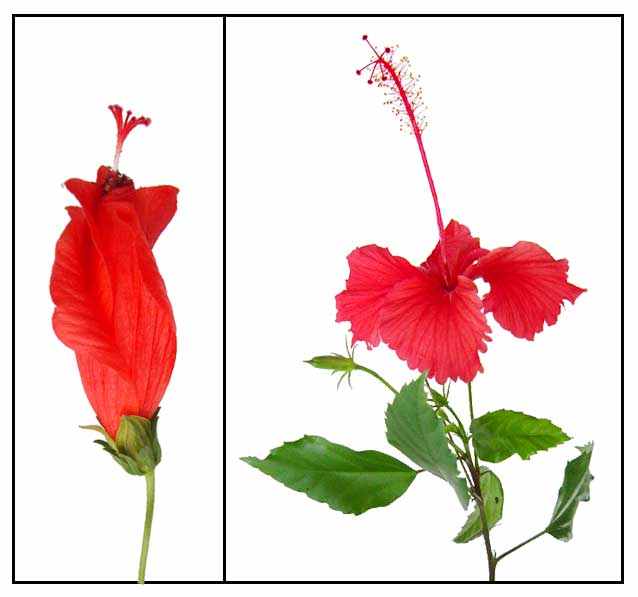
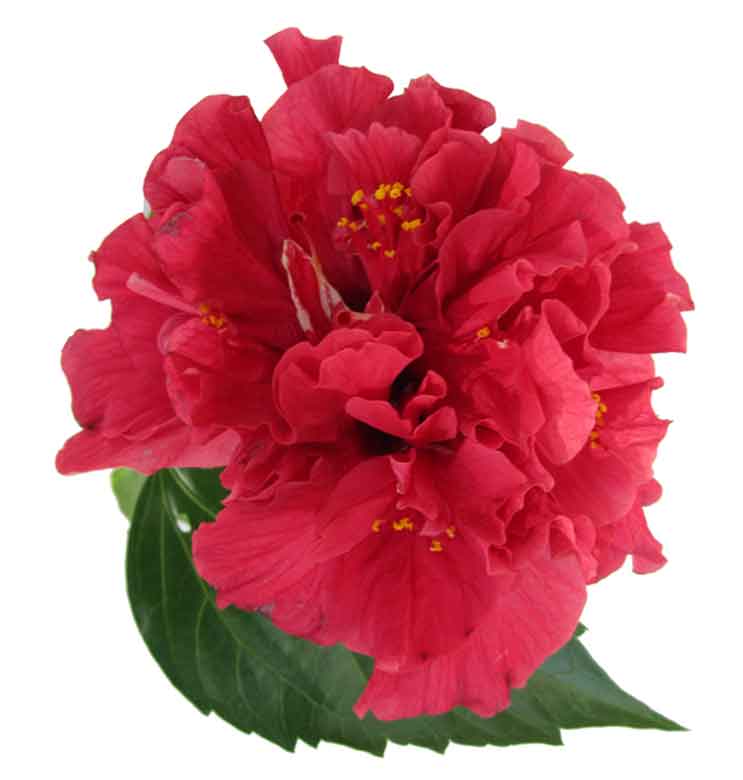
short-lived but continuing blooms. The red flowered variety has been preferred in medicine.
- Hibiscus x rosa-sinensis was first described as a species in 1753 by Carl Linnaeus in Species Plantarum.
- National flower: In 1958, the Malaysian Ministry of Agriculture nominated it was national flower, along with ylang-ylang, jasmin, lotus, rose, magnolia, and medlar. In 1960, Hibiscus rosa-sinensis was declared the national flower of Malaysia.
Called Bunga Raya in Malay, bunga means flower, while raya means celebratory or grand. The red of the petals symbolizes the courage, life and rapid growth of the Malaysian, and the five petals represent the five Rukun Negara of Malaysia. The flower in imprinted on Malaysian ringgit notes and coins. (42)
- Etymology: The genus name derives from Greek word ibiskos, which the Greek botanist Pedanius Dioscorides gave to a plant now scientifically labeled as Althaea officinalis. The species epithet rosa-sinensis literally means 'rose of China' in Latin, although the plant is not closely related to true roses, nor is it from China. (72) (73)
- Hibiscus rosa-sinensis is also the unofficial national flower in Haiti, used as a symbol in the promotion of tourism. The flower is also
a symbol of the Fusion of Haitian Social Democrats political party. (72)
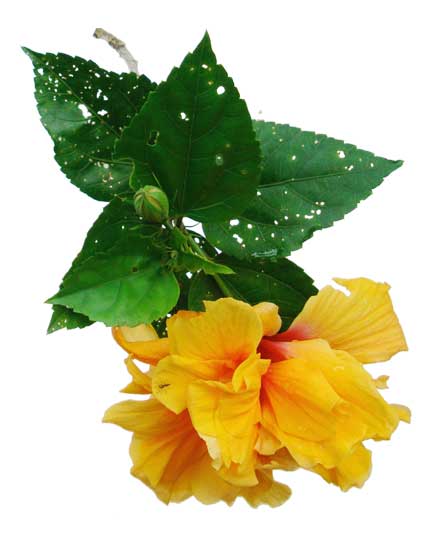
- The yellow variety is the official flower of Hawaii.
 Botany Botany
• Gumamela is an erect, much-branched,
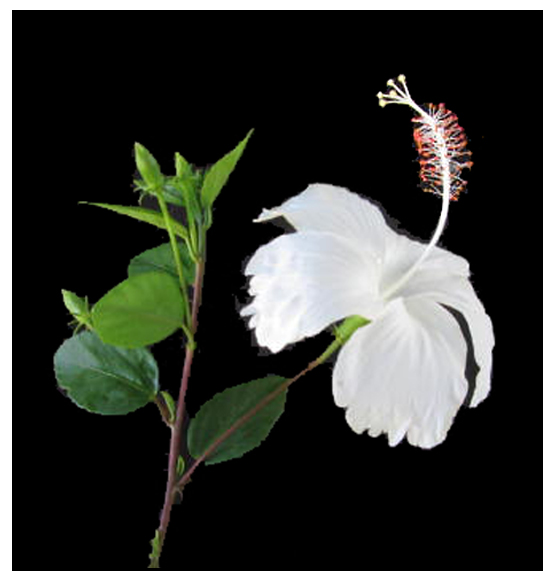
glabrous shrub, 1 to 4 meters high. Leaves are glossy green, ovate, acuminate, pointed, coarsely-toothed,
7 to 12 centimeters long, alternate, stipulate. Flowers are solitary, axillary, very large, about 10 centimeters long, and 12 centimeters in diameter. Outermost series of
bracteoles are 6, lanceolate, green, and 8 millimeters long or less. Calyx is green,
about 2 centimeters long, with ovate lobes. Petals are red, orange or rose-white, obovate, entire, rounded
tip, and imbricate. Stamens form a long staminal tube enclosing the
entire style of the pistil and protruding out of the corolla. Ovary
is 5-celled, styles are 5, fused below. Fruits are capsules, loculicidally 5-valved, but rarely formed
in cultivation.
Distribution
- Introduced.
-
Ornamental cultivation
throughout the whole country.
- Commonly planted as a hedge and fence or as landscape shrub.
- Native to Vanuatu.
- Now pantropic.
Properties
· Considered emollient,
emmenagogue, anodyne, expectorant, refrigerant.
· Anti-infectious, anthelmintic, anti-inflammatory, diuretic,
antipyretic.
· Hypotensive, antispasmodic.
· Prepared drug has sweet taste, neutral natured.
· The Hibiscus with five petals noted for its medicinal properties,
the flowers are considered astringent. The roots contain a mucilage
that is soothing on the mucous membranes of the digestive and respiratory
tracts.
· Proanthocyanidins are considered antioxidant, antipyretic,
analgesic, spasmolytic.
- Studies have suggested antifertility, cytotoxic, anticancer, antidiabetic, antibacterial, wound healing, cardioprotective, spasmogenic, spasmolytic, hypolipidemic, hypotensive, anti-anxiety, anthelmintic, anticarcinogenesis, hair-growth promoting, neuropharmacological, analgesic, anti-inflammatory, anti-ulcer, fibrinolytic, gastroprotective, hepatoprotective, antitussive, antioxidant, membrane stabilizing, hematoprotective, diuretic, larvicidal properties.
 Constituents Constituents
- Flowers reported to yield hisbiscetin.
- Flowers yield polyphenols, flavonoids and anthocyanins.
- Polysaccharides which promote wound healing and are immune-modulating.
- Studies have isolated flavonoids, cyanidin, quercetin, hentriacontane, calcium oxalate, thiamine, riboflavin, niacin, ascorbic acid.
- Constituent study of flowers yielded total anthocyanin of 165 mg/kg; tannin, ascorbic acid, and total polyphenol were 11.8g/kg, 478 mg/kg, and 14.4 mg/g respectively. Screening also yielded alkaloids and saponins. (see study below)
(35)
- Phytochemical screening of methanol extract of flowers yielded alkaloids, flavonoids, glycosides, carbohydrates, phytosterols, phenolic compound, tannins, saponins, proteins, and amino acids. (see study below) (38)
- Phytochemical screening of leaf extracts yielded tannins (+++), combined anthraquinones (+++), cardiac glycosides (+++) and alkaloids (+) in lesser concentration.
Mineral composition in mg/g showed Ca 772.57±0.01, K 181.00±0.50, P 42.38±0.01, Na 0.33±0.09 Mn 2.40±0.03. (39)
- Proximate analysis of fresh leaves yielded moisture content (9.03%), protein (10.44%), fat (6.43%), crude fiber (11.55%), ash (11.22%), and carbohydrate (51.33%). Inorganic content yielded cadmium (Cd), chromium (Cr), arsenic (As), nickel (Ni), lead (Pb), iron (Fe) and zinc (Zn). (see study below) (53)
- Phytochemical analysis of leaf mucilage yielded carbohydrates, reducing sugar, phenolics, and flavonoids, with absence of protein, rat, alkaloids, and saponin. (see study below) (63)
- GC-MS analysis of methanolic extract of flowers revealed the presence of fifteen compounds: ethanimidic acid, ethyl ester (31.43%), propanal, 2,3-dihydroxy (12.58%). propanamide, N-ethyl- (10.69%), ethylenediamine (6.71%), O-methylisourea hydrogen sulfate (4.06%), Ethene, ethoxy- (3.63%), Hexadecanoic acid, methyl ester (2.99%), 7-Formylbicyclo(4.1.0) heptanes (2.80%), 2-Butanamine, (S)- (2.72%), 1,3,5-Triazine-2,4,6-triamine (2.48%), N-Formyl-β-alanine (2.36%), (Z)6,(Z)9-Pentadecadien-1-ol (1.70%), Butanedial (1.65%), 1-Propanol, 2-methyl- (1.57%) and Methanecarbothiolic acid (1.08%) were predominant in the extract. (68)
- Study of air-dried flowers of H. rosa-sinensis yielded 5,7,4'-trihydroxyflavanone (naringenin) (1) and a mixture of hydrocarbons and squalene. (see study below) (70)
Parts
utilized
· Flowers,
roots, and leaves.
· Harvest the roots and leaves anytime of the year.
· Wash, cut into slices, and sun-dry. The flowers should
be collected from May to August, sun-dry.
 Uses Uses
Edibility / Culinary
- A tasty tea is brewed from
its petals, fried or fresh.
- Young leaves used as spinach substitute.
- Flowers are edible, raw or cooked.
- In Egypt, flower parts used in making a popular drink, Karkade.
- Various plant parts used for making jams, spices, and sauces; used as flavoring in foods and beverages.
Folkloric
· In the Philippines, flower buds, beaten to a paste, applied as poultice to boils, cancerous swellings, and mumps.
·Poultice of leaves and flower buds applied externally to swellings; the same mixture, with the addition of lime, hastens the maturation of tumors.
· Mumps, infection
of the urinary tract: use dried drug materials 15 to 30 gms, boil to
decoction and drink.
· For abscesses, carbuncles and boils: crush fresh leaves and
poultice the infected area.
· Decoction of roots, barks, leaves and flowers used as an emollient.
· Decoction from roots of red and white-flowered plants is a Kelantan
antidote for poison. Same decoction is drunk for venereal diseases and fevers.
· Decoction of roots also used for coughs.
· Decoction of flowers and or roots used as natural diuretic.
·Bark is an emmenagogue; also used to normalize menstruation.
· Malays uses a decoction of leaves as a lotion for fevers, and the roots for glands in the neck.
· Infusion or poultice of leaves used for headaches.
· Flowers and leaves used as antiseptic for boils and ulcers. Leaves used as poultice for abscess and ulcers.
.jpg) · In China, leaves used as emollient, anodyne, and a gentle aperient. · In China, leaves used as emollient, anodyne, and a gentle aperient.
· Decoction of root used as drops for sore eyes.
· Seeds used as a stimulant and for cramps.
· Decoction of leaves for fevers.
· For headaches, an infusion of leaves or poultice of leaves.
· Leaves are mildly laxative.
· Mucilage applied during labor.
· Juice of leaves, along with that of Vernonia cinerea, used by midwives to stimulate the expulsion of the placenta
· In the Dutch Indies the red flowers are used to regulate menstruation; also, considered somewhat purgative and sometimes said to cause abortion
· In Sindh, flowers are fried in clarified butter and used for checking excessive menstruation
· Red flowers used for sprue.
· Infusion of flowers and leaves used as expectorant in bronchitis
· The Chinese and Annamites use the flowers for paralysis and dysmenorrhea.
· Infusion of flowers, exposed all night to the dew, used for gonorrhea.
· Leaves and flowers used for treatment of dandruff.
· Flowers fried in ghee, given for menorrhagia. The dark red petals are used as a mucilaginous infusion for painful urination, strangury, cystitis, and other irritable genitourinary conditions
· Infusion used as a refrigerant drink for fevers and as demulcent for coughs.
· Red flowers are purgative; when taken with papaya seeds, may
be abortive.
· Hair stimulant: oil made by mixing the juice of fresh petals
and olive oil in equal proportions, and boiled till the water has evaporated, used for stimulating hair growth.
· In India, flowers are heated or boiled in coconut oil used to blacken hair or prevent it from graying.
· Seeds, pounded to a pulp and mixed with water, used for gonorrhea.
· In Costa Rica, used as a purgative.
· In Venezuela, used to treat tumors.
· In the Caribbean, used as analgesic,
anti-inflammatory.
· In the Dominican Republic, used
to treat hematomas.
· In Brazilian traditional medicine, used for treatment of diabetes.
Others
· Dye / Coloring: In Ceylon, juice of flowers reported to serve as shoe-blackening. Chinese and Hindus use the juice of petals for blackening of their eyebrows. In China, flowers are used to make black shoe polish or to make black hair dye. Flowers used as food coloring.(•) It is also used to shine shoes in certain parts of India; hence, the common name "shoeblack plant". In Indonesia and Malaysia, the flowers are called "kembang sepatu" or "bunga sepatu", literally "shoe flower". (72)
· Fibers: Bark contains strong bast fibers.
· Oil: Oil extracted from plant is used in cosmetics, soaps, and moisturizing lotions. Oil is used as perfume and as ingredient in hair products such as shampoos and conditioners. Also used in aromatherapy for its calming and relaxing properties.
· Game: In the Philippines, the plant is used by children for a bubble-making pastime. The flowers and leaves are crushed until a sticky juice comes out, to which papaya stalks are dipped and used as straws for blowing bubbles; adding soap produces more bubbles.
· Ornamental social messaging: Pacific island women traditional wear the hisbiscus flower as an ornamental hairpiece accessory, and wearing it behind the leaf ear signals she is married or has a boyfriend. (73)
· Rituals: Red hibiscus flowers are used for worship: in Hinduism, for worship of Devi; in the Bengal area of eastern India, for the worship of Kali. (72)
Studies
• Biologic Activities: Studies have demonstrated
anti-bacterial, hypotensive, antispasmodic, and chemopreventive activities.
It has shown glucose lowering in diabetic rats. Leaf extract has shown
to promote hair growth.
• Post-Coital
Antifertility Activity / Roots:
(1) The study explored the antifertility and estrogenic activity of
root extracts of H. rosa-sinensis. A strong anti-implantation and uterotropic
activity was observed. (2)
• Post-Coital
Antifertility Activity / Flowers: Study of different extracts on the postcoital antifertility properties showed only the flower extracts were 100% effective in preventing pregnancy. Extracts from H mutabilis, H schizopetalus and M grandiflorus did not markedly affect pregnancy. (7)
• Wound Healing Activity / Flowers / Leaves: Results on flower extracts study suggest
H. rosa-sinensis aids wound healing in the rat model. (3) Study on wound healing showed an ethanolic extract of flowers to have greater wound healing activity than the nitrofurazone ointment. The extract treated wound showed much faster healing as indicated by improved rates of epithelization and wound contraction. (28) Study evaluated the wound healing properties of ethanolic leaves extract using various wound models. The leaf extract showed enhanced wound contraction rate and epithelization period in both excision and burn wound models and significantly increased wound breaking strength in the incision wound model. Wound healing was attributed to strong antioxidant properties. (41)
• Cardioprotective / Flowers: Study evaluated the cardioprotective effect of the Hibiscus
rosa sinensis flowers in an oxidative stress model of myocardial ischemic
reperfusion injury in rat: The study concludes that the flower
of Hibiscus rosa-sinensis augments endogenous antioxidant activity and
prevented isoproterenol induced myocardial injury. (4)
• Spasmogenic / Spasmolytic Constituents: Presence of cholinergic and calcium channel
blocking activities explains the traditional use of Hibiscus rosa-sinensis
in constipation and diarrhea: Study indicates the crude
extract had spasmogenic and spasmolytic constituents to explain its
traditional use in constipation and diarrhea. (5)
• Phytochemical / Hypotensive Activity: Flowers extract studies isolated four new phytoconstituents. The hydroalcoholic extract showed the most significant hypotensive activity. (6)
• Hypoglycemic / Hypolipidemic Activity / Flowers: Study of ethanol flower extract on lipids and blood glucose of STZ-induced diabetic rats showed a lipid lowering effect (decrease cholesterol and serum triglycerides with increase in HDL) and diminution in blood glucose comparable to that of glibenclamide but through a mechanism other than insulin release. (8)
• Hypolipidemic Activity / Roots: Study showed a hypolipidemic effect compared to the standard drug guggulipid. Histopath findings in rat liver supported the role of H rosa sinensis root extract in preventing cholesterol HFD-induced hepatic steatosis. (10)
• Antitumor / Anticancer: Study to investigate the ameliorative potential of H rosa sinensis extract in mice skin showed the extract of HRS exerts a protective effect against tumor promotion stage of cancer development.
• Cytotoxicity / Flowers: Studies have showed H. rosa-sinensis flower decoction has cytotoxic properties in plant test systems. Decoction of flowers was toxic on root output and length in A. cepa and reduced the mitotic index significantly. Results suggest that H. rosa-sinensis flowers contain antimitotic constituents which stop cell division in anywhere of the cell cycle.
• Excipient Potential of Mucilage: Study concludes that a novel hydrophilic excipient, a mucilage extracted from H rosa sinensis can be used in the development of sustained-release tablets. (11)
• Gentisic Acid / Tumor Inhibition / Anti-Carcinogenesis: Study evaluated the role of gentisic acid, a chemical constituent of H. rosa-sinensis, on DBMA/croton oil-mediated carcinogenesis in mouse skin. Results suggest the gentisic acid plays a role in the modulatory activity of H. rosa-sinensis extract. (13)
• Antianxiety / CNS Effect: Study showed statistically significant decrease in exploratory behavior, latency, and increased rearing and ambulatory behavior. Results suggest H. rosa-sinensis has significant anti-anxiety associated psychobehaviour modulation. (14)
• Analgesic / Leaves: Study of alcohol and aqueous extracts of dried leaves showed marked dose-dependent analgesic activity. (15)
• Blood Pressure Lowering: Study showed drinking of hibiscus tea lowered blood pressure in a group of pre-hypertensive and mildly hypertensive adults. (18)
• Hair-Growth Potential: Petroleum ether extract of leaves and flowers of HRS were studied for hair growth potential over shaved skin of albino rats. Results showed the leaf extracts exhibit more potency on hair growth. (16)
• Antibacterial / Leaves and Flowers: Study evaluated extracts of leaves and flowers against clinical isolates of bacteria. Staphylococcus aureus was most sensitive to extracts of flowers. Flower extracts had stronger antibacterial effects than leaves. (20)
• Spermatogenesis Effect / Flowers: Study evaluated the effect of crude extract of flowers as antifertility agent on male albino rats. Results showed changes in the germinal epithelium of the testes from mild damage to near total sloughing, and suggests a potential role as an anti-fertility agent. (21) Study evaluated the effect of various flower extracts of H. rosa-sinensis on spermatogenesis and sperm parameters on mice. Results showed adverse effect on sperm parameters and histology of testis. (43)
• Effect on Androgenic Alopecia / Leaves: Study showed an ethanolic extract of leaves to possess significant anti-androgenic alopecia activity and is comparable to standard FDA approved drug for androgenic alopecia finasteride. (22)
• Antinociceptive / Anti-Inflammatory / Leaves: Study of a methanol extract of leaves showed dose-dependent peripheral analgesic activity in the acetic acid-induced writhing response and tail flick method. A carrageenan and dextran induced paw edema models using indomethacin as standard showed significant anti-inflammatory activity. (23)
• Anti-Ulcer / Roots / Leaves: Study evaluated various extracts of roots of H. rosa sinensis in pyloric ligation induced gastric ulcer in albino rats for antiulcer activity. An aqueous extract of roots showed highly significant dose-dependent antiulcer activity. (24) Study evaluated the antiulcer activity of various extracts of H. rosa sinensis leaves in pyloric ligation induced gastric ulcer in albino rats. Results showed highly significant (p<0.001) dose-dependent antiulcer activity. (40)
• Lack of Genotoxicity / Flowers: Evaluation of a methanol extract of flowers showed no genotoxicity in the micronucleus assay in Balb/c mice. The lack of in vivo genotoxic activity provides potential for the flower extract to be used as a pharmaceutical material. (25)
• Acute Toxicity Testing / Flowers: On acute toxicity testing, flower extract was administered at doses of 100, 200, 400, and 800 mg/kg without producing any significant changes in behavior, skin effect, breathing, defecation, postural abnormalities, impairment in food and water consumption and yellowing or loss of hair. However at dose of 1600 mg/kg, there was 20% mortality. (25)
• Fibrinolytic Activity: The fibrinolytic system's main function is to dissolve clots in circulation. The inactive precursor plasminogen is converted into plasmin by a plasminogen activator (tPA). An aqueous extract of H. rosa sinensis exhibited significant fibrinolytic activity. (26)
• Antihyperlipidemic / Leaves: A methanol extract of leaves was evaluated for antihyperlipidemic activity against Triton induced hyperlipidemia in mice. Simvastatin was used as reference drug. Results showed a significant decrease in total cholesterol (71%), triglyceride (74%) and LDL (91%). (27)
• Anthelmintic / Flowers: Study showed the anthelmintic activity of aqueous and ethanolic extract of flowers against Indian earthworm Pheretima posthuma. Standard references were Piperazine citrate, Albendazole, and Pyrantel pamoate. (29)
• Cardioprotection: Study investigated the cardioprotective effects of Hemidesmus indicus and Hibiscus rosa-sinensis in ischemia reperfusion injury in isolated rat hearts. Both drugs dose-dependently reduced ectopic beats and duration of ventricular tachycardia. HRS significantly reduced infarct size at all concentrations in a dose-dependent manner. At higher doses, HRS can cause vasodilation, positive inotropic effect and cardioprotection. (30)
• Effect on Renal Function in Hypertensive Rats / Leaves: Study investigated the effect of aqueous leaf extract on renal function of hypertensive rats. Results showed a significant (p<0.05) increase in Na+ level of normotensive rats and produce increased sat retention. Although the leaf extract can reduce blood pressure, the renal integrity may be compromised when used in the treatment of hypertension.(32)
• Hair Growth Retarding Agent: Study evaluated the efficacy of H. rosa-sinensis flower as hair growth promoter. Results showed an ethanolic extract of flowers may have potential as hair growth retarding agent for use in preparations for hair removing creams. (33)
• Mucilage as Oral Disintegrant: Study evaluated the use of mucilage separated from leaves of H. rosa-sinensis as tablet disintegrant. The mucilage was devoid of toxicity. Tablet formulations showed good appearance and better drug release properties. Results showed HRS mucilage powder was effective as disintegrant in low concentrations (4%). (34)
• Antioxidant / Membrane Stability Activity: Evaluation of flower extract showed antioxidant activity significantly lower compared to ascorbic acid. The extract of fermented H. rosa-sinensis showed a concentration dependent, biphasic membrane stability. Results suggest the flower could be a good source of dietary antioxidant and stabilized RBC exposed to induced lyses. (see constituents above) (35)
• Benefits in Pregnant Diabetic Group / Deleterious Effects / Flowers: Study evaluated an aqueous extract of H. rosa-sinensis flowers on maternal-fetal outcome in pregnant rats with STZ-induced diabetes. Although treatment with H. rosa-sinensis led to no toxicity, there were deleterious effects on cardiac and reproductive functions. Diabetic treated group showed increased maternal and fetal weights, reduced atherogenic index (AI) and coronary artery risk index (CRI) and reduced preimplantation loss rate compared to untreated diabetic group. (36)
• In-Vitro Inhibition of Melanoma Cell Growth / Flowers: Study of an aqueous H. rosa-sinensis flower extract compounds showed dose-dependent inhibition of melanoma cell growth. Study suggests the compounds can potentiate the effects of other treatments including traditional cytotoxic therapies and agents that target oncogenic serine kinase signaling events and immunomodulation. (37)
• Antibacterial / Flowers: Study showed maximum antibacterial effect at high concentration of methanol extract of flowers against E. coli, P. aeruginosa, and S. aureus. (see constituents above) (38)
• Antibacterial / Leaves: Study of solvent extract of leaves of H. rosa-sinensis showed higher maximum zones of inhibition with 18.82±0.18 mm than aqueous extract with 14.00±0.15 mm around Bacillus subtilis. (see constituents above) (39)
• Nanoparticles / Antibacterial / Flowers: Study reports on the green synthesis of silver nanoparticles from flower extract of H. rosa-sinensis. It showed effective and efficient treatment for Aeromonas hydrophyla infection in fish. (44)
• Antidiabetic / Aerial Parts: Study of Hibiscus rosa-sinensis extracts of aerial parts showed antihyperglycemic effect and alleviation of liver and renal damage in streptozotocin (STZ)-induced diabetic rats. (45)
• Ameliorative Effect on Phenylhydrazine Induced Hematotoxicity / Flowers:Study evaluated the haematoprotective effect of methanolic extract of H. rosa-sinensis flowers against phenylhydrazine induced haematotoxicity in rats. Results showed statistically significant (p<0.005) haematoprotectiive effect at 400 mg/kg and 800 mg/kg doses which may be due to high phenolic and flavonoid contents. (46)
• Neuropharmacological Activities / Roots: Study evaluated a methanolic extract of H. rosa-sinensis roots on central nervous system in mice and rats using various methods of neurologic assessment. Results suggest HRS produces significant CNS depressant activity. The sedative, anxiolytic, antipsychotic and muscle relaxant activities may be mediated via facilitation of GABAergic transmission or inhibition of serotonergic and dopaminergic transmission. (47)
• Dual Inhibition of Cholinesterase Enzyme: Study evaluated an aqueous extract of H. rosa-sinensis for anti-cholinesterase activity against acetylcholinesterase (AChE) and butrylcholinesterase (BUChE). Results showed significant inhibition in a concentration dependent manner: 62.02%±0.03 (SEM) against AChE and 57.83%±0.05 (SEM) against BUChE enzymes. Study showed dual-antiicholinesterase activity and a therapeutic potential in improving memory and other cholinergic cognitive function. (48)
• Antihyperlipidemic: Study investigated the antihyperlipidemic effect of H. rosa-sinensis ethanolic extract fractions in triton and atherogenic diet-induced hyperlipidemic rats. Oral administration of 500 mg/kbw of ethanolic extract residual fraction showed significant antihyperlipidemic activity as evidenced by significant reduction (p<0.01) in serum lipid parameters viz. triglycerides, total cholesterol, LDL, VLDL, with an increase in HDL. (49)
• Antioxidant Activity of Iron from Petals: Study isolated iron from the petals of Hibiscus rosa-sinensis. Lyophylized petal powder of the flowers showed a iron content of 0.8 mg/g of sample. Antioxidant evaluation showed maximum scavenging activity at concentration of 1 mg/ml. Results suggest the iron from hibiscus, generally non-edible, has potential for various biological activities and food fortification. (50)
• Anti-Androgenic Alopecia / Leaves: Study evaluated H. rosa-siinensis leaves as hair growth promoter on male albino rates with androgenic alopecia induced by SC testosterone. Results showed significant anti-androgenic alopecia activity. Rats treated with finasteride and ethanolic extract of H. rosa-sinensis did not become alopecic, further evidence by follicular morphology. Results were comparable to standard FDA approved drug for androgenic alopecia finasteride. (51)
• Protective Effect on Reserpine Induced Neurobehavioral and Biochemical Alterations: Study evaluated a methanolic extract of H. rosa-sinensis on reserpine-induced orofacial dyskinesia and neurochemical alterations in a rat model. Co-administration of the extract significantly reduced lipid peroxidation and reversed the decrease in brain SOD, CAT and GSH levels. (52)
• Antioxidant Activity / Leaves: Study evaluated fresh and dried leaves for antioxidant activities using DPPH and FRAP assays. FRAP and DPPH antioxidant activities were higher with dried leaves than fresh leaves (p<0.05). (see constituents above) (53)
•
Hepatoprotective / Alleviation of Thioacetamide Induced Acute Hepatotoxicity: Study evaluated the prophylactic effect of H. rosa-sinensis extract against thioacetamide (TAA)-induced hepatotoxicity in male wistar rats. Pretreatment showed significant hepatoprotective effect. HRS extract significant ameliorated TAA mediated liver injury possibly by inhibition of lipid peroxidation, restoration of endogenous enzymatic defense system. Activity may be due to its antioxidant property and the presence of polyphenolic content, especially quercetin which is one of its major components. (54)
• No Antibacterial Activity Against Staphylococcus epidermis and S. saprophyticus Flower:Study evaluated gumamela flower extract for antibacterial activity against Staphylococcus epidermis and S. saprophyticus as causative agents of urinary tract infection. Results showed the gumamela flower extract is not potent as treatment for the two bacteria as evidenced by the absence of visible zone of inhibition in different concentrations. (55)
• Effect on the Liver / A Histo-Morphological Investigation: Study evaluated the effect of Hibiscus rosa-sinensis on the liver of Swiss albino mice. There were no remarkable changes on the gross and histological architecture of the liver. Results suggest the extract of H. Rosa-sinenesis has no harmful effects on the histomorphology of the liver in test mice. (56)
• Comparative Antioxidant Activity of Petals from Four Plants: Study evaluated the in vitro antioxidant activity of petals from four different Indian medicinal plants viz., Punica granatum, Hibiscus rosa-sinensis, Cassia auriculata, and Moringa oleifera. Preliminary phytochemical screening revealed the presence of flavonoids. The methanolic extract of H. rosa-sinensis petals showed highest radical scavenging activities in all assays tested at 20µl/ml, and showed abundant phenolic (62.4%) and flavonoid contents (73.2%) compared to the other plants. Results suggest H. rosa-sinensis is a potential source of natural antioxidants. (57)
• No cardioprotective Activity / Flowers: Study evaluated the cardioprotective activity of H. rosa-sinensis flower extract on isoproterenol-induced myocardial injury in male albino rats. In this study, the flavonoid extract showed not cardioprotective activity. (see study 4) (58)
• Hair Growth Activity / Flowers: Study investigated the in vivo and in vitro efficacy of aqueous extract of H. rosa-sinensis flowers. In vivo, 2.0% w/v aqueous extract of flower in absolute alcohol was applied topically over shaved heads of albino rats. In vitro, hair follicles from neonates of albino rats were isolated and cultured in DMEM supplemented with 1.0% w/v aqueous extract of flowers. Results suggest the flower extract has significant hair growth potential compared to control (minoxidil 2.0% w/v). (59)
• Antipyretic / Leaves: Study evaluated the antipyretic activity of H. rosa-sinensis petroleum ether and methanolic extracts of leaves in yeast-induced pyrexia in Wistar albino rats. The ME showed significant (p<0.05) dose dependent antipyretic effect in experimental rats. The activity was attributed to the presence of flavonoids. (60)
• Anti-Tussive / Flower: Study evaluated H. rosa-sinensis dried flower parts extracted with methanol for anti-tussive activity in Histamin chamber using citric acid (7,5% w/v) induced cough model. Results suggested anti-tussive effect as evidenced by significant decrease in number of coughing. (61)
• Sensory Analysis as Herbal Infusion: Study investigated the sensory attributes and general acceptability of gumamela herbal infusion in measures of color, aroma, taste, flavor, and shelf-life. Results showed no significant difference in terms of taste, color, and aroma which suggests gumamela herbal infusion is comparable to commercial herbal infusion. The flavor tests yielded more positive results, with respondents expressing more preference for the gumamela infusion. (62)
• Mucilage from Leaves: Study reports on the extraction of mucilage from the leaves of H. rosa-sinensis, its quantification, and physico-chemical characterization. FTIR spectral and electrokinetic data showed the mucilage can be considered a suitable blending ingredient in composites with potential for industrial applications. (see constituents above) (63)
• Antidiabetic / Flowers: Study of ethanolic extract of flowers of H. rosa-sinensis for antidiabetic effect in hyperlipidemic diabetic Wistar rats. There was significantly increased blood glucose levels and lipid profile with lowered plasma insulin level in the hyperlipidenic test rats. Treatment showed changes in the biochemical parameters. The 500 mg/kg dose showed best results. (64)
• Formulation of Herbal Hydrogel: Study reports on various formulations prepared with different concentrations of the plant extract, which was evaluated for physical parameters, viscosity, skin irritation, and spreadability. Of three formulations, the 20% was found better in all aspects. Results suggest potential as alternative for treatment and drug delivery options (65)
• Antioxidant / Phenolic Content / Anti-Hemolytic / Flowers: Study evaluated flower extracts for total phenolic content (TPC) and flavonoid constituents. Free radical scavenging activity was evaluated using DPPH. The extract was analyzed for hydrogen peroxide induced hemolysis and lipid peroxidation as indices of erythrocyte damage. Flavonoid analysis of methanol extract yielded rutin, quercetin, kaempferol, and myricetin in amounts of 4104.0m 7.6, 361.9, and 50.7 µg/ml, respectively. The extract significantly reduced hydrogen peroxide induced hemolysis and lipid peroxidation in vitro. Results suggest phenolics and flavonoids may be the main contributors to antioxidant and antihemolytic activities. Study suggests potential of flowers for development of functional ingredients/foods. (66)
• Anthelmintic / Leaves: Study evaluated various extracts and leaves of H. rosa-sinensis for anthelmintic activity against earthworm Pheretima posthuma. Ethanolic and aqueous extracts showed comparable anthelmintic activity with standard drug Albendazole. The ethanolic and aqueous extracts yielded tannins and flavonoid compounds. (also see: study 29) (67)
• Bioactive Constituents of Flower: GC-MS analysis of flower of H. rosa-sinensis yielded fifteen phytocompounds. Some of the compounds have been shown to have antioxidant, cancer preventive, pesticidal, hypocholesterolemic, antimicrobial properties among others. The presence of various bioactive compounds justifies its use by traditional practitioners.
(see constituents above) (68)
• Effects in Diabetic Pregnant Rats / Flowers: Study evaluated the effect of aqueous extract of H. rosa-sinensis flowers on maternal-fetal outcome in pregnant rats with diabetes. Non-diabetic treated group showed decreased HDL cholesterol, increased atherogenic index (AI), and coronary artery risk index (CRI), and increased preimplantation loss rate compared to non-diabetic group. Although treatment led to no toxicity, it showed deleterious effects on cardiac and reproductive functions. Diabetic treated group showed reduced AI and CRI, and reduced preimplantation loss rate compared to untreated diabetic group. Results suggest beneficial effects only in pregnant rats with diabetes and their offspring. Study suggests indiscriminate intake of H. rosa-sinensis may be harmful to healthy individuals and should be completely avoided in pregnancy. (69)
• Antimicrobial Flavonoid / Flowers: Study of air-dried flowers of H. rosa-sinensis yielded 5,7,4'-trihydroxyflavanone (naringenin) (1) and a mixture of hydrocarbons and squalene. Naringenin showed low activity against S. aureus and fungi, C. albicans and T. mentagrophytes. (70)
• Antibacterial / Streptococcus sanguinis / Plaque Formation & Gingivitis / Flowers: Gingivitis occurs due to dental plaque formation. Streptococcus sanguinis is a predominant bacteria that initiates plaque formation. Study evaluated the effect of H. rosa-sinensis flower extract concentration on the growth of S. sanguinis. Flower extract concentrations of 2, 4, and 6% were used, with chlorhexidine 0.12% as positive control, and distilled water as negative control. Results showed highest inhibitory zone at 6% concentration. Results suggest the flower extract affects the growth of S. sanguinis. (74)
• Red Hibiscus as Home Remedy for Diabetes and Elevated Cholesterol / Flowers / Review: Review focused on available data on effects of H. rosa-sinensis flower petals on controlling diabetes and hypercholesterolemia. Thirty-nine journal articles were found that fulfilled the criteria. Review suggested the dose of H. rosa-sinensis petals present in home-made Hibiscus tea is theoretically sufficient to elicit anti-hyperglycemic and antihyperlipidemic effcts, and, to boot, without causing toxicity. (75)
• Antibacterial Herbal Wash / White Flowers: Study evaluated the antibacterial formulation of an effective herbal wash of white hibiscus flowers against various bacterial infections. Results showed the F1 batch of pale yellowish color, smooth texture, pleasant odor, with no irritation on human skin. Antibacterial activity was determined by disc diffusion method. Results showed the F1 batch showed more activity against E. coli and Bacilllus, and was inactive against P. aerugiinosa and S. aureus. (76)
• Cosmetic and Medicinal Applications / Flowers and Leaves Mucilage: Study of H. rosa-sinensis dried mucilage powder from leaves showed: (1) Super disintegrant property in fast-dissolving tablets, better than synthetic superdisintegrants; (2) As binder, it exhibited binding properties for sustained release of diclofenac sodium. The mucilage yields abundant polysaccharides with excellent physico-chemical qualities such as neutral pH, high swelling index, good flow properties, and tiny particle size. It is employed in a wide variety of medicines and home remedies for skin and hair concerns. (77) (79)
• Antipyretic / Flowers: Study evaluated the antipyretic properties and possible mechanisms of ethanol extracts of H. rosa-sinensis (red-colored flower) and H. rosa-sinensis var. alba (white colored flower). Fever was induced in rats by injecting Brewer's Yeast subcutaneously. Results showed the white flower extract 5mg/kg and 50 mg/kg significantly (p<0.05) reduced the total temperature when compared to positive control. Ibuprofen was used as reference drug. (78)
• Diuretic / Flowers: Study evaluated the diuretic effect of H. rosa-sinensis (Gumamela) flower extract on Mus musculus (male albino mice). Furosemide was used as reference drug. Results showed diuretic effect evidenced by increase urine output for six hours. (80)
• Larvicidal Against Ae. aegypti / Leaves: Study evaluated the larvicidal potential of H. rosa-sinensis leaf extract on Aedes mosquito larvae. Concentrations of 10, 25, and 45% leaf extracts were used. Results suggest the leaf extract exhibited larvicidal potential. The concentration of 24% and 45% showed significant effect but less compared to the 10% concentration. The 25% concentration showed the same percent larval mortality with the 45% concentration group. Baygon as positive control showed 100% mortality. (81)
Availability
- Wild-crafted.
- Cultivated for ornamental use.
- Extracts, teas, supplements in the cybermarket.
|