|
Gen info
- Annona or Anona is a genus of flowering plants in the pawpaw/sugar apple family, Annonaceae. It is the second largest genus in the family after Guatteria, containing approximately 166 species of mostly Neotropical and Afrotropical trees and shrubs. (84)
-
Etymology: The genus name Annona derives from Latin 'anon', meaning 'yearly produce' or signifying 'the year's harvest', referring to the annual harvest of soursop fruits. (•) Alternatively, Annona derives from anon, a Hispaniolan Taino word for the fruit.
- Annona muricata was first described by Carl von Linnaeus in Species Plantarum, 1753.
Botany
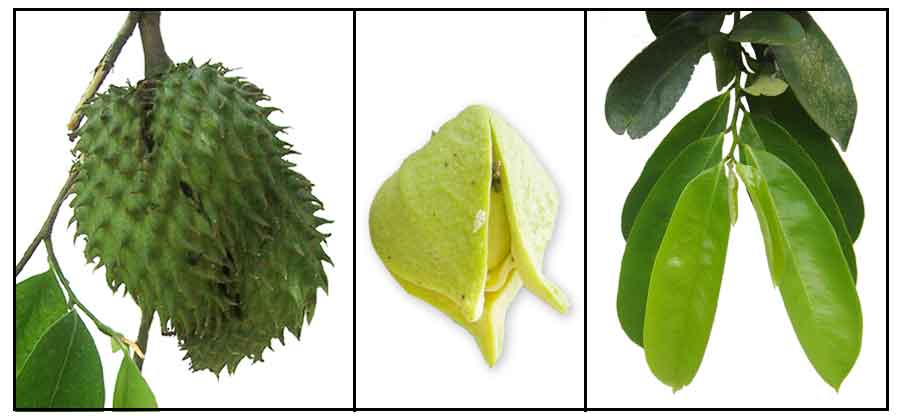
• Guyabano is a small tree, usually less
than 7 meters high. Leaves are smooth, glossy, shiny, oblong-obovate to oblong,
7 to 20 centimeters in length, pointed on both ends, with petioles about 5 millimeters long. Flower is solitary, large,
solitary, yellow or greenish-yellow. Three outer petals are broadly ovate with a heart-shaped base, up to 5 centimeters long, and 3 centimeters wide; and the inner three are also large, elliptic to obovate, and rounded.
Fruit is ovoid and large, up to 18 centimeters long, covered
with small scattered, soft spinelike processes. Skin is thin, and the pulp is soft, rather fibrous, white, and fleshy, with an agreeable, but rather sour flavor.
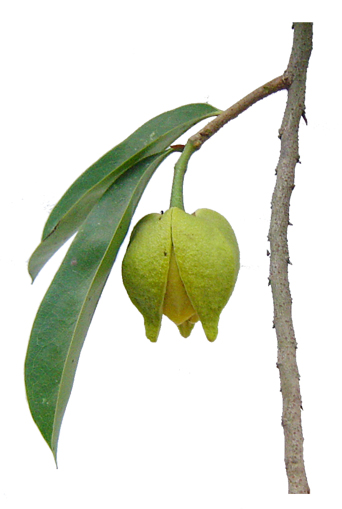 • Annona muricata is a small, upright, evergreen tree that can grow to about 30 feet (9.1 m) tall. Young branches are hairy. Leaves are oblong to oval, 8 centimetres (3.1 in) to 16 centimetres (6.3 in) long and 3 centimetres (1.2 in) to 7 centimeters (2.8 in) wide, glossy dark green with no hairs above, and paler and minutely hairy to no hairs below. Leaf stalks are 4 millimeters (0.16 in) to 13 millimeters (0.51 in) long and without hairs. Flower stalks (peduncles) are 2 millimeters (0.079 in) to 5 millimeters (0.20 in) long and woody. They appear opposite from the leaves or as an extra from near the leaf stalk, each with one or two flowers, occasionally a third.[8] Stalks for the individual flowers (pedicels) are stout and woody, minutely hairy to hairless and 15 millimeters (0.59 in) to 20 millimeters (0.79 in) with small bractlets nearer to the base which are densely hairy. Petals are thick and yellowish. Outer petals meet at the edges without overlapping and are broadly ovate, 2.8 centimeters (1.1 in) to 3.3 centimeters (1.3 in) by 2.1 centimeters (0.83 in) to 2.5 centimeters (0.98 in), tapering to a point with a heart shaped base. They are evenly thick, and are covered with long, slender, soft hairs externally and matted finely with soft hairs within. Inner petals are oval shaped and overlap. They measure roughly 2.5 centimeters (0.98 in) to 2.8 centimeters (1.1 in) by 2 centimeters (0.79 in), and are sharply angled and tapering at the base. Margins are comparatively thin, with fine matted soft hairs on both sides. The receptacle is conical and hairy. The stamens are 4.5 millimeters (0.18 in) long and narrowly wedge-shaped. The connective-tip terminate abruptly and anther hollows are unequal. Sepals are quite thick and do not overlap. Carpels are linear and basally growing from one base. The ovaries are covered with dense reddish brown hairs, 1-ovuled, style short and stigma truncate.[8] Its pollen is shed as permanent tetrads. Fruits are oval, dark green when immature, with a leathery, inedible skin that turns yellow-green during maturity. They can be up to 30 centimeters (12 in) long, ( individuals up to fifteen inches (35 centimeters) have been reported)[10] with a moderately firm texture, and may weigh 15 lb (6.8 kg). Their flesh is juicy, acidic, whitish, and aromatic somewhat like pineapple, although with a unique earthy aroma. Most of the immature segments are seedless, whereas mature fruit may contain as many as 200 seeds. (77) • Annona muricata is a small, upright, evergreen tree that can grow to about 30 feet (9.1 m) tall. Young branches are hairy. Leaves are oblong to oval, 8 centimetres (3.1 in) to 16 centimetres (6.3 in) long and 3 centimetres (1.2 in) to 7 centimeters (2.8 in) wide, glossy dark green with no hairs above, and paler and minutely hairy to no hairs below. Leaf stalks are 4 millimeters (0.16 in) to 13 millimeters (0.51 in) long and without hairs. Flower stalks (peduncles) are 2 millimeters (0.079 in) to 5 millimeters (0.20 in) long and woody. They appear opposite from the leaves or as an extra from near the leaf stalk, each with one or two flowers, occasionally a third.[8] Stalks for the individual flowers (pedicels) are stout and woody, minutely hairy to hairless and 15 millimeters (0.59 in) to 20 millimeters (0.79 in) with small bractlets nearer to the base which are densely hairy. Petals are thick and yellowish. Outer petals meet at the edges without overlapping and are broadly ovate, 2.8 centimeters (1.1 in) to 3.3 centimeters (1.3 in) by 2.1 centimeters (0.83 in) to 2.5 centimeters (0.98 in), tapering to a point with a heart shaped base. They are evenly thick, and are covered with long, slender, soft hairs externally and matted finely with soft hairs within. Inner petals are oval shaped and overlap. They measure roughly 2.5 centimeters (0.98 in) to 2.8 centimeters (1.1 in) by 2 centimeters (0.79 in), and are sharply angled and tapering at the base. Margins are comparatively thin, with fine matted soft hairs on both sides. The receptacle is conical and hairy. The stamens are 4.5 millimeters (0.18 in) long and narrowly wedge-shaped. The connective-tip terminate abruptly and anther hollows are unequal. Sepals are quite thick and do not overlap. Carpels are linear and basally growing from one base. The ovaries are covered with dense reddish brown hairs, 1-ovuled, style short and stigma truncate.[8] Its pollen is shed as permanent tetrads. Fruits are oval, dark green when immature, with a leathery, inedible skin that turns yellow-green during maturity. They can be up to 30 centimeters (12 in) long, ( individuals up to fifteen inches (35 centimeters) have been reported)[10] with a moderately firm texture, and may weigh 15 lb (6.8 kg). Their flesh is juicy, acidic, whitish, and aromatic somewhat like pineapple, although with a unique earthy aroma. Most of the immature segments are seedless, whereas mature fruit may contain as many as 200 seeds. (77)
Distribution
- Introduced.
-
Cultivated for its edible fruit.
- Not naturalized.
- Prevalent in the rain forests of Africa, South America, and Southeast Asia.
- Native to Belize, Bolivia, Colombia, Costa Rica, Ecuador, French Guiana, Guatemala, Guyana, Honduras, Mexico Southeast, Nicaragua, Panamá, Peru, Suriname, Venezuela.
- Widely cultivated, it has become invasive in some areas, in tropical and subtropical climates throughout the world, such as India.
(77)
Constituents
· Studies yielded tannins, steroids and cardiac glycosides as major phytochemical compounds.
· Alcoholic extract of leaves, when distilled with steam,
yielded a small amount of essential oil with a strong, somewhat agreeable odor.
· The extract also yielded a dark-green resin containing: myricyl
alcohol, sitosterol, fatty acids (oleic, linoleic, and stearic acids, together with a higher fatty acid, possibly lignoceric acid) and a diphydric alcohol, anonol.
· Flesh of fruit contains saccharose 2.53%, dextrose 5.05 percent,
and levulose 0.04%.
· Among major compounds, acetogenin is the most abundant. It is a long-chain fatty acid derivative widely present in the Annonaceae family. The most abundant alkaloid compounds are reticuline and coreximine. The most common alkaloids are isoquinoline, aporphine, and protoberberine types. The most common flavonoid is quercetin, while the most abundant flavonoid in the leaf extract is rutin. (73)
 · Bark yielded an amorphous alkaloid, found to be poisonous, causing tetanus-like convulsions when injected to mice. · Bark yielded an amorphous alkaloid, found to be poisonous, causing tetanus-like convulsions when injected to mice.
· Seed contains a nonpoisonous alkaloid.
· Recent studies isolated three acetogenins: annonacin, annonacin
A and annomuricin A.
· Stem bark yielded one acetogenin, solamin and two triterpenoids, stigmasterol and sitosterol.
· Study yielded two new acetogenins, muricatalicin (1) and muricatalin (VI), a mesitoate of a new acetogenin, annonacin-B mesitoate (Vb) and three known acetogenins, annonacin (II), annonacin-A (III) and annonacin-10-one (IV). (see study below) (9)
· Study isolated sterols: β-sitosterone (1), β-sitosteryl fatty acid ester (2) and β-sitosterol (3); and the triterpenes: α-amyrin (4), β-amyrin (5) and squalene (6) from the dichloromethane extract of the freeze-dried fruit of Annona muricata Linn. (See study below) (18)
· Dichloromethane extract of seeds yielded annoreticuin-9-one (1) while fruit flesh yielded cis-annoreticuin (2) and sabadelin (3). (see study below) (26)
· Seeds yield lactones, annomonicina, annomontacina, annonacina, annomuricatina, annonacinona, javoricina, among others. (29)
· Leaf oil yielded 59 compounds. Main components were ß-caryophyllene (31.4%), δ-cadinene (6.7%), α-muurolene (5.5%), T- and α-cadinols (4.3%). (29)
· Nutrient analysis of pulp and drink yielded a carbohydrate content 72.71% and 83.47%, fiber 6.26% and 3.47%, retinol 192.50 IU and 63.76 IU, ascorbic acid 22.59 mg/110g and 34.71 mg/100 g, flavonoids 9.32 and 5.24 mg/100 g, and tannin 65.98 and 53.96 mg/100 g. (see study below) (32)
· Study of aqueous and methanol leaf extracts yielded carbohydrates, proteins and amino acids, fats and fatty acids, steroids, flavonoid, tannin and phenolic compounds, saponins, and cardiac glycosides. The aqueous extract yielded anthraquinone glycoside, coumarin glycoside, and terpenoids. The methanol extract yielded alkaloids. (see study below) (44)
· Study of freeze-dried seeds of A. muricata isolated murisolin (1), annoreticuin-9-one (2), cis- annoreticuin (3), sabadelin (4), ß-sitosterol (5), stigmasterol (6), and triglyceride (7); the fruits yielded constituents 2-7. (see study below) (46)
· Study of fruit juice of soursop for trace elements (concentration PPP at µg/ml) yielded boron (B) 20.22, zinc (Zn) 0.688, iron (Fe) 0.264, manganese (Mn) 0.217, copper (Cu) 0.19, lead (Pb) 0.13, cadmium (Cd) 0.0872, nickel (Ni) 0.074, cobalt (Co) 0.05, selenium (Se) 0.0001. (50)
- Study
of seeds yielded seven new annonaceous acetogenins, muricins A-G (1-7), as well as five known compounds, a mixture of muricatetrocin A( (8), and muricatetrocin B (9), longifolicin (10), coroddolin (11), and corossolone (12). (see study below) (35)
- Hydroalcoholic extract of leaves yielded reducing carbohydrates, alkaloids, phenols, tannins, triterpenes, steroids, saponins, flavonoids, proteins, cardiac glycosides, and anthocyanins. (see study below)
(76)
Properties
- Fruit is reported antiscorbutic and astringent.
- Flowers are pectoral.
- Leaves are antispasmodic.
- Seeds are emetic.
- Infusion of leaves are sudorific.
- Recent studies suggest a potential for antiviral,
antibacterial, antifungal, antiparasitic, antileishmanial, antinociceptive, anti-inflammatory, anti-listerial, anti-depressive, antihyperglycemic, hypotensive, immune-enhancing, and anti-cancer, antioxidant, radioprotective, chemopreventive, uric acid inhibitory, neurotoxicity, antidepressant, larvicidal properties.
Parts
utilized
Leaves, flowers, fruit.
 Uses Uses
Edibility / Nutrition
· Juicy ripe fruit is eaten
raw; also used in making juices, beverages, ice cream, and jelly tarts.
· Fruit is an excellent source of vitamins B and C.
· In Indonesia, fruit is called sirsak and made into sweet dodol sirsak by boiling the soursop in water and adding sugar until the mixture caramelizes and hardens. (77)
- Leaves are sometimes used for tenderizing meat. (77)
Folkloric
· Unripe fruit used for dysentery.
· Ripe fruit is antiscorbutic.
· Fruit used for treatment of lice and dandruff.
· Seeds and green fruit are astringent.
· Flowers are antispasmodic.
· Infusion of leaves used as sudorific, antispasmodic and emetic.
· In some cultures, the fruits and leaves are used for tranquilizing
and sedative properties.
· Juice of ripe fruit used as diuretic and for hematuria and
urethritis.
· Flesh of soursop used as poultice to draw out chiggers.
· Decoction of leaves used of head lice and bedbugs.
· Pulverized seeds and seed oil effective for head lice.
· Fruit used as a bait in fish traps.
· Decoction of leaves used as compresses for inflammation and
swollen feet.
· Poultice of mashed leaves and sap of young leaves used for
eczema and skin eruptions.
· Flowers used to alleviate catarrh.
· Used as tonic and febrifuge; seeds and green fruit used as astringent and for dysentery.
· Leaves used to increase mother's milk after childbirth.
· In Indonesia traditionally used as anti-inflammatory and anti-tumor
· In the West Indies, used as vermifuge.
· Used as tonic by Chinese and Malays.
· In Mexico used as pectoral, antiscorbutic and febrifuge; seeds and green fruit used as astringent and for dysentery.
· In Yucatan juice of the fruit is used for dysentery.
· In Cameroon, leaves used for diabetes.
· In Antiles and Reunion, infusion of leaves used as sudorific.
· In the Peruvian Andes, leaf tea is used for catarrh and crushed seeds for parasitism.
· In the Peruvian Amazon, bark, roots and leaves used for diabetes, as sedative and as antispasmodic.
· In the Brazilian Amazon, the oil of leaves and unripe fruit is mixed with olive oil and used externally for neuralgic, rheumatism and arthritis pains.
· Green bark rubbed on wounds to stop bleeding.
· In Africa crushed leaves used to treat fever, skin rashes, and convulsions. In Trinidad and Tobago leaf decoction used for hypertension. In Indonesia, leaf infusion used for diabetes.
Others
· Timber: Sapwood is whitish; heartwood, brown. Wood is soft, light, not durable; rarely used as timber but has been used as ox yokes. (72)
· Poison: Powder of dried leaves and sap from fresh ones used for killing vermin. Powder or oil from seeds used to kill lice and bedbugs. All plant parts have insecticidal properties. (72)
· Tanning: Bark has been used in tanning.
· Paper: The wood is a potential source of paper pulp.
· Sleep-aid: For a good night's sleep, leaves are put in the pillow slip
or strewn in bed.
Studies
• Cytotoxicity / Antileishmanial / Pericarp: Study evaluated hexane, ethyl acetate, and methanol extracts of A. muricata pericarp in vitro against Leishmania braziliensis and L. panamensis promastigotes, and against cell line U-937. The ethyl acetate extract was more active than the other extracts and the reference Glucantine. Study isolated three acetogenins— annonacin,
annonacin A and annomuricin A. (2)
• Anti-Diabetes: Study evaluated the effects of aqueous extracts of A. muricata on pancreatic ß-cells morphology and oxidative stress induced by STZ-diabetic rats. Results showed benefits on pancreatic tissues of STZ-induced oxidative stress by directly quenching lipid peroxides and indirectly enhancing production of endogenous antioxidants, protecting and preserving pancreatic ß cell integrity. (5) Study of aqueous extract in STZ-induced diabetic rats showed antidiabetic activity. The effect was attributed to its hypolipidemic effect, its antioxidant and protective action of pancreatic ß-cells, which improved glucose metabolism. (21)
• Pancreatic Islet Cell Effect: Study evaluated the effect of methanolic extract of leaves on pancreatic islet cells of STZ-induced diabetic rats. Histopathologic study showed regeneration of ß-cells
of pancreatic islets in A. muriatica- treated rats. (7)
• Anti-Herpes Simplex Virus:
Study showed the extract of Annona muricata to inhibit the cytopathic effect of HSV-1
on vero cells indicating an anti-HSV1 potential. (8)
• Anticancer / Acetoginins:
There are much publicized studies on the anti-tumor, anti-cancer and
selective toxicity of Annona muricata against several types of cancer
cells. One study showed that one of the acetoginins was selectively cytotoxic
to colon adenocarcinoma cells, with a potency 10,000 times that of adriamycin.
• Antineoplastic / Acetoginins: Annonaceous acetogenin (polyketide) is a
potential antineoplastic agent from the Annonaceae plants. Study on the chemical constituents of Annona muricata yielded two
new a acetogenins acetogenins: Muricatalicin (I) and muricatalin (VI), a mesitoate of a new acetogenin, annonacin-B mesitoate (Vb), and three known acetogenins, annonacin (II), annonacin-A (III) and annonacin-10-one (IV). (see constituents above) (9)
• Anti-Cancer
/ Adriamycin-Resistant Adenocarcinoma: Graviola extracts were show to be effective against growth of Adriamycin-resistant human adenocarcinoma (MCF-7/Adr) by blocking the cancer cell's access to ATP and by inhibiting the actions of plasma membrane glycoprotein.
• Anti-Hyperlipidemia: Study
of methanolic extracts of AM on serum lipid profiles in experimentally-induced
diabetic Wistar rats showed antihyperlipidemic activities with significant
(p<0.05) reduction in total cholesterol, LDL and VLDL and a significant (p<0.05) increase
in HDL and antiatherogenic index. (10)
• Anti-depression: Graviola may have antidepressive activity due to its ability to stimulate serotonin receptors.
• Antimicrobial / Leaves: Annona muricata extract of leaves exhibited a broad spectrum of activity against a panel of bacteria (B. subtilis, Staph aureus, K. pneumonia, P. vulgaris, etc.) responsible for common bacterial diseases like pneumonia, diarrhea, UTIs and skin infections. (14) Study evaluated the biocidal activity of A. muricata extract of leaves against 10 clinical strains of bacteria and 6 fungal strains. The EA fractions showed greatest antibacterial activity while an n-butanol fraction exhibited the greatest antifungal effect. (59)
• Cytotoxicity: A crude hexane extract of Annona muricata L. gave a significant activity with an IC50 value of 0.8 pg/ml against CEM-SS cell line while the crude ethyl acetate (EA) extract also gave a significant activity with an IC50 value of 0.5 pg/ml but against HL-60 cell line. (15)
• Decreased Lipid Peroxidation / Increased Insulin Production and Endogenous Antioxidants / Leaves: Study evaluated the protective effects of A. muricata leaf extract in rat experimental paradigms of diabetes. Study showed a protective, beneficial effect on hepatic tissues subjected to STZ-induced oxidative stress, possibly by decreasing lipid peroxidation and indirectly enhancing the production of insulin and endogenous antioxidants. (17)
• Sterols / Biologic Activities / Fruit: Study of dichlormethane extract of freeze-dried fruit isolated six sterols compounds from A. muricata for the first time:: β-sitosterone (1), β-sitosteryl fatty acid ester (2) and β-sitosterol (3); and the triterpenes: α-amyrin (4), β-amyrin (5) and squalene (6). ß- sitosterone has shown significant hypoglycemic, antiarrhythmic and antitubercular activities. ß-sitosterol has exhibited inhibition of proliferation and induced apoptosis in human solid tumors. α-amyrin and ß-amyrin have shown anti-inflammatory and analgesic properties. Squalene has shown cardioprotective effect and significantly suppressed colonic ACF formation and crypt multiplicity. (18)
• Effect on Liver Function Enzymes / Seeds: Study of methanolic extract of seed in alloxan-induced diabetic rats significantly decreased serum ALP, AST, and ALT and restored cytoarchitecture of liver hepatocytes. (19)
• Induced Apoptosis / Leaves: Ethyl acetate extract of Annona muricata inhibited the proliferation of A549 cells, leading to cell cycle arrest and programmed cell death through activation of the mitochondrial-mediated signaling pathway with the involvement of NF-kB signaling pathway. (20)
• Toxicity Studies / Leaves: Study evaluated aqueous extract of leaves for toxicity in acute and subchronic models in animals. The median acute toxicity value (LD50) was <5 g/kbw. The extract lowered blood glucose and LDL-cholesterol but raised HDL-cholesterol in male and female rats. Results showed no toxic effect in animal tissues at low and moderate doses but could cause kidney damage in higher doses. Creatinine levels were increased at 2500 mg. Study also showed antidiabetic effect by lowering of plasma glucose level, with positive effects on cardiovascular risk factors. (also see: 25) (22)
• Antibacterial / Pods: Aqueous extracts of soursop showed an antibacterial effect against Staphylococcus aureus and V. cholerae. Ethanol extracts showed no activity. (23)
• Chemopreventive / Leaves / Skin Papillomagenesis: Study evaluated the chemopreventive effects of ethanolic extract of leaves in a two-stage model of skin papillomagenesis induced by DMBA. Results showed tumor growth from the AMLE-treated group showed only slight hyperplasia and absence of keratin pearls and rete ridges, suggesting suppression of tumor initiation as well as tumor promotion. (24)
• Potential Renal Toxicity with Long-Term Use / Leaves: Study investigated ethanolic leaf extracts effects on the level of serum creatinine and damage of tubular cell structure affecting kidney function and caspase-9 expression in glomerulus and tubular cells. Results showed Annona muricata at dose of 10, 20, and 40 mg kbw in saline orally for 40 days caused histological changes in kidney cell and effects on tubular structure leading to renal failure. For long term use, kidney function should be monitored. (also see 22) (25)
• Acetogenins / Anticancer Effects / Seeds and Fruit: · Dichloromethane extract of seeds yielded annoreticuin-9-one (1) while fruit flesh yielded cis-annoreticuin (2) and sabadelin (3). Acetogenin 1 showed cytotoxic activity against human pancreatic tumor cell line (PACA-2), human prostate adenocarcinoma (PC-3) and human lung carcinoma (A-549). Compound 2 showed cytotoxicity against human hepatoma carcinoma cell line (Hep G2). (see constituents above) (26)
• Antioxidant / Bark: In vitro study evaluated an ethanolic bark extract for antioxidant activity by DPPH, hydroxyl radical scavenging assay and reducing power method. Results showed significant antioxidant activity. (30)
• Uric Acid Inhibition / Leaves: Study evaluated the uric acid inhibition activity of leaf extract in hyperuricemia induced wistar rats. Result showed the highest extract dose of 400 mg/KBW was able to inhibit uric acid formation. Inhibition of uric acid formation might be attributed to the activity of three dominant components, i.e., 2,3-dihidrobenzofuran; 3-ethoxy-1,4,4a,5,6,7,8,8a-octahydroisoquinoline; 2-cyclohexen-1-one, 4-hydroxy-3,5,6-trimethyl-4-(3-oxo-1-butenyl). (31)
• Nutrient Composition / Pulp and Drink: Nutrient composition of pulp and drink showed a carbohydrate content 72.71% and 83.47%, fiber 6.26% and 3.47%, retinol 192.50 IU and 63.76 IU, ascorbic acid 22.59 mg/110g and 34.71 mg/100 g, flavonoids 9.32 and 5.24 mg/100 g, and tannin 65.98 and 53.96 mg/100 g. Mineral content—potassium, calcium, magnesium and phosphorus— were quite low compared with other conventional fruits. Results reveal an appreciable amount of micronutrients which can be incorporated into diets of vulnerable groups. (32)
• Antiproliferative / Leaves / Acid Inhibition / Prostate, BPH-1 Cells: Study evaluated the effect of aqueous leaf extract on human BPH-1 cells and prostate organ. Results demonstrated antiproliferative effects with reduced prostate size, possibly through apoptosis. (34)
• Acetogenins / Cytotoxicity to Human Hepatoma Cell Lines / Seeds : Seeds yielded seven new annonaceous acetogenins, muricins A-G, together with five known compounds. The acetogenins showed significant selective in vitro cytotoxicities toward human hepatoma cell lines. (see constituents above) (35)
• Antioxidant Activity / Comparative Study: Study evaluated the antioxidant potential of leaves of three different species of Annona using different in vitro models. Results showed extracts of A. muricata possessed potent in vitro antioxidant activity as compared to leaves of A. squamosa and A reticulata, suggesting a role as an effective free radical scavenger. (36)
• Cytotoxicity / Breast Cancer Lines / Leaves: Study of an ethanol extract of leaves showed cytotoxic activity in T47D breast cancer cell lines with IC50 of 17.149 µg/ml. Of the four fractions obtained by fractionation, fraction F3 has best cytotoxic activity with IC50 of 30.112 µg/ml. Apoptosis assay showed F3 was was able to induce apoptosis of cells. (37)
• Antiproliferative: In a study evaluated 14 species of plants from Brazil for antiproliferative activity, Annona muricata showed enhanced antiproliferative activity. (38)
• Chemopreventive / DBMA-Induced Cell Proliferation in Breast Tissue: Study showed a leaf extract of Annona muricata can be used as a prophylactic measure against 7,12-dimethylbenzeneanthracene (DMBA)-induced cell proliferation in the breast tissue of female albino mice. (40)
• Isoquinoline / 5-HTergic R-HT1A Receptor Agonist / Antidepressive: Three alkaloids, annonaine (1), nornuciferine (2), and asimilobine (3), isolated from the fruit of A. muricata showed IC50 values of 3 µM, 9 µm, and 5 µM, respectively. Agonistic properties were measured for all three compounds; inhibition constants (K1) for 1,2, and 3 were >10 µm. Results suggest the fruit of A. muricata possesses anti-depressive effects, possibly induced by compounds 1, 2, and 3, potent leads for the development of anti-depressive therapeutics. (41)
• Antiproliferative Activity / Apoptosis on human cancer cells: Study suggested A. muricata extracts have strong antiproliferation potential and can induce apoptosis through loss of MMP (membrane mitochondrial potential) and G0/G1 phase cell arrest. Study showed the concentration of phenols, flavonoids, and flavonols in the extracts varied depending on part of the plant. (42)
•
Antioxidant and Anticarcinogenic / Combination of Soursop with Pearl Grass (Hedyotis corymbosa): Study evaluated a combination of soursop and pearl grass for anticancer and anti-inflammatory effects using two types of solvent extracts (ethanol extract combination and water extract combination). Results showed the ethanol extract combination has potential anticarcinogenic properties and the properties decreased during the increment of incubation time but increased with increment of doses. The activity could be attributed to high antioxidant activities. (43)
• Anti-Listerial Activity / Leaves: Study of aqueous and methanolic leaf extracts showed major primary and secondary metabolites and antioxidant traits. The aqueous extract showed significant anti-listerial activity. (see constituents above) (44)
• Effect on Caspase-3 Value in Colorectal Cancer Cell Line / Leaves: Study evaluated the apoptosis-inducing effect of soursop leaf extract on colorectal cancer cell line COLO-205 through the activities of caspase-3 which is a marker of cell apoptosis. Results showed anticancer property by enhancement of caspase-3 activity which is a proapoptotic marker. (45)
· Chemical Constituents and Biologic Activities / Seeds: Study of freeze-dried seeds of A. muricata isolated murisolin (1), annoreticuin-9-one (2), cis- annoreticuin (3), sabadelin (4), ß-sitosterol (5), stigmasterol (6), and triglyceride (7); the fruits yielded constituents 2-5. Previous studies have shown biologic activities for specific constituents: murisolin—potent and selective cytotoxicities against six human tumor cell lines; annoreticuin-9-one—cytotoxic activity against human pancreatic tumor cell line; cis-annoreticuin—cytotoxicity against human hepatoma carcinoma cell line; ß-sitosterol—growth inhibitory effects on human breast MCF-7 cells; stigmasterol—efficacy against Ehrlich ascites carcinoma; triglycerides—antimicrobial activity. (46)
• Effect on
Serum Total Protein and Albumin / Leaves: Study evaluated the effect of ethanol leaf extract of A. muricata on serum total protein and albumin concentrations in albino rats. Results showed no significant effect (p>0.05) on serum total protein and albumin concentrations except at dose of 600 mg/kg. (47)
• Cytotoxicity to Pancreatic Cancer Cell Line: Study evaluated the viability of Capan-1 (pancreatic cancer cells) after treatment with A. muricata extracts using MTT assay. Results showed only the hexane and commercialized extract showed mild cytotoxicity and inhibited cell proliferation in a concentration -dependent manner. (48)
• Apoptotic Effect of Acetogenin Annomuricin E / Colon Cancer Cell Line: Study evaluated the chemopreventive properties of an EA extract of A. muricata leaves on azoxymethane-induced colonic aberrant crypt foci (ACF) in rats. Study isolated the cytotoxic compound EEAML (Annomuricin E). Study results substantiated the usage of A. muricata leaves in ethnomedicine against cancer and highlight annomuricin E as one of the contributing compound in the anticancer activity of AM leaves. (49)
• Proximate Analysis / Effect of Fruit Juice on Liver Enzymes: Proximate analysis showed the fruit to be low in mineral element ASH )0.78) and higher in carbohydrate (21.53), protein (1.73), fat (0.455). The effect of juice on liver enzymes showed activation of AST, ALT, and ALP. (50)
• Effect on Adrenal Glands: Study evaluated the histological effects of an ethanolic extract of A. muricata on the adrenal gland of adult wistar rats. Results showed consumption of A. muricata in high doses may distort the cytoarchitecture of the adrenal gland. (51)
• Anticancer / Antibacterial:
Study evaluated a methanolic extract for its effects on growth in MCF-7 breast cancer cell lines using MTT assay. Results showed decreased cell viability, inhibition of cell proliferation, and induction of cell death in a dose dependent manner. The leaf extract showed more anti-cancer activity compared to the bark extract. The methanolic leaf extract showed maximum zone of inhibition against E. coli. (52)
• Anticancer / Breast Cancer Line / Leaves: Study evaluated the anti-proliferative and anticancer effects of Annona muricata crude extract on breast cancer cell lines (MCF-7, MDA-MB-231, and 4T1). The crude extracts showed different level of cytotoxicity towards the breast cancer cell lines. The most potent leaf aqueous extract (B1 AMCE) showed anti-metastatic features, and induced apoptosis in vitro and in vivo of the 4T1 cells, along with decrease level of NO and malondialdehyde. (53)
• Long-Term Usage / Renal Effects and Induction of Caspase-9 Activity: Study evaluated the effect of leaf extracts of Annona muricata of doses of 10, 20, and 40 mg/kbw administered orally for 40 days to mice. Results showed changes in creatinine clearance, caspase-9 expression, and histologic changes in renal tubular architecture. Study showed it can cause renal damage leading to renal failure and suggests monitoring of renal function on long-term use. (54)
• Acetogenins / Potential Inhibitors of Antiapoptotic Proteins: Apoptosis is a process crucial for the maintenance of cellular homeostasis and development. B-cell lymphoma 2 (Bcl-2) play an important role in regulating apoptosis. Study evaluated the inhibitory potential of phytochemicals present in A. muricata against antiapoptotic proteins of the Bcl-2 family. Results showed acetogenins such as annomuricin A, annohexocin, muricatocin A, annomuricin-D-one, and muricatetrocin A/B exhibited high docking score in Bcl-Xl but not in Bcl-2 and Mcl-1. Study provides insights on how acetogenins from Annona muricata could be the basis for designing potential Bcl-XI-selective inhibitors for the treatment of cancer. (55)
• Immunomodulatory / Leaves: Study evaluated the immune-enhancing activity of Graviola leaf extracts in RAW 264.7 macrophage cells. LC-MS/MS analysis identified kaempferol-3-O-rutinoside and quercetin-3-O-rutinoside. Study showed Graviola leaves enhance immunity by activation of MAP kinase pathways. The bioactive properties indicate a potential for Graviola as a health-promoting ingredient to boost the immune system. (56)
• Antioxidant / Free Radical Scavenging / Leaves: Study evaluated a 50% ethanolic extract prepared from fresh leaves of soursop for antioxidant and free radical scavenging potential. Results showed effective radical scavenging potentials against superoxide, NO, OH-, and H2O2 with IC50 values of 59.05 ± 0.103, 70.12 ± 0.023, 134.21 ± 0.063 and 43.4 ± 0.012 µg/ml, respectively. Results suggests the the hydroalcoholic extract of leaves can be considered a nutraceutical with its potent antioxidant and radical scavenging properties. (57)
• Antioxidant / Genotoxicity / Leaves: Study evaluated the potential of hydralcoholic extract of A. muricata leaves for antioxidant, cytotoxic, and genotoxic potential. Under experimental conditions, the AME was not genotoxic and exerted a modulatory effect on DNA damage. The extract increased DNA damage induced by mutagen in mice. In V79 cells, AME reduced genotoxicity produced by H2O2, a protective effect attributed in part to the extract's antioxidant activity. (58)
• Seed Oil: Study evaluated the nutritional quality, phenolic compound content, fatty acid and antioxidant activity in vitro and toxicological screening of A. muricata seed oil. The major fatty acids in the oil were oleic acid (39.2%) and linoleic acid (33%). The seed oil showed a total of 75% unsaturated fatty acids, 40% was monounsaturated, represented by 39.2% oleic acid. Second highest fatty acid content was linoleic acid (33%). Of the saturated content (24.5%), 19.3% was palmitic acid. The seed oil yielded moderate phenolic compounds and showed no relevant antioxidant activity. (60)
• Seed Oil Toxicity: The oil precipitate (AmPtO) yielded a great amount of acetogenis and was considered toxic according to experimental parameters. The acetogenin identified in the oil was anonacin. The toxic property of the precipitate can be associated to the presence of acetogenin. The liquid fraction (AmSO) showed no toxic properties. (60)
• Review / Leaves: A 2018 Review reports on the studies on the anti-inflammatory and in-vivo and in-vitro anticancer activities of leaves of Annona muricata, along with toxicity studies that relates to its safety for human consumption. (1) Phytochemistry: To date, 212 secondary metabolites have been identified, including alkaloids, phenolic compounds, and megastigmanes. (2) Acetagenins: They are the most predominant bioactive compounds--120 have been reported from leaves, stems, bark, seeds, pulp and fruit peel; 46 have been identified from the leaves. (3) Alkaloids: Around 22 alkaloids have been reported from the leaves. Reticuline and cureximine are the most abundant alkaloids in A. muricata, and the leaves contain the highest alkaloid concentration compared to roots, stems and fruits. (4) Phenolics: Thirty-four phenolic compounds have been isolated from the leaves of AM. (61)
• Acute Toxicity Studies: An ethanol extract of leaves at doses of 0.5, 1.5, 2, and 3 g/kg exhibited LD50 value of 1.67 g/kg (de Sousa et al. 2010). An intake of aqueous extract > 5 g/kg caused kidney problems while 1 g/kg exhibited hypoglycemic and hyperlipidemic effects (Larbie et al. 2011). Study of A. muricata leaf extract together with its flavonoid- and acetogenins-enriched extracts showed the acetogenins-enriched extract was more toxic than other extracts (Yang et al., 2015). Study of 5-week old Swiss albino mice at single dose of 250, 500 and 1000 mg/kbw did not show behavioral changes nor mortality (Quilez et al., 2015). (61)
• Antiproliferative
/ Breast, Cervical and Prostate Cancer Cell Lines: Study evaluated the antiproliferative activity of A. muricata and Abelmoschus esculentus on breast, cervical, and prostate cancer cell line. Annona muricata showed IC50 of 25.770 µg/ml on HeLa (cervical cancer cells), 73.565 µg/ml on DU145 (prostate cancer) and 94.304 µg/ml on HCC 1395 (Breast cancer). (62)
• Immunomodulatory / Effect of Macrophage Effector Functions / Leaves: Study evaluated the immunomodulatory effect of a methanolic extract of Annona muricata leaves on macrophage function. The ME showed no effect on THP-1 macrophages proliferation. However, it promoted a concentration dependent production of NO, IL-6 and TNF-α. (63)
• Effect on Pregnancy and Pregnancy Outcome / Leaves: Study evaluated the effect of an aqueous extract of A. muricata leaves on pregnancy and pregnancy outcome in female Wistar rats. Results showed a significant reduction in maternal weight during pregnancy, litter birth weight, litter length, placental weight and placental/birth weight ratio of extract-treated group (p<0.05) compared to control. Study suggests consumption of A. muricata by pregnant women can significantly reduce the utero-placental transfer of nutrients and, as a consequence, impair fetal growth. (64)
• Improvement of Fibromyalgia Symptoms: Study evaluated the effect of consumption of aqueous extract of Annona muricata leaves on a model of intermittent cold-stress (ICS)-induced fibromyalgia in female mice. Results indicate the consumption of leaves of AM confers protection against chronic pain of fibromyalgia and other associated symptoms, such as anxiety and depression. (65)
• Antimalarial / Leaves: Study evaluated the antimalarial activity of A. muricata aqueous leaf extract in Plasmodium berghei infected mice. Chloroquine was used as control. Results showed dose dependent parasitemia inhibition of 38.03%, 75.25%, and 85.61% at leaf extract doses of 100, 500, and 1000 mg/kg, respectively. Results showed high in vivo antimalarial property and a lack of toxic effect. Study suggests a potential source of a safe, effective, and affordable antimalarial drug. (66)
• Bilirubin Lowering Potential / Temporary Jaundiced Rats: Studies have suggested hepatoprotective effects in CCl4- and acetaminophen-induced hepatic damage. Study evaluated the bilirubin-lowering potential of A. muricata aqueous extract in phenylhydrazine-induced jaundice in adult rats. Results showed restoration of hyperbilirubinemia to near normal levels in treated animals. (67)
• Wound Healing / Stem Bark: Study evaluated the wound healing activity of an alcoholic extract of stem bark in an open wound model in albino rats for a period of 14 days using a 4% ointment formulation. Results showed marked reduction in the wound area compared to control. (68)
• Anticonvulsant / PTZ-Induced Seizures / Leaves: Study evaluated the effects of ethanol extract of mature leaves on pentylenetetrazol (PTZ)-induced clonic-tonic seizures in mice. Results showed significant reduction in the incidence of tonic PTZ seizures and mortality, and lengthened the onset to clonic PTZ seizures. (69)
• Cytotoxicity / Colorectal Cancer / Leaves / Randomized Controlled Trial: A randomized double-blind placebo-controlled pre-post trial evaluated the effects of A. muricata leaf extract in humans and human cell lines. Thirty outpatients with colorectal cancer who had undergone primary tumor resection were enrolled. Ex vivo and clinical studies showed higher cytotoxicity in the supplemental group compared to the placebo group. Study suggests A. muricata can be used as an adjunct to standard treatment for colorectal cancer patients at a dose of 7-15 cups daily prepared as an infusion which is equivalent to 1030 mg annnacin. (70)
• Reduction of Proliferative Indexes / Improved Histology / Breast Cancer / Leaves: Study of ethanolic extract of leaves of A. muricata improved the histological changes and reduced proliferative indexes of DMBA-induced breast cancer in female albino rats. The most effective dose was 300 mg/kg. (71)
• Radioprotective / Antioxidant / Prevention of Oxidative Stress / Leaves: Study evaluated the effect of A. muricata leaf extract against irradiation-induced damage. Radiation elevated reactive oxygen species parameters. Administration of AM before irradiation decreased total oxidant status (TOS), increased caspase 9, and mitigated hepatic damage. (75)
• Cytotoxicity Against Human Gastric Adenocarcinoma Cell Line / Leaves: Study evaluated the cytotoxic effect of AM extract of leaves against a human gastric adenocarcinoma cell line (AGS). Results showed cytotoxic activity with IC50 of 45.81 µg/mL at 24 hours and 19.05 µg/mL at 48 hours. (see constituents above) (76)
• Safety and Tolerability of Leaf Extract / Acetogenins / Review: Study reviewed the available literature on factors related to safety and tolerability of A. muricata leaf extract and its acetogenins. In-vitro, preclinical animal studies and human studies were included. Results suggest A. muricata and its constituents have hepatoprotective, neurotoxic, antinociceptive, anti-ulcerative, and chemopreventive effects. The dose and duration used in animal studies demonstrating toxicity may be directly translate into effects in humans. Review suggests A. muricata has a favorable safety and tolerability profile. Further studies on its use in cancer patients are warranted. (79)
• Biopesticidal on Ae. aegypti Larvae / Leaves and Stem Bark: Study evaluated crude aqueous extracts of Annona muricata leaf and stem bark for toxicity to 4th instar larvae of Aedes aegypti. Results showed 65% and 87.1% mortality at highest concentration (200 µg/ml) of leaf and stem bark extracts, LC50s were 92.5 and 26.5 µg/ml for leaf and stem bark extracts respectively, Results suggest potential for the extracts as biopesticide for Ae. aegypti larvae control. The stem-bark was more effective compared to the leaf aqueous extract. (82)
• Effect on Cancer Patients / A Systematic Review: Annona muricata is among the most commonly used herbal remedies by cancer patients. This systematic review compiled studies on humans with cancer, summarized the effects of A. muricata and explored its potential mechanisms and safety for cancer patients. The review included 475 abstracts, 11 extracted for full review, with five included in the final analysis. Annona muricata has shown to inhibit cancer cell growth, enhance caspase activity, and provide anti-inflammatory effects. It was found safe, with minimal side effects in cancer patients. It does not interfere with bone marrow, liver, and kidney function, and may improve nutritional status. Review concludes that A. muricata can offer potential anticancer benefits and safety in use. However, absence of high quality studies and incomplete evidence prevent a conclusive statement. More research is required to validate efficacy and safety for more definitive evidence-based recommendations. (83)
Toxicity
· Presence of alkaloids anonaine and anoniine
have been reported. The bark yields muricine and muricinine and is high
in hydrocyanic acid; small amounts are found in the leaves and roots,
and a trace in the fruit.
· Seed and seed coat of soursop yield toxicants—tannin 2.6 mg/100 g (seed), 4.9 mg/100 g (seed coat); phytate 620.5 mg/100 g (S), 188.0 (SC); cyanide 3.7 mg/kg (S), 10.8 mg/kg (SC).
· Caribbean study suggested a connection between consumption
of soursop and atypical forms of Parkinson's disease due to the very
high concentration of Annonacin.
· Graviola may cause movement disorders and myeloneuropathy with symptoms similar to Parkinson's disease.
· Atypical Parkinsonism: The possible relationship was raised from cases of atypical parkinsonism in French West Indies with consumption of tropical fruits including A. muricata. The study postulated a link with Parkinson's disease with consumption of herbal tea and fruits from the Annonaceae family (A. muricata and A. squamosa) which contain neurotoxic benzyltetrahydro-sioquinoline alkaloids. (61)
Toxicity Concerns
· Neurotoxicity Concerns from Dietary Supplements: Dietary supplements containing plant materials of Annonaceae (A. muricata, A. squamosa) were extracted and analyzed for invitro effect on Lund human mesencephalic neurons. Three supplements strongly decreased cell viability at extract concentrations of 1 µg/ml, of which 1 decreased cell viability at 0.1 µg/mL. Strong neural toxicities were found. Cell death was observed at concentrations of 10 µg/mL. Degree of toxicity was comparable to ones found in Annonaceous fruit extracts. Two fruit pulps (A. muricata and A. squamosa) showed reduction of cell viability at low concentrations. The fruit pulp of A. muricata showed strongest neurotoxic effect, with 67% cell death at 1 µg/mL. A high reduction of cell viability coupled with pronounced cell death was found at 0.1 µg/mL for the seed extract. Results suggest intake of dietary supplements containing material from Annonaceae may be hazardous to health in terms of neurotoxicity. (78)
· Potential Neurotoxicity of Graviola Juice / Acetogenins: The vast majority of scientific literature on graviola describes its potential health effects—especially its anticancer activity. However, overconsumption of the fruit and its products has been linked to an atypical form of Parkinson's disease that does not respond to standard treatment. Chronic consumption of graviola juice can trigger and aggravate the phosphorylation of cerebral tau protein, leading to tau pathologies, including Parkinson's disease. This is due to the presence of a class of neurotoxic compounds called acetogenins, which are present in fruits, seeds, and leaves of graviola fruit and other plants in the Annonaceae family. Acetogenins exhibited neurotoxic and anticancer properties by inhibition of mitochondrial NADH:ubiquinone oxidoreductase (complex 1 of the respiratory chain). (80)
Availability
- Fruit cultivation.
- Capsules, extracts in the cybermarket. |