Gen info
- Zingiberaceae is a family of flowering plants of about 50 genera with about 1600 known species of aromatic perennial herbs with creeping horizontal or tuberous rhizomes.
-
Ginger is in the family Zingiberaceae, which also includes tumeric (Curcuma longa), cardamom (Elettaria cardamomum) and galangal. Ginger originated in Maritime Southeast Asia, likely domesticated by Austronesian peoples, then transported through the Indo-Pacific during the Austronesian expansion (c.3000 BP). Ginger is one of the first species exported from Asia, arriving in Europe with the spice trade. (85)
- Ginger is considered GRAS (generally recognized as safe) as a food flavoring by the U.S.FDA, including during lactation. As a dietary supplement, ginger does not require extensive pre-marketing approval from the U.S. FDA.
(84) (also see: 85)
- In 2020, world production of ginger was 4.3 million tonnes, led by India
with 43% of world total.
- Etymology: The English word "ginger" is from mid-14th century Old English gingifer, which derives from Medieval Latin and Greek gingiber, and singabera from Sanskrit srngavera.
 Botany Botany
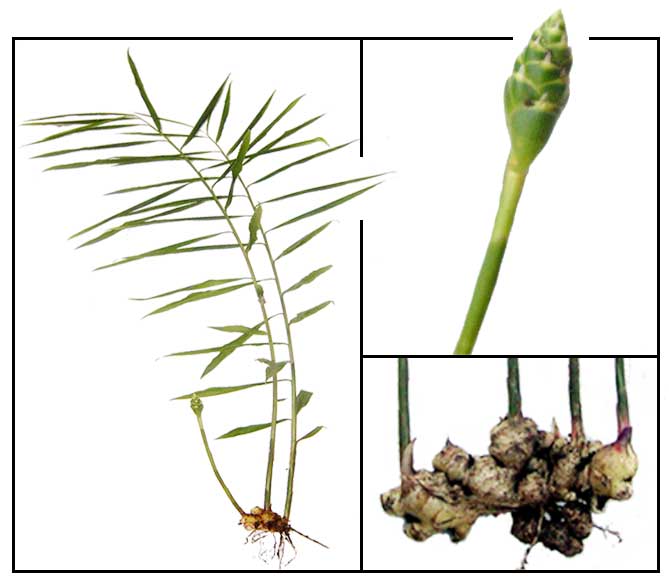
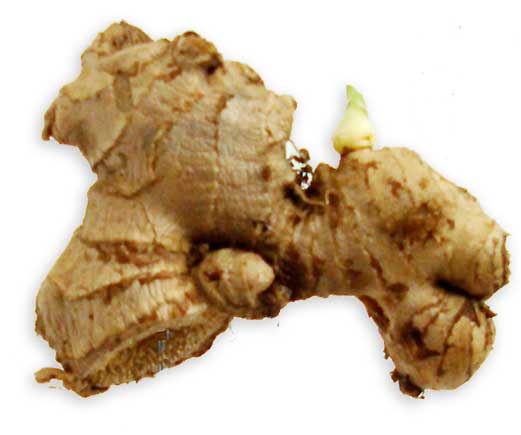
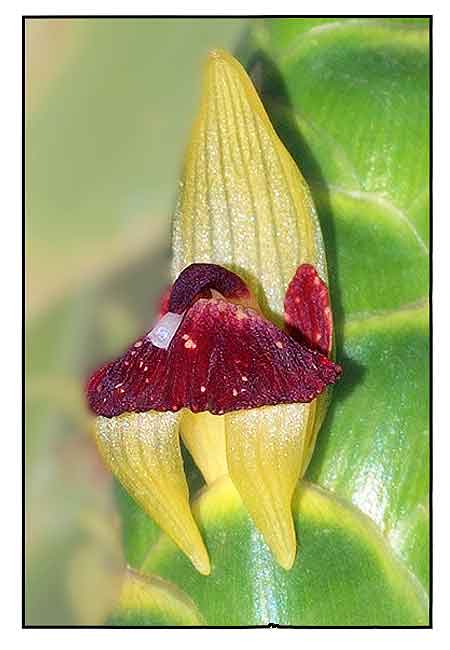
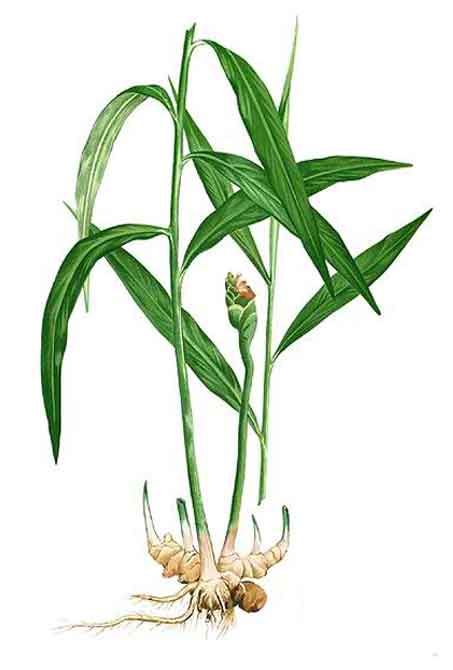
Luya is an erect, smooth plant arising from thickened, very aromatic rootstocks. Leafy stems are 0.4 to 1 meter high. Leaves are distichous, lanceolate to linear-lanceolate, 15 to 25 centimeters long, and 2 centimeters wide or less. Scape arising from the rootstocks is erect, 15 to 25 centimeters high, and covered with distant, imbricate bracts. Spike is ovoid to ellipsoid, about 5 centimeters long. Bracts are ovate, cuspidate, about 2.5 centimeters long, and pale green. Calyx is 1 centimeter long or somewhat less. Corolla is greenish yellow, and its tube is less than 2 centimeters long, while the lip is oblong-obovate and slightly purplish.
Distribution
- Introduced into the Philippines.
-
Widely cultivated
in the Philippines.
- Nowhere naturalized.
- Native to Assam, China, East Himalaya, India.
 Constituents Constituents
• A methanol extract yielded the presence of terpenoids, flavonoids, alkaloids, and tannins. (See study below) (40)
*
Pungent principles, mainly zingerone and shogaol, provides the
characteristic taste.
• The most biologically active phenolic compounds, gingerols and shogaols, are found in the root.
• Volatile oil, 1.23 to 3% - gingerol, zingerone, zingiberene,
cineol, borneol, phellandrene, citral, zingiberene, linalool, geraniol,
chavicol, vanillyl alcohol, camphene; resin.
• Study on concentrations (%) of essential oil and phenols in fresh (F) and dried (D) gingers yielded: essential oils: 0.267 ± 0.027 (F) and 0.147 ± 0.034 (D); phenols: 0..249 ± 0.027 (F) and 1.605 ± 0.068 (D). Main constituents of essential oils in fresh and dried ginger were: ß-bisabolene 4.140 and 2.755; bornel 2.415 and 3.040; camphene 17.365 and 12.635; 1,8-cineole 5.083 and16.910; α-curcumene 6.210 and 4.427; geranial 6.613 and 4.513; limonene 12.708 and 16.720; v-muurolene 9.476 and 9.025; Neral 4.140 and 0.000; α-pinene 5.405 and 3.534;ß-sesquiphellandrene 5.750 and 4.275; and α- zingiberene 9.476 and 8.930, respectively. (see study below) (54)
Properties
• Extracts and active constituents have shown potent antioxidant,
anti-inflammatory, antimutagenic, antimicrobial and possible anticancer
activities.
• Considered adaptogenic, anodyne, anthelmintic, antiallergenic, antibacterial, anticoagulant, anticonvulsant, antidepressant, antifungal, antithrombotic, antitumor, antiulcer, aphrodisiac, carminative, diuretic, rubefacient, anti-platelet aggregation, hypolipidemic, thermoregulatory.
• Pungency is attributed to the pungent principle, zingerone and shogaol, while the aroma is imparted by the volatile oil.
• Considered stomachic, carminative, stimulant, diaphoretic, sialagogue, and digestive.
• Studies have suggested prokinetic, antibacterial, antidiarrheal, antithrombotic, anti-inflammatory, antioxidant, anticancer, antiarthritic, anti-aging, prostaglandin inhibitory, hepatoprotective, neuroprotective, antidiabetic, hypolipidemic, gastroprotective,
antiparasitic, wound healing, antispasmodic, antiemetic, cognitive enhancing properties.
Parts utilized
Tops, leaves and edible roots.
 Uses Uses
Edibility / Nutritional
- One of the most popular flavoring agents.
- Used
as flavoring for confectioneries, ginger ale,
ginger beer, ginger champagnes, and other beverages.
- Tahu or salabat, a native beverage, is prepared from the rhizomes.
- A prominent condiment in Filipino cuisine.
- Taken with rock salt before meals is cleansing to the tongue and throat
and increases the appetite.
- In Malaya fresh ginger is an important ingredient in curry.
Folkloric
- In the Philippines, pounded rhizome, alone or mixed with oil, used as revulsive and antirheumatic.
- As
antiseptic, tincture
of dried rhizome prepared with 70% alcohol (not rubbing alcohol) and applied on
superficial cuts and wounds; or, juice from fresh rhizome used similarly.
- As digestive aid and for flatulence and tympanism, decoction of
the rhizome drunk as tea.
- Ginger juice rubbed on and around the navel is said to cure all kinds of diarrhea.
- For rheumatism, roasted rhizome is pounded and mixed with oil and applied locally.
- For sore throat and hoarseness, warm decoction of the rhizome is drunk as ginger
tea (salabat); piece of small rhizome chewed for the same.
- Rhizome used as cough remedy, rubefacient, carminative and diuretic.
- Also used for hangovers.
- For chronic rheumatism, ginger infusion ( 2 drams in 6 ounces of boiling water and strained) is taken at bedtime
- Poulticed of pounded and warmed leaves applied to bruises.
- Ginger taken with rock salt before meals is said to clean the tongue and throat and increase the appetite.
- Chewing ginger is said to diminish biliousness and delirium, relieve sore throat, hoarseness and aphonia, and increases the flow of saliva.
- Dried ginger used as corrective adjunct to purgatives to prevent nausea and intestinal pain.
- Juice from fresh ginger in gradually increasing doses is a strong diuretic in cases of general dropsy.
- For headaches: Ginger plaster (bruised ginger in water to the consistency
of poultice) is applied to the forehead. Same preparation may be helpful
for toothaches and facial pain.
- Hot infusion used for stoppage of menses due to cold.
- In Indo-China, cataplasm used for furuncles; when mixed with oil is antirheumatic. Rhizomes also used for tuberculosis, general fatigue and uterine affections.
- In Perak, rhizomes used as vermifuge.
- In the Antilles powdered rhizome used as revulsive for pleuritis.
- In Ayurvedic medicine, ginger is used for enhancement of appetite, alleviation of constipation, as appetizer, cardioprotective, for balancing of circulation, to dissolve calculi, to treat cough, edema, pain, hemorrhoids, fever, stagnant mucous, etc. (80)
- In India, used as carminative adjunct along with black pepper and long pepper.
- In Chinese folk medicine, pulverized fresh ginger used for baldness and vitiligo. Juice from fresh root used for treatment of burns.
New uses
• Motion Sickness / Pregnancy-related Nausea: Antiemetic properties. Used for Nausea, motion sickness (1 gm taken
1/2 hour before the voyage). Stimulates digestion. Possibly anti inflammatory.
Preparations
Ginger tea
Ginger tea preparation, the Chinese
way : Bring one cup of water to boil. Add one teaspoon of the roasted
(parched and browned) rice and a small piece of ginger root. Boil for
one minute. Let stand to cool for drinking. (Preparation of dried rice:
Pour enough water to cover 1/2 cup white rice in a flat dish; and let
stand overnight. In the morning, drain off the excess water. Roast the
rice in a dry pan, stirring constantly until parched and brown. Store
in a glass jar for future use, tightly covered to keep moisture out.)
Ginger lozenges
• Wash and
peel the ginger, then mince.
• Spread and air-dry for a day or oven-dry at 250 C.
• Grind and strain the dried ginger.
* In a mortar, mix 1 cup ground ginger and 1 cup confectioner's sugar.
• Pound and mix while gradually adding water until a pulp is formed.
• Level the pulp on a board lined with wax paper.
• Using a mold, make balls from the pulp and wrap each lozenge
in aluminum foil.
Studies
• Prokinetic: Pharmacological
basis for the medicinal use of ginger in gastrointestinal disorders:
Study confirmed prokinetic activity of the extract. Spasmolytic constituents
may explain its use in hyperactive states as in colic and diarrhea.
• Antidiarrheal: Study results indicate that in the absence of antimicrobial action, Z officinale exhibits its antidiarrheal activity by affecting bacterial and host cell metabolism.
• Antibacterial:
(1) Antibacterial Activity Of Allium cepa (Onions) And Zingiber officinale
(Ginger) On Staphylococcus aureus And Pseudomonas aeruginosa Isolated
From High Vaginal Swab: The study showed both plants had antibacterial
activity on the test organisms, ginger having more inhibitory effect,
and confirming their folkloric use. (2) In a study on the comparative effect of ginger and some antibiotics on two pathogenic bacteria, results showed the ginger extract of both plant and root showed the highest antibacterial activity against S. aureus and Strep pyogenes while three antibiotics showed less extent of activity compared to the ginger extract.
• Anti-inflammatory / Anti-thrombotic:
The use of ginger (Zingiber officinale Rosc.) as a potential
anti-inflammatory and antithrombotic agent: Study suggests ginger can
be used as a cholesterol-lowering, anti-thrombotic and anti-inflammatory
agent.
• Antioxidant / Anticancer:
Study showed Zingiber officinale may exert
its anticancer effect by replacing the action of superoxide dismutase,
glutathione peroxidase and catalase in removing superoxide radicals
and hydrogen peroxide causing oxidative damage to cells.
• Antibacterial (Garlic/Ginger) Synergism:
Study investigated the therapeutic effects
of ginger and garlic against Klebsiella pneumonia, whether the combined
extract could be synergistic or antagonistic in rats. Study showed a
synergistic relationship, garlic ameliorating the efficacy of ginger
only against Klebsiella infection.
• Anti-Inflammatory / Anti-Arthritis / Prostaglandin Inhibition: Study suggests one of the mechanisms by which ginger shows ameliorative effects could be through inhibition of prostaglandin and leukotrine biosynthesis - as a dual inhibitor of eicosanoid biosynthesis.
• Gastroprotective: Study results suggest cytoprotective and anti-ulcerogenic effects with significant protection against ethanol-, HCl-, NaOH-induced gastric lesions and prevention of the occurrence of gastric ulcers induced by non-steroidal anti-inflammatory drugs and hypothermic restrain stress.
• Decreased Sperm Motility: Study results conclude that ginger can induce toxic effects on sperm parameters, ie, a lower percentage of motility and grading when methanolic ginger is added to semen fluid.
• Hepatoprotective: Study of the ethanol extract of Z officinale showed protective effect against paracetamol-induced hepatotoxicity with better protective effect at higher dose levels.
• Anti-Aging: Study in mice showed ginger extract significantly reduced the development of atherosclerotic lesions and lowered LDL-cholesterol.
• Anti-Inflammatory / Analgesic: Study of rhizome extract in Swiss mice showed anti-inflammatory and analgesic properties with significant inhibition of carrageenan-induced paw edema and reduction of writhing induced by acetic acid.
• Pregnancy-Related Nausea: Reasonable evidence suggests that ginger roots is effective in reducing pregnancy-related nausea. However, there is conflicting data on its efficacy for preventing motion sickness or post-operative nausea.
• Anti-Inflammatory / Antibacterial / Hypoglycemic / Analgesic: Study of ethanol extract showed (1) reduction of carrageenan-induced paw swelling and yeast-induced fever (2) blood glucose lowering (3) inhibition of gram- and gram+ bacteria (4) dose-dependent prostaglandin release inhibition.
• Analgesic: Study demonstrated the daily consumption of raw and heat-treated ginger resulted in moderate to large reduction in muscle pain following exercise-induced muscle injury. The findings agree with findings of ginger's hypoalgesic effects in osteoarthritic patients.
• Antiarthritic: Study of the alcoholic extract of ZO can ameliorate inflammatory processes in rat collagen-induced arthritis, together with reduction of serum levels of interleukins, TNF, and anti-CII antibodies. It also showed to be superior to indomethacin 2 mg/kg/d at most measured parameters. The extract presents an alternative to NSAID use in RA.
• Hypoalgesic Effect on Exercise-Induced Muscle Pain: Study on healthy volunteers showed daily consumption of raw and heat-treated ginger resulted in moderate to large reductions in muscle pain following exercise-induced muscle injury. (18)
• Anticancer / Anti-Inflammatory: Ginger extract significantly reduced the expression of NFkB and TNF-a in rats with liver cancer. It may act as an anticancer and anti-inflammatory by inactivating NFkB through suppression of proinflammatory TNF-α.
• Delayed Diabetic Cataract Progression: Results showed ginger was effective against the development of diabetic cataracts in rats, mainly through its antiglycating potentiation, and also, through an inhibition of the polyol pathway. As such, dietary sources, such as ginger, can be explored for its potential in preventing or delaying diabetic complications. (23)
• Neuroprotective / Memory Benefits: Study showed cognitive function and neurons density in rat hippocampus receiving ginger rhizome extract were improved white the brain infarct volume decreased. The effect may be through antioxidant activity of the extract. Results demonstrate the beneficial effect of ginger rhizome in protecting against focal cerebral ischemia. (24)
• Anti-Ulcerogenic Effect / Acetic Acid Induced Colitis: Study in a model of acute colitis showed ginger hydroalcoholic extract was effective in protecting against experimental colitis. (25)
• Antidiabetic / Amylase and Glucosidase Enzyme Inhibitory Effect: Studies have targeted digestive enzymes as targets for modulation of glucose concentration through inhibition of enzymatic breakdown of complex carbohydrates. In this study, glucosidase and amylase activities on rice were inhibited by the addition of ginger with consequent significant reduction in glucose percentages. Results were comparable to Acarbose on glucosidase activity. (26)
• Antimicrobial / Anticancer: Study has showed many diarylheptanoids and gingerol-related compounds from the rhizome of ZO possess significant antiproliferation activity on HL-60 cells, probably through induction of cell apoptosis. Another study has shown ginger extract and 6-gingerol to both directly interfere with colon cancer proliferation. Results show ginger's phytochemical potential for chemoprevention and therapy. In this study, the ethanol and chloroform extracts were found to possess antibacterial properties against 8 microorganisms.(27)
• Antidiabetic / Hypolipidemic: Study evaluated an aqueous extract of raw ginger for hypoglycemic potential of ginger in STZ-induced diabetic rats. Raw ginger was significant effective in lowering serum glucose, cholesterol, triacylglycerol levels. Results indicate hypoglycemic and hypolipidemic potential. Raw ginger was also effective in reversing diabetic proteinuria in diabetic rats. (30) Study investigated the anti-diabetic effect of aqueous extract of Z. officinale against STZ-induced diabetes in Sprague-Dawley rats. Results showed hypoglycemic effects. Doses of 200 and 400 mg/kg significantly lowered blood glucose levels (p<0.05). (77)
• Cytotoxicity / Toxicity / Anticancer Activity / Cholangiocarcinoma: Study evaluated a crude ethanolic extract of ginger against CCA in mice. Results from in vitro and in vivo studies showed promising anticancer activity with an absence of any significant toxicity. However, MDR1 and MRP3 may be involved in CCA resistance to the ginger extract. (31)
• Cognitive Enhancer / Middle-Aged Women: Study evaluated the effect of ginger extract on cognitive function of middle-aged, healthy women. Ginger-treated groups have significant decrease in P300 latencies, increased N100 and P300 amplitudes, with enhanced working memory. Results suggest ginger to be a potential cognitive enhancer for middle-aged women. (32)
• Anti-Liver Fibrosis: Extracts of ginger, particularly the ethanolic one, showed potential benefits for the treatment of liver fibrosis induced by carbon tetrachloride (CCl4). Evaluation was done using antioxidant parameters, liver markers and liver function enzymes, and cholestatic markers. (33)
• Cardiovascular Toxic Effects: Study evaluated the acute and subacute cardiovascular toxicity of ginger in adult male albino rats. In high doses (500mg/kg) for 28 days, ginger produced both hypotension and bradycardia with degenerative changes in cardiac myocyte fibers. The effects may be partially due to vasodilatation with increased nitric oxide release or synthesis and partly from a calcium channel blocking effect, and perhaps, a cholinomimetic effect. (34)
• Ginger Benefits in Acute Chemotherapy-Induced Nausea: In a double-blind, multicenter trial using placebo and various doses of ginger, results showed all doses of ginger significantly reduced acute nausea compared to placebo. Results suggest ginger supplementation at a daily dose of 0.5 g to 1.0 g significantly helps in reducing the severity of acute chemotherapy-induced nausea. (35)
• Ginger Essential Oil for Post-Operative Nausea and Vomiting: A 5% solution of essential oil of ginger in grape seed carrier oil, applied naso-cutaneously, can be administered safely for prevention and management of nausea in general anesthesia patients at high risk for post-operative nausea and vomiting.(36)
• Synthesis of Nanoparticles: Study synthesized silver nanoparticles using Zingiber officinale extract which acts as reducing agent as well as a stabilizing agent. The nanoparticles were stable at physiologic conditions and were blood compatible. Z. officinale is reported to be a more portent antiplatelet agent than aspirin. Its use as vectors for applications in drug therapy, gene delivery or as biosensors, where there is direct blood contact is justified by the study. (37)
• Pro-Fertility / Reproductive Functions in Male Rats: Study investigated the effects of an aqueous extract of Z. officinale in male reproductive functions in rats. Treatment cause a significant increase in testes and epididymis weight, with dose and duration dependent increases in sperm count and motility, a significant increase in testosterone level, and significant reduction of malonhydialdehyde levels. Results suggest pro-fertility properties which may be due to its potent antioxidant properties and androgenic activities. (38)
• Hepatoprotection / Heavy Metals: Study evaluated the protective activity of Z. officinale against mercury (Hg), lead (Pb), and cadmium (Cd) accumulation in the liver. Z. officinale affected bioavailability, elimination and uptake of the metals in a time-dependent manner with highest benefit in reducing Cd, followed by Hg and least protection to Pb in the liver. (39)
• Antibacterial: Study evaluated crude aqueous and organic extracts of rhizome of Z. officinale against both Gram-negative and Gram-positive bacteria. The pattern of inhibition varied with solvent used for extraction and organism tested. Extracts from organic solvents showed more consistent antibacterial activity. Staphylococcus aureus was significant inhibited by almost all the extracts. (40)
• Chemopreventive Against Aspartame Induced Testicular Toxicity / Roots: Study evaluated the chemopreventive effect of Z. officinale roots against aspartame induced rat testicular toxicity. Pretreatment with ginger extract produced a detectable decrease in lipid peroxidation level. Natural components may have chemopreventive effects against aspartame related testicular toxicity. (41)
• Terpenoids Induce Apoptosis in Endometrial Cancer Cells: Study showed terpenoids in steam distilled extract of ginger are potent inhibitors of proliferation of endometrial cancer cells. Terpenoids from SDGE mediate apoptosis by activating p53. (42)
• Anti-Inflammatory in Type 2 Diabetes: Study evaluated the effect of ginger on pro-inflammatory cytokines (IL-6 and TNF-α) and the acute phase protein hs-CRP in type2 diabetic patients. Results showed ginger supplementation significantly reduced the levels of TNF-α, IL-6, and hs-CRP. It can reduce inflammation in type 2 diabetic patients and may potentially diminish the risk of some chronic complications of diabetes. (43)
• Anti-Ulcerogenic / NSAID Induced Gastric Damage: Study evaluated the anti-ulcerogenic activity of an extract of Z. officinale in indomethacin (NSAID) induced gastric damage in an animal model. The ginger root significantly the gastric damage induced by indomethacin with an efficacy comparable to omeprazole. (44)
• Gingerol / Anti-Diabetic: Study investigating active constituents of the rhizome of Z. officinale identified pungent phenolic gingerol constituents, of which (S)-[6] Gingerol was the most abundant component. (S)-[8]-gingerol was the most potent on glucose uptake, the activity of which was found associated primarily with an increase in surface distribution of GLUT4 in L6 muscle. The increase glucose uptake in L6 rat skeletal muscle cells by gingerol pungent principles support the potential for the use of ginger and its pungent components in the prevention and management of T2DM. (45)
• Antioxidant on Formalin-Induced Testicular Toxicity: Study investigated the possible antioxidant activity of Z. officinale ethanol extract on formalin-induced testicular toxicity in rats. A 10% formalin triggered oxidative stress in testicles with a significant increase of MDA concentration. Rats exposed to formalin and treated with the ginger extract significantly increased catalase (CAT) activity. Z. officinale showed protective neutraceutical capacity to help overcome the oxidative stress induced by the formalin. (46)
• Antifungal / Synergism: Study evaluated the effect of an ethanolic extract of ginger on Candida albicans in vitro. Results showed pronounced activities against Candida albicans. Although ethanol in itself has antifungal activity, the ethanol extract of ginger has synergistic activity. (47)
• Improvement of Growth and Enhanced Immunity in Aquaculture: Review focuses on the use of ginger as growth promoter, antimicrobial agent, and antioxidant and as immunostimulant in aquaculture. (49)
• Potential Use in Rheumatoid Arthritis: Zingiber officinale has been traditionally used as alternative medicine for rheumatoid arthritis. Review discusses various phytochemical constituents of ginger with potential therapeutic roles in amelioration of RA symptoms and possibly RA itself. (50)
• Homeopathic Z. officinale in the Treatment of Acne Vulgaris: A prospective, non-randomized open-label study evaluated the effectiveness of homeopathic Z. officinale for the treatment of acne vulgaris in 32 participants. Results showed statistically significant (p<0.001) changes in lesion counts, GAGS scores and Acne-QoL scores were observed. (52)
• Effects of Ginger on Nausea and Vomiting in Early Pregnancy / Meta-Analysis: A meta-analysis of clinical trials was conducted on the use of ginger for NVEP. Criteria selected were: (1) randomized placebo-controlled design; (2 use of ginger or Z. officinale; and (3) extractable data on improvement in NVEP. Meta-analysis concludes that ginger is an effective nonpharmacological option for the treatment of NVEP. (53)
• Differences in Active Compounds between Fresh and Dried Gingers: Studies have shown differences in the chemical compositions between fresh and dried gingers. There are two groups of active compounds: volatile essential oils and fragrant or harsh phenol compounds. Fresh ginger yielded 38 compounds while dried ginger yielded 43 compounds. Dried ginger yielded seven more compounds: linalool, terpinen-4-ol, α-terpineol, citronellol, ß-neral, o-elemene, and neryl acetate. By contrast, neral and trans-farnesal in fresh ginger are not detected in dried ginger. (see constiituents above) (link to study for details on constituents) (54)
• Antispasmodic: Study evaluated the antispasmodic effect of ginger on rat intestine in vitro. The antispasmogenic effect of ginger was apparent in the in vitro experiment on rat jejunum as evidenced by reduction in magnitude of ACh induced contraction. (55)
• Effect on Salivation: Study evaluated the effect of systemic administration of seven different herbal extracts on the rate of salivation in rats. Of the seven, the salivation induced by ginger was significantly higher (p<0.01). Further studies are suggested to identify the responsible constituent for stimulation of saliva secretion. (56)
• Renoprotective Effects in Glycerol Induced Damage: Study evaluated the protective effects of ginger extract on glycerol-induced acute renal failure in Sprague-Dawley rats.
The ginger extract significantly decreased the markedly increased serum creatinine, Na+ and BUN in glycerol-treated rats. All adverse effects were reversed by ginger supplementation. Results suggest ginger can be used as a nephroprotective nutrient. (57)
• Acute and Subacute Cardiotoxicity: Study evaluated the acute and subacute cardiovascular toxicity of ginger in adult male albino rats. In acute toxicity study, a single dose of 2500 mg/kg can be toxic by causing severe hypotension and bradycardia with induction of prenecrotic changes in the cardiac tissue. In subacute toxicity testing, a daily dose of 50 mg/kg for 28 days produced bradycardia with waviness in the cardiac muscle fibers; 500 mg/kg for 28 days produced hypotension and bradycardia with degenerative changes in cardiac myocyte tissue. The hypotensive and bradycardic effects may be partially due to induction of vasodilatation by increasing NO release or synthesis and partially due to calcium channel blocking effect. (58)
• Antimicrobial: Study evaluated various extracts of onions (Allium cepa) and ginger (Z. officinale) against E. coli, S. typhi, and B subtilis, common causes of gastrointestinal infects. The ethanolic extract of ginger gave the widest zone of inhibition against two of the three test organisms. Although both plants had antimicrobial activities on the two gram negative test organisms but not effective on the gram positive test organism, ginger showed more inhibitory effect. (59)
• Anti-Parasitic on Limnatis nilotica: Study evaluated the anti-parasitc effect of Z. officinale on Limnatis nilotica leech population. Results showed antiparasitic and disinfectant activities causing less toxic effects than chemical drugs. (60)
• Effect on Platelet Aggregation: Review did a systematic review on results of clinical and observational studies on the effect of ginger on platelet aggregation. Review concludes that the evidence that ginger affects platelet aggregation and coagulation is equivocal and further study is need to address the question. (61)
• Anti-Inflammatory: Study evaluated the anti-inflammatory activity of aqueous extract of ginger in adult albino rats in acute and chronic inflammatory settings. Results showed decreased signs of both acute and chronic inflammation and was comparable to standard anti-inflammatory drug diclofenac sodium. (62)
• Effect on Fatty Liver Induced by Oxytetracycline: Study evaluated the potential therapeutic and protective effects of Z. officinale against oxytetracycline induced fatty liver in albino rats. Treatment with ginger ameliorated most of the abnormal biochemical parameters and improved the induced degenerative histopathological changes. Pretreatment with ginger prior to induction of fatty liver gave some protection against factors that experimentally induced fatty liver. (63)
• Antiparasitic / Anti-Toxoplasmosis / Roots: Study evaluated the antiparasitic effect of ginger root extract and GE/F1 fraction against Toxoplasma gondii in vitro and in vivo. The GE/F1 strongly inhibited the proliferation of T. gondii-infected C6 cells and T. gondii in a dose-dependent manner compared to sulfadiazine. The GE/F1 not only induces anti-T. gondii effects causing inactivation of apoptotic proteins in infected hos cells through direct inhibition of T. gondii but also has antiparasitic properties which inhibit inflammatory cytokine secretion in vivo. (64)
• Effect on Serum Lipids: Study evaluated the lipid lowering activity of ginger in male rabbits. Results showed highly significant reduction in cholesterol together with highly significant reduction of triglycerides and LDL. The ginger extract was more efficient than atorvastatin in lowering of lipids. (65)
• Anti-Emetic in Cancer Chemotherapy / Gingerol and Shogaol / Review: Review presents the anti-emetic observations and variability in response of the anti-emetic effects of ginger in cancer chemotherapy. Preclinical studies with experimental animals (dogs and rats have shown various extracts and ginger juice possess anti-emetic effects against chemotherapy-induced nausea and vomiting. Gingerol, the active principle, has been shown to possess anti-emetic effects in minks. In humans, while most studies have been supportive of preclinical observations, a few have been contradictory. While the exact anti-emetic mechanism is unknown, ginger phytochemicals, especially 6-gingerol, 8-gingerol, 10-gingerol, and 6-shogaol, may function as 5-HT3 antagonist, NK1 antagonist, antihistaminic, and possess prokinetic effects. (66)
• Antidepressant: Study evaluated the effect of Z. officinale hydroalcoholic extract as well as its interaction with conventional anxiolytic and antidepressant drugs using tail suspension and forced swim tests. Results showed antidepressant activity comparable to standard drug. The antidepressant effect seem to be mainly associated with activation of dopaminergic system. (67)
• Extraction of Z. officinale Oil by Soxhlet Distillation: Zingiberene is the main compound of ginger. Study reports on the extraction of ginger oil by Soxhlet distillation. Of four solvent types, methanol gave the highest yield of ZO oil at 8 hours extraction time which is 27.33% of mass yield. (68)
• Modulation of DMBA Genotoxicity: Study evaluated the anti-genotoxic properties of aqueous extracts of ginger on dimethyl benz(1) anthracene-induced genotoxicity in rat bone marrow cells. Results showed inhibition of DMBA induced genotoxicity as evidenced by significant decrease in total chromosomal aberrations, chromosomal breaks, gaps, rings, deletions and other bone marrow cell abnormalities, with return of biochemical parameters (plasma MDA, SOD, and liver MDA, SOD, and GSH) towards normal. (69)
• Antiemetic for Day Case Surgery / Clinical Trial: A prospective, randomized, double-blind trial evaluated the incidence of postoperative nausea and vomiting using powdered ginger root compared with metoclopramide and placebo. The requirement for postoperative antiemetics was lower in patients receiving ginger. In the three groups, ginger showed to be an effective and promising prophylactic antiemetic, with potential use for day case surgery. (70)
• Review of Clinical Trials: This 2011 review included seven published articles, reporting on 8 trials with 481 participants. Sic trials (2/osteoarthritis, 1/dysmenorrhea, 3/experimentally induced acute muscle pain) found the use of ginger reduced subjective pain reports. Due to the paucity of well-conducted trials, the evidence for efficacy to treat pain remains insufficient. However, the data was sufficient to provide support the anti-inflammatory role of Z. officinale constituents, which may reduce the subjective experience of pain in some conditions. (71)
• Antibacterial / Roots: Study evaluated an aqueous extract of roots for antibacterial activity against various Gram-negative and Gram-positive bacteria. Results showed antibacterial activity against pathogenic bacteria, which enhanced with increasing concentrations. A dose of 0.4mg/ml showed highest activity against K. pneumonia, P. vulgaris, S. pyogenes, and S. aureus. Activity was better than chloramphenicol and gentamicin. (72)
• Homeopathic Use for Acne Vulgaris: A prospective, non-randomized open-label study evaluated the homeopathic use of Z. officinale on 32 human participants with acne vulgaris, in various potencies (6C up to 1M) for 6 months, using measures of lesion counts, Global Grading System (GAGS) score, and Acne-Specific Quality of Life (Acne-QoL) score. Homeopathic ZO demonstrated encouraging results in the treatment of facial acne. A randomized placeb0-controled trial with a larger sample was suggested. (73)
• Wound Healing / Antibacterial: Study evaluated the antibacterial and wound healing effect of Z. officinale ethanol extract in wound infected Swiss wistar albino rats, using parameters of bacterial count, histological presence of inflammatory cells, collagen and healing percentage. Results showed clear zones of inhibition on standard strains of P. mirabilis, K. pneumonia, E. coli, P. aeruginosa, and S. aureus. The ethanolic extract of Z. officinale in yellow soft paraffin ointment base exhibited in vitro and in vivo antimicrobial activity against S. aureus and wound healing potential. There was also improvement in different phases of wound repair including collagen synthesis and maturation, wound contraction and epithelization. (74)
• Effect on Spermatogenesis: Study evaluated the influence of Z. officinale on development of sperm of male mice. Ginger is reported to relieved physical and sexual fatigue. Studies have suggested increases in male fertility through stimulation of spermatogenesis and sperm motility (D'Cruz et al, 2010). This study showed contradictory results. Mice who took ginger had a significantly lower sperm count, decreased sperm well, and inhibited mobility. (75)
• Reduction in Running-Induced Muscle Soreness / Ginger Root: A randomized, double blind, placebo-controlled trial evaluated whether ginger root supplementation can reduce muscle soreness and prevent impairments in muscle function following a long-distance training run of 20 college students (8 ginger group/ 12 placebo). Results showed ginger root may modestly reduce muscle soreness resulting from long-distance running; however, it had little to no effect on measures of muscle function during vertical jump activity. (76)
• Pain Relief in Dysmenorrhea / Clinical Trial / Rhizome: A randomized, controlled trial evaluated the effect of ginger on pain relief in a sample of 120 students with moderate to severe primary dysmenorrhea. Treatment groups received 500 mg capsules of ginger root powder or placebo three times a day, two days before and into the first three days of the menstrual period. Results showed a statistically significant effect on relief of intensity and duration of dysmenorrhea. (78)
• Anticariogenic / Antibacterial Effect on S. mutans and S. sanguinis: Tooth decay is an infectious disease of microbial origin. Study evaluated evaluated the effects of different concentrations of Z. officinale extract on proliferation of Streptococcus mutans and S. sanguinis in vitro. Results showed significant antibacterial activity with MIC of 0.02 mg/mL for S. mutans and 0.3 mg/mL for S. sanguinis. The MBC was 0.04 mg and 0.6 mg, respectively. (79)
• In Silico Binding with Mpro of SARS-CoV-2: In silico (molecular docking) studies evaluated the binding affinities of a humber of Z. officinale constituents with 3C-like protease or main protease )Mpro) of SARS-CoV-2, which plays an essential role in the cleavage of viral polyproteins and subsequent viral replication. Two compounds, chlorogenic acid and hesperidin, had high binding affinities with Mpro. Chlorogenic acid interacts with one of the His41 amino acids of catalytic dyad of Mpro. Hesperidin interacts with other amino acid Cys145, which can possibly inhibit Mpro activity. Results suggest that ginger, besides alleviating the symptoms induced by SARS-CoV-2, may play a role in inhibiting the virus. (81)
• Ginger Oil / Fresh and Dried Rhizomes: Nigerian fresh ginger oil (1.02% w/v) yielded ß-zingiberene (12.2%), 1,8-cineole+limonene+ß-phellandrene (10.5%), geraniol (15%), neral (8.9%), ß-bisabolene (5.6%) and ß=sesquiphellandrene (6.5%), while oil from dried rhizomes (1.84%% w/v) yielded ß-zingiberene (28.1%), 1,8-cineole+limonene+ß-phellandrene (4.5%), geraniol (9.0%), neral (5.3%), ß-bisabolene (8.4%) and ß-sesquiphellandrene (10.6%). Study showed ginger dried rhizome had higher essential oil and ß-zingiverene than fresh ones. Also, drying methods have effects on EO yield and composition of ginger rhizomes. Drying rhizomes in temperature lower than 70°C increased the yield of ginger oil, without effect on 6-gingerol to 6-shagaol, while temperature higher than 70°C promoted transformation of 6-gingerol to 6-shagaol. The drying method, freshness or dryness, and time of exposure of rhizome to heat can influence chemical composition and yield of EO. (82)
• Effect on Rheumatoid Arthritis and IL-1ß Induced Inflammation: Study evaluated the therapeutic effects of ginger on rheumatoid arthritis (RS), focusing on regulation of Th1, Th2, and Th17 cytokines and inhibition of matrix metalloproteinase (MMP) release in mice with collagen-induced arthritis (CIA) and primary synovial fibroblasts. RA was induced in male DBA/1j mice via immunizationn with type II collagen. Ginger extract (100 and 200 mg/kg) or Mobic (50 mg/kg) was administered to CIA mice daily. Ginger extract inhibited the expression of MMP-1, MMP-3, and MMP-13 in the paw tissue of CIA mice and reduced inflammatory bone destruction in joint tissues. In IL-1ß-stimulated synovial fibroblasts, the ginger extract significantly decreased IFN-γ and IL-17 via inhibition of mRNA expression. Major compounds in the ginger extract were vanillylacetone, 6-gingerol, 6-shagaol, and 1,4-cineol. Results suggest ginger can prevent RA progression by inhibiting the secretion of Th1/Th2 and Th17 cytokines and MMPs, which are involved in the pathogenesis of RA. (83)
• Neuroprotective / Review: Study evaluated the neuroprotective effect of ginger. Structure-activity relationships of ginger phytochemicals suggest ginger can be a candidate to treat neurodegenerative diseases (NDs), which present common neuropathological features such as increased oxidative stress, neuro-inflammation, and protein misfolding. Ginger can be a candidate to treat NDs by targeting different ligand sites. Its bioactive compounds can modulate cell death and cell survival signaling molecules. Its cognitive enhancing effects may be partly explained via alteration of monoamine and cholinergic systems in various brain areas. Ginger decreases the production of inflammatory related factors. The review summarizes the effects of ginger in the prevention of major NDs such as Alzheimer's disease, Parkinson's disease and multiple sclerosis. (85)
• Effectiveness in Nausea and Vomiting during Pregnancy and Chemotherapy: The most active ingredients in ginger are the pungent principles, particularly gingerols and shogaols. Preclinical and clinical studies have evaluated ginger as an effective and safe treatment for nausea and vomiting in the pregnancy and as adjuvant treatment for chemotherapy-induced nausea and vomiting. Study discusses the pharmacokinetic properties of ginger and highlights the type and posology of ginger and its metabolites. Evidence demonstrates that ginger is an effective and inexpensive treatment for nausea and vomiting and is safe. Studies to understand efficacy of principal constituents, including gingerols and shogaols, are suggested, along with dose-finding studies using varied standardized extracts to determine effective dose and preparation of ginger. (87)
Concerns / Drug Interactions
• The German Commission E recommends that it should be avoided during
pregnancy due to possible inhibition of testosterone binding in the
fetus.
• The use in pregnancy for hyperemesis gravidarum is controversial. Some suggest it should not be recommended
for nausea during pregnancy. Caution is given to use by pregnant women with a history of bleeding disorders and miscarriages. (see meta-analysis study above 53)
• Anticoagulant concerns: Ginger can have moderate Interactions with medications that slow blood clotting (anticoagulants) and drugs that can decrease platelet adhesiveness (antiplatelet drugs) with increased potential for bruising and bleeding. Other medications that may slow blood clotting are clopidogrel, diclofenac, ibuprofen, naproxen, dalteparin, enoxaparin, heparin, warfarin, and others. (51)
• Minor interactions: Medications for diabetes may interact with ginger and cause lowering of blood sugar (glimepiride, glyburine, insulin, pioglitazone, glipizide, etc.). Ginger can also interact with medicines that lower blood pressure such as calcium channel blockers (nifedipine, diltiazem, felodipine, amlodipine, and others.) (51)
• Adverse effects: Ginger root is generally considered safe by the US. FDA, and daily approved intake of up to 4 grams is deemed safe. Higher doses may cause gastrointestinal discomfort, allergic reactions, prolonged pre-existing bleeding, central nervous system depression, and arrhythmia. Studies have shown that above 6 grams ingestion, ginger root can cause or exacerbate gastroesophageal reflux, heartburn, and diarrhea. It can cause warfarin (anticoagulant) toxicity and lead to bleeding, lower blood pressure, and by increasing bile acid secretion, it can aggravate gallstone formation. (86)
Availability
- Wild-crafted.
- Popular condiment and perennial market produce.
- Candied ginger and lozenges.
- Dried powdered gingeroot.
- Tinctures, tablets, capsules, syrups and teas in the cybermarket.
|