| 
 Gen info Gen info
- Mangifera indica, commonly known as mango, is a species of lowering plant in the family Anacardiaceae. There are two distinct genetic populations in modern mangoes – the "Indian type" and the "Southeast Asian type". The species was first described by Linnaeus in 1753.
- The mango is one of the most common fruit of the genus Mangifera. It originates from Malaysia and India, and has been domesticated and cultivated for more than 4000 years, produced in more than 100 counties, with India as the world's largest producer.
- The fruit ranks 5th in production among perennial fruit trees worldwide and second among the most commercialized tropical fruits, with a production of more than 49 million tons in 2021. (103) It is cultivated on an area of about 3.7 million hectares worldwide.
-
Mangoes belong to the genus Mangifera which consists of about 30 species of tropical fruiting trees. It has been an important herb in Ayurveda and indigenous medical systems for over 4000 years. (67)
- The mango is the national fruit of India, Pakistan, and the Philippines, and is the national tree of Bangladesh.
(100).
Botany
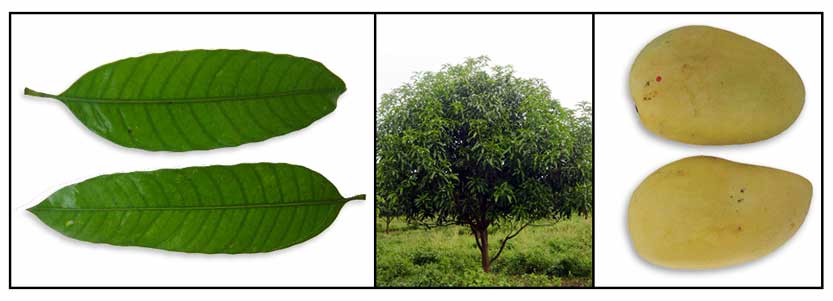
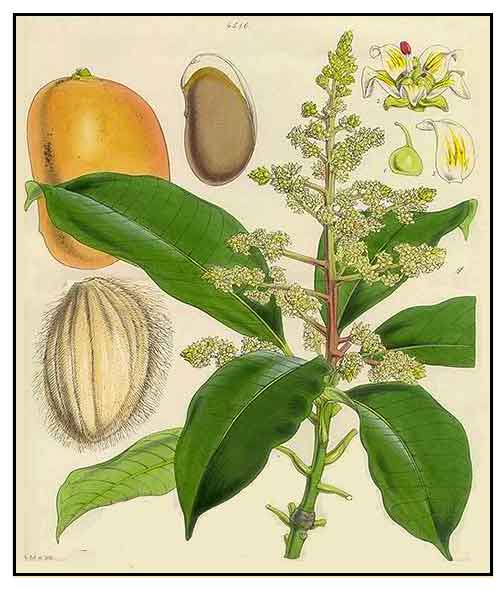
Manga is a large tree, with
a dense and spreading crown. Leaves are oblong to oblong-lanceolate,
10 to 30 centimeters long. The flowers are yellow, small, 3 to 4 millimeters long, borne
on erect and hairy panicles, which as as often as long as the leaves. The fruit
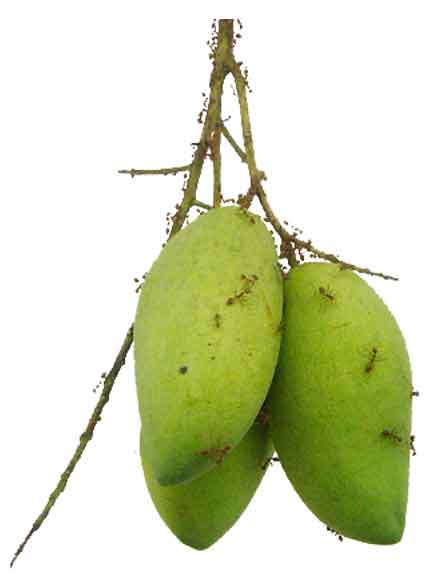
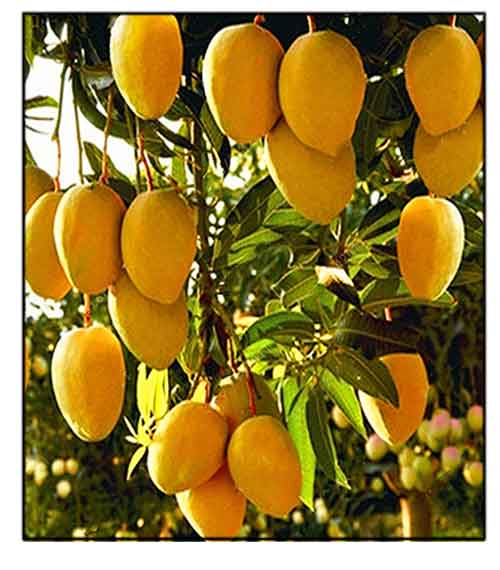
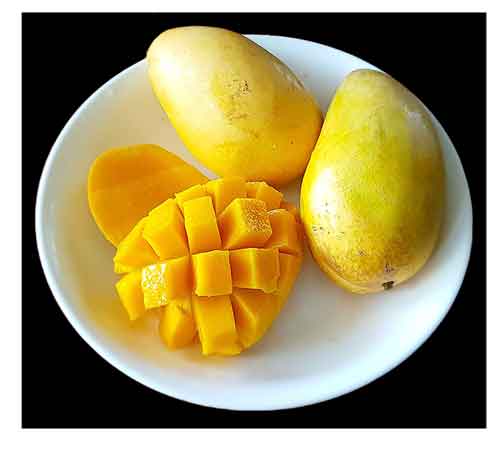
is a drupe, of varying shades of yellow, fleshy, oblong-ovoid,10 to 15 centimeters long, and slightly compressed, the skin is thin, and in the center is a large flattened, fibrous seed, and when ripe, surrounded by an edible yellow pulp.
It is a widely cultivated tree
for its fruit, with several varieties in cultivation. The most popular
are "carabao" and "piko," and the former used to be the
preferred export variety. The Guimaras mango is now considered the sweetest of mango varieties produced in the Philippines.
Distribution
- Naturalized.
-
Cultivated throughout the Philippines.
- Native to Assam, Belize, China South-Central, East Himalaya, Myanmar, Thailand. (102)
- In cultivation in the Indo-Malayan region.
- Now planted in all tropical countries.
 Constituents Constituents
- Mangiferin; mangin; piuri-yellow
dye; benzoic acid; citric acid; tannin, 10%.
- The leaves contain 43-46 percent euxanthin acid and some euxanthon.
- Seed contains a fixed oil, oleostearin, starch, gallic acid, and tannin.
- The bark exudate yields a resin, gum, ash, and tannin.
- Study of fruit exudation, "chep" resin, isolated three products: a resin, mangiferene; a resinous acid, mangiferic acid; and a resinol (phenol), mangiferol
.
- Mangostine, 29-hydroxymangiferonic acid, mangiferin and flavonoids have
been isolated from the stem bark. Leaves and flowers yield an essential
oil containing humulene, elemene, ocimene, linalool and nerol. (Source)
- Methanol extract of twigs yielded 4, 8Bishydroxymethyl7(1 hydroxy1methylethyl)1(3,4,6trihydroxy5
hydroxymethyltetrahydropyran2yl)478 trihydronaphthalen2one. (25)
- Phytochemical screening of leaves yielded total phenols, flavonoids, tannins, and saponins.
(26)
- Phytochemical screening of leaves yielded the presence of saponins, steroids, tannin, flavonoid, reducing sugars, cardiac glycosides, and anthraquinone.
(38)
- Study of twigs yielded 4, 8-Bishydroxymethyl-7-(1- hydroxy-1-methyl-ethyl)-1-(3,4,6trihydroxy-5-hydroxymethyl-tetrahydro-pyran-2yl)4-7-8-trihydro-naphthalen-2-one. (39)
 - Aqueous extracts of leaves yielded tannins, flavonoid, steroid, cardiac glycoside, alkaloids, and carbohydrates, and proteins. (see study below) (52) - Aqueous extracts of leaves yielded tannins, flavonoid, steroid, cardiac glycoside, alkaloids, and carbohydrates, and proteins. (see study below) (52)
- Study of essential oil of leaves from two Brazilian varieties yielded major compounds: variety Espada—
sesquiterpenes such as ß-selinene (34.90%), cyperene (22.40%), (E)-caryophyllene (16.39%),
α-humulene (10.84%), terpinolene (2.31%) and α-selinene (2.31%); variety coracao-de-boi—cyperene (32.62%), (E)-caryophyllene (26.91%), α-humulene (17.21%), terpinolene (2.32%), ß-selinene (5.70%) and mycene (2.80%). (see study below) (63)
-
GC-MS analysis of six leaf extracts yielded 10 constituents from ten peaks. Terpinyl acetate (5.80%) and phytol isomer (5.12%) were the major constituents and oxirane (3.57%), sabinene (3.24%), beta-pinene (3.34%), beta-myrcene (3.23%) , cymene (3.68%), alpha-limonene (2.82%), eucalyptol (1,8-cineo (4.71%), 1,3-benzodioxole, 5-(2-, (3.68%) were minor constituents. (69)
- Phytochemical screening of mango leaves yielded saponins, alkaloids, phenols, tannins, and flavonoids in the crude, EtOAC, and MeOH extracts. Proximate
composition analysis yielded ash, crude fat, neutral detergent fiber (NDF), acid detergent fuver (ADF), and acid detergent lignin (ADL) of 12.61, 3.92, 35.32, 34.98, and 12.86%, respectively. Calcium content (2.15%) was above normal required range, while phosphorus content (0.12%) and crude protein content (13.60%) were within normal range of common fodders. Secondary metabolites were identified from the leaves, including 11 phenols, 4 xanthones, 9 flavanols, 10 benzophenones, 7 terpenoids, and 4 derivatives of gallotannins. (see study below) (104)
- Major components of mango fruit (g/100 g DW): water 78-83, ashes 0.34-0.52, lipids 0.30-0.53, proteins 0.36-0.40, carbohydrates 16.20-17.18, dietary fivers 0.85-1.06, energy (kCal) 62.1-1.90. Mineral contents (mg/100 g) include calcium 7-16, iron 0.09-0.41, magnesium 8-19, phosphorus 10-18, potassium 120-211, sodium 0-3, zinc 0.06-0.15, copper 0.04-0.32, manganese 0.03-0.12, selenium 0-0.6. Vitamin content (per 100 g): ascorbic acid (Vit C) 13,2-92.8 mg, thiamine (Vit B1) 0.01-0.04 mg, riboflavin (B2) 0.02-0.07 mg, niacin (B3) 0.2-1.31 mg, panthotenic acid (B5) 0.16-0.24 mg, pyridoxin (B6) 0.05-0.16 mg, total folate 20-69 µg, vitamin A 54 µg, vitamin E (α-tocopherol) 0.79-1.02 mg, vitamin K 4.2 µg. (105)
 Properties Properties
• Root, diuretic;
bark, astringent; seeds, astringent and vermifuge; leaves, pectoral.
• Considered antiseptic, antibacterial, anti-inflammatory, diaphoretic,
stomachic, vermifuge, cardiotonic and laxative.
• Seed kernel considered antibacterial, antidiarrheal, antioxidant, antiviral against uropathogens.
• Ripe fruit considered invigorating, refreshing, fattening, slightly laxative, and diuretic.
• Rind, fiber, and unripe fruit considered astringent and acid. The pickled unripe fruit is considered stomachic and appetizing.
• Studies have suggested antibacterial, anti-inflammatory, analgesic, hypolgycemic, immunostimulatory, antioxidant, antidiarrheal, antiasthmatic, antihyperlipidemic, anti-gouty arthritis, antiulcerogenic, wound healing, antihelmintic, anxiolytic, renomodulatory properties.
Toxicity
• Contact Dermatitis: Urushiols in the fruit peel can cause contact dermatitis in sensitized individuals. It is more likely in persons exposed to other plants in the family Anacardiaceae, such as poison oak and poison ivy. The wood is also known to produce phenolic substances that can cause contact dermatitis. (100)
• Mango Dermatitis: Mango dermatitis is the allergic contact dermatitis to the sap or skin of the fruit of mango. Study reports on a case of mango dermatitis in a 42-year old female presenting with a one-day history of patchy pruritic erythema of the face and extremities with periorbital edema. Patch testing using mango skin and mango flesh gave positive reactions. Patient was treated with prednisone and chlorpheniramine. Patient was advised complete avoidance of mango. (101)
Parts used
Leaves, kernel, bark and
fruit.
 Uses Uses
Edibility / Nutritional
- Good source of iron (deficient in calcium); excellent source of vitamins
A, B, and C.
-
Fruit contains citric, tartaric and mallic acids.
- Food: As fruit or mango-ade. Makes a delicious ice cream. Slice and served with cream and sugar, taste has slightly similarity to peaches. Mangoes are canned with syrup, dried and candied, jammed. Unripe mangoes are chutneyed, or pickled in brine.
- Young, fresh leaves are used in native dishes like "kasui." Also, prepared as tea.
- In India, kernel starch used as famine food.
Folkloric
- In the Philippines, decoction of root is considered
diuretic.
- Bark and seeds are astringent. In Cambodia, used in hot lotions for rheumatism and leucorrhea.
- In India and Cambodia, solution of the gum from the bark is swallowed for dysentery.
- Resin is used for aphthous stomatitis.
- Cough: Drink infusion of young leaves as needed.
- Diarrhea: Take decoction of bark or kernel as tea.
- Fluid extract, or infusion, used in menorrhagia, leucorrhea, hemorrhoidal bleeding, and hemorrhage from the lungs, nasal catarrh, and for lumbrici.
- Gum resin from the bark and fruit is used as sudorific; also as antisyphilitic.
- Root bark is a bitter aromatic, and in Sind, used for diarrhea and leucorrhea.
- Decoction of leaves with a little honey used for loss of voice.
- Gum resin from bark, mixed with coconut oil, used for scabies and other
parasitic skin diseases.
- Juice of leaves used for dysentery.
- Tea of leaves with a little honey used for hoarseness and aphonia, 4
glasses daily.
- Powdered dried leaves, 1 tbsp to a cup of warm water, 4 times daily,
used for diabetes. Also, decoction of 10-15 fresh mango leaves used for the same purpose.
- Ashes of burned leaves used for scalds and burns.
- Infusion of young leaves used in asthma and cough.
- Tea of powdered dried flowers, 4 times daily for diarrhea, urethritis.
- Juice of peel of unripe mangoes used for skin diseases.
- Seed is vermifuge and astringent.
- Seed is considered astringent, vermifuge; given in obstinate diarrhea and for bleeding piles.
- Kernel or stone from the green mango considered an anthelmintic.
- For asthma, bleeding piles, chronic dysentery, hematemesis, menorrhagia, leucorrhea, and round worms, powdered seed is given, with or without honey.
- In Indian traditional medicine, seeds used for vomiting, dysentery, diarrhea. Paste is made from seed, honey and camphor and applied over the vagina to make the vagina contracted and firm.
- In Haiti, water extract of dried bark drunk for liver problems.
-
In India, decoction of dried bark used for diabetes. Hot water extract of dried bark taken orally for leukorrhea, bleeding hemorrhoids, and lung hemorrhage. Decoction of stem bark drunk with cow's milk to treat menarche. Decoction taken orally and vapor inhaled to treat jaundice. Stem bark of young plant, which has not flowered once, taken as contraceptive. Fifty grams of fine stem bark powder taken with alcohol/wine as abortifacient. Dried seed powder applied to head to treat dandruff. Flower extract used for diarrhea and dysentery. Fresh leaf juice used for treating ear inflammation. Petiole juice applied to eyes during stage of pain and irritation, or applied when pus is oozing. Decoction of dried leaves used for diabetes, diarrhea, and hiccups. (106)
Others
- Dye: Yellow coloring produced from the leaves, bark, and fruit, called "peori dye" in India.
- Wood: When no longer fruit-bearing, the wood finds use for making musical instruments such as ukeleles, plywood, and low-cost furniture. (100)
- Rituals: The mango tree is considered sacred by Hindus. All parts of the plant such as root, bark, leaves, flowers and fruit are used for worship purposes. Leaves are offered to Gods as part of prayers in marriage ceremony, the plant called Kalpavraksha. Leaves are also used in Gaudi Padwa (New Marathi year). (107)
Studies
• Review: Review article updating info on phytochemical and pharmacological activities indicate mango possesses antidiabetic, anti-oxidant, anti-viral, cardiotonic, hypotensive, and anti-inflammatory properties. Other studies suggest other effects: antibacterial, anti fungal, anthelmintic, anti parasitic, anti tumor, anti HIV, anti-bone resorption, antispasmodic, antipyretic, antidiarrheal, antiallergic, immunomodulation, hypolipidemic, anti microbial, hepatoprotective, and gastroprotective.
• Antibacterial / Phytochemicals: Study
showed that leaf extracts of M. indica possess some antibacterial activity
against S aureus, E coli, P aeruginosa and provides a basis for its
medical use in Uganda. Phytochemical study showed saponins, steroids and triterpenoids, alkaloids, coumarins, anthracenocides, flavonones, tannins and reducing sugars. (1)
• Effects on Hematologic Parameters ant/ Stem Bark: Study evaluated crude aqueous extract of stem bark extracts of MI on body weight and hematologic parameters in normal albino rats. Results showed
positive effects on the haemopoietic system of test rats evidenced by an increase in levels of hematocrit, RBC, WBC and platelet counts. There was also an increase in the weight of rats. (2)
• Anti-Inflammatory, Analgesic and
Hypoglycemic / Stem Bark: Results of the study support the folkloric use of
the plant for painful arthritic and other inflammatory conditions, as
well as T2DM. (3)
• Anti-Clostridium tetany activity:
Study showed both the ethereal and ethanolic fractions of leaf extracts showed anti-clostridium tetany activity. (4)
• Anti-asthmatic: Mangifera indica
stem bark effect on the rat trachea contracted by acetylcholine and
histamine: Study showed MI blockage of histaminic and muscarinic
receptors, supporting the traditional use of MI stem back in the treatment
of asthma. (5)
• Immunostimulant: Study evaluated an
alcoholic extract of Mangifera indica L. in mice for immunomodulatory activity. Results
showed increased humoral antibody titer and delayed type hypersensitivity
in mice suggesting a potential for a drug with immunostimulant properties. (6)
• Antihyperglycemic: Study showed leaf extract of
MI possess hypoglycemic activity, possibly due to reduction in intestinal
absorption of glucose. (7)
• Flavonoids / Antihyperlipidemic Effect: Flavonoids from M indica effectively reduce lipid levels in serum and tissues of rats with induced-hyperlipidemia. Degradation and elimination of cholesterol were enhanced. (8)
• Antioxidant: Oral administration of flavonoids showed significant antioxidant action in cholesterol-fed experimental rats. The activities of free radical-scavenging enzymes were significantly elevated and lipid peroxide content was significantly reduced in flavonoid-treated hypercholesterolemic rats. (9)
• Anti-diarrheal Activity / Seeds: Study of the methanolic and aqueous extracts of seeds of M indica showed significant anti-diarrhea activity, the effect partly attributed to the effect on intestinal transit. (10)
• Anti-Diabetic Activity / Stem Bark: Study showed all extracts had significant antihyperglycemic effect in type 2 model rats. The ethanol extracts of stem-barks reduced glucose absorption gradually during the whole perfusion period in type 2 rats. (11)
• Ethnopharmacology / Mangiferin: Mangiferin is a major C-glucosyl from the stem bark, leaves, heartwood, roots and fruits of M indica and has been reported to have a variety of pharmacologic activities including antioxidant, radioprotective, antitumor, immunomodulatory, anti-allergic, anti-inflammatory, antidiabetic, antibacterial, among others, supporting the numerous traditional uses of the plant. (12)
• Polyphenols / Antiulcerogenic Activity: Study showed oral pretreatment with mangifera leaf decoction decreased the severity of gastric damage in induced-gastric lesions. Two main phenolic compounds isolated were mangiferin and C-glucosyl-benzophenone. The findings show the potential gastroprotective properties of the aqueous decoction from M indica leaves. (13)
• Anti-Cancer / Polyphenols: A Texas Agrilife Research study by food scientists Dr. Susanne Talcott and Dr Steve Talcott found that polyphenol extracts from mango promote anticancer activity in certain colon and breast cancer cells in lab. The polyphenols also showed some effects on lung, leukemia and prostate cancers. Polyphenolics, more specifically gallotannins, belong to a class of bioactive compounds that can prevent of stop cancer cells. Further studies will look into efficacy and clinical relevance. (14)
• Antibacterial / Seeds: Bioactive studies of Mangifera indica against bacterial isolated from urine samples showed the aqueous and ethanolic seed kernel extract good antibacterial activity against E coli, S aureus and S pyogenes. The antibacterial activity may be due to specific phytochemical components. Toxic components were not detected in the seed kernel and also appear to be a safe source of antioxidants. (15)
• Anti-Diabetic / Dipeptidyl Peptidase IV Inhibitory Activity: The insulinotropic hormone, glucagon-like peptide 1 (GLP-1), a recent addition to diabetes therapy, is metabolized by dipeptidyl peptidase IV, and inhibition of DDP IV enhance GLP-1 which improved insulin secretion and glucose tolerance. Study on the methanolic extract of Mangifera indica leaves show the inhibitory effect on DPPIV and present a potential novel approach to diabetes therapy. (16)
• Toxicological Studies / No Lethality : Study of stem-bark aqueous extract (MSBE), by oral or dermal administration, showed no lethality at the limit doses, with no adverse effects. it was non-irritating on skin, ocular, or rectal mucosa. It also had minimal irritancy following vaginal application. (17)
• Antidiabetic / Seed Kernels : Study evaluated the hypoglycemic potency of seed kernels of Mangifera indica ethanol extract in STZ-induced diabetic rats. Results showed potent hypoglycemic activity. Possible mechanism of hypoglycemic action may be through potentiation of plasma insulin effect by increasing pancreatic insulin secretion from regenerated ß-cells or its discharge from bound insulin. (22)
• Mangiferin / Leaves: Studies on mangiferin have shown antioxidant, antitumor, antiviral, anti-HIV, antipyretic, anticancer, antidiabetic, anthelmintic, immunomodulatory, neuroprotective properties. The study isolated the pharmacologically active mangiferin using an uncomplicated method, with ethanol as solvent to obtain a crude extract. (23)
• Memory-Enhancing / Fruit : Study evaluated an ethanolic extract of fruit on cognitive performances in step down passive avoidance task and elevated plus maze task in mice. Treatment reversed the aging and scopolamine-induced memory deficits. Results showed effects that are memory-enhancing in nature. (24)
• Leaves as Functional Food: Study showed aqueous extract of mango leaves to be rich in total phenols and total flavonoids, and as powerful antioxidants should be used in manufacture processes of the natural products as function foods or as dietary supplement with antidiabetic activity and hypoglycemic effect. (26)
• Cytotoxic Effect on Human Breast Cancer Cell Line: Study evaluated the potential anticancer effects of an ethanolic kernel extract on breast cancer cell (MDA-MB-231 and MCF-7). Results showed the extract to be more cytotoxic to both estrogen positive and negative breast cancer cell lines than to normal breast cells. (27)
• Antimicrobial / Leaves: Study evaluated various leaf extracts for antimicrobial activity against human and plant pathogenic bacteria. The hexane-ethyl acetate extract showed significant inhibition of almost all tested pathogenic organisms. (28)
• Combination Mangifera Extract and Methotrexate (MTX) in Rheumatoid Arthritis: Study evaluated the possible therapeutic effects and safety of Mangifera indica extract (Vimang tablets, 300 mg) combined with methotrexate (MTX) on reducing disease activity in rheumatoid arthritis (RA). Only patients of MTX-Vimang group showed statistically significant improvement in DAS (disease activity score) 28 parameters. In the same group, 100% of patients decreased NSAIDs use. (29)
• Antihyperglycemic / Leaves: Study evaluated the antihyperglycemic activity of ethanolic extract of leaves in alloxan induced diabetic rats. Results showed decreased alloxan effect and improvement in the laboratory parameters, suggesting a potential benefit for the treatment of diabetes mellitus. (30)
• Antioxidant / Protective Against Lipofundin-Induced Oxidative Stress: Lipofundin is a lipid rich emulsion used in parenteral nutrition, known to induce an oxidative stress state characterized by increase lipid peroxidation and depletion of antioxidants. Study showed Vimang protects against Lipofundin-induced oxidative stress, reinforcing the antioxidant properties of the natural product. (31)
• Antihyperglycemic / Leaves: The insulinotropic hormone, glucagon-like peptide 1 (GLP-1), a recent treatment for type 2 diabetes, is metabolized by DDP-IV (dipeptidyl peptidase IV). Inhibitors of DPP-IV enhance the level of GLP-1, which improve glucose tolerance and increase insulin secretion. Study showed a methanolic leaf extract to have potent in-vitro DPP-IV inhibitory activity, and may present a novel addition to the treatment of diabetes. (32)
• Anthelmintic / Leaves: Various extracts of M. indica var. Thotapuri and M. indica var. Neelam were evaluated for anthelmintic activity against Pheretima posthuma. Results showed dose-dependent anthelmintic activity. (33)
• Cationic Biosorbent / Leaves: Study evaluated the efficacy of unfertilizable fruiting buds of the mango plant as biomass for biosorbent for the removal of lead, copper, zinc, and nickel metal ions. Results showed the non-living biomass of Mangifera indica present comparable biosorption capacity for lead, copper, zinc, and nickel metal ions and is effective in removing metal ions from single metal solutions. (also see 63 below) (34)
• Immunostimulatory / Stem Bark: Study evaluated the immunostimulatory effect of an ethanolic extract of M. indica stem bark in dexamethasone induced immunosuppressed male albino rats relative to immunoboosting effect of levamisole. Results showed a hepato-protective effect, a cholesterol lowering effect, and a stabilizing tendency on the alanine aminotransferase concentrations. (35)
• Anti-Inflammatory / Colitis Model: Study evaluated an aqueous extract of Mangifera indica on dextran sulfate sodium (DSS) induced colitis in rats. Results showed anti-inflammatory properties with improvement of clinical signs, reduction of ulceration, and reduced MPO activity when administered before DSS. (36)
• Anti-Gouty Arthritis: Study evaluated the therapeutic effects of ethanol extract of M. indica in rat with monosodium urate (MSU) crystals-induced gouty arthritis. Treatment revered pretreatment ankle swelling, TNF-α, IL-1ß mRNA and protein levels. The beneficial anti-gouty effect may be mediated, at least in part, by the inhibition of TNF-α and IL-1ß expression in synovial tissue. (37)
• Activated Carbon from Pyrolysis of Seed: Study reports of the preparation of activated carbons (ACs) by pyrolysis of mango seeds in presence of sodium and potassium hydroxide (chemical activities). Variable adsorption capacities and porosity distributions can be achieved depending on the activating agent selected. KOH produces AC with narrower micropore distributions than those prepared by NaOH. (40)
• Acute Toxicity Study / Seed Kernel: Study reports the seed kernel of Mangifera indica is practically non-toxic drug and reports on its safety. SKMI powders in dose up to 5 g/kg did not show any variations in mice, so 500 mg/kg body weight (1/10th part of 5 g/kg) can be used for experimental study for longer duration. (41)
• Acute and Sub-Chronic Toxicity Study / Mangiferin / Stem Bark: Study evaluated acute and 28-day subchronic studies on mangiferin, a glucosyl xanthone isolated from M. indica stem bark. Results showed a low level of toxicity for orally administered mangiferin to rodents in acute and subchronic studies. Although there were some toxicity signs in repetitive dose assay, there is a wide margin of safety for oral administration under the experimental conditions. (42)
• Hypoglycemic / Leaves / Type 2 Diabetes: Clinical study evaluated the hypoglycemic effect of leaves of M. indica in type-2 diabetes mellitus. Results showed significant hypoglycemic activity in high dose and can be successfully combined with oral hypoglycemic agents in type-2 diabetic patients not controlled by these agents. (43)
• Antibacterial / Fruit and Seed: Study evaluated the difference in antimicrobial activity of ripe and unripe seed and fruit extracts against Staphylococcus aureus and Pseudomonas aeruginosa. Statistical analysis showed a significant difference. Ripe fruit extracts showed no activity against P. aeruginosa while ripe and unripe seed extracts showed antibacterial activity, with the ripe seed extract showing highest inhibitory action. (44)
• Herbal Finish / Prevention of Bed Sore: Study evaluated the development of a functional herbal finish to produce a bedsore preventing fabric using two herbal extracts viz. mangifera indica and Triphala dried fruits in 1:2 and 2:1 ratios with and without binder (chitosan). Results showed fabric dyed with Mangifera indica and Triphala dried fruits in 2:1 rations with chitosan was the most promising candidate. (45)
• Hypoglycemic Potential / In-Vitro Enzyme Inhibition / Leaves: Study evaluated the comparative hypoglycemic properties of aqueous methanolic extracts of mature and tender leaves of M. indica var. Totapuri in glucose loaded Wistar albino rats and in-vitro α-glucosidase and α-amylase inhibition bioassays. Significant hypoglycemic activity was observed with both extracts. Extracts showed inhibition of rat intestinal α-glucosidase, as well as porcine pancreatic α-amylase. Activity may be due to inhibition of carbohydrate digesting enzymes by polyphenols, flavonoids and saponins in the extracts. (46)
• Wound Healing /
Leaves: Study evaluated the wound healing property of M. indica leaf crude extract on Rattus norvegicus (Sprague-Dawley). Results showed significant wound healing activity (p<0.05) . The wound healing property was attributed to phytochemical constituents, mainly tannins, which can facilitate healing by increasing collagen formation and epithelization. (47)
• Effect on Liver Function / Hepatoprotective / Leaves: Study evaluated the hepatoprotective activity of ethanol extract of M. indica dried leaves against CCl4 induced acute liver damage on albino rats. Results showed potential therapeutic values in CCl4 induced hepatic damage attributed to antioxidant principles. (48)
• Comparative Study / Leaf Mouthwash on Plaque, Gingival Inflammation and Salivary Streptococcal Growth: Study compared the efficacy of mango leaf mouthwash with chlorhexidine on plaque status, gingival inflammation, and salivary Streptococcus mutans count. Results showed significant reduction in microbial count, improved plaque control and gingival health in both groups. There was higher reduction in microbial count, better plaque control and gingival health in the chlorhexidine group. Results suggest a safe and alternative mode of treatment. (49)
• Antimicrobial in Cream and Ointment Formulations / Seeds: Study evaluated the seed ointment and cream formulation for antimicrobial activity. Formulated ointments containing oleaginous-base showed the best formulation compared to emulsion water in oil type. The formulation of MI were found to be safe and efficient carriers, with potent antimicrobial activity. (50)
• Pancreatic Lipase Inhibitory Activity / Leaves: Study evaluated the pancreatic lipase inhibitory ingredients of mango leaves. A methanolic extract of old dark green mango leaves showed porcine pancreatic lipase inhibitory activity. Activity was attributed to 3-C-ß-D-glucosyl-2,4,4',6-tetrahydroxybenzophenone (1) and mangiferin (2). While the pancreatic lipase inhibitory activity of young mango leaf extract was superior to old leaf extract, the amount of leaves obtained from pruning old dark green leaves may be a reasonable natural source for the preparation of ingredients with lipase inhibitory activity. (51)
•
Antibacterial Against Gastrointestinal Diseases Caused by Gram Negative Bacteria / Leaves: Study evaluated the effects of aqueous extracts of young leaves against different gram negative organisms (E. coli, S. typhi, V. cholera, S. sonnei) causing gastrointestinal disorders. Results showed dose dependent inhibition of all tested organisms. (see constituents above) (52)
• Immunostimulant / Bark Oil: Study evaluated M. indica bark oil for phytoconstituents and immunostimulant activity in rats and mice models by determining neutrophil adhesion to nylon threads and phagocytic index. Results showed significant increase in percent neutrophil adhesion (p<0.01). Haemagglutination antibody (HA) titer (p<0.01) and phagocytic index (p<0.001) were also significantly increased. Results suggest the bark oil has potent immunomodulatory activity and therapeutic potential for prevention of autoimmune and infectious diseases. (53)
• Antimicrobial / Antitubercular Activity / Flowers: GC-MS analysis of flower extracts of Mangifera indica identified seven constituents: Icosanedioic acid monomethyl ester (1), nonadec-16-enyl-benzene (2) 1, 9 diphenyl nonane (3), icosane (4), octadecane (5), dodecanoic acid butyl ester (6), and tetracosyl- benzene (7). On testing against human and plant pathogenic bacteria, an ethanol extract inhibited almost all tested pathogenic bacteria and showed antitubercular activities at various concentrations. (54)
• Absorption Study / Cobalt / Bark: Co (II) in wastewater is highly toxic. Study reports on a very simple, eco-friendly, and cost-effective method for the removal of Co(II) by M. indica bark substrate. Absorption increased with increasing doses of the substrate. (55)
• Primary Metabolites in Unripe Mango: Study evaluated the nutrients present in unripe mango and seed and compared it with ripe mango. Results showed protein and vitamin C were found high in the unripe fruit, while water, ash, total sugar, lipid, vitamin A, vitamin B-complex were less. (56)
• Renomodulatory / Carbon Tetrachloride Induced Toxicity / Stem-Bark: Study evaluated the renomodulatory effect of aqueous stem bark extract of Mangifera indica against CCl4-induced renal damage. The extract significantly (p<0.05) attenuated the increase in serum electrolytes, urea, and creatinine, and significantly (p<0.05) attenuated the decrease in SOD, CAT, and GSH. Results suggest M. indica has potential for drug development in the management of kidney diseases caused by lipid peroxidation. (57)
• Anxiolytic / Leaves: Study evaluated the anxiolytic activity of aqueous extract of M. indica leaves using elevated plus maze (EPM) model in rat and staircase model in mice using 250 mg/kg and 500 mg/kg doses. Results significant anxiolytic activity at both dose levels comparable with standard anxiolytic diazepam (2mg/kg in rat and 4 mg/kg in mice, p.o.) (58)
• Effect on Biochemical and Hematological Parameters / Immunostimulatory / Stem Bark: Study evaluated an aqueous ethanolic extract of M. indica stem bark on biochemical and haematological indices of adult albino Wistar rats. Results suggest the stem bark may have immunostimulating properties and may also stimulate the haematopoietic system via increase rate of erythropoiesis and reduce oxidative damage of RBC membranes. (59)
• Alpha Amylase Inhibitory Activity / Lowering of Postprandial Hyperglycemia: In a study of ten plants for in vitro alpha amylase inhibitory activity, the ethanol extracts of Mangifera indica, Azadirachta indica and petroleum ether extract of Murraya koenigii showed maximum percentage inhibition with IC50 values of 37.86±0.32 µg/ml, 62.99±1.20 µg/mL and 59.0±0.51 µg/ml, respectively, compared to acarbose with IC50 of 83.33±0.75µg/ml. Results suggest the three plants may be effective in lowering postprandial hyperglycemia. (60)
• Aqueous Extract of Leaves as Functional Food: Study evaluated the effect of aqueous mango leaves on alloxan-induced diabetic rats. Results showed significant improvement in biochemical parameters with best results seen with 70 mg extract. The extract was found rich in total phenols and total flavonoids suggesting use as antioxidant, neutraceutical, functional foods or dietary supplement with antidiabetic and hypoglycemic effect. (61)
• Analgesic / Antimicrobial / Leaves: Study evaluated the analgesic, anti-inflammatory and antimicrobial properties of ethanol leaves extract of M. indica. Results showed moderate activity against Gram positive bacteria and low activity against Gram negative bacteria. There was significant inhibition (p<0.01) of acetic acid writhing response of mice, suggesting potential analgesic activity. There was no significant anti-edematogenic effect in carrageenan induced paw edema testing, suggesting M. indica has no significant anti-inflammatory activity. (62)
• Anti-Inflammatory / Essential Oils / Leaves: GC-MS analysis of two Brazilian M. indica varieties (espada and coraccao-de-boi) yielded twenty-three volatile compounds in two essential oils from the leaves. Both varieties showed anti-edematogenic action against inflammatory agent carrageenan, in addition to reducing MPO activity in the experimental model of inflammation. The results may be attributed to the presence of major compounds, such as caryophyllene and α-humulene. (see constituents above) (63)
• Mangifera indica Gum as Tablet Binder: Study evaluated the gum of Mangifera indica as tablet binder with paracetamol as model drug. Results showed M. indica gum could be used as binding agent in the formulation of tablet-dosage forms. The binding efficacy is comparable with tablets prepared using 5%w/w gum acacia as tablet binder. (64)
• Effect on Reproductive Functions in Female Rats / Leaves: Study evaluated the reproductive impact of oral administration of aqueous leaf extract at dose of 500 mg/kg on gravid and non-gravid rat models. Results showed significant disruption of estrous cycling of matured female rats by alteration of hormonal profile responsible for synergy between phases of the estrous cycle and ovulation. There was also significant reduction of maternal weight and litter birth weight, with no significant effect on duration of pregnancy. (65)
• Biosorption of Zinc / Peel Powder: Study showed mango peel was an effective biosorbent for removing zinc ions from aqueous solution. Results suggest it can be applied as a low cost material with potential biosorptive capacity in wastewater treatments of remediation of heavy metal contamination. (also see 34 above) (66)
• Antiplasmodial / Antipyretic / Stem Bark: Stem bark extract of M. indica was evaluated for antiplasmodial activity against Plasmodium yoelii nigeriensis and antipyretic activity in yeast-induced hyperpyrexia. The extract exhibited a schizontocidal effect during early infection along with a repository activity. A chloroform:methanol (1:1) extract showed good activity against P. falciparum in vitro with growth inhibition of 50.4% at 20 µg/ml. Extract also produced a reduction in yeast-induced hyperpyrexia (67)
• Antiprogesteronic and Estrogenic
Effect:Study evaluated the effect of methanol extract of M. indica on female sex hormones and ovary in Chinchilla rabbits. Results showed significant increase in serum concentration of estradiol in a dose dependent manner (p<0.005) along with insignificant decreases in serum concentration of progesterone in treated groups C and D (p>0.05). Study suggests the effect on estradiol can be exploited to treat infertility from decrease estrogen concentration in females. However, a high dose of extract may results in ovarian cysts. (68)
• Anticancer / Antibacterial / Larvicidal / Leaves:GC-MS study of five leaf extracts yielded ten constituents. A hexane ethyl acetate extract showed antimicrobial activity against all human and plant pathogenic bacteria tested. Mangifera indica showed 100% larvicide activity. Various concentrations of hexane-EA extract showed cytotoxic activity on L929 cell lines. (see constituents above) (69)
• Antibacterial / Antityphoid / Acute Toxicity Study / Stem Bark:Study evaluated the acute toxicity and antibacterial activity of aqueous stem bark extract of M. indica on Salmonella typhi and six other bacteria. No sign of toxicity or death was recorded even at 5000 mg/kg dose, with no statistically significant changes (p<0.05) in hematological parameters. The extract was found active against all test bacteria except for Streptococcus faecalis. (71)
• Analgesic / Leaves: Study evaluated the analgesic activity of M. indica leaves by hot plate method and acetic acid induced writhing in rats, using tramadol and diclofenac as standard drugs for the two models, respectively. Results showed significant (p<0.001) increase in reaction time in the hot plate method and significant (p<0.001) decrease in number of writhes in the acetic acid induced writhing test. (72)
• Antidepressant / Anxiolytic / Stem Bark: Study evaluated the antidepressant- and anxiolytic-like effect of a hydroalcoholic stem bark extract of M. indica in mice. Results showed significant reduction in immobility time in forced swim test and tail suspension test. The antidepressant-like effect may be through interaction with 5-HT2 receptor, α2-adrenoceptor and dopamine D2-receptors. The anxiolytic effect may be through affinity for 5-HT2 and benzodiazepine receptors. Results suggest a potential therapeutic agent in the treatment of mixed anxiety-depressive illnesses. (73)
• Antioxidant / Antiglycation: Study evaluated the total phenolic contents, antioxidant, and antiglycation activities of leaves, barks, roots, and kernels from two cultivars of M. indica. All extracts showed high level of total phenols and potent antioxidant activities. Kernel extracts showed the highest total phenol contents and DPPH radical scavenging activities. Extracts also exhibited potent inhibitory effects against formation of AGE (antiglycation end) products, with IC50s lower than standard aminoguanidine. Results suggest potential in aging, diabetic, and oxidative stress related diseases. (74)
• Protection Against UVB-Induced
Skin Aging: Study evaluated the protective effect of mango extract against UVB-induced skin aging in hairless mice. Results showed significantly improvement in the mean length of wrinkles in UVB-treated mice, as evidenced by significant inhibition in the increase in epidermal thickness and epidermal hypertrophy (p<0.05), along with marked increase in collagen bundles. (75)
• Antibacterial Against Staphylococcus aureus / Stem Bark: Study evaluated the antibacterial activity of M. indica stem bark extracts. Results showed antimicrobial activity against S. aureus with a methanol extract showing highest inhibition zone (25mm). Extract was bacteriostatic at low concentration. Phytochemical screening yielded alkaloids and tannins which are known to inhibit bacterial growth in mechanisms different from synthetic drugs. (76)
• Hypoglycemic Activity / Effect on Vascular Reactivity / Leaves: Study of aqueous mango leaves extract showed significant hypoglycemic effect in diabetic rats and improved diabetes induced changes in vascular reactivity. (77)
• Antifungal / Essential Oil / Leaves:Study evaluated leaf essential oil from Mangifera indica cultivars for anti-Candida spp. activity against strains isolated from dogs. The essential oils of the four M. indica cultivars showed good in vitro antifungal activity against Candida species and suggests a potential source of antifungal compounds for veterinary medicine. (78)
• Wound Healing / Ethosomal Gel / Leaves: Study reports on the development and characterization of an ethosomal gel from a methanol leaf extract of M. indica and its wound healing effect on excision wound healing healing models in rats. Results showed the ethosomal gel applied topically possess wound healing ability as evidenced by significant reduction in percentage wound area and period of epithelization. (79)
• Inhibition of Quorum Sensing / Leaves: Quorum sensing is a gene regulatory mechanism in bacteria for various traits including virulence factors. Disabling QS is a potential strategy to prevent bacterial infection. Study evaluated the efficacy of a leaf extract on QS-regulated virulence factors and biofilm formation in gram-negative pathogens. In vitro evaluation of anti-QS activity against Chromobacterium violaceum showed dose-dependent inhibition of violacein production. QS inhibitory activity was also evidenced by reduction in elastase, total protease, procyanin, chitinase, and swarming motility. Biofilm formation by P. aeruginosa and A. hydrophila was considerably reduced. (80)
• M. indica Gum as Sustained Release Polymer in Matrix Tablets: Study evaluated M. indica gum as sustain release polymer in glibenclamide matrix tablets using various formulations. The best sustained release formulation of 10.89% was achieved with F1 formulation, indicating that the drug release from the matrix tablets was dependent on gum concentration, with effective results even at very low concentrations (below 1%). (81)
• Antidiabetic / Anticancer / Leaves:Study evaluated the antidiabetic and anticancer activities of the ethanolic leaf extract of M. indica cv. Okrong and its active compound, mangiferin. The mango extract and mangiferin exhibited dose dependent inhibition against yeast α-glucosidase with IC50s of 0.0503 and 0.5813 mg/ml, respectively, and against rat α-glucosidase with IC50 1.4528 and 0.4333 mg/ml, respectively. The extract showed cytotoxic potential against all five human cancer cell lines tested. (82)
• Virucidal:Study evaluated the antiviral activity against Newcastle disease (NDV) and IBD viruses using leaves of Prosopis spicigera and Mangifera indica. Results showed significant antimicrobial activity against PBMC, TNF-α production, and CD14 monocyte surface marker. Results showed potential for aqueous extracts of leaves in the treatment of various viral diseases. (83)
• Effect on Testes / Reproductive Parameters of Male Rats / Leaves: Study evaluated the effect an aqueous leaf extract of M. indica on reproductive parameters of male Wistar rats. An oral dose of 10 mg/kg for six weeks resulted in drastic reduction in weight of animals, distortion of the tunica albunigea and basement membrane of the seminiferous tubule, reduction of sertoli cells and spermatogenic cells. Results suggest adverse effects on some male reproductive parameters. (84)
• Anticarcinogenic / Polyphenolic Extracts:Study evaluated the anticancer properties of polyphenolic extracts from several mango varieties in cancer cell lines, including Molt-4 leukemia, A-549 lung, MDA-MB-231 breast, LnCap prostate, and SW-480 colon cancer cells and noncancer colon cell line CCD-18Co. Results showed the polyphenolics from the mango varieties exerted anticancer effects. (85)
• Immunosuppressive / Cytotoxic / Flavonoids / Leaves: Study isolated flavonoids from the leaves of three medicinal plants i.e., Mitragyna parvifolia, Mangifera indica and Aegle marmelos and evaluated their in vitro effect on human peripheral blood mononuclear cells (PBMC) using hepatitis B vaccine containing surface antigen. Results showed immunosuppressive activity against HBsAg and suggested the crude flavonoids have potential for development as immunosuppressive and cytotoxic agent. (86)
• Antileishmanial / Leaves: Study evaluated various extracts of M. indica for antileishmanial activity using Leishmania donovani (strain AG83) promastigotes by in vitro promastigote cell toxicity assay. All the test extracts markedly inhibited the growth of L. donovani promastigotes in a dose dependent manner. The methanol extract was most active. (88)
• Antidiabetic / Leaf Waste: Mango leaves are left as food waste. Study evaluated the potential of mango (Anwar Ratol) leaves for use against diabetes mellitus. Hydroalcoholic extract of plant leaves was administered to alloxan-induced diabetic mice. Analysis showed presence of mangiferin, rhamnetin, catechin, epicatechin, iriflophenone 3-C-ß-D-glucoside, gallic acid, and other phenolic and flavonoid compounds. Results showed a decrease in post-prandial blood glucose. Treatment also improved lipid profile and prevented a decrease in body weight and decline in beta-cell mass associated with alloxan. Results suggest the anti-diabetic activity may be due to the presence of mangiferin, phenolics, and flavonoid compounds. (89)
• Antitumour / Antimicrobial / Seeds: Seeds are discarded as waste after industrial processing. Study evaluated its antitumour and antimicrobial activities. The mango cultivar showed high total phenolic and flavonoid content of 63.5 mg GAE/g and 16.7 mg quercetin/g. On antimicrobial testing by agar diffusion method, it exhibited measured inhibition of S. aureus of 8.5 mm, E. coli 8.2 mm and B. subtilis 6.6 mm. Antitumor activity by potato disc assay showed 40.12% tumour inhibition. (90)
• Potential for Breast Cancer Therapy: Literature review provides comprehensive overview of M. indica extracts (bark, kernel, leaves, peel, and pulp) and phytochemicals (mangiferin, norathyriol, gallotannins, gallic acid, pyrogallol, methyl gallate, and quercetin). Review suggests M. indica extracts and/or phytochemicals inhibit breast cancer cell growth, proliferation, migration and invasion, as well as trigger apoptosis and cell cycle arrest. In vivo results demonstrated a reduction in breast tumor xenograft growth. Potential mechanisms for anticancer activity include modulation of oxidative status, receptors, signaling pathways, mRNA expression, enzymes, cell cycle regulators. (91)
• Potential for Breast Cancer Therapy: Review presents a comprehensive and critical evaluation of cancer preventive and anticancer therapeutic potential of M. indica and its phytochemicals with special focus on the cellular and molecular mechanisms of action. (92)
• Central Nervous System Activities / Mangiferin / Leaves: Study evaluated whether mangiferin, a major compound in leaves and in MLE (Mangifera leaf extract) is responsible for the neurocognitive activity of MLE, and if its CNS activities have translational potential. Two double blind randomized-placebo controlled crossover clinical trials were conducted. Results showed for the first time that mangiferin is a catecho-O-methyltransferase (COMT) inhibitor. Mangiferin and Mangifera indica extract (MLE Zynamite™) for the first time was shown to increase long-term potentiation. Mangiferin and Zynamite cause a similar patter of change in EEG in vivo. In clinical trials Zynamite improved brain activity, reaction time, fatigue, without affecting blood pressure and heart rate. Results suggest mangiferin is a COMT inhibitor of moderate potency and is the major CNS-active compound in MLE. Both mangiferin and MLE increase hippocampal LTP in vitro, and induce similar pattern of changes in brain electrical activity in vivo. These activities support the reported folkloric uses of mango leaf tea as a substitute for tea and traditional remedy for fatigue and exhaustion. Zynamite has nootropic potential, and larger studies are suggested to evaluate this potential. (93)
• Effect of Processing on Four Drying Methods: Study evaluated the effect of drying on mango leather processing on phytochemical constituents and medicinal properties (antioxidant, antidiabetic, and anti-inflammatory activity). Freeze-dried mango leather showed highest DPPH activity (74.23%) and superoxide (66.04%) activity, while mango pulp showed highest H2O2 (73.24%) activity. Gallic acid was maximum in the freeze-dried sample (2.76 mg/100 g MD). Quercetin was the predominant flavonoid and found maximum in the freeze-dried sample (3.93 mg/100 g MD). (94)
• Antibacterial / Leaf Extract Incorporated Carbopol Hydrogel Against S. aureus / Leaves: Study evaluated the antibacterial efficacy of methanol extract (MLE) of mango leaf against SA113 and S. aureus clinical strain. The MLE was found to be an effective anti-staphylococcal agent, non-mutagenic, and containing phytochemicals like tannins, saponins, flavonoids, phenols, and coumarins. A mango leaf extract containing carbopol hydrogel (MLEC) and showed antibacterial activity against S. aureus stains. The MLEC hydrogel formulation may be a superior alternative to currently available topical antiseptic/antibiotic formulations for the treatment of drug resistant staphylococcal infections. (95)
• Mangiferin / Inhibition of α-Amylase and α-Glucoside Activity: Study evaluated the inhibitory action of mangiferin on α-amylase and α-glucosidase enzymes which play a vital role in regulation of serum glucose level. Results showed mangiferin content was higher in ripe methanolic extract than in unripe. Mangiferin exhibited better enzyme inhibitory action in silico with α-glucosidase than α-amylase. Results suggest mangiferin from the fruit slows down glucose metabolism and can be used as a possible hypoglycemic agent due to its enzyme inhibitory properties. (96)
• Antitumour / Antimicrobial / Seeds: Study evaluated the genotoxic, cytotoxic potential and clastogenic effects of aqueous extracts of M. indica leaves (EAMI)on rats. Phytochemical analysis showed high levels of flavonoids. Results showed a critical dose-dependent cytoprotective effect exerted by EAMI on rats. The result was attributed to the high content of polyphenols and flavonoids. The biotransformation metabolites of EAMI did not show genetoxic activity. (97)
• Cognitive Enhancement / Zynamite / Leaves / Clinical Trial: A double-blind, placebo-controlled cross-over design study in 70 healthy young adults (18-45) investigated the effects of single dose of mango leaf extract, standardized to contain >60% mangiferin (Zynamite™), on cognitive function and mood. Results showed a single dose of 300 mg mango leaf extract significantly improved performance accuracy across tasks in the battery, with domain-specific effects seen in terms of enhanced performance on an 'Accuracy of Attention' factor and an 'Episodic Memory' factor. Results proved first demonstration of cognitive enhancement following consumption of mango leaf extract and add to previous research showing polyphenols and polyphenol rich extracts can improve brain function. (98)
• Antidiarrheal / Antimicrobial / Stem Bark: Study evaluated the antimicrobial and antidiarrheal activities of aqueous and methanolic extracts of stem bark. In vitro, the aqueous extract at 300 and 500 mg/kg and methanol extract at 500 mg/kg showed significant decrease (p<0.001) in bacterial load in rat faeces. A significant reduction (p<0.001) of diarrheal parameters was observed after castor oil administration. Gut motility was significantly (p<05) reduced with all doses of ME. Both extracts significantly (p<0.001) reduced intestinal fluid volumes induced by misoprostol. (99)
• Nutritional and Biological Evaluation of Leaves / Ruminant Fodder Potential: Study evaluated Mangifera indica for nutritional values involving proximate composition, total flavonoid (TFC), total phenolic (TPC), mineral content, phytochemicals, and antoxidant and antibacterial properties. Secondary metabolites were identified from the leaves, including 11 phenols, 4 xanthones, 9 flavanols, 10 benzophenones, 7 terpenoids, and 4 derivatives of gallotannins. The secondary metabolites were considered responsible for the good antioxidant and antibacterial properties. Study suggests mango leaves can be exploited for its potential use as supplementary fodder for ruminants. (see constituents above) (104)
• Effect on Excess Consumption of Fructose / Leaves: Study evaluated the efficacy of supplementation or treatment with mango leaves against high fructose induced alternations in male rats. The high fructose diet significantly (p≤0.05) increased body weight, abdominal circumference, body mass index, increased systolic blood pressure, serum triacylglycerol, total cholesterol, fasting glucose, insulinm insulin resistance, serum TNF-α, leptin, MDA, advanced glycation end products (AGEs) and adipocyte size. Mango leaves contain significant amounts of crude protein, flavonoids, and polyphenols that controlled and corrected the abnormalities caused by high fructose consumption. Results suggest mango leaf supplementation or therapy improved and ameliorated all biochemical and microscopic data. (108)
Availability
- Wildcrafted.
-
Small and large-scale
cultivation.
- Powders and extracts in the cybermarket. |




.jpg)


_from_India.jpg)