 Botany Botany
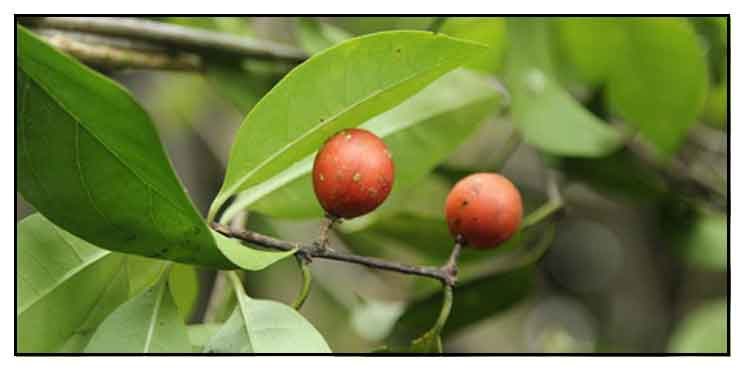
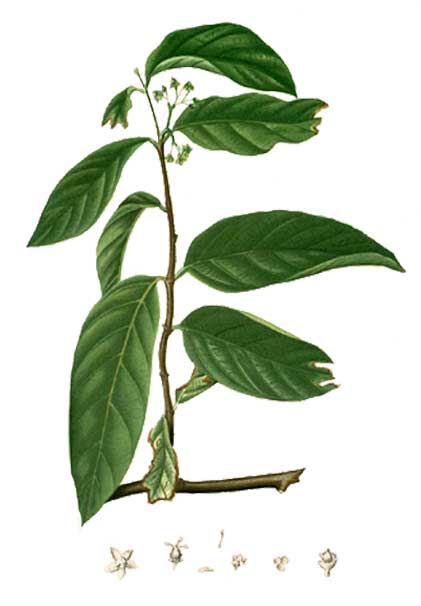
Matang-ulang is a small, erect or straggling tree or climbing, smooth shrub, reaching a height of 4 meters or more. Leaves are oblong, 8 to 16 centimeters long, margins entire or faintly and distantly toothed, and pointed at both ends. Flowers are borne in clusters in the axils of the leaves. Sepals are very small; petals are five and about 3.5 millimeters long. Fruit is ovoid or rounded, red, fleshy, about 1 centimeter in diameter, containing one seed.
 Distribution Distribution
- In thickets and forests at low altitudes, often near the sea, in Zambales, Bataan, Batangas, Quezon, and Camarines Provinces in Luzon; and in Mindoro, Palawan, Biliran, Romblon, Leyte, Panay, Bucas Grande, Mindanao, and the Sulu Archipelago.
- Also occurs in India, through Malaya to tropical Australia.
- A threatened medicinal plant.
Constituents
- Study isolated sixteen compounds, including seven triterpenes ( lupeol, lupendiol, 30-hydorxylupenone, 3, 22-dioxo-29-normoretane, ursolid acid, beta-sitosterol, beta-daucosterol); four flavanoids (quercetin, quercet-in-3', 4'-dimethylether, Isorhamnetin, kaempferol-4'-methylether); three phenolic acids (gallic acid, ethyl gallate, egallic acid); two fatty series (hentriacontanol, hentriacontan-12-ol).
- Roots contain alkaloids, glycosides, polyphenols, flavanoids, coumarins, proteins, carbohydrates, gums and mucilage, fixed oil and volatile oil. Stem and roots are abundant in triterpenoids like lupanes, hopanes and friedelanes. (8)
- Root bark yields diketones, fatty matter, rubber, dulcitol, mangiferin, phlobatannin, and glycosidal tannins.
- Study of n-hexane extract of stems yielded a new triterpene, 28-hydroxy-3-oxo-30-lupanoic acid (1), a triterpene found for the first time as a natural product, 3-oxo-lupane-30-al (2), along with three known triterpenes, 29-nor-21α-H-hopane- 3,22-dione (3), 21α-H-hop-22(29)-ene-3β , 30-diol (4), and betulin (5). (29)
- Study of leaf extract yielded steroid, terpenoid, flavonoid, carbohydrates, coumarin, saponin, tannin, phenol, alkaloid. (30)
Properties
- Considered invigorating to the circulation.
- Roots considered astringent and abortifacient.
- Studies have shown anti-diabetic properties.
Parts used
Stems, roots.
Uses
Folkloric
- Decoction of roots used for amenorrhea and dysmenorrhea.
- Considered abortifacient.
- Used in Ayurvedic and Unani medicine as an antidiabetic drug.
- In India, hot water extraction of the whole plant has been used orally as anti-diabetic; dried parts of the plant including the rootbark, also used for the same.
- Used as tonic, blood purifier, and for treatment of dysmenorrhea and amenorrhea.
- Root bark, decoction or boiled in oil, used for treatment of rheumatism, gonorrhea, itches, asthma and ear diseases.
- In traditional South and Southeast Asian herb medicine, used as antidiabetic agent.
Others
- Wood: Mugs made from salacia wood used by people with diabetes to drink water.
Studies
• Anti-Diabetic / Herbal Formulation: (1) An herbal formulation of Salacia chinensis with an extract from Hippophae rhamnoides or Coccinia indica studied for the prevention of endothelial dysfunction and microvascular complications. In a study on streptozotocin-induced diabetic rats, Salacia chinensis showed better glucose lowering effect than S. oblonga. (2) Antidiabetic function has been attributed to
α-glucosidase inhibitory activity.
• Chemical Constituents: Studies yielded 16 compounds, including 7 triterpenes, four flavanoids, three phenolic acids. (1)
• Anti-Hyperglycemic / Antioxidant / α-Glucosidase Inhibition / Salcinol: Study showed the methanolic extract from the stems of Salacia chinensis showed potent anti-hyperglycemic effects in oral sucrose or maltose-loaded rats, inhibitory effects on intestinal α-glucosidase, rat lens aldose reductase and radical scavenging activities. Study also isolated the α-glucosidase inhibitor, salacinol. (3)
• Mangiferin Constituents / Anti-Mutagenic: Mangiferin was found to be non-mutagenic to five S. typhimurium tester strains. The ethanol extract showed a significant dose-dependent anti-mutagenic activity. Results suggest that triterpenoids might contain antioxidants which protect against mutagens. (4)
• Triterpenes / Radical Scavenging Activity: Study of stems isolated two new friedelane-type triterpenes, salasones D and E, a new norfriedelane-type triterpene, salaquinone B, and a new polyacylated eudesmane-type sesquiterpenes. Some norfriedelane-type triterpene, lignan, and catechin constituents showed radical scavenging activity.
• Triterpenoid / Diabetes Treatment: A novel hypoglycemically active triterpenoid compound was isolated from S. prinoides, useful for treating insulin-dependent type 1 and non-insulin diabetes type 2 diabetes. (6)
• Toxicity Study / Reproductive Effect: Studies of SC extract showed no toxic effects on reproductive outcome, any parameters of reproductive function or survival, growth, sensory reflex or function development in Sprague-Dawley rats, even at a remarkably high dose level, 2000 mg/kg/day. (7)
• Nephroprotective Study / Diabetic Renal Disease: Study evaluated S. chinensis for effects on stabilization of renal functions and endothelial dysfunction in chronic diabetic kidney disease. Results show Salacia chinensis may retard the progression of chronic kidney disease. There was also a significant decline in markers of endothelial dysfunction (serum homocysteine and IL-6 levels). (9)
• Antihyperlipidemic / Root Extracts: Study evaluated various extracts of S. chinensis root for anti-hyperlipidemic activity. The chloroform and alcoholic extract of roots showed significant antihyperlipidemic activity. (10)
• Roots / Multiple Targets in Diabetes and Obesity: Recent pharmacological studies have demonstrated that Salacia roots modulate multiple targets (peroxisome proliferator-activated receptor-alpha-mediated lipogenic gene transcription, angiotensin II/angiotensin II type 1 receptor, alpha-glucosidase, aldose reductase and pancreatic lipase) which may mainly contribute to Salacia root-induced improvement of type 2 diabetes and obesity-associated hyperglycemia, dyslipidemia and related cardiovascular complications seen in humans and rodents and fulfill a multiple-target strategy in the prevention and treatment of diabetes and obesity. (11)
• Mangiferin / Anti-Diabetic: Study evaluated the effect of mangiferin in STZ-induced diabetic rats. There was a significant decrease in blood glucose. Results showed the antidiabetic potential of mangiferin, mediated through the regulation of key carbohydrate metabolic enzyme activities. (12)
• Hypotensive / Stems: Study investigated an S. chinensis extract of dried stems for hypotensive activity in anesthetized female rats in estrus and for vasodilator activities on isolated thoracic aortic rings in vitro. Results showed a hypotensive effect. The vasodilation could be an indirect effect by stimulated release of nitric oxide from vascular endothelial cells. (13)
• Cytotoxicity / Cancer Cell Lines / Triterpenoids: Study yielded two new triterpenoids, namely 7α,21α-dihydroxyfriedelane-3-one (1) and 7α,29-dihydroxyfriedelane- 3-one (2) together with a known triterpenoid 21α,30-dihydroxyfriedelane-3-one. Compound one showed good activity against four tested cancer cell lines Hep-G2, LU, KB, and MCF-7. (14)
• Antimicrobial / Leaves: Study evaluated the antimicrobial effects of ethanolic and aqueous extracts of Salacia chinensis against pathogenic bacteria and fungi. An ethanolic extract showed significant antimicrobial activity against S. epidermis, C. albicans and C. neoformans. An aqueous extract showed showed significant inhibition against S. epidermis and C. neoformans. (15)
• Hypoglycemic / Post-Prandial Effect / Randomized Double-Blind Placebo Controlled: Study using a 1000 mg extract and placebo showed a lowering of post-prandial blood sugar after a carbohydrate-rich meal and can be used as an oral hypoglycemic agent. (16)
• Immunomodulatory Effects / Leaves: Study evaluated the immunomodulatory effects of Salacia chinensis on Swiss albino rats fed concentrations of 1, 2, 4, and 32mg/kbw of aqueous extract. Various hematological, serological, and immunological parameters were measure at the end of the 14-day trial. At 1 mg/kbw, there was increased total leukocyte count, neutrophil percentage, blood glucose, hemoglobin, hemagglutination antibody titer against SRBC and delayed hypersensitivity reaction were increase. In contrast, higher concentrations reduced the immune response. Results showed the concentration of 1 mg/kg can boost the immune system while higher concentrations yielded a negative immune response. (18)
• Natural Antidiabetic Potential / Alternative to Salacia reticulata: Salacia reticulata is widely used in traditional systems of medicine for the natural control of diabetes. However, obtained from the wild, there is limited supply. Study evaluated Salacia chinensis as an alternative natural antidiabetic, in various parameters of phenolic and flavonoid content, radical scavenging activity, brine shrimp toxicity. Results showed S. chinensis displayed positive results in all monitored parameters justifying its used as an alternative natural antidiabetic source, while easing the demands on S. reticulata. (19)
• Potent Source for Antidiabetic and Antiobesity Herbal Drugs: Review reports on scientific developments on the potential of Salacia sps as a promising herbal drug. Salacia sps yield salacinol, katnanol, and mangiferin as active principles which inhibit α-glucosidase enzyme and slow down intestinal glucose absorption. Report also warns on the ruthless exploitation of Salacia sps which threatens its extinction. (20)
• Free Radical Scavenging / Anti-Diabetic / Roots: Study evaluated the antioxidant property of a methanolic root extract of S. chinensis in streptozotocin induced diabetic rats. Results showed significant decrease in blood glucose, glycosylated hemoglobin and increase in hemoglobin levels. Results showed free radical scavenging, with decreased levels of lipid peroxidant and hydroperoxides. (21)
• Silver Nanoparticles / Antibacterial: Study reports on the synthesis of silver nanoparticles (AgNPs) using Salacia chinensis plant extract. The synthesized nanoparticles were found to be effective against Staphylococcus aureus and Pseudomonas aeruginosa. (22)
• Cardioprotective : Prior treatment with extract of Salacia chinensis reduced the extent of myocardial damage induced by isoproterenol and maintained the activity of marker enzymes at normal. The methanolic stem extract exhibited antioxidative and cardiotonic properties. (23)
• Antidiabetic Mechanisms: S. chinensis has been reported to have antidiabetic function through a-glucosidase inhibitory activity. Active constituents affect multiple targets in diabetes, obesity, and associated cardiovascular diseases through modulation of PPAR-a-mediated lipogenic gene transcription and angiotensin 11/angiotensin II type 1 receptor, inhibition of a-glucosidase, aldose reductase, and pancreatic lipase. (24)
• Improvement of Postprandial Glucose and Insulin Response / Clinical Trial: A placebo controlled, randomized crossover design study evaluated 35 healthy subjects assigned different doses of Salacia chinensis extract (200, 300, and 400 mg SCE) capsules and compared with placebo. AUC insulin significantly lowered after ingestion of SCE. No significant adverse events were observed. SCE markedly decreased digestion and absorption of sucrose by inhibition of sucrase and reduced increased in blood glucose and insulin without adverse effects. Results suggest SCE may be a safe and effective supplement for controlling healthy blood glucose and insulin levels. (25)
• Antidiabetic Property of Different Plant Parts / Roots, Stems, and Seeds: The compound salicinol along with related compounds is increasingly used in the treatment of diabetes, which led to widespread over-harvesting of Salacia roots. The demand for the extract has caused a population decline of over 50%. Study assessed the antidiabetic activity of alternative plant parts i.e., stems, seeds, and leaves and evaluated the a-glucosidase inhibition activity of extracts using parameters of plant part, age of plant, and effective solvent system. Promising a-glucosidase enzyme inhibition results were obtained from crude extracts of stems and seeds. Highest inhibition levels demonstrated by aqueous extracts of roots and stems were 80.43±1.14% (IC50 22.17 µg/ml) and 81.2±0.41 (IC50 22.23 µg/ml), respectively. Results suggest stems and seeds can be used as alternative to roots. (26)
• Herb-Drug Interaction: Moderate interaction: Salacia might decrease blood sugar and taking salacia with diabetic medications may cause the sugar to go too low. (27)
• Comparative Phytochemicals and Antioxidant Properties of Different Plant Parts: Roots of S. chinensis showed highest content of phenolics, flavonoids, proanthocyanidins and saponins (64.4 mg gallic acid equivalent / g dried weight (DW), 106 mg catechin equivalent (CE)/g DW, 43.5 mg CE/g DW and 799.9 mg escin equivalent/g DW, respectively), followed by stem and leaf. On four antioxidant assays (ABTS, DPPH, FRAP, and CUPRAC), the root showed highest antioxidant capacity, followed by stem and leaf. (28)
• Antibacterial / Leaves: Study evaluated seven species of Salacia, including S. chinenesis, for phytochemical content and antibacterial activity. Flavonoid, steroid, saponins, tannins and alkaloids were present in all the species. All the species showed maximum inhibitory activity against Bacillus cereus than E. coli. (30)
• Alpha-Glucosidase Inhibition / Effect on Post-Prandial Glycemia / Clinical Trial: Alpha-glucosidase inhibitors are used as antidiabetic to slow carbohydrate absorption. This double-blind, randomized, placebo-controlled study evaluated the4 effect of Salacia chinesis for alpha glucosidase inhibitory property and effect on post prandial glycemia. Study showed SC lowered postprandial serum glycemic indices in overweight/obese participants. (31)
• Modulation of Carbohydrate and Lipid Metabolism: Study evaluated the therapeutic efficacy of SC extract and modulation of carbohydrate and lipid metabolism in in vitro and in vivo models.
Salacia chinensis showed significant inhibitory effect on α-glucosidase. SCE demonstrated significant inhibitory effect against pancreatic lipase, compared to orlistat. In vitro results suggest SCE modulated gastrointestinal and lipid digestion and absorption, and has potential for obesity/diabetes prevention and phytotherapy. In vivo animal study results suggest inhibition of fat absorption which slows weight gain and reduces effects of metabolic risk factors. (32) SCE may modulate glucose and lipid metabolism by regulation of glucose transporters and NF-kB and Nrf2 pathway. (33)
• CARBS (Carbohydrate, Appetite Reduction, Blood Sugar and Satiety) Study: Researchers at Rutgers University observed that a proprietary salacia extract demonstrated appetite reduction, satiety, and blood sugar management benefits. In a double blind, randomized, placebo controlled 3-way cross-over study, use of Salacia chinensis proprietary extract (from OmniLeam) resulted in reduced glycemic indices and changes in gut peptide hormones after meals in healthy overweight/obese individuals, reducing blood sugar spikes and significantly affecting appetite and satiety. Results suggest potential benefit for persons at risk for diabetes including overweight/obese patients. (34)
• Mangiferin / Prevents Oxidative Stress / Protects Pancreatic ß-Cells: Study evaluated the protective effects of mangiferin against pancreatic ß-cell damage and on the antioxidant defense systems in STZ-induced diabetic rats. Oral administration of mangiferin from S. chinensis and glibenclamide to diabetic rats significantly decreased the level of blood glucose and increased levels of insulin. Mangferin also significantly modulated the pancreatic nonenzymatic antioxidant status (vitamin C. vitamin E, ceruloplasmin, and reduced GSH content) and other oxidative stress biomarkers. Histoarchitecture of diabetic rats showed degenerated pancreas with lower ß-cell count. Electron microscopoy showed damaged nuclear envelop and mitochondria. Mangiferin nearly normalized pancreatic architecture. The protective effects in diabetes via decreased oxidative stress and prevention of ß-cell damage were attributed to its antioxidative properties. (36)
• Antioxidant / Antidiabetic / Stem: Aqueous stem extract of S. chinensis showed significant DPPH radical scavenging activity and dose-dependent increase in inhibitory effect on α-amylase enzyme (up to 87.30%) and α-glucosidase enzyme (up to 78.30%) compared to standard drug acarbose (74.03% and 81.60%, respectively). (37)
• Character Association / Fruit Yield and Fruit Traits: Seed length, plant height, and seed diameter showed positive and high direct effects on fruit yield per plant, while seed weight, fruit length, and leaf length had high negative direct effects on fruit yield per plant. Based on correlation and path analysis, the traits viz., plant height, plant spread, fruit diameter, fruit weight, seed diameter, seed length and seed weight can be considered as selection indices for high yield. (38)
• Invention / Herbal Formulation for Management of Diabetes Mellitus and Diabetic Micro-Vascular Complications: A novel herbal formulation for the prevention of endothelial dysfunction and diabetic microvascular complications comprised of Salacia chinensis and at least one other active constituent selected from Coccinia indica and Hippophae rhamnoides and additives in trace amounts. (39)
• Antidiabetogenic Components from Salacia Species: In studies on antidiabetogenic compounds from natural medicines and medicinal foodstuffs, extracts from roots and stems of Salacia reticulata, S. oblongata, S. chinensis showed substantial inhibitory effects on increase in serum glucose levels in oral sucrose- and maltose-loaded rats and inhibitory effects on α-glucosidase. Bioassay-guided study using α-glucosidase inhibitory activities isolated α-glucosidase inhibitors salicinol and kotalanol, along with several known phenolic compounds, new sesquiterpenes (salasols A and B) and triterpenes (kotalagenin 16-acetate, salasones A-E, salaquinones A and B). (40)
• Amelioration of Glucose Metabolism / Improves Bone Strength: Study evaluated the effect of S. chinensis extract on inhibition of formation of advanced glycation end products (AGE) in a rat model of STZ-induced diabetes. While oral SCE did not ameliorate diabetic-induced decrease in body weight, it ameliorated the increase in glycoalbumin levels in diabetic rats. SCE ameliorated the decreased femur strength and accumulation of N-(carboxymethyl)lysine (CML) which were increased by induction of diabetes. SCE also significantly ameliorated diabetes-induced increase in glycoalbumin and decrease serum in serum creatinine level and body weight. The ameliorative effects were attributed to improved glucose uptake by various organs. (41)
Availability
- Wild-crafted.
- Herbal products in the cybermarket.
|