Gen info
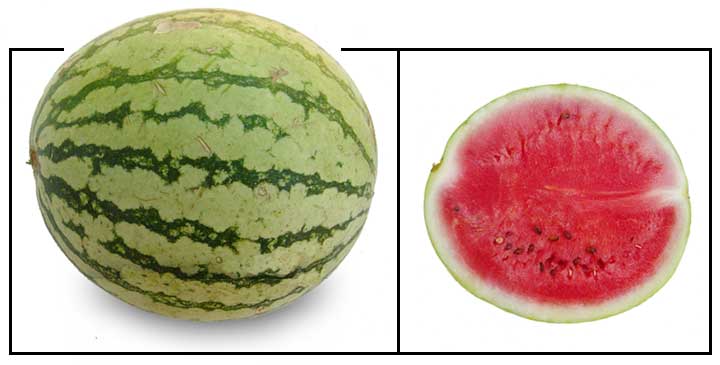
- Citrullus lanatus (watermelon) is a flowering plant species of the Cucurbitaceae family; a scrambling and trailing vine-like plant, a highly cultivated fruit worldwide, with more than 1,000 varieties. (79)
- Etymology: Citrullus lanatus derives from Greek and Latin words: Citrullus from the Greek word "citrus" and lanatus is Latin, meaning woolly or referring to the short hairs on stems and leaves. (31)
- Symbolic: Watermelon is used as symbols of Palestinian resistance, the Kherson region in Ukraine, and Eco-socialism. It is also used as a racist stereotype in the United States. (79)
- Global production: In 2020, global production of watermelons was 101.6 million tonnes. Mainland China accounted for 60% of total (60.1 million tonnes); secondary producers included Turkey, Iran, India, Algeria, and Brazil - all with annual production of 2-3 million tonnes in 2020. (79)
Watermelon's ancient history
- The watermelon's wild ancestor was a bitter fruit with hard, pale-green flesh. Generations of selective breeding by countries and cultures produced the sweet red fruit as we know it now.
- The ancient progenitor, the ur-watermelon, was cultivated in Africa before its spread to the Mediterranean countries and Europe. Harry Parris, a horticulturist, blames generations of taxonomists back to the 18th century for the melon muddle.
- Even the accepted name, Citrullus lanatus, is wrong. Lanatus means "hairy" in Latin, which watermelon is not. Rather, the "hairy" refers to the fuzz-covered citron melon (Citrillus amarus). . . . (read: The 5,000-Year Secret History of the Watermelon: Mark Strauss: National Geographic Article / Aug 21, 2015: ) (65)
 Botany Botany
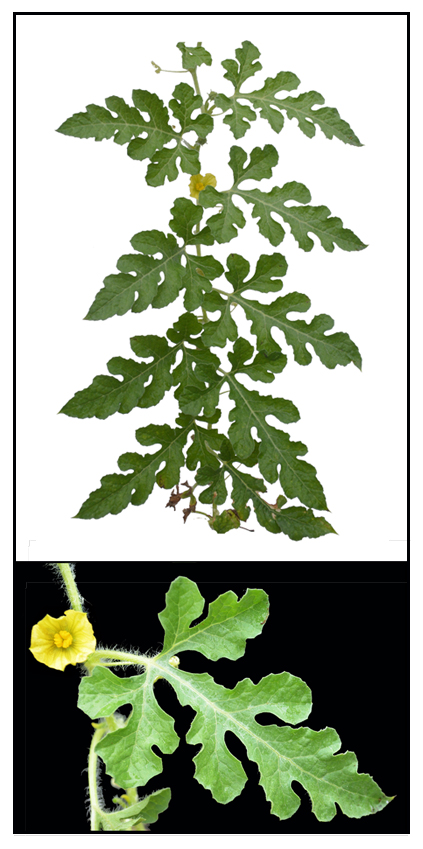
• Pakuan is a spreading,
hairy, tendril-bearing annual vine reaching a length of several meters. Leaves are long-stalked,
oblong-ovate, 8 to 20 centimeters long, deeply 3- to 7-lobed, pinnatifid
with usually narrowed segments. Flowers are monoecious, yellow, and
about 2 centimeters in diameter, occurring singly in axils of the leaves.
Fruit is very large, smooth, ellipsoid to oblong, light green with
irregular dark green-mottled stripes, sometimes covered with a white, waxy bloom, about 30 centimeters long. The flesh
is white, yellowish, pink or red; crisp, soft and juicy. Seeds
are compressed, sometimes red, usually black.
• An annual, monoecious vine. It has a twining growth habit and can grow up from 1.5 to 5m in length. Roots: The root system is extensive and shallow. Foliage: The deeply lobed leaves are alternately arranged along the stem and are oblong-ovate in shape with a cordate leaf base. Stem: The herbaceous stem is angular, grooved and is covered with long, white hairs. Flowers: The pale yellow flowers are solitary and are borne in the leaf axils. The male flowers have 3 stamens while the female flowers have an inferior ovary and a 3-lobed stigma. Both flowers have a 5-lobed calyx and a 5-parted corolla. Fruit: The fruit is a pepo, its shape varies from globular to oblong to elliptical. The color of the fruit also varies from stripes to mottled or uniform and is hairy or glabrous to the touch. The flesh of the fruit varies from red to yellow.
Distribution
- Introduced.
-
Widely cultivated
in the Philippines.
- Native to Egypt, Ethiopia, Libya, Sudan.
- An annual growing primarily in the seasonally dry tropical biome.
Constituents
- Citrullus lanatus produced a fruit that is 93% water, hence, the name watermelon. (31)
- Fruit extract yielded carbohydrates, proteins, amino acids, steroids, glycosides, flavonoids, tannins and polyphenols.
- The skin contains
a fixed oil, arachidic acid, and traces of copper.
The seeds contain oil, 15 to 45%, made up of glycerides of linoleic
acid, oleic acid and palmitic and stearic acids. The oil contains
a small amount of phytosterol.
- A study suggests the active principle in the seed is a glucoside-saponin
named cucurbocitrin.
- Flesh of fruit contains saccharose, dextrose, levulose, invert sugar, citrullin, lycopene, carotin, etc.
- All parts of the watermelon - rind, flesh, and seeds - contain citrulline, a non-essential amino acid, which converts to L-arginine when eaten.
 - Seeds are a rich source of enzyme urease. - Seeds are a rich source of enzyme urease.
- Unsaturated fatty acid content of an ether extract in water melon seeds was reported at 76.1%, mainly linoleic acid.
- A 1967 study isolated a new amino acid from the pressed juice of Citrullus vulgaris and named p-(pyrazolyl-N)-alanine on the basis of its nuclear magnetic resonance spectrum and other properties. (25)
- Study of vine yielded ten compounds:
pentadecanoic acid, monopentadecanoin, 2, 3-dihydroxypropyl nonadecoate, lignoceric acid-2, 3-dihydroxy-propanenyl ester, lancerebroside 5, salicylic acid, 4-hydroxybenzoic acid, hydroquinone, succinic acid and vanillic acid. (15)
- Alcoholic and aqueous extracts revealed the presence of carbohydrates, proteins, flavonoids, saponins, fixed oils, glycosides and steroids. (See study below) (18)
- Physiochemical composition yielded moisture 19.21%, ash content 2.85%, acid soluble 2.105%, acid insoluble 1.00%, fiber content 13.67%, oil content 35.2%, iodine value 179.0, acid value 148.0,
invert sugar 39.95%. (19)
- Analysis of fatty acid profile of seed oil confirmed the presence of palmitic, stearic, oleic, linoleic, and linoleic acids, with linoleic acid being the most abundant of the five. Physiochemical characteristics of seed oil showed a saponification value of 132.33 mgKOH/g, acid value 06.48KOH/g, peroxide value 21 meq/kg, iodine value 123 gI2/100g, specific gravity 0.915, refractive index 1.46. (22)
 - Macronutrient profile (per 1 cup diced watermelon [approx. 152 g]): 45 calories, 1 g protein, 11.5 g carbohydrate, 0.2 g fat. Watermelon is an excellent source of vitamin C 12.3 mg (20.5% DV), vitamin A 865 IU (17.3% DV); a very good source of potassium 170 mg (4.9%DV). Other minerals and vitamins are magnesium 15 mg (3.8% DV), vitamin B6 0.07 mg (3.5% DV), vitamin V1 0.05 mg (3.3% DV), vitamin E 0.08 mg (3% DV), manganese 0.06 mg (3% DV), dietary fiber 0.6 g (2.4% DV), iron 0.4 mg (2.2% DV), phosphorus 17 mg (1.7% DV), folate 5 mcg (1.3% DV), and calcium 11 mg (1.1% DV). (DV is daily value based on a 2,000 calorie diet, as established by USFDA) (26) - Macronutrient profile (per 1 cup diced watermelon [approx. 152 g]): 45 calories, 1 g protein, 11.5 g carbohydrate, 0.2 g fat. Watermelon is an excellent source of vitamin C 12.3 mg (20.5% DV), vitamin A 865 IU (17.3% DV); a very good source of potassium 170 mg (4.9%DV). Other minerals and vitamins are magnesium 15 mg (3.8% DV), vitamin B6 0.07 mg (3.5% DV), vitamin V1 0.05 mg (3.3% DV), vitamin E 0.08 mg (3% DV), manganese 0.06 mg (3% DV), dietary fiber 0.6 g (2.4% DV), iron 0.4 mg (2.2% DV), phosphorus 17 mg (1.7% DV), folate 5 mcg (1.3% DV), and calcium 11 mg (1.1% DV). (DV is daily value based on a 2,000 calorie diet, as established by USFDA) (26)
- Dried egusi seed with shell per 100 g yield water 5.1g, energy 2340 kJ (557 kcal), protein 38.3 g, fat 47.4 g, carbohydrate 15.3 g, calcium 54 mg, phosphorus 755 mg, iron 7.3 mg, thiamin 0.19 mg, riboflavin 0.15 mg, niacin 3.55 mg, and folate 58 µg. (Schippers, 2002) (31)
- Phytochemical screening of seed extracts yielded steroids, alkaloids, flavonoids, terpenoids, and saponins in ethanol and petroleum ether extracts. The ethanol extract also yielded anthraquinones, tannins, and reducing sugars. (see study below) (41)
- Phytochemical screening of peels yielded alkaloid, flavonoid, saponin, tannin and terpenoid, with absence of phenolic compounds. (see study below) (52)
 - Preliminary phytochemical screening of crude methanol extract of leaves and subsequent fractions yielded saponins, alkaloids, flavonoids, phenols, sterols, and triterpenes which varies in other fractions. (57) - Preliminary phytochemical screening of crude methanol extract of leaves and subsequent fractions yielded saponins, alkaloids, flavonoids, phenols, sterols, and triterpenes which varies in other fractions. (57)
- Amino acid content per 1 gm of wet
watermelon weight (in mmol / g wet weight : Phenylalanine 1.25, histidine 0.24, tryptophan 0.35, lysine 0.82, ornithine 0.32, arginine 11.36, aspartate acid 0.97, threonine 0.74, serine 1.05, glutamine 3.86, glutamic acid 1.38, citrulline 23.68, alanine 1.15, valine 0.17, isoleucine 1.24, leucine 0.24. (see study below) (70)
- Qualitative phytochemical screening of seeds using various solvents yielded the presence of alkaloid, flavonoids, phenol, steroid, carbohydrate, tannins, saponins, phytosterols, terpenoids, and glycosides. Quantitative assay showed alkaloid with the highest percentage of composition of 0.57% (28.33 mg/g) and flavonoids the lowest at 0.01% (0.67 mg/g). Others include phenol 0.02% (0.76 mg/g), tannins 0.02% (I1.08 mg/g), and saponins 0.08% (16.87 mg/g). (see study below)
(71)
Properties
- Seeds considered cooling, demulcent, diuretic, vermifuge, nutritive, pectoral and pectic.
- The crude extract of seeds believed to have a lowering blood
pressure effect.
- Studies have shown antioxidant, antidiabetic, antimicrobial, antihypertensive, mosquitocidal, repellent, analgesic, anti-inflammatory, radioprotective, anti-ulcer, laxative properties.
Parts
utilized
Seeds, fruit, roots.
 Uses Uses
Edibility / Nutrition
- Widely eaten in the Philippines.
Not high in nutritive value; only a fair source of calcium and iron.
- Seeds are oily; sometimes used as substitute for peanuts.
-
African cuisine use the entire fruit: Seeds are eaten as snacks, added to dishes, ground in flour; rind can be stir-fried, stewed, candied, pickled, or grilled; flesh eaten or juiced or fermented into alcohol. (26)
Folkloric
- The juice of
the roots used for hemorrhage after abortion.
- Juice of fruit use as antiseptic in typhus fever.
- With cumin and sugar, juice is used as a cooling drink in strangury and affections of the urinary organs, such as gonorrhea; also used for hepatic congestion and intestinal catarrh.
- In China, rind of the fruit is powdered after drying and incineration and
used for aphthous mouth sores.
- Pulp is used as a drastic purgative.
- In Tonkin, pericarp used for diarrhea.
- Seeds used to alleviate symptoms of acute cystitis.
- In traditional Chinese medicine, used to relieve scanty urination, excessive thirst, for treating icteric hepatitis and urinary tract infections.
- Used in Chinese herbal medicine for erectile dysfunction, acne, diabetes, nephritic edema.
- Used as purgative and emetic in high dose, vermifuge, demulcent, diuretic and tonic. Seed used for treatment of urinary tract infections, bed wetting, dropsy, renal stones, alcohol poisoning, hypertension, diabetes, diarrhea, and gonorrhea.
(31)
Others
- Water source / Alternative Food Source: In the semi-arid central Tanzania, water melons are available in appreciable quantities to be used as livestock as water source during the dry season. One hectare can produce sufficient water melons to supply water to a growing bull for 3-5 months. In years of famine, the rind is dried and made into porridge. Farmers also extract oil from the melon seeds to use for cooking.
Studies
• Hypothyroidism: Protective
role of Mangifera indica, Cucumis melo and Citrullus vulgaris peel extracts
in chemically induced hypothyroidism: Results showed thyroid
stimulatory and antiperoxidase roles. (1)
• Mosquitocidal
/ Repellent: Mosquitocidal and repellent activity of the leaf
extract of Citrullus vulgaris (cucurbitaceae) against the malarial vector,
Anopheles stephensi liston (diptera culicidae): The C vulgaris
plant showed insect growth regulatory activity against Anopheles stephensi. (4)
• Thyroid Stimulation
/ Regulation of Lipid Peroxidation: Study of the fruit peel extracts of M indica, C melo and Citrullus vulgaris showed stimulatory thyroid activity in PTU-induced hypothyroid animals and lipid peroxidation inhibition. but only when treated individually. A parallel increase in hepatic and renal LPO was observed when used in combination.
• Citrulline / Rind: Watermelon is a natural and rich source of the non-essential amino acid citrulline. It is used in the nitric oxide system, with potential antioxidant and vasodilatory effects. Red flesh watermelons had slightly less citruline than yellow or orange flesh watermelons. Rind contains more citrulline than flesh. The watermelon rind, an underutilized agricultural waste, presents as a rich source of natural citrulline. (5)
• Supplementation / Improved Aortic Blood Pressure: Study showed watermelon supplementation improves aortic hemodynamics through a decrease in the amplitude of the reflected wave in individuals with prehypertension. Supplementation was well tolerated by all subjects, with no adverse effects reported. (9)
• Antimicrobial / Leaves: Study showed the leaves extract of C. colocynthis, C. lanatus and C. vulgaris were very effective against bacteria and some fungal strains than other species. All three showed maximum inhibition against E. coli and Candida albicans. (14) Study evaluated methanol extracts and fractions of leaves of C. lanatus for antimicrobial activity against various clinical isolates. All fractions showed significant activity against test microbes including Strep. pyogenes, Strep. faecalis, Bacillus cereus, Corynebacterium ulcerans, E. coli, K. pneumonia, P. fluorescens, S. typhi, Candida albicans and C. krusei. Ethylacetate fraction showed highest activity. (32)
• Anti-Diabetic Effect: Study evaluated the anti-diabetic potential of various extracts of watermelon in vivo in streptozotocin induced diabetic mice. Results showed significant reduction of blood glucose levels, increased insulin levels, and protection from pancreatic cell death. Results showed beneficial antidiabetic effects. (16)
• Corrosion Inhibitor / Peels: Study showed Citrillus vulgaris peels can serve as effective inhibitor on zinc in natural sea water environment. Results suggest the adsorption of inhibitor on zinc metal surface is exothermic and followed by spontaneous process. (17)
• Anti-Obesity / Anti-Arthritic / Seeds: Study evaluated the anti=obesity and anti-arthritic activities of seed extracts of C. vulgaris in rat models. The extracts exhibited significant anti-obesity activity with reduction of glucose, cholesterol, LDL, VLDL, triglycerides, with increase in HDL in induced obesity models in rats, with Sibutramine as standard reference. Extracts also showed significant anti-arthritic activity in FA induced arthritis in rat models. (18)
• Effect on Spermatogenesis / Seeds: Study evaluated the effect of Citrillus vulgaris on spermatogenesis in Wistar rats. Results showed a significant increase in sperm population, motility and viability. (20)
• Prostatic Hyperplasia / Seeds: Study evaluated the effects of a methanolic extract of Citrullus lanatus seed on experimentally induced benign prostatic hyperplasia in adult male Wistar rats. Treatment with the extract caused a significant decrease in prostate enlargement, seminal vesicle and testes size, together with a decrease in prostate weight. (24)
• Increased Testosterone / Seeds: Study in adult Wistar albino rats showed a significant increase in serum testosterone at 30 mg/kg of extract (P <0.05). Results suggest potential beneficial effects on fertility. (27)
• Radioprotective Effect / Lymphocyte Membrane: Study investigated the mechanisms of radioprotection on lymphocyte membrane in adult male Sprague-Dawley rats. Results showed Citrullus vulgaris has radioprotection properties and lymphocytes were destroyed by formation of pores on their membrane. Radioprotection could be due to the presence of antioxidants, particularly vitamin A, C, and lycopene. (28)
• Analgesic / Peels: Study of aqueous extract of C. lanatus peels for analgesic activity using Eddy's hot plate method showed good analgesic potential with a potential as alternative to conventional NSAIDS. (29)
• Ameliorative Effect on Cytoarchitecture of Testes: Distorted cytoarchitecture and reduction in interstitial cells has been linked with infertility following administration of unripe papaya sees. Study showed Citrillus lanatus has an ameliorative effect on the cytoarchitecture of testes in Wistar rats following prolonged exposure to methanolic extract of Carica papaya. (33)
• Globulins / Antihyperglycemic Activity / Seeds: Study evaluated the hypoglycemiic of storage proteins of five species of Cucurbitaceae on male Wistar rats. Among extracted proteins, globulins constitute the most abundant class of storage proteins. Citrillus lanatus and Cucurbita moschata yielded the highest levels of globulin, 275.34 and 295.11 mg/g dry matter, respectively. Study showed selected Cucurbitaceae seeds contain globulins with significant anti-hyperglycemic activity. (34)
• Antioxidant / Seeds: Study evaluated the in-vitro antioxidant activities of n-hexane, chloroform, and ethanol extracts of Citrullus lanatus seeds using DPPH radical scavenging activity, Ferric reducing power activity, H2O2 scavenging activity and NO scavenging activity. All extracts showed antioxidant activities in order of n-hexane>ethanol>chloroform extracts. (35)
• Anti-Ulcer / Gastroprotective / Seeds / Rind: Study evaluated the anti-ulcerogenic activity of crude methanol extract of Citrullus lanatus seeds in two ulcer models in albino Wistar rats. Results showed significant effect in pyloric ligation and in water immersion stress induced ulcer models. The ulcer protective effect may be due to anti-secretory and cytoprotective mechanisms. (36) Study evaluated the anti-ulcer activity of aqueous extract of seed and rind in ethanol induced gastric ulcer model in albino rats. Results showed significant (p<0.05) dose-dependent decrease in gastric lesions formation. The percentage curative effect was high in both seed and rind (75% and 70%, respectively). The gastroprotective and anti-ulcerogenic activities may be due to high citrulline and flavonoid contents which may influence both NO synthesis and antioxidant defense mechanisms that cumulatively inhibit gastric secretion. (54)
• Antioxidant / Anti-Inflammatory / Analgesic / Seeds: Study evaluated various extracts of seeds for analgesic, anti-inflammatory and antioxidant potential. The methanolic extract showed highest antioxidant activity using DPPH and H2O2 methods. The MECL showed dose-dependent significant (p<0.05) anti-inflammatory activity by carrageenan induced rat paw edema and analgesic activity by tail flick and tail immersion methods. (37)
• Antidiabetic / Antioxidative / Juice: Study evaluated the antioxidative and antidiabetic potentials of watermelon in a in vivo assay on alloxan induced diabetic rats. Results showed watermelon juice caused increased in weight, hypoglycemia, and increases in GPH, GPx, catalase, and SOD% inhibition activities with reduced MDA concentration after treatment. (38)
• Anti-Nutrient Components: Study evaluated pulp, seeds, and rind of C. lanatus for anti-nutrient components. Results showed anti-nutritional components such as saponin, alkaloid, hydrocyanic acid, phenols, oxalate, tannins, and phytates were detected in all samples but in varying tolerable concentrations. Flavonoid was significantly high in the pulp and seed. Phytate and oxalate were higher in seeds compared to pulp and rind. Anti-nutrient compounds were below FAO/WHO recommended safe levels. (39)
• Antidiabetic / Lipid Effects / Rind: Study evaluated the antidiabetic effects of a methanolic extract of C. lanatus rind in alloxan induced diabetic male albino wistar rats. Results showed significant decrease in triglycerides, LDL cholesterol and VLDL with increases in HDL. Study suggests C. lanatus rind can possibly normalize some biochemical and hematological abnormalities associated with the pathophysiology of diabetes mellitus in a dose dependent manner. (40)
• Antidiabetic / Seeds: A methanol seed extract showed significant reduction of plasma glucose at weeks 2 and 4 in a study on female Wistar rats. Possibly, the hypoglycemia was induced by triggering of insulin release from the pancreatic ß-cells or by hepatic glucose reduction. (21) Study evaluated the effects of petroleum ether and ethanol extract of seeds on blood glucose in alloxan induced diabetic mice. Results showed significant (p<0.05) lower of blood glucose levels in a dose dependent manner. (see constituents above) (41) Study of watermelon seed extract on STZ-induced diabetic rats showed antihyperglycemic and antioxidative effects. (44)
• Laxative
/ Fruit Pulp: Study evaluated the possible laxative effect of aqueous fruit pulp extract of Citrullus lanatus in albino Wistar rats. Results showed a significant laxative effect and reduced loperamide effect in a dose dependent manner. Effect was similar to reference drug sodium picosulfate. (42)
• Silver Nanoparticles / Fruit Rind: Study reports on a one-step green synthesis of silver nanoparticles synthesized using silver nitrate and aqueous extract of C. lanatus fruit rind as reductant and capping agent. (43)
• Immunomodulatory / Antioxidant / Seeds: Study evaluated the antioxidant and immunomodulatory activities of C. lanatus seed extract in in-vitro models. Results showed good antioxidant activity by DPPH assay. C. lanatus stimulated phagocytic activity of leucocytes in a dose dependent manner by NBT (nitroblue tetrazolium dye) assay. (45)
• Nutritive Value and Antioxidant Activity / Fruit: Study evaluated the nutritive contents, free radical scavenging activities and phytochemical components of C. lanatus fruit. Results showed very high moisture content with its crude protein, crude fat, crude fiver and ash in traceable amounts. Sugar content was high compared to other nutritive contents. Lycopene and ß-carotene were estimated to be 4537.83 and 308.71 µg/100g, respectively. Fruit extract exhibited significant (p<0.05) DPPH (IC50 of 0.10 mg/mg) and hydrogen perioxide radical scavenging activity (IC50 0.62 mg/mg). (46)
• Effect in Male Potency / Flesh Extract: Study evaluated the effects of flesh extract on male sexual behavior using animal models. Extract at dose of 1000 mg/kg did not produce mortality or signs of toxicity. There was significant decrease in mounting latency and intromission latency (p<0.05). Aphrodisiac effects in animal models suggest a potential use for men with erectile dysfunction. (47)
• Protein Hydrolysates / Potential
in Management of Hypertension: Study evaluated the in vitro antihypertensive, antiradical, and hydrogen peroxide scavenging properties of protein hydrolysates from C. lanatus seed obtained through enzymatic digestion. Hydrolysates were investigated for inhibitory activity against angiotensin-1-converting enzyme (ACE) activity. Results showed protein hydrolysates possess bioactivities with potential for use in the management of hypertension. (48)
• Lycopene Extraction / Fruits: Study focused on the extraction of lycopene from C. lanatus fruits. Phytochemical analysis yielded bioactive compounds such as phenolics, alkaloids, saponins, tannins, steroids, and flavonoids. Lycopene by column chromatography was 68.0285 mg/k fresh weight. Study suggests watermelon as a good source of antioxidant with potential as raw material in drug formulation. (49)
• Radioprotective / Modulation of Oxidative Damage / Juice: Study investigated the radioprotective effects of watermelon juice against oxidative damage induced by low dose x-ray exposure in mice. Results showed significant reduction of MDA levels and AP sites formation of Tx (treatment group) compared to Rx (radiation group) (p<0.05). Supplementation with 50% watermelon juice restored the intracellular antioxidant activities by significantly increased SOD inhibition activities and GSH levels compared to the Rx. Findings suggest modulation of oxidative damage induced by lo-dose xray. (51)
• Antimicrobial / Peels: Study evaluated the phytochemical constituents and potential antimicrobial activity of various extracts C. lanatus peels. Results showed the peels extract impeded the growth of both test organisms i.e., Staphylococcus epidermidis and Trichophyton mentagrophytes. (see constituents above) (52)
• Antidiarrheal /
Seed: Study evaluated the anti-diarrheal potential of C. lanatus seed extract using castor oil-induced diarrhea model in rats. Induction of diarrhea by castor oil increased peristaltic activity and induced permeability changes in mucosal membrane to electrolytes and water. Results showed a significant decrease in intestinal propulsion of charcoal meal in rats. Phytochemical screening of seed extract yielded alkaloid, flavonoid, tannins, saponins, steroid, and resins. (53)
• Mitigation of Aspartame-Induced Oxidative Stress / Ginger Rhizome and Watermelon Seeds: Study evaluated the ability of aspartame (ASP) to induced oxidative stress in rats and the potential of ginger (Zingiber officinale) rhizome and watermelon (Citrullus lanatus) seeds extract in averting the ADP induced oxidative stress using various sperm and biochemical assays and parameters in mature male albino rats. ASP reduced sperm viability and sperm count, and increased sperm head abnormalities. Ginger extract reduced more of lipid peroxidation, while the watermelon seeds extract increased activities of DOD, GPx, and reduced AST, ALT, and ALP in rat liver at 1000 mg/kbw. Both extracts showed potential as antioxidant reservoir and for averting oxidative stress pathologies. (55)
• Gastroprotective / Acetic Acid Induced Ulcers / Fruit Pulp: Study evaluated the healing potential of aqueous fruit pulp of C. lanatus on acetic acid induced ulcers in albino Wistar rats. All three extract doses of 250, 500, and 100 mg/kg p.o. significantly reduced the ulcer index lesion . Post treatment showed significant increase in level of hexoses, sialic acid, enzymatic antioxidants i.e., SOD, CAT, with a decreased in LPO levels. Flavonoids and polyphenols may be responsible for the gastric healing effect of the extract. (56)
• In Vitro Antioxidant Activity / Nitric Oxide Scavenging Activity / Seeds: Study evaluated a methanol extract of citrullus lanatus seeds for antioxidant and NO scavenging activity. Total phenol concentration was 0.96 ± 0.12 mg RE and flavonoid was 9.96 ± 0.86 GAE. Extract showed potent DPPH radical scavenging activity
and good O2 anion radical scavenging ability. Results suggest the seed extract could be a good source of antioxidants with potential to ameliorate the oxidative stress. (58)
•
Cardioprotective / Reduction of Cardiovascular Modifiable Risk Biomarkers / Fruit and Seed: Study showed Citrullus lunatus fruit and seed juice significantly decreased the levels of triglycerides and LDL-C, serum creatine kinase, and serum sodium, markers implicated in cardiovascular diseases when elevated. (59)
• Gold Nanoparticles / Proteasome Inhibitory Activity / Antibacterial / Antixoxidant / Rind: Study reports on the green synthesis of gold nanoparticles using C. lanatus rind. The synthesized gold NPs exhibited potential antibacterial activity against five different foodborne pathogenic bacteria, and strong synergistic antibacterial activity with kanamycin and rifampicin. The NPs displayed strong antioxidant activity by DPPH radical scavenging, ABTS scavenging, and reducing power. The NPs also exhibited high proteasome inhibitory potential with potential usefulness for cancer therapy and targeted cancer drug delivery. Results suggest potential applications in the biomedical, pharmaceutical, cosmetic, and food industries. (60)
• Prevention of Sarcopenia / Enhanced L-Citrulline in Parboiled Paddy Rice with Watermelon Juice: Aging related muscle and sarcopenia are public health problems. Study showed rice parboiled with watermelon juice could be a source of L-citrulline and L-arginine, and has the potential or slowing or preventing sarcopenia in elderly people where access to medical care and pharmaceutical supplements are lacking. (61)
• Hepato- and Neuroprotective / Ethanol Induced Oxidative Stress / Juice: Study evaluated the potential protective effects of watermelon juice on ethanol-induced oxidative stress in the liver and brain of male Wistar rats. Ethanol induced altered antioxidant status in the liver was evidenced by elevation of malondialdehyde (MDA) and increase in brain and liver catalase (CAT) activity. Results showed antioxidative effects in ethanol-induced oxidation in the liver and brain of rats, which could be attributed to phytoconstituents in watermelon juice. (62)
• Synergistic Effect of Watermelon Powder and Lactococcus Lactis Supplemented Diet / Neuro-Benefits: Oxidative stress has been strongly related with Alzheimer disease pathogenesis. Study evaluated the effects of watermelon powder (WMP) and lactococcus lactis subsp lactis (LAL) supplementation on generated Aß42-induced phenotypes in a Drosophilia melanogaster model of Alzheimer's Disease (AD). Study showed individuals fed synergistic effect of WMP and LAL exhibited amelioration of Aß42 expression along with an increment of flight ability than Aß42-induced files. WMP is typically rich in L-citrulline and LAL, rich in naturally occurring probiotics and antioxidants, all promoting survival of neurons in the brain and wing muscle tissue with increased levels of Aß42 via a protective cell survival mechanism. (63)
• Renal Regenerative / Nephroprotective / Acetaminophen-Induced Kidney Damage / Seeds: Study evaluated extracts of watermelon seeds on physiologic saline and acetaminophen-induced kidney damage in female albino rats. Histopathological analysis of the kidneys showed the aqueous and methanol extracts of C. lanatus seeds had healing/regenerative and nephroprotective effects on the damage to the kidney induced by overdose of salts and paracetamol. (64)
• Reduction of Atheroslcerosis / LDL Receptor-Deficient Mice: Study evaluated the effects of C. lanatus cultivar "sentinel" extract on hypercholesterolemia induced atherosclerosis in mice. Consumption of the CL sentinel extract led to lower body weight and fat mass without influencing lean mass, decreased plasma cholesterol concentrations, improved homeostasis of pro- and anti-inflammatory cytokines, and attenuated development of atherosclerosis without affecting systolic blood pressure. (66)
• Green Melon Juice from Rind: Watermelon skin is usually scrapped. This study evaluated the potential health benefits of watermelon skin. Results showed the presence of antioxidant activity at 5.46%, with a low fat content of 0.2 g/100g. Study also showed the acceptance level towards juice made from the inner thick layer is 3.48 of average mean value. Results suggest the green melon juice from watermelon rind is highly accepted by respondents, and, to boot, it has antioxidant activity along with crude protein, fat and sugar content. (67)
• Sugars Extracted from Watermelon Rind / A Remedy for Waste: Watermelon consumption generates outer skin wastes which can contribute to environmental pollution. This study explored the sugar components of non-edible watermelon with view of establishing their raw material potentials. Study reports on a rapid methods for sugar extraction from watermelon. The mixture of MeOH-dichlormethane- water (MDW) gave better results. TLC analysis indicated the presence of rhamnose, sucrose, mannose, and glucose. (68)
• Antispasmodic / Bronchodilatory / Seeds: In-silico studies indicate that bioactive chemicals from sequential extract of C. lanatus seeds interfere with asthma and diarrhea-associated pathogenic genes. Rutin, quercitrin, stearic acid, umbelliferone, and kaempferol were stronger binding to voltage-gated calcium channels and muscarinic M3 receptor, thus exerting calcium channel blocking activity and cholinergic receptor stimulant response. On isolated jejunum, trachea, and urinary preparations, sequential extracts of seeds elicited a spasmolytic response and relaxation of spastic contractions of K+ (80 mM) and carbachol (1µM). Results suggest bronchidilator and antidiarrheal properties by modulating contractile responses through calcium-mediated signaling target proteins. (69)
• Antifatigue Activity / Citrulline / Review: Watermelon is rich in citrulline, antioxidants, vitamins, and other minerals in the flesh and skin. Review reports on the role of citrulline in overcoming fatigue improving the performance of athletes and individuals. Citrulline is a precursor to the formation of NO (nitric oxide), where NO is directly involved in regulation of insulin secretion. Citrulline supplementation helps enzymes involved in pathway glycogenolysis (glycogen breakdown) and glycolysis in rat skeletal muscle. Citrulline before exercise can delay anaerobic fatigue experienced by athletes through reduction of accumulation of lactic acid, a by-product of anaerobic glycolysis. Citrulline accelerates decomposition of lactate in muscles, detoxifies ammonia, which is a component of the urea cycle in the liver. Citrulline is the most non-essential amino acid group (160 mg /100 g). It is effective in increasing muscle ATP, increasing muscle strength to 23% with intake of 3 g/kg day (480 mg/kg in humans). (see constituents above) (70)
• Biological Potential of Seed Waste: Watermelon seeds are considered waste, often discarded when consuming the fruit. Qualitative phytochemical screening of seeds using various solvents yielded the presence of alkaloid, flavonoids, phenol, steroid, carbohydrate, tannins, saponins, phytosterols, terpenoids, and glycosides. The various biologic activities of the phytochemical constituents are enumerated. Study suggests seeds are of high natural medicinal use as well as nutritional values. (see constituents above) (71)
• Catalogue of Natural Products: The chemical composition of watermelon provides high nutritional value and various health benefits. This manuscript introduces a catalogue of 1,679 small molecules occurring in watermelon and their cheminformatics analysis for diverse features, including chemical classes, molecular weight and formula, chemical structure, and physical and chemical properties for each phytochemical. The information provided will be useful in crop development research integrating metabolomics, phytochemical genomics, and plant breeding to improve the nutritional values of watermelon. (72)
• Diuretic Activity / Juice: Study reports on a 4-day in-vivo study evaluating the diuretic effect of pure and homogenized watermelon juice on mice and compared it to furosemide. Results showed significant diuretic effect in groups of mice treated with watermelon juice 200 µl, more than diuresis produced by furosemide. (73)
• Immunomodulatory / Watermelon Juice and Pulp: Watermelon is an unusual fruit source of carotenoid lycopene and a rich source of phenolic antioxidants. It contains cucurbitacin E, a triterpene anti-inflammatory phytonutrient and unusual amounts of amino acids like L-arginine and citrulline. Watermelon is an excellent source of immune-supportive vitamin C and vitamin A, and a good source of potassium and magnesium. The chemical components of watermelon enhance its capacity to scavenge the low-density lipoprotein (LDL) and high-density lipoprotein (HDL) in a cell membrane. Its phytochemicals may be effective for weight loss and reduction of cardiovascular disease. The pulp is reported to be a concentrated source of lycopene as compared to the juice. (74)
• Amelioration of Scopolamine Induced Learning and Memory Impairment: Study evaluated the memory enhancement and cognitive effect of C. lanatus on scopolamine-induced amnestic Swiss albino mice using various memory retention experiments such as Y-Maze, Morris water maze, Passive avoidance, Elevated Plus Maze and estimation of acetylcholinesterase and antioxidants. The aqueous extract of C. lanatus showed neuroprotective and improved cognitive effect in scopolamine induced animal model. The protective effect may be due to lycopene content, which has been shown as a neuroprotective agent against Ab-induced neurotoxicity in primary cultured rat and is a promising candidate for Alzheimer disease treatment with potential in the management of scopolamine induced amnesia. (75)
• Antioxidant Activity of Mesocarp: The watermelon mesocarp is the layer of watermelon skin between the endocarp and exocarp, which is white in color and contains many compounds, flavonoids, for one, that act as antioxidants. Study of 70% ethanol solvent extract using ABTS method showed very strong antioxidant activity with IC50 of 31.42 µg/ml.
(76)
• Toxicity Study / Seeds: Study evaluated the acute and 28-day repeated toxicity of ethanolic extract of C. lanatus seeds (EECLS) in Wistar rats, using a single dose of 2,000 mg/kbw and 250, 500, and 1000 mg/kg for 28 days orally in rats by biochemical, hematological, and histopathological parameters in the subacute study. Study showed the EECLS is non-toxic below 1000 mg/kbw. LD50 of EECLS was > 2000 mg/kbw, with no observed adverse effect level (NOAEL) of EECLS was at dose of 1000 mg/kbw. Results suggest EECLS is safe and provides protection to body organs. (80)
• Cosmeceutical Under Eye Herbal Serum Formulation: Dark circles, wrinkles and puffy eyes are cosmetic concerns with can exert significant psychological impact. It may be due to excessive use of alcohol, allergies, age, genetics, diet imbalances and nutritional deficiencies. A formulation of a Citrullus lanatus herbal under eye serum was designed for a two-month study. Participants showed high satisfaction with treatment outcomes. No safety concerns were noted. Results revealed the safe and cost effective formulation was highly effective for treating dark circles, puffy eyes, and wrinkles. (81)
• Rind Flour / Fiber-Rich Bread / Watermelon Byproduct: The rind, despite its nutritional value, is usually discarded. Study reports on the development of watermelon rind flour (WRF) and a fiber-rich bread. A high fiber content was observed in WRF (27.15%). Total phenolic compounds was 2.38 mg of GAE/g. Benzoic acid was the main compound (73.50 mg/100g WRF). The WRF 40% bread had 3.06 of insoluble fiber. In texture analysis, the bread hardness increased significantly as WRF content increase. The formulation of bread from WRF is an alternative use of waste for development of a fiber-source product with functional food claim. (82)
• Kalahari Melon Seed Oil / Cosmeceutical: Oil from seeds of C. lanatus (Kalahari melon) is a prized ingredient in cosmetic products to maintain skin health. Seed oils contain a range of fatty acids beneficial for topical application to the skin. GC-MS study quantified major fatty acids i.e., linoleic (51.4%), oleic, stearic, palmitic. Study showed the application of Kalahari melon seed oil resulted in reduced transepidermal water loss (TEWL) and increased moisture retention. Non-irritant, hydrating, and moisturizing, the melon seed oil has potential for incorporation into cosmetic products. (83)
In the news
Citrulline
/ Natural Viagra®: The fruit is rich in the amino acid citrulline, which is converted to the amino acid arginine (L-arginine is the precursor for endothelial nitric oxide synthesis), which is known to relax and dilate blood vessels, an effect similar to Viagra and other drugs used to treat erectile dysfunction. A 4-ounce serving of watermelon (about 10 watermelon balls) provides about 150 milligrams of citrulline. A 2007 study of volunteers who drank three 8-ounce glasses of watermelon juice daily for three weeks boosted their arginine levels by 11%. However, like many herbs and fruits touted as herbal viagra, the citrulline-viagra connect is short on science. Men with erectile dysfunction are not deficient in arginine. Still, alternative practitioners recommend citrulline for the treatment of impotence. The normal supplemental dose is 16 to 18 g of citrulline malate. (6)
Caution !
• Watermelon-induced citrullinemia and urea
cycle disorders: Elevated plasma citrulline and arginine due
to consumption of Citrullus vulgaris (watermelon): A case of
a 19-month old with developmental delay who developed watermelon-induced
citrullinemia. Its laboratory hallmarks are elevation of plasma citrulline
and moderate elevation of plasma arginine.
• While high levels of citrulline might not affect most people, it can be harmful to those with citrullinemia, a genetic disorder affecting the urea cycle.
• Current dietary management
of citrullinemia and other urea cycle disorders include restriction
of protein, sodium benzoate, and certain dietary supplements or essential
amino acids with intermediates such as arginine. One fruit
that should be avoided is watermelon (Citrullus
vulgaris).
Availability
- Cultivated.
- Citrulline supplements.
- Citrullus lanatus products, seed oil, in the cybermarket.
|