 Gen info Gen info
- Roselle (Hibiscus sabdariffa) is a species of flowering plant in the genus Hibiscus, native to Africa.
- Etymology: The genus name Hibiscus derives from Latin "hibiscus" used by Pliny (23-79) referring to Althaea officinalis, in turn derived from the Greek "ibiskos". The species name sabdariffa derives from a local term in western India.
(119)
Botany
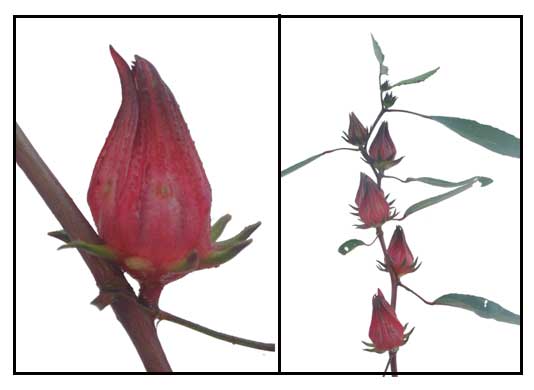
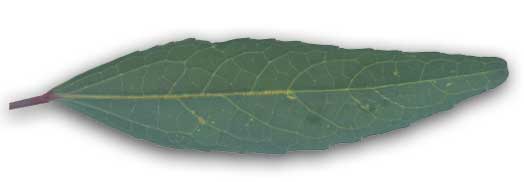
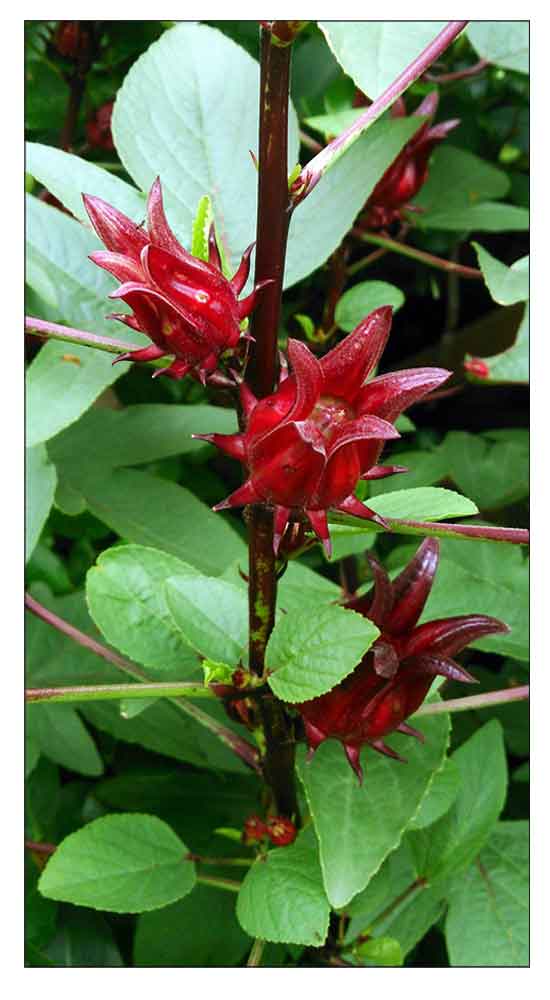
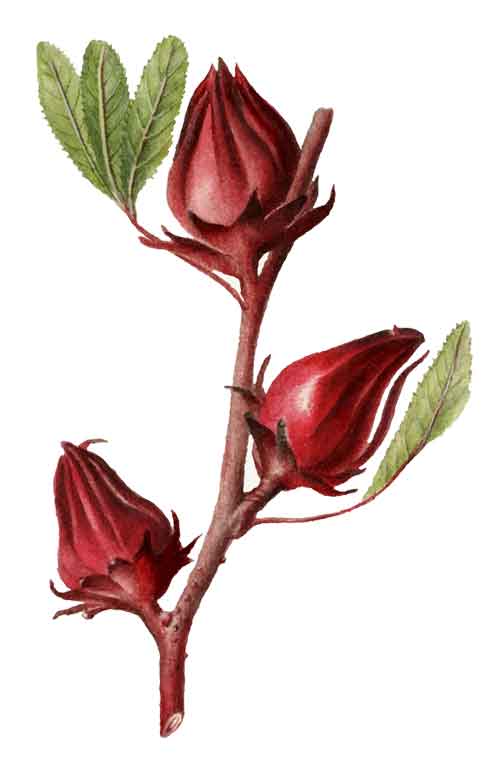
Roselle is an erect, branched, nearly smooth annual herb, 1 to 2 meters in height. Stems are purplish. Leaves are 8 to 12 centimeters long, variable in shape, entire or deeply 3- or 5-lobed, the lobes oblong to oblong-lanceolate. Calyx is somewhat hairy, lobes are pointed, connate below the middle, forming a fleshy cup. Corolla is pink with a dark center, about 5 centimeters long. Fruit is ovoid, pointed, hairy, about 2.5 centimeters long, enclosed by a fleshy and enlarged calyx.
 Distribution Distribution
- Introduced post-Spanish colonization.
- Not spontaneous.
- Planted for ornamental purposes and its edible calyces.
- Native of tropical Africa.
-
Now pantropic.
Constituents
• The dried calyces yield among others: cellulose, insoluble and soluble ash, tartaric acid, malic acid.
• Calyces are high in calcium, niacin, riboflavin, and iron.
• Food value per 100 g of fresh edible portion: Moisture 9.2 g, protein 1.145g. fat 2.61g, fiber 12 g, ash 6.9 g, calcium 1,263 mg, phosphorus 273.2 mg, iron 8.98 mg, carotene 0.029 mg, thiamine 0.117 mg, riboflavin 0.277 mg, niacin 3.765 mg, ascorbic acid 6.7 mg.
• The flowers yield a coloring matter that contain gossypetin, quercetin, hibiscetin and free protocatechuic acid.
• Bitter seeds contain 20% oil with 26% albuminoids.
• Leaves yield oxalic acid.
• Analysis of unextracted (UE) and extracted (E) roselle seeds showed 15.36% (UE) 27.50% (E) digestible crude protein, 75.81% (UE) 68.83% (E) total digestible nutrients, 84.06% (UE) 64.23% (E) starch value, and 3184 kcal/kg (UE) 2891 kcal/kg (E) calculated metabolizable energy.
• Nutritional analysis of the plant by proximate method yielded carbohydrate content of 68.7%, crude fiber 14.6%, and ash content of 12.2%. (38)
• Phytochemical screening have yielded flavonoids, anthocyanins, triterpenoids, steroids, and alkaloids. (75)
• Comparative nutrients of calyces (C), seeds (S), and leaves (L) are protein (g) 2, 28.9, 3.5; carbohydrates (g) 10.2, 25.5, 8.7; fat (g) 0.1, 21.4, 0.3; vitamin A (!.E) -.-, 1000; thiamine (mg) 0.05, 0.1, 0.2; riboflavin (mg) 0.07, o.15, 0.4; niacin (mg) 0.06, 1.5, 1.4; vitamin C (mg) 17, 9, 2.3; calcium (mg) 150, 350, 240; and iron (mg) 3, 9, and 5. (Naturian) (75)
• Chemical analysis of dried karkade calyces (red and white) yielded moisture 11 and 9.3%, crude protein 7.88 and 7.53, crude fiber 13.20 and 12.00, crude fat 0.16 and 0.12, ash 10.60 and 9.50, total carbohydrates 57.16 and 61.55, ascorbic acid 11 and 15.50 mg/100g, calcium 60 and 50 mg/100g, iron 25 and 20 mg/100g, respectively. (100)
• Studies for phytochemical compounds have yielded organic acids, phenolic acids, anthocyanins, flavonoids, trace elements and vitamins. Petals are rich in flavonoids gossypetin, hisbiscetin, quercetin, and sabdaretin (3.5 ± 0.85 mg/g), and anthocyanins delphinidin 3-O-sambubiooside and cyanidin 3-O-sambubioside (16.53 ± 1.10 mg/g). (see study below) (101)
• Study of floral essential oil yielded 17 compounds representing 99.8% of total oil content. Chemical classes were sesquiterpene hydrocarbon (0.2%), oxygenated sesquiterpenes (1.2%), diterpenes (1.6%), aliphatic compounds (0.6%), phenylpropanoids (0.1%), and fatty acids (96.1%).
Major compounds in the EO were fatty acids, with hexadecanoic acid (64.3%) and linoleic acid (22.7%) as major compounds. Minor constituents were hexadecanoic acid methyl ester (2.3%), tetradecanoic acid (2.1%), linoleic acid methyl ester (2.1%), hepatadecanoic acid (1.2%), and isophytol (1.6%). (105)
Properties
• Leaves considered emollient, stomachic, scorbutic and febrifuge.
• Seeds are diuretic and tonic.
• Flowers considered tonic and aperitive.
• Studies have suggested antihypertensive, cardioprotective, hepatoprotective, antioxidative, antimicrobial, hypolipidemic, uricosuric, antiviral, antiobesity, antimutagenic, antiatherosclerotic, antiviral, anticancer, neuroprotective, nephroprotective, antidiabetic, antianxiety, antidepressant properties.
Parts
used
Leaves and flowers.
 Uses Uses
Edibility
• Cultivated ornamentally and for the red and fleshy calyces that surround the fruit and used for the preparation of jellies, wine and other food products. The jam, jelly, and sauce are similar in appearance and taste to cranberries.
• Young leaves used as a substitute for spinach; used in cooking of curries, meat or fish, and the native dish "sinigang."
• In Myanmar, green leaves are the main ingredient in making chin baung kyaw curry.
• Calyces are high in calcium, niacin, riboflavin, and iron.
• In Nigeria, used for making refreshing beverage. (54)
• In Egypt, fleshy calyces boiled with sugar to make a drink called "Karkade" or "Zoborodo". In Mexico, a similar drink is called Jamaica or "agua de Jamaica" or "té de Jamaica. (74)
- Dried cranberry-tasting calyces are commonly steeped to make a popular infusion called carcade.
• Seeds are roasted or ground in meal; leaves are eaten raw or cooked, or used as flavored vegetable or condiment (Wilson & Menzel, 1964) (74)
• Tea prepared from dried calyces. (75)
• In Bihar and Jharkhand, bright red fruit petal used for chutney, sweet and sour in taste. In Satpuda Pradesh, khate fule leaves are mixed with green chillies, salt, and garlic to prepare chutney and bhaji, which is served with jowar (sorghum) or bajra (millet) made bakho (a flat bread). In Andhra cuisine, leaves are steamed with lentils and cooked with dal. Another dish, referred to as king of all Andhra foods, is prepared by mixing fried leaves with spices and made into gongura. (11)
Folkloric
• Leaves used as emollient.
• Lotion made from leaves used for sores.
• Decoction of seeds used for dysuria and strangury; for mild dyspepsia and debility.
• In Brazil, drink made from the plant, considered refrigerant and used for fevers. Used as stomachic and emollient.
• A boiled drink prepared from the fruit and calyx, dashed with salt, pepper, asafoetida and molasses, used for biliousness.
• Fruit used as antiscorbutic.
• Seeds are diuretic and tonic.
• In Chad, infusion of calyces used for plethora, bronchitis and coughs.
• Heated leaves applied to cracks in the feet; also, to boils and ulcers to hasten healing and maturation.
• In India seed decoction used for dysuria, strangury and mild dyspepsia.
• In Nigeria, seed decoction used to enhance or induce lactation in cases of poor milk production. (see study below) (27) Used as antihypertensive drug.
Others
- Fiber:
Plant yields bast fiber from the stems; used a jute substitute in making burlap.
- Coloring:
Plant yields a coloring matter used for food coloring.
 Studies Studies
• Antihypertensive: A study evaluating the effect of sour tea (H sabdariffa) on essential hypertension showed significant lowering of both systolic and diastolic blood pressure. (1) A randomized, double-blind, placebo-controlled study examined the anti-hypertensive effects of H. sabdariffa tisane (hibiscus tea) consumption in humans. Results suggest daily consumption of hibiscus tea, in an amount readily incorporated into the diet, lowers BP in pre- and mildly hypertensive adults. (22) Study evaluated the anti-hypertensive activity of aqueous calyx extract of H. sabdariffa on salt induced hypertensive albino rats. Extract and drug treated groups showed a significant reduction in diastolic and systolic blood pressure. (41) A systematic review of human clinical trials assessed the effectiveness of H. sabdariffa for the treatment of hypertension. Ten papers met the inclusion criteria. Study concludes Rosella appears safe and well tolerated as a treatment option for mild to moderate essential hypertension. A standardized extract dose (9.62 mg of total anthocyanins/dose/day) appeared as effective as captopril and hydrochlorothiazide, but not as effective as lisinopril. (96)
• Antimutagenic: A study of an 80% ethanol extract of roselle showed antimutagenic activity against MAM acetate, a colon carcinogen. (2)
• Anti-Atherosclerotic / Hypolipidemic: A study of HB extract suggests it inhibits serum lipids and shows and anti-atherosclerotic activity. (3)
• Nephroprotective / Diabetic Nephropathy Amelioration: Study showed HS extract possesses potential effects to ameliorate diabetic nephropathy in STZ induced type 1 diabetic rats via improving oxidative status and regulating Akt/Bad/14-3-3 signaling.(4)
• Galactagogue / Lactogenic Effect: A study showed the seed extract of H sabdariffa possesses lactogenic activity, enhancing serum prolactin level which is the principal lactogenic hormone secreted by the anterior pituitary. Results establish the ethnomedical use of the seeds as a galactagogue. (•) Study showed the serum prolactin level of extract-treated rats showed a dose-dependent significant increase when compared to the control group. (5)
• Anti-Hyperammonemia: A study showed administration of extract of HS altered the activities of the liver marker enzymes in ammonium chloride-induced hyperammonemic rats. (7)
• Antihypertensive / Seed: Study showed the aqueous seed extract of HS produced a significant reduction in cat blood pressure. (8)
• Antioxidant: A study showed the protective role of extract of HS against lipid peroxidation and suggests an antioxidant potential to be used for therapeutic purposes.
• Hypolipidemic / Calyx / Leaves: A study of HS dried calyx ethanolic extract on the serum lipid profile of Sprague-Dawley rats showed triacylglycerols and LDL levels to be significantly less in all groups. All groups had lower cholesterol levels compared to control. No significant results were found on the HDL levels (10)
• Antiviral / Anti-Measles Virus: A study of leaf extracts of red and green leaved Hibiscus sabdariffa showed antiviral activities against the Measles Virus. (12)
• Hepatoprotective / Carbon Tetrachloride Hepatotoxicity: A study of the aqueous ethanol extract of the calyx of Hibiscus sabdariffa on carbon tetrachloride-induced liver damage showed healing of oxidative liver damage as determined by serum enzyme levels and liver thiobarbituric acid reactive substances levels. (13)
• Antioxidant / Seeds / Leaves: Study investigated the antioxidant activity of an ethanolic seed extract of H sabdariffa in toxicity induced by chronic administration of sodium nitrate in wistar rats. Results showed alleviation of induced toxicity by the antioxidant effect of HS. Substantial amounts of Vitamin E and Vitamin C in the seed oil observed on preliminary phytochemical screening may be responsible for the antioxidant effect. (14) Study evaluated the antioxidant activity of aqueous extract, 95% ethanol extract, and ethyl acetate fraction of of HS leaves by DPPH method. Phytochemical screening yielded carbohydrates, proteins, amino acid, glycoside, steroids and sterols, flavonoids, tannins and phenols, and triterpenoids, with absence of alkaloids, anthraquinones, saponins and fixed oils. All three extracts exhibited good antioxidant activity with DPPH radical scavenging activity IC50s ranging from 45.13 ± 0.37 to 94.16 ± 0.56 µg/ml. (94)
• Anti-Obesity: Study investigated the effect of a calyx extract on fat absorption-excretion and body weight in rats. Results showed a significant increase in the amount of fatty acid in the feces. The components of the Hs extract at the intermediate and higher concentrations could be considered possible antiobesity agents. (15) Review focuses on the anti-obesity effect of H. sabdariffa. Studies have reported that HS modulates obesity through its antioxidant mechanism and reduction in adipogenesis, with a significant effect on lipid metabolism, fat absorption and excretion, and obesity related enzymes. (46) A previous study suggested H. sabdariffa extracts had a metabolic-regulating and liver protecting potential. This clinical trial showed consumption of HSE improved liver steatosis. There were no adverse effects, with no alteration in serum amylase and lipase. Results suggest HSE can be used as adjuvant for preventing obesity and non-alcoholic fatty liver. (61)
• Staining Effect: Roselle extract shows reasonable potential as a candidate nuclear stain especially when mordanted with iron alum or mordanted with potassium alum and acidified with acetic acid. (16)
• Safety Study: Study concludes Hibiscus sabdariffa is probably a safe medicinal plant, short-term administration of the HS did not show harmful effects on body water and electrolyte levels.
• Review / Hypertension Study / No Effect: Current trials of HS in reducing high blood pressure were poor. Four randomized controlled studies do not provide reliable evidence to support recommending HS for the treatment of primary hypertension in adults. (18)
• Lactogenic Study / Prolactin Effect: Study evaluated the effect of an ethyl acetate fraction of seed on pituitary prolactin and milk production in albino rats. Results showed a significant increase in prolactin level. Results infer the EA seed fraction has lactogenic activity, increasing pituitary prolactin level and milk production in lactating female albino rats. The LD50 of ethyl acetate fraction was above to be above 5000 mg/kg. (19)
• Review / Treatment of Hypertension and Hyperlipidemia / Animal and Human Studies: This review reports of a comprehensive body of evidence suggesting that HS extracts are promising as treatment of hypertension and hyperlipidemia. Of the potential hypolipidemic and hypotensive mechanisms, the most common explanation is the antioxidant effects of the anthocyanins inhibition of LDL-C oxidation, which impeded atherosclerosis, an important cardiovascular risk factor. Author suggests more high quality animal and human studies to provide recommendations for its potential public health benefit. (23)
• Toxicity Study: Study evaluated acute and chronic toxicities of water extract from calyces of Hibiscus sabariffa in male and female rats. A single oral administration of extract in the amount of 5,000 mg/kbw did not produce acute toxicity. A 270-day chronic toxicity evaluation at doses of 50, 100, and 200 mg/kbw did not cause chronic toxicity in rat. (25)
• Protective Against Oxidative Stress Induced Damage on RBC Membrane: Study evaluated the effect of an aqueous extract of H. sabdariffa calyx on hydrogen peroxide induced oxidative stress on rat RBC membranes. The extract showed a protective effect by reducing oxidative stress damage in vitro. Dose concentrations of 0.5 mg/ml Roselle extract reduced peroxidation on lipids by reducing the concentration of MDA and helped RBC membrane antioxidant defense system by increasing GSH and lowering SOD concentrations. (26)
• Safety Study During Pregnancy and Lactation: Study reviewed the literation on use, safety, efficacy, and pharmacology during pregnancy and lactation. Results showed no scientific evidence to support use of H. sabdariffa during pregnancy and lactation. In vitro studies of seeds in animals suggest a lactogenic effect. Animal studies have also shown delayed puberty, elevation of body weight and BMI in female rats. Authors advise caution with the use of HS during pregnancy and lactation until human research determines its safety. (27)
• Antifungal Synergism with Voriconazole in Fluconazole-Resistant Candida albicans: Study reports on the antimicrobial effect of H. sabdariffa extract, a common herbal drink, in combination with voriconazole or fluconazole against C. albicans isolates. Results showed a high degree of synergism of the extract with voriconazole against fluconazole-resistant C. albicans. The extract showed no effect with fluconazole. (28)
• Hypotensive Effect / Anthocyanins: Extraction study on H. sabdariffa analyzed total phenol content and antioxidant capacity using various assays. Highest concentration was through water extraction, providing the highest concentrations of cyanidin 3-sambubioside and delphinidin 3-sambubioside. Partition coefficients of anthocyanins showed aglycone and glucoside forms of hibiscus anthocyanins behave differently when in the presence of cell wall material, which could effect absorption and bioactiviy of the anthocyanins. A human crossover study on daily consumption of H. sabdariffa juice for 8 weeks showed a significant reduction in systolic blood pressure. Study suggests regular consumption of HS extracts may reduce cardiovascular risk. (29)
• Effect on Spermatogenesis / Fruit: Study evaluated the effect of aqueous fruit extract of Hibiscus sabdariffa on spermatogenesis and sperm of adult male mice. Results showed an adverse effect on spermatogenesis and sperm parameters in mice, with significant differences in FSH, LH, and testosterone hormones, with testes histology showing a significant decrease in lumina spermatozoa. (30)
• Corrosion Inhibition: Study of calyx extract of H. sabdariffa on mild steel corrosion showed suppression corrosion in both acid media (2M HCl and 1M H2SO4) through mix-inhibition mechanism. Inhibition efficiency increase with increase in extract concentration and synergistically increased in the presence of halide ions. (31)
• Anthocyanins / Antioxidant / Petals: Study investigated the relationship between antioxidant activity and anthocyanin content in Roselle petals. Results showed the antioxidant capacity of Roselle extract increased when extraction time or weight of petals increased. FRAP showed a linear relationship with anthocyanin. Results showed anthocyanin is the major source of antioxidant capacity in Roselle extract. Study indicated the anthocyanin and a brown pigment in the extract accounted for about 51% and 24% of the antioxidant capacity, respectively. (33)
• Antioxidant / Anthocyanins / Flowers: Study evaluated the antioxidant potential of three fractions of ethanol crude extract from dried flowers of H. sabdariffa by DPPH and XO activity. The ethyl acetate fraction showed the highest capacity for scavenging free radical (EC50 0.017 mg/ml) and the chloroform soluble fraction showed strongest XO inhibitory effect (EC50 0.742 mg/ml). The dried flower extracts protected rat hepatocytes from t-BHP-induced cytotoxicity and genotoxicity b y different mechanisms. (34)
• Reduction of Serum Cholesterol in Men and Women: A clinical study investigated the cholesterol- lowering potential of HS extract in human subjects. Results showed a dosage of 2 capsules of HSE (with a meal) for 1 month significantly lowered the serum cholesterol level. (35)
• Inhibition of Angiotensin Converting Enzyme (ACE) Activity / Anthocyanins: Study evaluated the constituents responsible for the ACE inhibitory activity of aqueous extract of HS. Study isolated anthocyanins delphinidin-3-O-sambubioside (1) and cyanidin-3-O-sambubioside (2). The compounds showed competitive ACE inhibitor activity with IC50 of 84.5 and 68.4 µg/mL, respectively. Results support the folk medicine use of HS calyces as antihypertensive. (36)
• Effect of Sour Tea on Hypertension in T2 Diabetic Patients: A double-blind randomized controlled trial compared the antihypertensive effectiveness of sour tea (H. sabdariffa) with black tea infusion in diabetic patients. Results showed consuming ST infusion had positive effects on BP in T2DM patients with mild hypertension. (37)
• Minor Interaction with Acetaminophen:Drinking a hibiscus beverage before taking acetaminophen might increase how fast the body eliminates acetaminophen. (39)
• Therapeutic Effective in the Treatment of Hypertension: Randomized, double-blind, controlled clinical trial on the therapeutic effective of H. sabdariffa in hypertensive patients at 200 mg of anthocyanin daily for 16 weeks showed an effect less than that of lisinopril. However, the treatment significantly reduced systolic and diastolic blood pressure and showed 100% safety. Because of a diuretic effect, night administration was contraindicated. (40)
• Gastric Ulcer Protective: Study evaluated the anti-ulcerogenic activity of ethanolic extract of dried calyces in different ulcer models in Wistar albino rats i.e. cold restraint stress, pylorus ligation, necrotizing agents, and indomethacin induced gastric ulcer models. The extract showed an ability to significantly protect against gastric mucosal injury in all models used. Pharmacological and biochemical findings were supported by histological assessment in the stomach. (42)
• Clinical Trial on Hypolipidemic Effect / Leaves: Double-blind, placebo controlled, randomized trial evaluated the hypolipidemic effect of HS leaves extract in 50 patients. At 1 gm per day of the leaf extract, there was no discernible blood lipid lowering effect. The observed effects might have been the result of patients following standard dietary and physical activity advice. (43)
• Antioxidant / Polyphenolic Rich Extract: Study evaluated the scavenging abilities of Hibiscus polyphenolic rich extract against superoxide ions generated during XO mediated breakdown of xanthine to uric acid. Results showed the 1.0% and 2.5% (v/v) diethyl ether extract significantly inhibited superoxide ions by 42.35 and 100.00% respectively. Results suggest HS may be beneficial in reducing oxidative damage to lipid and prevent or reduced development or progression of free radical mediated diseases. (44)
• Anti-Inflammatory:Study evaluated the anti-inflammatory activity of methanolic extract of H. sabdariffa in adult wistar rat. Results showed anti-inflammatory activity against carrageenan induced inflammation with decrease in paw diameter. Results were similar to the action of diclofenac. (45)
• Biochemical Effect on Reproductive Hormones / Calyx: Study evaluated the biochemical effect of H. sabdariffa calyx extract on male rat reproductive hormones. A 28-day administration of aqueous extract of H. sabdariffa is associated with decreased circulating plasma levels of follicle stimulating hormone, testosterone, luteinizing hormone and prolactin in male wistar rats. (47)
• Antihypertensive / Leaves: Study investigated the antihypertensive effects of methanolic extract of HS leaves in rats with hypertension induced by a salt-loading diet for 6 weeks. Result showed significant reduction (p<0.05) of blood pressure and heart rate in hypertensive rats in a dose-dependent manner. Effects were similar to that of captopril. The antihypertensive effect may be mediated by a reduction in serum oxidative stress. (48)
• Cytotoxic / Antioxidative / Breast Cancer Cell Lines: Study evaluated the cytotoxic and antioxidant effects of water and methanolic extracts of H. sabdariffa on cancerous MCF7 and non-cancerous MCF12Aa breast cell lines. The ORAC assay of the methanolic extract demonstrated a higher total antioxidant capacity than the water extract. The HS extracts selectively induced apoptosis via ROS generation and the mitochondrial dysfunctional pathway in MCF cells. Results suggest the extracts contain compounds that selectively confer pro-oxidant and cytotoxic effects on MCF7 cancer cells. (49)
• Hepatoprotective / Antioxidant / Petals: Study evaluated an aqueous petal extracts of H. sabdariffa for hepatoprotective and antioxidant properties in Wistar rats with DNPH induced hepatotoxicity. The hepatoprotective and antioxidant properties were statistically identical (p<0.05) for markers of hepatotoxicity and oxidative stress. (50)
• Meta-Analysis / Effect on Arterial Hypertension: Meta-analysis assessed the potential antihypertensive effects of H. sabdariffa. Fixed-effect meta-regression indicated a significant effect of H. sabdariffa supplementation in lowering both systolic and diastolic blood pressure. (51)
• Synergism with Antibiotics Against Helicobacter pylori: Study evaluated the in vitro antimicrobial combinatory effect of aqueous extract of H. sabdariffa with antibiotics (clarithromycin, amoxicillin, metronidazole) against H. pylori strains. The aqueous extract exhibited remarkable bacteriostatic effect against all HP strains tested with MICs ranging from 9.18 to 16.68 µg/mL. Results showed a potential for AEHS as a therapeutic candidate alone or in combination with antibiotics for the treatment of HP infection. (52)
• Antibacterial:Study of H. sabdariffa extracts sowed antibacterial activity. The 96% alcohol extract yielded a higher amount of bioactive compounds. The most sensitive strains were Escherichia coli ATCC 25922 and Enterobacter cloacae ATCC 13047. Antibacterial activity depended on concentration, on solvent used, as well as resistance of the bacteria under study to the bioactive compounds. (53)
• Effect on Blood Pressure and Electrolyte Profile / Comparative Study with Hydrochlorothiazide: Study evaluated the effect of HS consumption on blood pressure and electrolytes of Nigerians with mild to moderate hypertension and compared it with hydrochlorothiazide, a widely used antihypertensive drug. Hibiscus sabdariffa was a more effective antihypertensive agent than HCTZ in mild to moderate hypertension, showing a longer duration of action, and did not cause electrolyte imbalance. (54)
• Enhancement of Myocardial Capillarization in Spontaneous Hypertension: Study investigated the effect of water extract of dried calyx of HS and Hibiscus anthocyanins on left ventricular myocardial capillary length and surface are in spontaneously hypertensivre rats. HS ingestion significantly reduced SBP, DBP, and LV mass in a dose-dependent fashion but did affect HR. HS significantly increased surface area and length density of myocardial capillaries and length density. The effects may be beneficial in restoring myocyte nutritional status compromised by the hypertrophic state of hypertension. (55)
• Phenolic and Flavonoid Content / Antioxidant / Antitumoral / Leaf and Calyx: Study evaluated the phenolic and flavonoid contents and antioxidant and antitumoral activity of leaf and calyx extracts of H. sabdariffa cultivated with poultry litter and organosuper®. Highest phenolic and flavonoid contents were seen in the leaf extracts. Both exhibited free radical scavenging action. The methanol extract from calyces showed significant selective activity against leukemia cell line (K-562), with concentration dependent cytotoxic and cytocidal effects. (56)
• Anthocyanin / Inhibition of N-Nitrosomethylurea-Induced Leukemia: Study previously reported anthocyanins from roselle that showed significant anticancer activity in promyelocytic leukemia cells. This study explored the antitumor effect of anthocyanin, a bioactive polyphenol of roselle in a rat model of chemically induced leukemia. The oral administration of Hibiscus anthocyanin (0.2%) significantly inhibited progression of NMU-induced leukemia by approximately 33% in rats. (57)
• Effect on the Renin-Angiotensin-Aldosterone System / Clinical Study: A double-blind controlled randomized clinical study evaluated the effects of aqueous extract of Hibiscus sabdariffa on three basic components of the renin-angiotensin-aldosterone system: plasma renin, serum angiotension-converting enzyme (ACE), and plasma aldosterone (PA) in Nigerians with mild to moderate hypertension. HS reduced serum ACE and PA in mild to moderate patients with equal efficacy as lisinopril. Activity are possibly due to the presence of anthocyanins in the extract. (58)
• Prevention of Insulin Resistance: Study evaluated the effect of HS extract on fasting blood glucose level, fasting blood insulin level, and insulin resistance index (HOMA-IR)in high-fructose fed Sprague-Dawley rats. At dose of 400 mg/kbw, the blood glucose, insulin and HOMA-IR were significantly lower. (59)
• Neuroprotective
Against Glucose Deprivation Induced PC12 Cells Injury: Serum/glucose deprivation (SGD) is a model for the understanding of the molecular mechanisms of neuronal damage during ischemia in vitro and the search for neuroprotective drugs against ischemia-induced brain injury. Study showed HS extract has protective effects of HS against SGD-induced PC12 cells injury. Results suggest a potential as a therapeutic option for neurodegenerative disorders. (62)
• Phytoestrogens / Estrogenic Activity:Study evaluated 10 widely used herbs in the Middle East for quantification of five known phytoestrogens. Some of the plants were devoid of tested phytoestrogens i.e., genistein, biochanin A, daidzein, quercetin, and kaempferol. Hibiscus sabdariffa was found to be richest in quercetin and daidzein, 3.70 ± 0.02 and 49.3 ± 0.05 µg/g of dried plant, respectively, with 13.5 ± 0.2 µg/g of kaempferol. H. sabdariffa also showed modest and significant proliferative effect on MCF-7 cells. (63)
• Corolla as Acid-Base Indicator: Acid-base titration requires indicators that show color change at each pH interval. Study yielded an anthocyanin from Roselle's corolla which was used for extraction of the indicator. Roselle's corolla indicator gave red color in acidic solution and green in basic solution, results similar to that of methyl orange. (64)
• Cyclooxygenase Inhibitory Activity / Antioxidant: In vitro study evaluated the antioxidant activity of various extracts of three varieties of sorrel as well as their potential for reducing blood viscosity. Cyclooxygenase inhibitory activity was measured using COX-1 and COX-2 enzymes rate of oxygen uptake in prostaglandin synthesis. Antioxidant activity was highest in the red variety, with the methanol extract showing highest activity. There was higher COX-1 inhibition than COX-2 inhibition, with a high potential to decrease blood viscosity. Results support the ethnomedicinal use of HS for the treatment of cardiovascular disease and hypertension. (65)
• Antihepatotoxic / STZ Diabetic-Induced Liver Damage: Study evaluated the anti-hepatotoxic activities of a flavonoid-rich aqueous fraction of methanolic extract in STZ-induced diabetic Wistar rats, Hepatoprotective effects were evident from amelioration of hepatic fibrosis and excessive glycogen deposition along with restoration of elevated liver enzymes. The anti-hepatotoxic activity could be partly attributed to antioxidant activity and the presence of flavonoids. (66)
• Hepatoprotective / Acetaminophen Induced Liver Injury / Leaves: Study of H. sabdariffa aqueous extract of leaves showed hepatoprotective activity against acetaminophen induced hepatocellular injury, along with reduction of blood cholesterol levels. Activity could be attributed to it free radical scavenging property and presence of natural antioxidants. (67)
• Hepatoprotective / DMBA-Induced Toxicity / Calyx: Study showed Roselle possess significant hepato- protective effect against hepatic injury induced by DMBA treatment. Results showed potential for use of Roselle in the prevention of oxidative stress caused by free radicals from pollutants and foods. (68) Study investigated the hepatoprotective effect of ethanolic extract of Roselle calyx on liver enzymes and liver histopathology of Sprague Dawley rats induced by DMBA. Results showed reduction in activity of SGPT, SGOT and ALP with histopathology showed dose dependent reparing effect. (102)
• Antigenotoxic / Free Radical Scavenging / Flowers: Study evaluated fractions of ethanolic extract of flowers for antioxidant and free radical scavenging activity. Results showed HS flower extracts possess strong antimutagenic activity and free radical scavenging effects of active oxygen species. (69)
• Hematopoietic Potential / Anthocyanin-Rich Red Dye: Study evaluated the protective efficacy of anthocyanin-rich dye of H. sabdariffa against cadmium chloride (CdCl2)-induced hypochromic microcytic anemia and oxidative stress in rat blood cells. Results showed supplementation of anthocyanin-rich red dye of HS counteracted the toxic effects of cadmium chloride on hematological and oxidative stress parameters. (70)
• Comparison with Enalapril on Effect in Bleomycin-Induced Lung Fibrosis Model: Study evaluated the inhibitory effect of H. sabdariffa extract on angiotensin-converting enzyme (ACE) compared to enalapril in a rat model of bleomycin-induced pulmonary fibrosis. There was a significant increase in lung index and levels of MDA, HP, ANG II and pro-inflammatory cytokines after bleomycin administration. Pre-treatment with with enalapril, PCA, and HS extract resulted in reduction of above factors. Enalapril and HS extract could mitigate the progression of fibrosis viz ACE blocking and a decrease in level of oxidative stress, and prevent the formation of fibroblasts, inflammatory cells and alveolar thickening caused by bleomycin. (71)
• Radioprotective / Radiation-Induced Liver Damage: Study of the methanolic extract of leaves of Vernonia amygdalina and Hibiscus sabdariffa, and vitamin C suggest that, taken together together, they could increase the antioxidant defense systems and may protect animals from gamma-induced radiation liver damage in male Wistar albino rats. (72)
• Effect
of Extracts on Characteristics of Ice Cream / Calyces: Study evaluated various concentrations of aqueous extracts (5%, 10%, 15%, and 20% w/v) from roselle calyces incorporated in formulations of ice cream as functional additives. using measures of physico-chemical properties (color, viscosity, pH, total solids, total titrable acidity, meltdown rate, overrun) and descriptive sensory properties. Results showed ice cream sample with 5% roselle extract has potential as functional ice cream. Sensory panel described it as white, sweet, milky, with a vanilla flavor, and could be acceptable to consumers familiar with its descriptive sensory properties. (73)
• Anticancerous / Hepatocellular Carcinoma Cell Line Hep 3B / Leaves: Study evaluated the various extracts of sabdariffa leaves for anticancer potential on Hep 3B by MTT assay. Among the solvent extracts, the methanol extract showed greatest cytotoxic effect with an IC of 50% reduction compared to others, with 75% decrease in cell number in 14 hours. (77)
• Antimutagenic Effect / Cyclophosphamide Induced DNA Damage / Dried Calyces: Study evaluated the effects of H. sabdariffa aqueous extracts against cyclophosphamide (CPA) induced damage to DNA in male Wistar rats. Results showed potential chemoprotective properties against DNA damage via anti-free radicals effect. Activity may be associated with phenolic compounds acting as potential antimutagenic agents through antioxidant action. (78)
• Cytotoxicity / Antibacterial / Air-Dried Calyces: Study evaluated an aqueous-methanolic extract of air dried calyces for antimicrobial activity and cytotoxicity using brine shrimp lethality assay. Extract yielded cardiac glycosides, flavonoid, saponins, and alkaloids. Antibacterial effects against E. coli, P. aeruginosa, and S. aureus suggest remarkable potential for treatment of gastrointestinal infection and diarrhea in man and skin diseases. The extract showed potent cytotoxicity on brine shrimp lethality assay with LC50 of 55.1 ppm. (79)
• Neuropharmacological Effects /
Calyx: Study evaluated the neuropharmacological effects of aqueous extract of H. sabdariffa calyx in a rodent model. HS (100, 200, and 400 mg/kg i.p.) showed a remarkable dose-dependent decrease in spontaneous motor activity in mice and increased duration of pentobarbital induced sleep in rats. The extract inhibited the intensity of apopmorphine induced stereotype behavior and attenuated climbing in mice dose-dependently. Intraperitoneal LD50 was greater than 5000 mg/kg. Results suggest the presence of psychoactive substances that are sedative in nature. (80)
• Antibacterial / Leaves: Study evaluated a methanolic extract of leaves for antibacterial activity against S. typhi, E. coli, and S. aureus. At 100 mg/ml concentration, zones of inhibition were 8, 18, and 17.5, respectively. Phytochemical screening yielded tannins, flavonoids, saponins, and steroids. (81)
• Hepatoprotective / Phenobarbitone Induced Liver Marker Elevation / Leaves: Study evaluated the effect of Hibiscus sabdariffa leaf extracts on liver marker enzymes induced by phenobarbitone in rats. Significantly increased(p<0.05) marker enzymes (AST, ALT, and ALP) were significantly (P<0.05) decreased in rats treated with the extract. Activity was attributed to free radical scavenging and the presence of natural antioxidants. (82)
• Toxicological Studies on Major Excretory Organs / Renal Effects: Study evaluated the effect of graded doses of aqueous extract of H. sabdariffa on major excretory organs (liver and kidney) of albino Wistar rats at doses of 20, 40, 80, and 160 mg/kg using an oral feeder, daily for 12 weeks. There were no changes in the histology of the liver. However, there were significant histological changes in the kidney, more pronounced at higher doses (80 and 160 mg/kg), as evidenced by shrinkage of glomerular tuft, increase in urinary pole, increase in size of tubular lumen and tubular damage. Results show no harmful effect on the liver, but cautions on potential for harmful kidney effects in high doses. (83)
• Polyphenols / Multi-Targeted Molecular Effects / Obesity Option: Hibiscus sabdariffa (HS)-derived polyphenols are known to ameliorate various obesity related conditions. Evidence suggests a complex multi-targeted mechanism which includes regulation of energy metabolism, oxidative stress and inflammatory pathways, transcription factors, hormones and peptides,, digestive enzymes and epigenetic modifications. The article reviews the accumulated evidence on the anti-obesity effects of H. sabdariffa polyphenols in cell and animal models, as well as humans, and its putative molecular targets. (84)
• Molecular Mechanism of Anticancer Activity / Human Prostate Cancer Cell Line / Leaves: Stud evaluated the anti-invasive potential of polyphenol-rich HLE (H. sabdariffa leaf extract).
Results of wound-healing assay and in vitro transwell assay showed the HLE dose-dependently inhibited the migration and invasion of human prostate cancer LNCaP (lymph node carcinoma of the prostate) cells under non-cytotoxic concentrations. The HLE also exerted an inhibitory effect on activity and expressions of matrix metalloproteinase-9 (MMP-9) possibly through nuclear factor-kappaB (NF-kB) inactivation. Findings suggested the inhibition of MMO-9 expression may be via suppression of Akt-NF-kB signaling pathway, which reduces the invasiveness of cancer cells. (85)
• Fatty Acids / Anti-Inflammatory / Analgesic / Seeds: Study investigated the anti-inflammatory and analgesic activities of HS seed extracts using rat models. The petroleum ether extract of seeds exhibited significant (p<0.01) inhibition of carrageenan induced hind paw edema, significant (p<0.01) inhibition of vascular permeability in rats induced by intraperitoneal injection of acetic acid, and significant inhibition of granuloma. Seed oil analysis by gas chromatography yielded three fatty acids i.e., linolelaidic acid, arachidic acid, and palmitic acid. (88)
• Comparative Effect of Sour Tea on Hypertensive Patients with T2 Diabetes vs Black Tea: A double-blind randomized controlled trial compared the antihypertensive effectiveness of sour tea (BT/H. sabdariffa) and black tea (BT) infusion in 60 diabetic patients with mild hypertension. Results showed a statistically significant mean systolic blood pressure (SBP) decrease in the sour tea group (134.4 to 112.7 mm Hg). In the BT group, BP increased from 118.6 to 127.6 mm Hg, also statistically significant. The intervention showed no statistically significant effect on diastolic blood pressure. Results support similar studies that showed an antihypertensive effect for ST. (89)
• Amelioration of Late Diabetic Complications / Nephroprotective / Cardioprotective: Study evaluated the cardioprotective and nephroprotective activity of ethanolic and aqueous extracts of HS on late complications associated with STZ-induced diabetes in rats. Treatment resulted in significant reduction in blood glucose, cholesterol, triglycerides, LDL-C, urea and creatinine, accompanied by an increase in total proteins, albumin, and HDL-C. There was also improved glucose tolerance, insulin tolerance, and decreased oxidative stress attributed to improved endogenous antioxidant levels. (90)
• Mixture of H. Sabdariffa, C. nutans and Stevia Leaves / Toxicity Study: Study evaluated the toxic effect or LD50 of the mixture of Hibiscus sabdariffa, Clinacanthus nutans and Stevia shown to have a diuretic and chemopreventive effect. In vivo toxicological assessment was done for 28 days in doses of 1,000, 2.000 and 5,000 mg/kbw in Sprague Dawley rats. No mortality was observed nor abnormal changes in body weight. Toxicological changes noted in the liver, total protein, and hematologic parameters were within physiologic ranges and insignificant. Results suggest the mixture is practically nontoxic and the no-observed-adverse-effect level (NOAEL) is greater than 5,000 mg/kg. (91)
• Antibacterial / Calyces: Study evaluated the in vitro inhibitory activity of H. sabdariffa calyces, leaves, and roots against clinical isolates of bacteria i.e., E. coli, P. aeruginosa, P. mirabilis, Klebsiella sp., S. typhi, S. aureus and against clinical resistant strains of bacteria. The calyces of the plant gave the highest inhibitory effect (p<0.05) followed by the leaves. Roots showed no antibacterial activity against the test bacteria (p>0.05). Resistant strains, especially MRSA, were highly susceptible to the calyces extract. (92)
• Clinical and Hematological Benefits of Drinking H. sabdariffa Dried Calyces Beverages in Human: Study evaluated the health benefits of H. sabdariffa dried calyces beverage on some clinical, biochemical, and hematological parameters in 32 male volunteers consuming 500 mL per days for two weeks. Phytochemical screening yielded alkaloids, flavonoids, tannins, phenols, and anthocyanins in the methanol and aqueous extracts. The aqueous extract might have an antihypertensive effect and boost the hematopoietic system with benefits for people suffering from anemia. It also revealed good cholesterol lowering potential. There was no risk on immune system function and no hepatotoxicity and renal damage observed as far as enzyme parameters were concerned. (93)
• Lipid Lowering Effects Compared to Simvastatin: A double-blind randomized controlled trial of 64 subjects (32/32) compared the lipid lowering effects of HS and simvastatin with total cholesterol ranging between 200-300 mg/dl and LDL between 100-190 mg/dl. Both H. sabdariffa and simvastatin could significantly (p<0.05) reduced cholesterol and LDL (4.71%/5.65% and 17.98%/20.85%, respectively). HS had no effect on triglycerides and HDL. Results showed HS at 1,000 mg/day for 3 months could reduced cholesterol and LDL but less than simvastatin. The absence of side effects suggested safety to humans. (95)
• Phytochemical Screening / Suggested Soaking Time: Study evaluated the phytochemical composition of water extract of the karkade calyces drink,, a popular drink in Sudan, a nonalcoholic beverage made from dried petals, boiled in hot water and taken as a hot drink. The water extract of calyces yielded polyuronides (pectins, mucilage, gums) +++, reducing sugar +++, saponins ++. alkaloids +. with absence of tannins. Values for calcium, iron, potassium, sodium, magnesium, manganese, and copper were 0.55, 0.22, 0.46, 0.33, 0.21, 0.001 and 0.03 mg/g, respectively. The best soaking time for extraction was 24 hours. (97)
• Therapeutic Potential / Review of Scientific Evidence: Review assessed the studies and scientific evidence supporting the use of H. sabdariffa. Results suggest a possible therapeutic effect of HS extracts on oxidative stress, lipid profile, hypertension, and atherosclerosis, benefits attributed to it rich composition of phenolic compounds. Anthocyanins significantly decrease LDL oxidation, inhibit adipogenesis by regulation of adipogenic signaling pathways and transcription factors, and modulate gene expression of certain microRNAs. No adverse events or side effects were reported. (99)
• Cultivation: A Sudan study advises on cultivation: (Climate) Require a monthly rainfall from 130-250 mm in first 3 or 4 months of growth; thereafter, dry weather is well tolerated. (Planting): The plant is sensitive to changes in length of the day. It is a deep-rooted crop and plowing is recommended in preparing the seed bed. Seed requirements are 6 to 9 kg/ha, about 2.5 cm deep, 60 cm-1m between rows, and 45-60 cm apart. Reduced planting produces a larger calyx. (Harvest and Storage) Harvest according to ripeness of the seed. The fleshy calyces are harvested after the flower has dropped but before the seed pod has dried and opened. The longer the seeds remain unharvested after beginning to ripe, the calyx becomes susceptible to disease and suncracking. Calyces ripen about three weeks after the start of flowering (100-160 days afters outdoor transplanting). Fruit ripens from bottom to top, and harvested when fully grown but still tender, easier to break off in the morning than at the end of the day. Roselle drying may be done two ways: harvesting the fresh fruit and sun-drying the calyces, or allowing the fruit to partially dry on the plant and harvesting the dried fruit. In Sudan, the fully developed fleshy calyx is peeled from the fruit and dried naturally in the shade. (100)
• Cardioprotective / Anti-Inflammatory / Petals: Study evaluated the cardioprotective and anti-inflammatory properties of aqueous extracts of H. sabdariffa on Wistar rats with doxorubicin induced cardiotoxicity and carrageenan induced inflammation. Results showed cardioprotective and anti-inflammatory properties as evidenced by improvement in biochemical markers. Activity was attributed to its polyphenolic compounds. (see constituents above) (101)
• Uricosuric Effect / Calyces: Study evaluated the uricosuric effect of Roselle in a human model with nine subjects with and nine without a history of renal stones, drinking a cup of tea (1.5 g of dried roselle calyces) twice daily for 15 days. Results demonstrated a uricosuric effect of roselle calyces. As there was no evidence of anti-lithiatic effect, the use of hibiscus tea and increased urinary excretion of uric acid may increase the risk of urinary stone formation. On the other hand, the uricosuric effect may be useful in the treatment of hyperuricemia in gout disease, although there was no lowering of serum uric acid at this dose. (103) (104)
• Effect on Malondialdehyde and Glutathione Peroxidase / Prevention of Overtraining Syndrome: Overtraining is associated with impaired regeneration of body cells. One of its causes is increased production of ROS causing a decrease in antioxidants. Study showed HS decreases MDA levels and increases GPx activity in the overtraining model and has potential in preventing overtraining syndrome. (106)
• Antianxiety / Antidepressant / Calyx: Study evaluated the antianxiety and antidepressant potential of various extracts of H. sabdariffa calyxes using elevated plus-maze model and forced swim test, respectively.
Among all extracts, the ethanol extracts showed significant antianxiety and antidepressant activity at dose of 400 mg/kg. Phytochemical screening yielded flavonoids, terpenoids, tannins, anthocyanins, and glycosides. (107)
• Effect on Stage 1 Hypertension / Roselle Tea: Study evaluated the antihypertensive effect of sour tea on stage 1 hypertension. Treatment group received two standard cups of sour tea every morning for one month. Results showed significant reduction in systolic pressure in both control and case group, but the mean reduction in systolic and diastolic pressure was significantly higher in the case group (p=0.004 and p<0.001, respectively). Results suggest using H. sabdariffa as sour tea twice daily can be effective managing stage 1 hypertension along with lifestyle and dietary modification. (108)
• Chemopreventive Properties and Mechanisms / Dried Flowers: Study evaluated the chemopreventive properties and possible mechanisms of various H. sabdariffa aqueous extracts (HSE) from dried flowers. HSE, H. sabdariffa polyphenol-rich extracts (HPE), anthocyanins (HAs) and protocatechuic acid (PCA) exhibited many biologic effects. PCA and HAs protected against oxidative damage induced by tert-butyl droperoxide (t-BHP) in rat primary hepatocytes. In rabbits fed cholesterol and human experimental studies, HSE inhibited LDL oxidation, foam cell formation, and smooth muscle cell migration and proliferation. Extracts provided hepatoprotection and inhibited the carcinogenic action of various chemicals in different tissues of rat. Studies suggest HS extracts exhibited activities against atherosclerosis, liver disease, cancer, diabetes, and other metabolic syndromes. Results suggest potential for development as potent chemopreventive agents and natural healthy foods. (109)
• Cardioprotective / Effect on IL-6 and TNF-α in Overtrained Rat Heart: Study evaluated the effect of H. sabdariffa on interleukin-6 (IL-6) and tumor necrosis factor-α in overtrained rat heart. IL-6 and TNF-α were highest in overtraining group. HSL administration showed lowest TNF-α and IL-6 levels. Results suggest HSL can protect the heart from an inflammatory state, particularly in overtraining condition. (110)
• Combination of H. sabdariffa with Other Plant Extracts in Prevention of Metabolic Syndrome: Study showed that H. sabdariffa in combination with other plant extracts (Carum carvi, Agave tequilana) improved anthropometric parameters, blood pressure, and lipid profile (LDL-cholesterol and total cholesterol) compared to a placebo group. (111)
• Antidiabetic / α-Amyrin and Lupeol / Peroxisome-Activated
Receptor Dual Agonist Action: Bioassay guided study identified compounds with peroxisome proliferator-activated receptor δ and peroxisome proliferator-activated receptor γ agonist activity. A dichlormethane extract exhibited an antihyperglycemic effect. Fraction 3 exhibited peroxisome proliferator-activated receptor δ/γ dual agonist activity. GC-MS analysis of subfraction F3-1 yielded linoleic acid, oleic acid, and palmitic acid, while F3-2 identified α-amyrin and lupeol as main compounds. On molecular docking analysis, α-amyrin and lupeol showed highest affinity. α-Amyrin and lupeol decreased lipid accumulation in 3T3-L1 adipocytes and blood glucose in mice. Study suggest α-amyrin and lupeol possess antidiabetic effects through peroxisome-activated receptor δ/γ dual agonist action. (112)
• Gold Nanoparticles / Anti-Acute Myeloid Leukemia Activity / Flowers: Study reports on the novel green synthesis of gold nanoparticles using aqueous extract of H. sabdariffa. Study revealed the anti-acute myeloid leukemia activity of AuNPs compared to daunorubicin in a leukemic rodent model. AuNPs, similar to daunorubicin, significantly (p≤0.05) reduced pro-inflammatory cytokines (IL1, IL6, IL12, IL18, IFNY and TNFα and enhanced anti-inflammatory cytokines IL4, IL5, IL10, IL13, and IFNα. Results confirmed that H. sabdariffa flower can be used to produced gold nanoparticles with a remarkable amount of anti-acute myeloid leukemia effect. (113)
• Potential to Reverse Skin Aging: Extracts, fractions of H. sabdariffa and hibiscus acid were evaluated for potential bioactivities. Ability to promote extracellular matrix synthesis in skin fibroblasts was evaluated by ELISA and anti-inflammatory activity by nitric oxide (NO)-Griess inflammatory experiment. Treatment with HS can effectively reduce extracellular ATP secretion and carbonyl protein production, and maintain a high level of GSH/GSSG in skin cells, providing the possible mechanism by which hibiscus acid can counter oxidative stress. Study explored the reversing skin aging potential and contributory component of H. sabdariffa. (114)
• Treatment of Obesity / Review: Review is on clinical studies on H. sabdariffa as a therapeutic alternative in the treatment of obesity. Results showed that extract with HS reduces body weight, BMI, body fat, and distribution of abdominal fat in several female and male patients at different ages, as well as reduction of diastolic and systolic blood pressures. Study suggests the use of HS as therapeutic alternative in the treatment of obesity is viable and effective, and when associated with LC, the anthropometric effects are enhanced. (115)
• Effects on Blood Pressure and Cardiometabolic Markers / Meta-Analysis: Meta-analysis reviews 17 chronic trials on evidence for effectiveness of H. sabdariffa in modulating cardiovascular disease risk markers, compared with pharmacologic, nutritional, or placebo treatments. Hibiscus exerted stronger effects on systolic BP (-7.10 mm Hg) than placebo, with greater reduction in those with elevated BP at baseline. Reductions were similar to those resulting from medication. Hibiscus also lowered levels of LDL-cholesterol compared to other teas and placebo. Study suggests regular consumption of hibiscus can reduce cardiovascular disease risk. (116)
• Comparative Antihypertensive and Cardioprotective Potential / Hot vs Cold Aqueous Extracts: Study evaluated the best method of water extraction of antihypertensive metabolites of H. sabdariffa using cold and hot aqueous extracts effects on invitro renin and angiotensin-converting enzyme (ACE) inhibition activities. Extracts were prepared from dried and powdered Hibiscus calyces: Cold with 25 g in cold distilled water, and decoction with 25 g in 500 ml of boiling water. Both hot and cold extracts significantly reduced the angiotensin II, ACE, and aldosterone levels in the plasma, decreased iNOS and elevated eNOS in myocardium and aorta. Better results were displayed by the hot extract. leading to a potential antihypertensive effect. Hot and cold extracts induced a cardioprotective effect through reduction of necrosis, inflammation, and vacuolization resulting from induced of hypertension, again an effect more prominent with the hot extract. The hot extract showed higher contents of specific phenolics to which the superior antihypertensive and cardioprotective activities could be attributed. (117)
• Treatment for Uncontrolled Hypertension: In Iraq, study evaluated the feasibility of using H. sabdariffa decoction to curb hypertension for 121 participants from an IDP (internally displaced persons) population with high blood pressure (≥140/90mmHg). The intervention group received HS decoction starting at 10 g/d. After six week, 61.8% reached a target BP of < 140/90 compared to 6.7% in the control group. Results suggest feasibility of using HS decoction in IDP's problematic framework, with hibiscus being a safe, local, affordable, and culturally acceptable food product. (118)
Interactions / Toxicology
• Studies in healthy volunteers showed altered chloroquine, acetaminophen and diclofenac pharmacokinetics. (32) Hypotensive effects might be of concern in patients on antihypertensives.
• The LD50 of ethyl acetate fraction of seed was above to be above 5000 mg/kg. (19) The median lethal dose of the calyx extract in rats is estimated to be higher than 5 g/kg. (Ali BH, Al Wabel N, Blunden G. Phytochemical, pharmacological and toxicological aspects of Hibiscus sabdariffa L.: a review. Phytother Res. 2005;19(5):369-375.) (32)
• Minor Interactions with Acetaminophen: Drinking hibiscus beverage before taking acetaminophen (Tylenol®, others) might increase how fast the body gets ride of acetaminophen.(76)
• Interaction with Hydrochlorothiazide:Study evaluated the pharmacokinetic and phamacodynamic interactions of H. sabdariffa extract (HSE) and hydrochlorothiazide (HCT), measuring the effects on urine volume urine pH, and urinary concentrations of sodium, bicarbonate, and chloride ions in experimental rats and rabbits. Co-administration showed a possible herb-drug interaction involving HCT and HSE. (87)
Availability
- Wild-crafted.
- Cultivated.
- Teas and extracts in the cybermarket. |





_3.jpg)