Gen info
• Allium is a large genus of monocotyledonous flowering plants with around 1000 accepted species, making it the largest genus in the family Amaryllidaceae and among the largest plant genera in the world. Many of the species are edible, some with a long history of cultivation and human consumption as vegetable, including the onion, garlic, scallions, shallots, leeks, and chives. (39)
•
Allium cepa (onion plant) was first officially described by Carl Linnaeus in his 1753 work Species Plantarum.
• Etymology: The generic name Allium is the classical Latin name for garlic. Cepa is commonly accepted as Latin for "onion". (38)
•
Bulb onion or the common onion is the most widely cultivated species of the genus Allium.
Its close relatives include garlic, scallion, leek, and chives.
• In 1989 the total world acreage under onions (including shallots) amounted to 1,852,000 ha producing 27,142,000 t. Over 2,000,000 t were traded internationally. In 1988, Brunei imported 2,100 t, Indonesia 5,144t (partly shallot), Papua New Guinea 2,600 t, Malaysia 109,520 t, and Singapore 59,376 t.
• True wild Allium cepa plants are not known
• Shallot is a botanical variety of the onion, which was classified as a separate species until 2011.
(38)
 Botany Botany
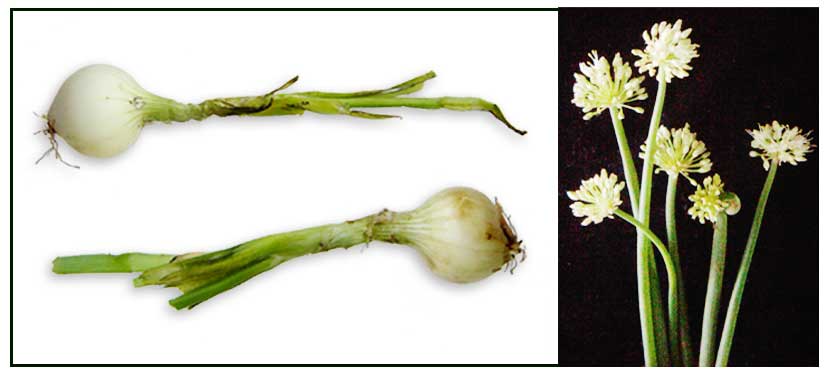
• Sibuyas is a low herb, with leaves
shorter than the scape, cylindric, hollow, 8 millimeters in diameter, narrowing
upward to a slender apex, shorter than the inflorescence. Scape is inflated,
about 30 centimeters high, 1 centimeter thick in the middle, narrowed at both ends. Flowers are stellate, numerous in a dense and rounded umbel, with pedicels 5 to
7 millimeters long. Perianth segments are oblong, acuminate, 5 to 6 millimeters long.
Filaments are longer than the petals.
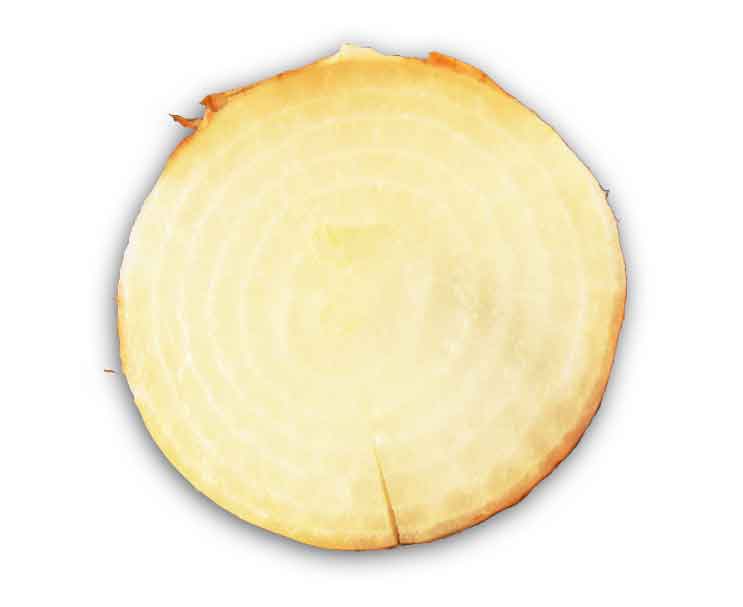
• The onion plant has a fan of hollow, bluish-green leaves, and its bulb at the base of the plant begins to swell when a certain day-length is reached. The bulbs are composed of shortened, compressed, underground stems surrounded by fleshy modified scale (leaves) that envelop a central bud at the tip of the stem. In the autumn (or in spring, in the case of overwintering onions), the foliage dies down and the outer layers of the bulb become more dry, and brittle. The crop is harvested and dried and the onions are ready for use or storage. The crop is prone to attack by a number of pests and diseases, particularly the onion fly, the onion eelworm, and various fungi which can cause rotting. Some varieties of A. cepa, such as shallots and potato onions, produce multiple bulbs.
Distribution
- Cultivated as market produce.
- Not naturalized.
- Originated in western Asia, from where it spread to Greece, Italy, and Egypt.
 Constituents Constituents
- Onion bulb yields 0.005 per cent of its weight of a dark-brown essential oil. The main portion of the oil consists of a compound, C6H12S2.
- Outer skin of the onion bulb yields a yellow coloring matter (quercetin), C15H10O7, allyl propyldisulphide, inulin, carbohydrate (6%), protein (2.4%), fat (0.1%), ash (0.3%), and vitamin C.
- Bulb constituents are reported as: essential oil (0.015%), quercetin,
quercetrin, allyl disulphide, allyl
-
Study isolated seven compounds from the ethanolic extract of seeds of A. cepa: tianshic acid, N-trans-feruloyl tyramine, beta-sitosterol-3 beta-glucopyranoside-6'-palmitate, sitosterol, daucosterol, tryptophane, and adenine riboside.
- Proximate composition for white and red Allim cepa yielded 89.62 and 88.48 moisture, 3.33 and 3.17% ash, 2.17 and 6.5% crude lipid, 3.22 and 3.02% crude protein, 3.83 and 2.83% crude fiber, 87.44 and 84.48% available carbohydrate, 382 and 408.5 kcal/100g energy value, and 64.0 and 61.20% flavonoids, respectively. (see study below) (29)
Properties
- Carminative, demulcent,
diuretic, emmenagogue, expectorant, rubefacient, stimulant.
- Juice is disinfectant, rejuvinative, antispasmodic.
- Oil is considered stimulant, diuretic, and expectorant; bulb is emmenagogue, externally stimulant and rubefacient.
- Studies have suggested
antifertility, hypouricemic, neuroprotective, vasorelaxant, hypotensive, antispasmodic, antiplatelet, antioxidant, androgenic, anticancer, antiproliferative, corrosion inhibitory, antifungal, hair-growth stimulant, nephroprotective, antiasthmatic, antimicrobial, antiulcer, anti-allergic, antidiabetic, hypolipidemic, immunomodulatory, antifungal, anti-allergic, anti-inflammatory, antioxidant properties.
Parts
used
Bulb, seed, juices.
 Uses Uses
Edibility / Nutrition
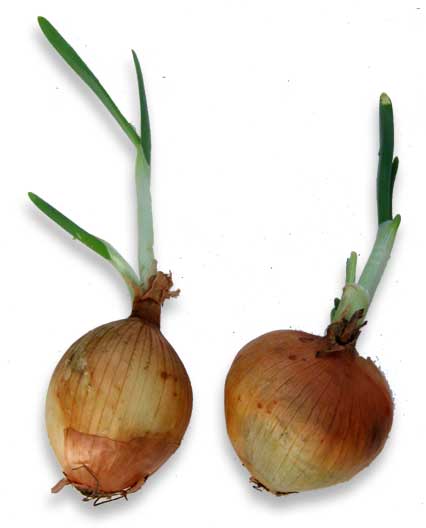
- Onions are used as both food and condiment.
- Peeled and eaten raw,
powdered, juiced, infused or decocted as tea.
Folkloric
- In the Philippines, medicinal use of onion is limited.
- Bulb, cooked and mixed with coconut oil, used as ointment and applied to the abdomen to promote diuresis.
-
Bulb is emmenagogue,
stimulant, diuretic, expectorant; externally, is rubefacient.
- Mixed with common salt, is used for fever, catarrh, chronic bronchitis.
- Juice of onion, mixed with honey, ginger juice, and ghee, used as aphrodisiac.
- Bulb applied as cooling poultice for boils, bruises, and wounds; applied to the navel in dysentery and body heat.
- Juice is used like smelling salts for faintness, in infantile convulsions, headache, epileptic and hysterical fits.
- Juice dropped warm into ears to relieve earaches; applied hot to the soles of feet for convulsive disorders.
- Juice inhaled in epistaxis; applied to the eyes in dimness of vision.
- Mixed with mustard oil in equal proportions and applied to rheumatic pains and other inflammatory swellings.
- Onions are eaten to mitigate cough in phthsis.
- Mixed with vinegar for use in sore throat; cooked in vinegar for jaundice, splenic enlargement, and dyspepsia.
- In malarial fevers, eaten twice daily with two or three black peppers.
- Eaten with jaggery to stimulate growth in children.
- Decoction of onions used for strangury.
- Roasted onion mixed with sugar candy and cow's ghee used as soothing demulcent and stimulant.
- Juice or slices of raw onion is applied to insect bites and stings
or burns.
- Juice of the bulb mixed with mustard oil or coconut oil is used for
rheumatic and inflammatory swellings.
- Onion and garlic juice used for nervousness, insomnia, and rheumatism:
3 tbsp daily.
- Juices of onion, garlic carrot, radish, garlic and lemon: Used for
bronchitis, asthma.
- In Mexico, bulb is used as diuretic and vermifuge.
- Bub taken internally to stimulate peristalsis. Also used for jaundice, hemorrhoids, and anal prolapse.
- In India, the onion is more popular as a medicine, used for fever, dropsy, catarrh, and chronic bronchitis. Mixed with common salt, used as a remedy for colic and scurvy; eaten raw as diuretic and emmenagogue.
Studies
• Antifertility / Bulb:
The bulb of AC has yielded kaempferol, B-sitosterol, ferulic acid, myristic
acid and prostaglandins. Study showed the ethanolic extract of Allium
cepa to possess antifertility activity through an anti-implantation mechanism
rather than antiovulatory effect. (1)
• Hypouricemic / Antioxidant:
Study showed beneficial effects of Allium cepa and its major flavonoid
on hyperuricemia and oxidative stress. (2)
• Neuroprotective:
Study showed protective effect of the methanolic extract of AC bulb
on ischemic and reperfusion-induced cerebral injury with reduced infarct
size and attenuated impairment of short-term memory and motor coordination. (3)
• Vasorelaxant / Hypotensive / Peel:
Study showed the onion peel extract showed hypotensive and vasorelaxant
effects which could be due to the extract quercetin content, antioxidant
activity and inhibition of vascular smooth muscle cell Ca++ influx. (4\)
• Antispasmodic / Onion Peel:
Study showed onion peel extract inhibits ileum contractions without involving ß-adrenoreceptor, opioid receptor, nitric oxide production and potassium channels activation. Results suggests that the quercetin in the onion peel extract induces
spasmolytic effect via calcium channels. (5)
• Antiplatelet activity:
In its raw form, onion is recognized to have antiplatelet activity from
its pyruvate content. Study showed the effects of heating. Heating for
46 minutes completely suppresses in vitro antiaggregatory activity, For
benefits, it is better for onions to be eaten raw or only moderately
cooked. Extensive heating could result in pro-aggregatory effects. (6)
• Hemolytic Anemia:
Study confirmed onion poisoning in dogs causes hemolytic anemia. (7)
• Antioxidant:
Study showed A cepa had high superoxide-dismutase (SOD) activities in leaves and high peroxidase (P-ase) activity in all investigated organs. (8)
• Androgenic Activity:
Study showed freshly prepared onion juice significantly affected the sperm number, percentage of viability and motility. (9)
• Hypoglycemic Activity:
Study showed crude Allium cepa produced hypoglycemic effects, and can be used as a dietary supplement in the management of type 1 or type 2 diabetes mellitus. (10)
• Hair Growth / Alopecia Areata:
Study was done testing the effectiveness of topical crude onion juice in the treatment of patchy alopecia areata in comparison to tap water. Results showed the use of crude onion juice gave significantly higher results re hair re-growth than tap water. Results suggest it might be an effective topical therapy for patchy alopecia areata. (12)
• Nephroprotective / Cadmium-Induced Renal Dysfunction:
Study showed exposure to heavy metal Cd causes renal dysfunction and oral administration of onion could prevent cadmium's adverse effects on renal functions.
• Antimicrobial / Crude Juices: Study evaluated the antimicrobial activity of crude juices of Allium ascalonicum, Allium cepa, and Allium sativum. Results showed strong antibiotic properties, and the complete absence of development of resistance from juices of Allium species merit consideration. (13)
• Natural Corrosion Inhibitor: One major problem with industrial chill wastewater system is corrosion. Study evaluated the potential of using Allium cepa (onion) as a natural corrosion inhibitor. There was a reduction in weight loss for iron, nickel and copper, 92%, 88%, and 46%, respectively. Results demonstrate A. cepa as an effective corrosion inhibitor, primarily for iron. (15)
• Anti-Cancer / Anti-MDR (Multidrug Resistance) Action: Study evaluated crude onion extracts and onion compounds (quercetin and propyl disulfide) in MDR human erythroleukemic and K562 parental cell line. There was a significant increase of apoptosis in the K562 cells while the cells experienced an increase in necrosis. The OE capacity to overcome MDR phenotype suggests anti-MDR action. (16)
• Antiproliferative / Effect on Adipocytes Via Fatty Acid Synthase Inhibition: Study showed an ethyl acetate extract of onion had potent inhibitory effects on animal fatty acid synthase and could induce apoptosis in FAS over-expressing human breast cancer MDA-MB-231 cells. Since obesity is closely related to breast cancer, results suggest onion might be useful in preventing obesity-related malignancy. (17)
• Renal Protective on Cd-induced Renal Dysfunction: Study on Wistar rats showed cadmium-induced renal dysfunction. Allium cepa prevented renal dysfunction, possibly as a results of its antioxidant properties with reduction of activity of ROS. (18)
• Anti-Ulcer: Study showed the protective role of raw Nigelia sativa, garlic, and onion against ethanol-induced gastric ulcers and gastric acid secretion. Raw or boiled Nigella sativa, garlic or onion significantly inhibited histamine stimulated acid secretion. Raw Nigella sativa and garlic showed a decrease in ulcer index. Boiling reduced the potency of garlic and onion. (20)
• Effect on Serum Testosterone / Seeds: Study of seed extract showed increased serum testosterone levels in rats. (22)
• Antibacterial Against Staphylococcus aureus / Bulbs: Various concentrations of methanol and aqueous suspensions of dried Allium cepa bulbs was screened against gram-positive Staphylococcus aureus. All suspensions showed inhibitory activity; the highest zone of inhibition was noted with the highest concentration of methanolic suspension. (23)
• Hypolipidemic / Benefits of Combination with Zinc Sulfate: Study evaluated the hypolipidemic effect of onion extract in rats. Results showed hypolipidemic effects. The combined use of onion and zinc sulfate showed better effect than when used alone. (24)
• Immunomodulatory / Anti-Asthmatic / Allium cepa and Quercetin: Study evaluated the effect of Allium cepa extract (AcE) and quercetin (Qt) on cytokine and on smooth muscle contraction in vitro and its therapeutic potential in a murine model of asthma. Results showed AcE and Qt have potential as antiasthmatic drugs, as they possess both immunomodulatory and bronchodilatory properties. (25)
• Antidiabetic/ Antilipidemic: Study of Allium cepa in streptozotocin induced diabetic male Wistar rats demonstrated significant antidiabetic and antilipidemic activities. However, the mechanism of actions needs to be established. (26) Study of aqueous extracts of A. cepa showed significant dose dependent hypoglycemic and hypolipidemic effects in alloxan induced diabetic rats. The effects were considered protective mechanisms against development of atherosclerosis common in diabetes mellitus. (31)
• Immunological Effects: Study evaluated and compared the single and combined effects of fresh aqueous onion (A. cepa) and garlic (A. sativum) extracts on some immunological determinants in rats. CD4 and total WBC counts were significantly increase (p≤0.05) in a dose-dependent manner in both onion and garlic. Results revealed immune boosting capabilities of both A. cepa and A. sativum. However, no synergistic effect was noted. (27)
• Anti-Allergy / Anti-Inflammatory / Antioxidant / Bulb:
Study showed a herbal fraction (ALC-O2) from A cepa bulb inhibited histamine release and attenuated intracellular calcium levels Compound 48/80-induced rat peritoneal mast cells. ALC-02 also suppressed carrageenan induced rat paw edema and inhibited eosinophil peroxidase activity and protein content in bronchoalveolar lavage fluid of ovalbumin-challenged mice. It also showed significant quenching of DPPH radical. The results show a promising anti-allergic profile that could be attributed to potential antihistaminic, anti-inflammatory and antioxidant activities. (28)
• Comparative Studies of Red and While Allium cepa: Study evaluated white and red Allium cepa for proximate compositions and flavonoids % in dried bulbs. Results show white Allium cepa possessed more nutritional and medicinal properties than red but provides less energy and lower resistance to storage. (see constituents above) (29)
•
Effect on Spermatogenesis / Seed: Study evaluated the effect of A. cepa on body weight, testicular weight, and spermatogenesis in mice. Results showed body and testis weight and spermatogenesis increased in rats. Study suggests antioxidant characteristics and potential benefits in infertile patients. (30)
• Increase Osmotic Fragility: Study evaluated the in vivo and in vitro effects of onion and garlic on osmotic fragility of red blood cells in albino rats. Results showed increase in osmotic fragility, significantly higher (p<0.05) in vitro than in vivo. Study showed Allium exposure in vitro and in vivo can increase erythrocyte membrane fragility due to oxidative damage to the erythrocyte membrane. It may be due to administration in raw form in albino rats. Results suggest ingesting raw allium should be monitored in people with blood diseases. (32)
•
Onion Waste By-Product as Functional Food Ingredient: Study evaluated the alternatives for onion by-products (juice, paste, and bagasse) and the effect of processing and stabilization treatment on the bioactive composition, antioxidant activity and polyphenol oxidase (PPO) enzyme inhibition capacity. Results suggest the potential of an onion paste (mixture content) obtained from onion waste that with mild pasteurization can yield a by-product with good antioxidant properties with potential for use as a functional food ingredient. (33)
• Essential Oil / Antioxidative / Antidiabetic: Study evaluated the antioxidative effect of Allium cepa essential oil in STZ-induced diabetic albino rats. Results showed a significant decrease in serum lipids, lipid peroxide formation, blood glucose, and increase in serum insulin level. Histological abnormalities converted to normal in the treatment group. The antidiabetic activity may be due to the antioxidant properties of the essential oil components. (34)
• Immunomodulatory /
Protective Against Atypical Prostatic Hyperplasia / Scales: Red onion scales contain large amounts of flavonoids reported to have antioxidant, immune enhancing, and anticancer properties. Study evaluated the effect of red onion scales on atypical prostatic hyperplasia induced in adult castrated Wistar rats. Both saw palmetto and RO scale treatment ameliorated histopathologic changes of hyperplasia and inflammation and reduced apoptosis. Results suggest the protective effect of ROS scales against APH induced rats may be attributed to potential anti-inflammatory and immunomodulatory effects. (35)
• Effect on Semen Oxidative Status / Compared to Zn
/ Red Onion Juice: Study investigated the effects of onion juice on semen values of MDA, SOD, GPx, and total antioxidant status (TAS) compared to Zn sulfate in rats. Onion juice significantly decreased semen MDA level (p<0.05). Co-administration of onion and Zn significantly altered (p<0.05) GPx level. Results suggest onion juice protects sperm against oxidation in rat testes. (37)
• Antifungal / Effect on Tinea pedis: Study evaluated the effect of onion (Allium cepa) on Tinea pedis. Study showed onions have the potential as an anti-fungal agent, based on observed significant inhibition of fungi on Sabouraud Dextrose agar. Antifungal activity was attributed to the flavonoid component. (40)
• Antiplatelet Effects / Onion Essential Oil: Studies showed administration of onion essential oil increases the coagulation time and fibrinolytic activity. Onion reduces platelet aggregation by blocking thromboxane and prostaglandin biosynthesis and preventing thrombus growth and promotion of fibrinolysis. Inhibition of platelet aggregation is via multiple pathways by constituents like quercetin, adenosine, allicin, and paraffinic polysulfides with upregulation of cAMP levels and downregulation of thromboxane A2 (TXA2) by reducing Ca2+, COX-1, and TXA2 synthase activities. Onion extract also reduces platelet aggreagation without interfering with COX activity on arachidonic acid. . . (41)
• Anti-Inflammatory / Gastroprotective / Peels: Study evaluated the anti-inflammatory and mucosal protective activity of aqueous extract of Allium cepa peels in rats. Anti-inflammatory activity was evaluated using carrageenan-induced paw edema and mucosal protective activity using acetylsalicylic acid-induced mucosa damage. Rats were pretreated with omeprazole and cepa peel extract. The cepa peel extract (200 and 400 mg/kg) produced significant (p<0.01) reduction in carrageenan-induced paw edema. It also caused significant (p<0.001) inhibition of gastric inflammation induced by acetylsalicylic acid, with 86.04% and 92.79% inhibition with 200 and 400 mg/kg extract dose, compared to omeprazole (20 mg/kg) with 77.48% inhibition. Results suggest the aqueous peel extract has potential anti-inflammatory and gastric mucosa protective activity. (42)
Availability
Cultivated market
produce. |