General
info
- Centella is a genus of 53 species of flowering plants in the subfamily Mackinlayoideae. Sometimes placed in the family Araliaceae; recent molecular data places it within Apiaceae. (67)
-
Gotu kola— also
known as Centella asiatica, Indian pennywort—has been used for
centuries as a medicinal herb, as far back as 3000 years ago in Indian
Ayurvedic medicine, 2000 years ago in Chinese medicine, in the late
1800s in French pharmacopoeia.
-
Contrary to its name, it contains no
cola or caffeine.
- Etymology: The genus name Centella is of uncertain origin. It may derive from Greek kentron meaning "sharp point" or "little spike". Species epithet asiatica refers to Asia as its native origin. The leaves resemble Chinese coins, hence, the common name pennywort.
 Botany Botany
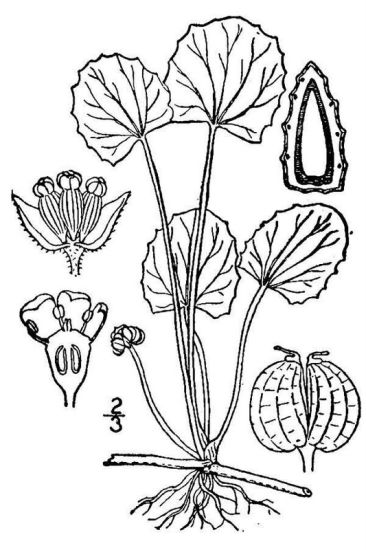
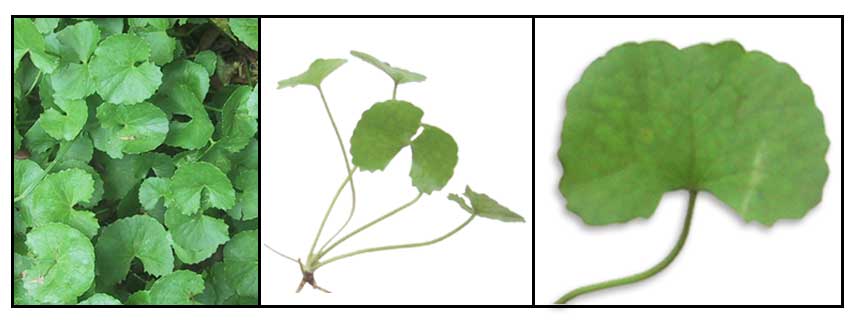
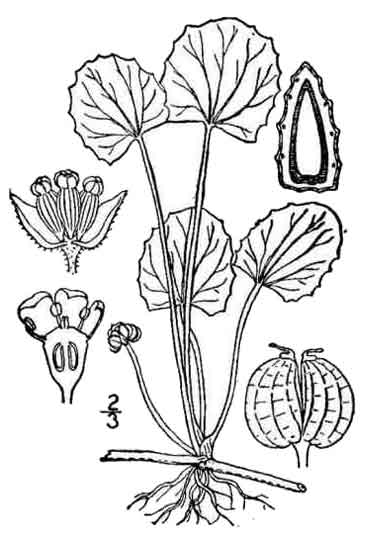
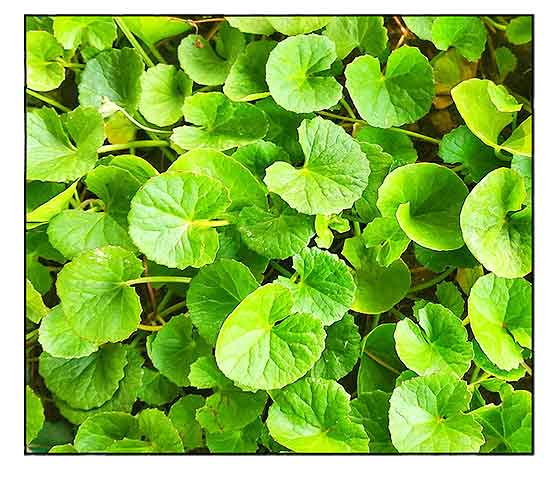
Takip-kohol is a prostrate,
creeping, sparingly hairy or nearly smooth perennial herb, with delicate and slender stems
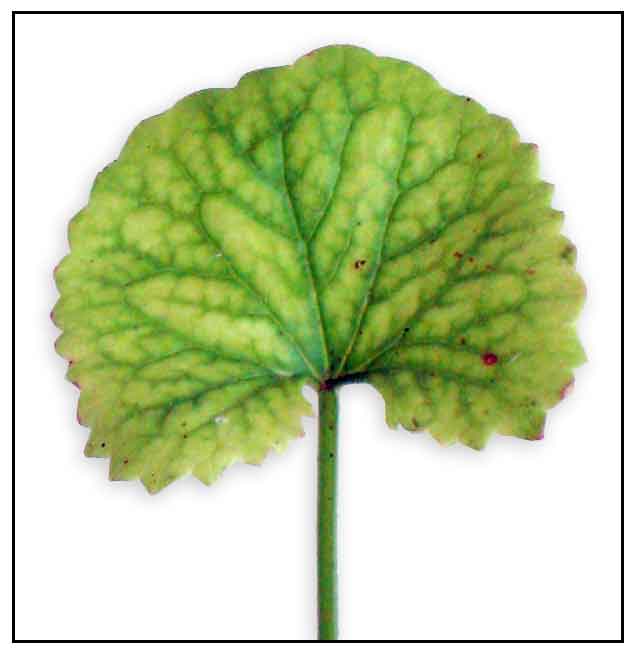
rooting at the nodes. Leaves are rounded to reniform, 2 to 5 centimeters wide, horizontal, more
or less cupped, rounded at the tip, and kidney-shaped or heart-shaped
at the base, palmately veined, margins undulate-crenate, the rounded
lobes often overlapping. Petioles are erect, 3 to 20 centimeters long. Flowers are dark-purple, axillary, ovate, and about 1 centimeter long. Peduncles
occur in pairs or threes, less than 1 centimeter long and usually bear 3 sessile
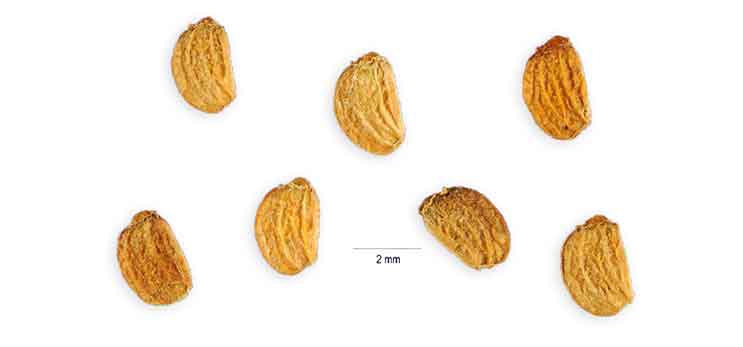
flowers. Fruits are minute, ovoid, white or green, and reticulate, each
with 9 subsimilar longitudinal ridges. Carpels are five, cylindric compressed, about 2.5 millimeter long, white or
green, reticulate. Ovary is inferior. Stamens are 5, epigynous.
Distribution
- Native to the Philippines.
- Grows primarily in the subtropical and tropical biome.
-
Found in gardens,
thickets, and open, damp grasslands, on rice paddy banks and streams
throughout the Philippines.
- Pantropic.
Constituents
• Leaves yield vellarine (1% in dry plant), an oily, non-volatile liquid, responsible for the odor, and considered to be the chemically active principle of the plant.
• Analysis has described vellarine as an inspissated oil of pale yellowish color, with a bitter, pungent, and persistent taste, with a marked odor of hydrocotyle, subject to variations of heat, humidity, and atmosphere.
• Chemical analysis of the plant shows the presence of vellarine,
high vitamin B content in the leaves and roots, and a miscellany of
other constituents such as carbohydrates, resins, proteins, ash, alkali,
alkaline salts, phosphates, and tannins. The vellarine is obtained principally from the roots.
• Phytochemical studies have shown triterpenoid glycosides, phytosterols, amino acids, free acids,
volatile oils and flavonoids.
• Analysis has reported chemical composition as: Resinous and oil substances, 8.9%; tannic acid and sugar, 24.5%; mucilage and extractive, 11.5%; pectin and albuminous matter, 12.5%, ash, mostly as alkaline chlorides, 12.0%.
• Triterpenoid saponins include asiaticoside, centelloside, madecassoside and asiatic acid.
• Qualitative phytochemical analysis of methanol extract of plant confirmed the presence of alkaloids, flavonoids, tannins, terpenoids, saponin, steroids, and proteins, reducing sugars, carbohydrates and cardiac glycosides. (25)
• Nutrient analysis yield 37.0 Kcal in 100 g, K 391 mg, calcium 171 mg, protein 2.0%, carbohydrate 6.7%, and fat 0.2%. It yields 87.7% moisture, 1.6% crude fiber, 1.8% ash, 32.0 mg/100 g phosphorus, 5.6 mg/100g iron and 21 mg/100g sodium. Vitamin analysis yields per 100g: vitamin C 48.5 mg, B1 0.09 mg, B2 0.19 mg, niacin 0.1 mg, carotene 2649 µg, and vitamin A 442 µg. (28)
• Essential oil analysis showed the major constituent to be terpenic acetate ß, while other prominent constituents were ß-caryophyllene, farnesene, tans-ß-farnesene, gemacrene-D, α-humulene, bicylogermacrene, sesquiterpene and p-cymol. (44)
• Study of methanol extract for triterpene content yielded asiatic acid 12%, madecassic acid 0.54%, asiaticoside 0.25%, and madecassoside 1.02%. (see study below) (61)
 Properties Properties
• Leaves are considered tonic, diuretic, emmenagogue, and stimulant.
• Plant has blood pressure-lowering effect.
• Rich in Vitamin B.
• Studies have suggested anxiolytic, bactericidal, wound healing, antioxidant, immunomodulatory, gastroprotective, larvicidal, antidiabetic, antimicrobial, antidiarrheal, antihyperuricemic properties.
Parts
utilized
• Leaves, seeds, roots, sap.
Uses
Edibility
- Eaten as
a salad or vegetable dish.
- In Malaysia and Indonesia, common eaten as fresh vegetable (ulam and salad), eaten raw or cooked as soup ingredient. Mild bitterness is countered by the addition of coconut milk and/or shredded coconut. Used as health tonic and processed into cordial drinks or blended to make juice drink. (28)
- Used in the preparation of juices and other food products.
- Centella leaves are used to make sweet pennyworth drinks and herbal teas. Leaves are served stir-fried whole in coconut oil, or cooked in coconut milk with garlic or dhal.
 Folkloric Folkloric
· In the Philippines, sap of leaves used as curative for sclerotic wounds.
· Decoction of leaves used as diuretic and considered useful for gonorrhea.
· Useful in the treatment of chronic and obstinate eczema. Also prescribed for secondary and tertiary syphilis accompanied by gummatous infiltration and ulceration, in chronic and callous ulcers, as a stimulant in infantile diarrhea and eczema and abscess, and in chronic rheumatism.
· Leaves are toasted and given as infusion in bowel complaints and fevers of children. Also applied as anti-inflammatory to areas of blows and bruises.
· Seeds used for dysentery, fever, and headache.
· Infectious hepatitis,
measles, respiratory tract infections - colds, tonsillitis, laryngopharyngitis,
bronchitis.
· Fresh material: 60 to 260 gms, dried material: 30 to 60 gms:
Take in form of decoction.
· Counterirritant: Pound fresh leaves, mix with vaseline or oil
and apply over affected area as poultice.
· Wounds and sore: The sap of the leaves
is used on wounds and skin sores.
Also, on chaps, scratches and superficial burns.
· In many folkloric systems, used for tuberculosis, syphilis,
dysentery, hypertension, venous extremity problems and common cold.
· In India and Fiji,
roots used for skin inflammation, to improve blood circulation, to treat
bloating, congestion and depression.
· Also considered to be a brain and memory stimulant, used for
Alzheimer's disease and senility.
· In Ayurvedic and Chinese medicine, used for depression and anxiety. Also used as nerve tonic and brain tonic.
· In Sri Lanka and Madagascar,
used for a variety of mental and neurological problems.
· In India and Africa,
used for leprosy, hypertension and cancer.
· Worldwide, herb believed to improve memory and enhance concentration.
Others
New Age Use
•
Stretch marks: Some studies suggest that the use of a special mixture of gotu kola, vitamin E, and a collagen compound in a cream (Trofolastin) in the last six months of pregnancy might reduce stretch marks associated with pregnancy. Another study suggests a mixture of gotu kola, vitamin E, essential fatty acids, hyaluronic acid, elastin, and menthol in an ointment forms (Verum®0 might help prevent the same. (52)
• Psoriasis: Some studies suggest use on gotu kola on the skin might reduce the symptoms of psoriasis. (52)
Studies
• TECA / Mixture of Three Triterpenes:
TECA, the titrated extract of Centella asiatica is a reconstituted mixture of three triterpenes extracted from the plant. Used extensive in Europe as a wound healing drug, it has been shown to stimulate collagen synthesis and increase tissue tensile strength. It has been found successful in the treatment of burns, scars and wound healing defects.
• Anxiolytic / Double-Blind Placebo-Controlled Study:
Rat studies have shown decrease in locomotor activity, enhanced maze
performance and attenuated started response. This double-blind placebo- controlled
study evaluated the anxiolytic activity of Gotu Kola in healthy subjects. Results showed Gotu Kola has anxiolytic activity in humans as shown by
the ASR (acoustic startle response). (1)
• Bactericidal / Enteric Pathogens:
In vitro study on the effect of CA on enteric pathogens. The alcohol
extract was bactericidal against V cholera, Shigella spp, and Staph
aureus and suggests further studies in its potential as an antidiarrheal
drug. (2)
• Wound Healing:
Study on albino rats showed the leaf extract of CA significantly promoted
wound healing and was able to overcome the wound-healing suppression
of dexamethasone. (3) Study evaluated the wound healing activities of various extracts of C. asiatica in incision and partial-thickness burn wound models in rats. Results showed all extracts facilitated wound healing process in both models. The asiatic acid in the ethyl acetate extract seemed the most active component for wound healing. (24) An aqueous-ethanol extract showed bacteriostatic activity to all gram-negative and gram-positive bacteria isolated from wounds of different etiology. Applied topically as 1% cream the extract showed tendency to reduce carrageenan-induced edema. (43)
• Antioxidant: Study
showed CA extract and power may ameliorate H202-induced oxidative stress
by decreasing lipid peroxidation. (4)
• Immunomodulatory:
Study revealed immunomodulatory activity of C asiatica and R nasutus
extracts in both non-specific cellular and humoral immune responses.
Results suggest a chemoproventive or anticancer potential. (6)
• Nerve Regeneration:
Study indicates components in CA ethanolic extract may be beneficial
for accelerating repair of damaged neurons. In a rat study, centella extract in the drinking water hastened recovery after nerve damage, with increased axonal regeneration and accelerated functional recovery. (8)
• Gastroprotective / Anti-Ulcer:
Fresh juice extract of gotu kola has shown protection against aspirin- and ethanol-induced gastric ulcers with increased gastric mucin secretion and mucosal cell glycoprotein production.
• Scleroderma: Single
study found gotu kola decreased joint pain and skin hardening and improved
finger movement. (19)
• Periodontal
Healing : Study results indicate that the combined use
of extracts of CA and P granatum pericarp significantly reduced the
clinical signs of chronic periodontitis. (9)
• Larvicidal:
Crude extract of leaves of CA showed larvicidal and adult emergence
inhibition against mosquito Culex quinquefasciatus, possibly through
various biologically active compounds–phenolics, terpenoids and
alkaloids. (10)
• Keloid and Scar Management:
Oral and topical use have reported benefits on wound and scar management with relief of symptoms, disappearance of inflammation and hastening of scar maturity.
• Economy Class Microangiopathy:
A study on airline flight microangiopathy showed significant improvements in microcirculatory function in those utilizing TTFCA (triterpenoid fraction of Centella asiatica) with edema and rate of ankle swelling approaching normal values.
• Carotid Artery Plaques:
A study on patients taking anti-aggregating medications showed a significant decrease in plaque echolucency in those on TTFCA.
• Diabetic Microangiopathy:
Diabetes is characterized by blood pooling from decreased venous return and increased skin blood flow. A trial of TTFCA showed a significant reduction in skin blood flow compared to baseline values.
• Venous Insufficiency:
In a study of 96 patients with venous insufficiency, use of a TECA (triterpenoid extract of C asiatica demonstrated significant clinical improvements in limb heaviness, edema, and venous distention. In a study of 40 patients with severe venous hypertension, a trial of the herbal extract showed a decrease in skin flux and rate of ankle swelling, with improvement in edema, restless limbs and change in skin color.
• Anti-Enteropathogens:
Study demonstrated the antimicrobial activity of Centella asiatica against enterophathogens. Broad spectrum activity of the herb was observed against a range of enteric pathogens. Against V. cholera, Shigella species and S. aureus, the alcoholic extract was bactericidal within 2 hr. (12)
• Cognitive Effects:
Study findings suggest the potential for Centella asiatica to attenuate age-related decline in cognitive functions in healthy middle age and elderly adults. The mechanism/s underlying these effects require further investigation.(13)
• Anticonvulsant / Neuroprotective:
Study results showed the extracts of C asiatic, except the aqueous extract, possess anticonvulsant and neuroprotective activity and suggest a use in the management of epileptic seizures. (14)
• Antibacterial:
Crude water extract of Asiatic Pennywort, particularly extracted with water, showed promising antibacterial effect against Staphylococcus aureus. (16)
• Antioxidant / Lipid Effects / Safety :
Study in rats showed no toxic effects to the heart, liver and kidney on long term consumption of C asiatica extract. Results also showed CA extract and powder may ameliorate H2O2-induced oxidative stress by increasing HDL concentration, decreasing TG, LDL, lipid peroxidation. Effects are attributed to antioxidant components and polyphenols substances present. (17)
• Anxiolytic / Double-Blind Placebo-Controlled Study:
A double-blind, placebo-controlled study evaluated the anxiolytic activity of Gotu kola in healthy subjects. Compared with placebo, Gotu kola significantly attenuated acute acoustic response. GK has anxiolytic activity in humans. It remains to be seen whether it has efficacy for use in anxiety syndromes. (20)
• Improvement of Behavioral Deficits / Alzheimer's Model:
Study evaluated the use of Centella asiatica herb to enhance memory and nerve function. A water extract of CA in a murine model of Alzheimer's disease with high ß-amyloid burden. There was attenuation of ß-amyloid associated behavioral abnormalities in the mouse murine model of AD. The combination of in vitro and animal studies support the C. asiatica potential for clinical benefit in Alzheimer's disease. (21)
• Neuritogenic Effect / Human Neuroblastoma Cells:
Study showed neurite outgrowth promoting activity of Eca 233. Besides the in vivo neuroprotective effect of ECa 233, study supports further development of ECa 233 for clinical use in neuronal injury or neurodegenerative diseases. (22)
• Phagocytosis Effect / Human Neutrophils / Cell-Mediated Immune System Stimulation:
Study investigated the effect of an ethanol extract of leaves on neutrophil phagocytic function. CA extract stimulated chemotactic, phagocytic, and intracellular killing potency of human neutrophils. Results showed Ca stimulates cell-mediated immune system by increasing neutrophil phagocytic function. (23)
• Pentacyclic Triterpenoid Saponins / Centelloids:
C. asiatica accumulates large amounts of pentacyclic triterpenoid saponins called centelloids. These include asiaticoside, centelloside, madecassoside, brahmoside, brahminoside, thankuniside, sceffoleoside, centellose, asiactic-, brahmic-, centellic- and madecassic acids. The review lists the product range of extracts with its chemical composition and medicinal applications. (26)
• Anti-Ulcer Against Ethanol-Induced Gastric Mucosal Injury / Leaves:
Study evaluated the anti-ulcerogenic activity of an ethanol extract of C. asiatica against ethanol induced gastric mucosal injury in rats. Pretreatment of leaf extract showed significant gastric mucosal protection, reduction or absence of edema and leukocytes infiltration of submucosal layer. (27)
• Antibacterial in Bovine Mastitis:
Study evaluated crude ethanol or water extracts for in vitro antibacterial activity against 30 isolates of S. aureus from milk samples of dairy cows. Results showed antibacterial activity with the ethanol extracts showing more potential antibacterial activity against S. aureus than the water extracts. Results suggest testing in an in vivo study. (29)
• Anti-Diabetic / Leaves:
Study evaluated ethanol and methanol extracts of leaves for anti-diabetic activity in normal and alloxan induced diabetic rats. Both extracts exhibited significant anti-diabetic activity compared to glibenclamide, with amelioration of alloxan induced biochemical damages with long-term treatment. (30)
• Neuroprotective / Aluminum Induced Neurotoxicity:
Study explored the neuroprotective effect of CA on chronic aluminum chloride exposure induced neurotoxicity in various brain regions of Wistar albino rats. Results demonstrated neuroprotective potential against AlCl-3 induced oxidative damage and cognitive dysfunction. (31)
• Mentat / Improvement of Learning Disability:
Mentat is a polyherbal formulation containing Centella asiatica, together with B. monnieri, W. somnifera, N. jatamansi, A. calamus, T. cordifolia, E. officinalis, T. arjuna among others. Centella asiatica contains brahmic acid, isobrahmic acid, brahmoside and brahminoside. A double-blind placebo controlled trial evaluated the efficacy of Mentat in children with learning disability. Findings conclude Mentat improved attention and concentration in school children with learning disability. (32)
• Anti-Inflammatory / Membrane Stabilization:
Study evaluated the in vitro anti-inflammatory activity of C. asiatica by HRBC membrane stabilization by hypotonicity induced membrane lysis. Maximum membrane stabilization of CA extracts was found to be 94.97% at a dose of 2000 µg/ml. (34)
• Neurostimulant / Neuroprotector / Memory Improvement:
Study evaluated the mechanism of CA as neurostimulant and neuroprotector. Findings showed C. asiatica improved memory function by increasing the arboration and elongation of dendrite branches due to increasing level of BDNF hippocampus. In vitro study showed neuroprotective effects in reducing apoptosis of neuronal cells through decreased expression of NFkB (nuclear factor kappa beta) and levels of tumor necrosis factor α. (35)
• Phagocytic Function / Stimulation of Cell-Mediated Immune System:
Study evaluated an ethanol extract of leaves on neurtrophil phagocytic function using in vivo methods of phagocytosis. Results showed Centella asiatic stimulates cell-mediated immune system by increasing neutrophil phagocytic function. (36)
• Neuroprotective / Amelioration of 3-NPA-Induced Oxidative Stress in Mitochondria:
Study evaluated the propensity of dietary intake of CA leaf powder to modulate oxidative markers in mouse brain regions and the efficacy to abrogate 3-NPA induced oxidative stress in mitochondria. Results showed CA has the propensity to modulate both endogenous and neurotoxicant induced oxidative impairments in the brain and may have potential as neuroprotective adjuvant to abrogate oxidative stress in vivo. (37)
• DNA Protective Effect / Modulation of Genotoxicity:
Study evaluated an aqueous methanolic extract and various fractions against hydrogen peroxide (H2O2) induced DNA damage. Results showed potent dose-dependent genoprotective activity. CA showed to be a strong modulator of genotoxicity caused by oxidative mutagen and presents a potential for use in chemopreventive trials. (38)
• Antimicrobial / Antifungal:
Study evaluated the antimicrobial activity of various extracts against selected strains, viz., P. vulgaris, S. aureus, E. coli, B. subtilis, A. flavus, A. niger, and C. albicans. Results showed the ethanolic extract to have higher antimicrobial activity than petroleum ether and water extract. (39)
• Acute Toxicity Study / Whole Plant Powder:
Acute toxicity study on Swiss mice with dose of 3, 5 and 7 kg/kbw in form of an aqueous slurry showed the whole plant powder to be nontoxic. (42)
• Anti-Carcinogenic on Human Colon Cancer Cell Line Study:
Study investigated the anticancer potential of Centella asiatica and Elytropappus rhinocerotis. Results showed the plants induces apoptosis in CaCO-2 cells, an important step in elucidating the underlying molecular mechanism for anti-tumor activity. (45)
• Toxicity Studies:
Oral toxicity study of C. asiatica powder in mice showed median lethal dose (LD50) of more than 8 g/kbw. Histopathological studies revealed no abnormality attributable to CA. Chronic toxicity study in Wistar rats produced no toxicity with no hispathological visceral organ changes. (46)
• Neuroprotective on Hippocampal CA3 Neurons:
Study showed a neuroprotective role for C. asiatica leaves extract on hippocampal CA3 neurons against stress induced neurodegeneration in albino mice. (47)
• Ameliorating Effect on Learning and Memory Deficit:
Study showed an ameliorating effect of ethanolic extract of C. asiatica on learning and memory impairment induced by transient bilateral common carotid arteries occlusion (T2VO). The positive effect could be, at least partly, attributable to its antioxidative effect on memory impairment caused by oxidative stress. (48)
• Anticonvulsant Effect:
Study of aqueous extract of C. asiatica suppressed clonic seizures in mice. The anticonvulsant action was comparable to sodium valproate in PTZ-induced seizures. (49)
• Anti-Proliferative on Human Respiratory Epithelial Cells in vitro:
Study of an aqueous extract of C. asiatica demonstrated a dose-dependent inhibitory effect towards the proliferation activities of human respiratory epithelial cells. Results suggest the possibility of using C. asiatica extract as an anti-polyps therapy. (50)
• Diuretic Effect / Leaves:
Study investigated the diuretic effect of methanolic and ethanolic extracts of C. asiatica in wistar rats. The extracts showed significant diuretic effect with increase in urine electrolyte concentration compared to standard drug furosemide (20 mg po). The ethanolic extract showed more potent diuretic effect than the methanolic extract. (51)
• No Effect on Cognitive Function / Positive Mood Related Outcomes / Meta-Analysis: Centella asiatica has been used as a brain tonic for mental disorders and enhancement of memory. This systematic review includes five randomized controlled trials conducted to determine the effects of C. asiatica on cognitive function and its related properties. Meta-analysis indicated that there are no significant differences in all cognitive function domains of C. asiatica when compared to placebo. However, it could improve mood by improving alertness and relieving anger. There are limitations on dose regimens, plant preparation, standardization and product variation. Well-designed trials are suggested. (53)
• Triterpene Composition / Bioactivities / Leaves: Study evaluated leaves of C. asiatica for triterpene composition and bioactivity such as collagen enhancement, antioxidant, anti-cellulite and UV protection properties. Study yielded significant amounts of madeccassoside (3.10 ± 4.58 mg/mL) and asiaticoside (1.97 ± 2.65 mg/mL), but low in asiatic and madecassic acid. Highest collagen synthesis was found at 50 mg/ml of extracts. Antioxidant activity was 84% compared to vitamin C (88%) and grape seed extract (83%). Centella extracts exhibited similar UV protection to OMC at 10% concentration. Results suggest potential application in food and pharmaceutical industries. (54)
• Potential in Cosmetology / Mechanisms: Centella asiatica has been found effective in the treatment of small wounds, hypertrophic wounds, burns, psoriasis, and scleroderma. This review paper describes the mechanisms involved i.e., promotion of fibroblast proliferation, increase of collagen synthesis and intracellular fibronectin content, and improved of tensile strength of newly formed skin, along with inhibition of inflammatory phase of hypertrophic scars and keloids. Studies have suggested potential use in the treatment of photoaging skin, cellulite, and striae. (55)
• Enhancement of Memory in Rats: Study evaluated the effect of C. asiatica on learning ability and memory in male Wistar rats measuring two important parameters using Operant conditioning technique, viz., latency period and total number of bar pressings. Results conclude that CA facilitated retention of a learned task for a longer period suggesting good retention of memory but did not accelerate the learning process as expected. (56)
• Safety Assessment of C. asiatica-Derived Ingredients Used in Cosmetics: The CIR (Cosmetic Ingredient Review) Expert Panel reviewed the safety of 9 Centella asiatica-derived ingredients, used primarily as skin conditioning agents in cosmetic products. Panel concluded that CA extract, callus culture, flower/leaf/stem extract, meristem cell culture, meristem cell culture extract, and root extract are safe in present practices of use and concentration in cosmetic products. (57)
• Antidepressant Activity: Study evaluated the antidepressant-like effect of C. asiatica using forced swimming test (FST). Doses of 10 mg and 20 mg/kg significantly decreased immobility time, suggesting antidepressant activity. At 20 mg/kbw, the antidepressant activity was almost similar to standard drug imipramine (10 mg/kg). (58)
• Antiplatelet Aggregation: Study evaluated the anti-platelet aggregation activity of an ethanolic extract of C. asiatica in male Sprague Dawley rats. In vitro study showed antiplatelet aggregation activity. n-Hexane purification of the CA herbs powder dose not affect antiplatelet aggregation activity significantly. (59)
• Effect on Ethinylestradiol Induced Genotoxic Damage on Cultured Human Lymphocytes: Study evaluated the effect of C. asiatica extract against genotoxic doses of ethinylestradiol on human lymphocytes culture. Results suggest C. asiatica extract reduced genotoxic damage during ethinyl- estradiol therapy in patients, thereby reducing the chances of cancer development in humans. (60)
• Wound Healing / Topical Spray / Excision Wound Model: Study evaluated the wound healing effect of a topical spray formulation on C. asiatica. The extract was complexed with hydroxypropyl-ß-cyclodextrin (HP-ß-CD) and formulated with Eudragit E100, glycerol, PEG 400, copovidone, ethanol, and purified water. Skin irritation study showed the formulation was non-irritating in the rat model. Results showed complete healing after 14 days in the in vivo excision wound model. (see constituents above) (61)
• Review / Mechanisms of Neuroprotection and Cognitive Enhancement: Review describes the phytochemistry and neurological effects of C. asiatica. Many studies in rodent models and some human studies support C. asiatica as a cognitive enhancer, anxiolytic, and anticonvulsant. Neuroprotective effects in invitro models include antioxidant improvement, inhibition of pro-inflammatory enzyme. Neurotropic effects include increased dendritic arborization and synaptogenesis. Many of these effects are attributed to triterpene compounds asiatic acid, asiaticoside, and madecassoside. (62)
• Effect on Spatial Working Memory: Study evaluated the effect of C. asiatica ethanol extract on spatial working memory of normal adult male rats using Y-Maze before and after treatment. Treated groups showed better spatial working memory performance than control group. (63)
•
UVB Protective Effect / Alteration of Mice RNA Expression in Human Dermal Fibroblasts: Study evaluated the photoprotective role of titrated extract of C. asiatica (TECA) via microRNA expression profiling analysis. Low dose TECA did not exhibit toxicity and showed a protective effect against UVB irradiation. Results suggest TECA may serve as potential natural chemoprotective agent against UVB-mediated damage in NHDFs through changes in expression of specific mRNAs. (64)
• Effect on Spermatogenesis: Study evaluated the effects of C. asiatica extract on spermatogenesis and testicular tissue of rats. Results showed a calculated plant LD50 of 500 mg/kg. Results showed significant increase in body and testis weight in rats. Histological changes during spermatogonal evolution were degeneration of spermatozoa and interstitial congestion in some tubules. Sperm analysis showed decrease in number of spermatozoa (p<0.01), motile sperms (p<0.001) and epididymal sperm storage (p<0.001) with no changes in sperm morphology. Results suggest potential as temporary contraceptive agent in animals. (s65)
• Erroneous Substitution of M. emarginata for Centella asiatica (Takip kohol / Gotu kola): Medicinal plants collected from the wild are vulnerable to adulteration and substitution. Mandukaparni (Centella asiatica) is valued in Indian systems of medicine for improving memory and treatment of nervine disorders. This study reports on a plant material sold in the name of Vallarai that was not C. asiatica and identified as Merremia emarginata (Kupit-kupit), a trailing plant that resembles C. asiatica. The study stresses the importance of standardization of herbal drugs at raw drug levels by use of taxonomic and other validation methods. (66)
• Dermatologic Benefits / Review: Review provides a comprehensive overview of beneficial effects of C. asiatica on skin diseases. The plant and its triterpenes include asiaticoside, madecassoside, and their aglycones, asiatic acid and madecassic acid. These compounds exert therapeutic effects on dermatological diseases such as acne, burns, atopic dermatitis, and wounds via NF-kB, TGF-ß/Smad, MAPK, Wnt/ß-catenin, and STAT signaling in invitro and invivo studies. (70)
• Neuroprotective Benefits / Review: Review covers studies relevant to the neuroprotective activity of Centella asiatica. The survey reports on comprehensive neuroprotective by various modes of action i.e., enzyme inhibition, prevention of amyloid plaque formation in Alzheimer's disease, dopamine neurotoxicity in Parkinson's disease, and decreasing oxidative stress. (71)
• Asiaticoside and Madecassoside: The major bioactive constituents of C. asiatica are the pentacyclic triterpenoid glycosides, asiaticoside and madecassoside, and their corresponding aglycones, asiatic acid and madecassic acid. Both have been identified as marker compounds of C. asiatic in Chinese Pharmacopoeia. These triterpene compounds have a wide range of pharmacologic properties, including neuroprotective, cardioprotective, hepatoprotective, wound healing, anti-inflammatory, anti-arthritic, antibacterial, antitumor, antidepressant, anxiolytic, antifibrotic, and immunomodulatory activities. (72)
• Asiatic Acid / Wound Healing and Effects and Cutaneous Repair: Centella asiatica has been used for a variety of skin diseases, such as leprosy, lupus, varicose ulcers, eczema, and psoriasis. Centella asiatica extracts (CAE) have shown activity in tissue regeneration, cell migration, and wound repair process by promoting fibroblast proliferation and collagen synthesis. Asiatic acid (Aa) is one of the main active constituents of CA directly associated with its healing activity. Data show that CAE and Aa act in one or more phases of cutaneous repair process by promoting inhibition of pro-inflammatory mediators release and immune cells migration in injured tissue as well as fibroblast proliferation and extracellular matrix and collagen synthesis. CAE and Aa can be used for the development of medicines with enhanced anti-inflammatory and wound healing activities. (73)
• Antioxidant / Thrombolytic / Cytotoxic / Antibacterial: Study evaluated the role of phenolics and flavonoids in the antioxidant, antibacterial, cytotoxic, and thrombolytic activities of C. asiatica using four solvent fractions viz. methanol (MSF), ethyl acetate (ESF), chloroform (CSF) and petroleum ether (PSF) from dried powder of whole plant. CSF showed highest phenolics (155.46 mg GAE/g) and flavonoids (345.17 mg QE/g) and exhibited most potent total antioxidant activity (179.o1 mg AAE/g) and DPPH scavenging (IC50 15.31 µg/mL) and thrombolytic activity with 43.94% clot lysis. The fraction also showed broad spectrum antibacterial activity. There was significant correlation between flavonoid content and total antioxidant activity, and high correlation between phenolic and flavonoid content and DPPH scavenging, TAC, and cytotoxicity, and a positive correlation between phenolic and flavonoid content with thrombolytic and antibacterial activityes. (74)
• Excision Wound Healing Activity / Leaves: Study evaluated the wound healing efficacy of Centella asiatic leaf ethanolic extract using an excision wound model in rats, and measured parameters of wound contraction percentages, wound epithelization time, duration of complete healing and gross appearance of the wounds. Wounds treated with 1.0 or 0.5% of gotu kola leaf extract showed higher contraction percentages, shorter epithelization time. Results showed wound healing at a rate similar to conventional silver sulphadiazine suggesting potential for wound management. (75)
• Herbal Juice from Centella asiatica: Study evaluated developed-pasteurized C. asiatica juice for sensory evaluation, nutrition values, and half-life. Sugar was added at 1.2, 2.5 and 5% as low sugar (LS), medium sugar (MD) and high sugar (HS), respectively. Results showed juice obtained from blanching time of 2 minutes showed highest value of TPC and TFC, and antioxidant activity. LS was selected to produce pasteurized juice product that can be stored at 8°C for 10 days. Study suggests potential for a pasteurized and functional juice drink. (76)
• Antihyperuricemic Properties / XDH Enzyme: Study evaluated the antihyperuricemia properties of C. asiatica extract and the possibility it will interact with the XDH enzyme. XDH enzyme is one of three enzymes that can influence the onset of hyperuricemia. The other two are SLC22A12 and ABCG2. Molecular docking and ADME studies showed C. asiatica contains active ingredients that can be alternative therapy for hyperuricemia. (77)
• Antidiarrheal / Antioxidant: Study evaluated the antidiarrheal and antioxidant effects of Centella asiatica extract in rats. Using graded doses of 100, 200, 400, and 600 mg/kbw, the extract showed remarkable antidiarrheal activity in castor oil-induced diarrhea with reduction in rate of defecation up to 78.68% at dose of 600 mg/kbw, with the result comparable to standard drug loperamide (3 mg/kbw). Extract caused profound decrease in intestinal transit (8.26-55.67%) at selected doses comparable to single intraperitoneal injection of atropine sulphate (0.1 mg/kbw). It significantly inhibited PGE2-induced enteropooling (22.10-57.12%). Antioxidant activity was attributed to presence of glycosides and triterpenes compared with standard antioxidant curcumin. (78)
Toxicity studies and concerns
•
Alcoholic extracts have shown no toxicity in rats.
•
Patients have reported GI upsets and nausea as adverse effects. Rashes have been reported with topical use. Few cases of liver enzyme elevations resolved on discontinuation of the herb use.
• Contact dermatitis or skin irritation have been reported from topical application. Drowsiness may occur after consuming it.
•
A 1969 study reported on a total saponoside fraction containing brahmic acid and its derivatives, which can cause infertility in tests conducted on human and rat sperms. Chronic treatment might induce spontaneous abortion in pregnant women. The plant may raise blood sugar and lipid levels. Six weeks is suggest as maximum duration of use of C. asiatica preparations, with a 2-week break. Pregnant and breast-feeding women are advised to avoid using the herbal medicine. (71)
Availability
- Wildcrafted.
- Tinctures, capsules, extracts in the cybermarket.
|


_(2).jpg)