|
 Gen info Gen info
• Solanum is a large and diverse genus of flowering plants, which include three food crops of high economic importance: the potato, the tomato, and the eggplant.
- The genus is the largest in the nightshade family Solanaceae. Many formerly independent genera viz. Lycopersicon (the tomatoes) and Cyphomandra) are now included in Solanum as subgenera or sections. Today, the genus contains about 1500-2,000 species. (67)
- Etymology: The generic name was first used by Pliny the Elder (23-79 CE) for a plant known as strychnos, most likely S. nigrum. The derivation is uncertain, but possibly stemming from the Latin sol, meaning "sun", referring to the plant's status as plant of the sun. The genus was established by Carl Linnaeus in 1753. (67)
Botany
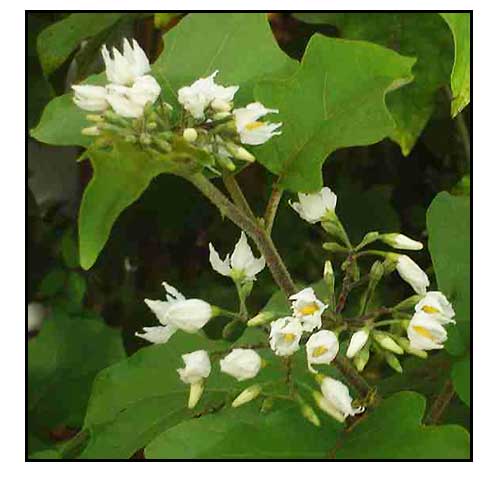
• Tandang-aso is coarse, erect, branched, half-woody herb, 1 to 3 meters high. Branches are covered with short, scattered spines, and in most parts with stellate-shaped hairs. Leaves are alternate, ovate to oblong-ovate, 10 to 20 centimeters
long, with sinuate-lobed margins, acuminate with inequality base. Inflorescences are lateral, usually extra-axillary
racemose, often dichotomous. Flowers are many, white, about 1 centimeter
long. Corolla tube is short, the limb 5-lobed. Stamens are 4, the filaments
short, the anthers united into a cone. Ovary 2-celled. Fruits are globose, smooth, yellow, glabrous, about 1 centimeter in diameter.
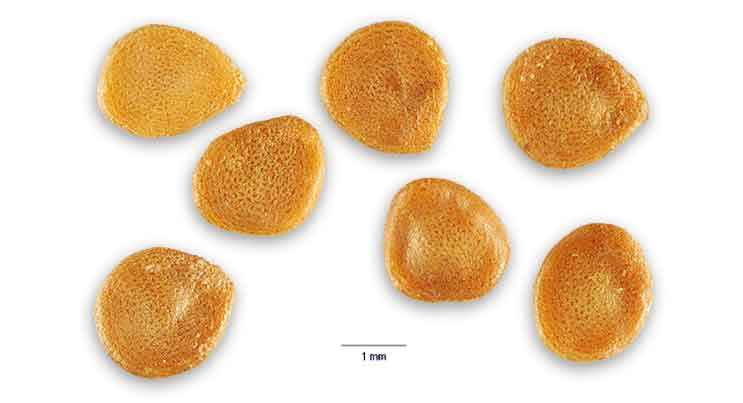
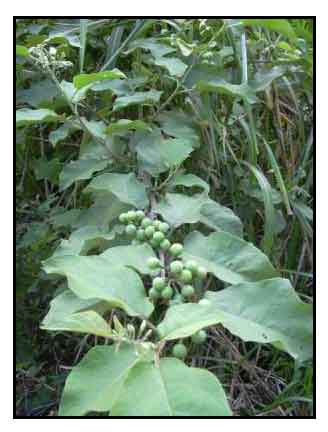 • Plant is usually 2 or 3 m in height and 2 cm in basal diameter, but may reach 5m in height and 8 cm in basal diameter. Shrub usually has a single stem at ground level, but it may branch on the lower stem. Stem bark is gray and nearly smooth with raised lenticels. Inner bark has a green layer over an ivory color (Little and others 1974). Roots are white. Foliage is confined to the growing twigs. Twigs are gray-green and covered with star-shaped hairs. Spines are short and slightly curved and vary from thick throughout the plant, including the leaf midrib, to entirely absent. Leaves are opposite or one per node, broadly ovate with the border entire or deeply lobed. Petioles are 1 to 6 cm long and the blades are 7 to 23 by 5 to 18 cm and covered with short hairs. Flowers are white, tubular with 5 pointed lobes, and grouped in corymbiform cymes; and shed soon after opening. Fruits are berries that grow in clusters of tiny green spheres (ca. 1 cm in diameter) that look like green peas, becoming yellow when fully ripe, thin-fleshed and containing numerous flat, round, brown seeds. • Plant is usually 2 or 3 m in height and 2 cm in basal diameter, but may reach 5m in height and 8 cm in basal diameter. Shrub usually has a single stem at ground level, but it may branch on the lower stem. Stem bark is gray and nearly smooth with raised lenticels. Inner bark has a green layer over an ivory color (Little and others 1974). Roots are white. Foliage is confined to the growing twigs. Twigs are gray-green and covered with star-shaped hairs. Spines are short and slightly curved and vary from thick throughout the plant, including the leaf midrib, to entirely absent. Leaves are opposite or one per node, broadly ovate with the border entire or deeply lobed. Petioles are 1 to 6 cm long and the blades are 7 to 23 by 5 to 18 cm and covered with short hairs. Flowers are white, tubular with 5 pointed lobes, and grouped in corymbiform cymes; and shed soon after opening. Fruits are berries that grow in clusters of tiny green spheres (ca. 1 cm in diameter) that look like green peas, becoming yellow when fully ripe, thin-fleshed and containing numerous flat, round, brown seeds.
Distribution
- Introduced; naturalized.
-
Throughout the Philippines.
-
Weed is found occurring in open, waste places at low and medium altitudes in most islands and provinces.
-
Flowering all year
round.
- Native to Bahamas, Belize, Brazil Northeast, Brazil Southeast, Cayman Is., Colombia, Costa Rica, Dominican Republic, Ecuador, El Salvador, French Guiana, Guatemala, Guyana, Haiti, Honduras, Leeward Is., Mexico Central, Mexico Gulf, Mexico Northeast, Mexico Northwest, Mexico Southeast, Mexico Southwest, Nicaragua, Panamá, Puerto Rico, Trinidad-Tobago, Venezuela, Windward Is. (25)
- Now pantropic.
 Constituents Constituents
• Studies have reported steroidal sapogenin es, neochlorogenin,
chlorogenin, paniculogenin, sisalagenone and torvogenin.
• Study isolated neosolaspignenin, solaspigenin, and neochlorogenin
from the leaves.
• Study yielded two new spirostanol glycosides: neosolaspigenin 6-O-ß-D-quinovopyranoside and solagenin 6-O-[ß-D-xylopyranosyl-(1-3)-O-ß-D-quinovopyranoside].
• Study yielded six triterpenes: 3-O-acetyl-11alpha, 12alpha-epoxy-oleanan-28, 13beta-olide, oleanolic acid, ursolic acid, 2alpha-hydroxy-oleanolic acid, 2alpha, 3beta-dihydroxyursolic acid. (12)
• Phytochemical analysis of leaves and seeds yielded alkaloids, flavonoids, saponins, steroids, tannins, terpenoids, and phenolic compounds. GCMS analysis yielded 31 seed constituents and 28 leaf extract compounds. Major compounds were quinic acid, linoleic acid, palmitic acid, isopseudocumenol and phytol. (28)
 • Methanolic extracts of leaves, flowers, and fruits yielded alkaloids, flavonoids (+++), indoles, phenols, saponins, steroids, tannins (none in leaves), and terpenoids. Ethanolic extracts of leaves, flowers, and fruits yielded alkaloids, flavonoids (+++), indoles, phenols, saponins, steroids, and tannins (none in leaves and flowers). (32) • Methanolic extracts of leaves, flowers, and fruits yielded alkaloids, flavonoids (+++), indoles, phenols, saponins, steroids, tannins (none in leaves), and terpenoids. Ethanolic extracts of leaves, flowers, and fruits yielded alkaloids, flavonoids (+++), indoles, phenols, saponins, steroids, and tannins (none in leaves and flowers). (32)
• Hexane crude extracts of fruit yielded 17-(1,5-Dimethyhexyl)-10,13-dimethyl-2,3,4,7,8,9,10,11,12,13,14,15, 16,17- tetradecahydro-1H-cyclopenta[α]phenanthren-3-ol, campesterol, stigmasterol and β-sitosterol and 7-hydroxy-6-methoxycoumarin was isolated from ethyl acetate crude extract of fruit. An ethyl acetate crude extract of fruit yielded 7-hydroxy-6-methoxycoumarin. (see study below) (34)
• Extracts from stem, leaf, pericarp and root yielded unsaturated fatty acids (linoleic acid and oleic acid) and saturated fatty acid (palmitic acid, stearic acid, richinoleic acid, ligniceric acid, lauric acid, myristic acid and behanic acid). (see study below). (39)
• Proximate analysis of fruits yielded moisture 59.51±0.47, carbohydrate 11.9±0.36, total sugar 9.52±0.48, protein 1.46±0.23, ascorbic acid 37.4±3.64. Micronutrient analysis yielded (mg/100g) 5.22, sodium 31.98, potassium 745.01, calcium 146.57, copper 1.37, manganese 7.51, zinc 3.41. (41)
• Phytochemical screening of fruit have shown the presence of tannins, phlabotannins, saponins flavonoids, steroids, and terpenoids. A methanol extract of fruits yielded 21,25-dimethylmelianodiol, which has been shown to have weak antibacterial property. (48)
• Qualitative analysis yielded reducing sugars, saponins, alkaloids, phenols, and flavonoids, with absence of anthraquinones. Quantitative analysis for total phenols and flavonoids showed 16.4 mg GAE/g extract and 2.8 mg QE/g extract, respectively. (see study below) (50)
• Ethanol extract of aerial parts yielded yielded glycoside, tannins, sterols, saponins, flavonoids, carbohydrates, and proteins. (see study below) (51)
• Study of ethanolic extract of aerial parts yielded one novel C-22 steroidal lactone saponin, solanolactoside C (1), and one new spirostanol glycoside, torvoside Q (2). (54)
• Phytochemical screening of methanol extract of leaves
yielded tannins, flavonoids, reducing sugars, saponin glycosides, alkaloids, phytosterols, and terpenoids. (see study below) (56)
• GC-MS analysis of methanol extract of leaves yielded the presence of a major component of 3-n-hexylthiolane, S,S-dioxide (49.407%), along with seven minor components viz. Oleyl alcohol, trifluroacetate (12.23%), n- hexadecanoicacid (9.42), 3-methyl-2-(2-oxoprpyl)furan (4.97%), Hentriacontane (4.56%), 1, 2-benzendicarboxylic acid, mono (2-ethylhexyl)ester (3.92%), Choloroacetic acid, tetradecyl ester (3.45%), Benzoic acid 1-methoxy-1h-tetrazol-5-ylmethylester (2.60%). (57)
• Proximate analysis of dried powdered fruits yielded high moisture content 86.23%, carbohydrates 7.033%, proteins 2.322%, fats 0.278%, ash 0.143%, and crude fiber 3.993%. Mineral analysis yielded iron 76.869 mg/kg, manganese 19.466 mg/kg, calcium 221.583 mg/kg, copper 2.642 mg/kg, and zinc 21.460 mg/kg. Vitamin A and Vitamin C contents were 0.078 mg/100g and 2.686 mg/100g, respectively. (66)
• Study of fruits isolated five new steroidal glycosides, namely: 25(S)-26-O-β-d-glucopyranosyl-5α-furost-22(20)-en-3β,6α,26-triol-6-O-[α-l-rhamnopyranosyl-(1 → 3)-O-β-d-quinovopyranoside] (1), 25(S)-26-O-β-d-glucopyranosyl-5α-furost-22(20)-en-3-one-6α,26-diol-6-O-[α-l-rhamnopyranosyl-(1 → 3)-O-β-d-quinovopyranoside] (2), 25(S)-26-O-β-d-glucopyranosyl-5α-furost-22(20)-en-3β,6α,26-triol-6-O-β-d-quinovopyranoside (3), 5α-pregn-16-en-20-one-3β,6α-diol-6-O-[α-l-rhamnopyranosyl-(1 → 3)-β-d-quinovopyranoside] (4), and 5α-pregn-16-en-3,20-dione-6α-ol-6-O-[α-l-rhamnopyranosyl-(1 → 3)-β-d-quinovopyranoside] (5), along with five known ones. (see study below) (76)
• Nutrient analysis of S. torvum berries (w/w) yielded carbohydrates (15.5%), proteins (0.31%), fats (1.09%). total ash (1.03%), and water (82.41%). Mineral content includes iron, manganese, calcium, copper, zinc, and vitamins A and C.
(78)
- Study of methanolic and hyrdoalcoholic seed extracts showed total flavonoid content of 44 and 32 µg of rutin equivalent/mg of extracts and total phenolic content of 70 and 52 µg of gallic acid equivalent/mg respectively. (see study below) (81)
- Study of S. torvum leaves isolated one sterol glycoside and three steroidal sapogenins:
3-O-[β-d-(6′-nonadeanoate) glucopyranosyl]-β-sitosterol (1), (25R)-3β,6β-dihydroxy-5α-spirostan-23-one (2), paniculogenin (3), and chlorogenin (4). (82)
 Properties Properties
• Considered cooling, antipyretic, anti-rheumatic,
antiphlogistic, anti-infectious, anti-contusion, anti-inflammation and
analgesic.
• Fruit considered tonic, analgesic, haematopoietic, diuretic, sedative, digestive, and antimicrobial.
• Studies have suggested antimicrobial, antiviral, immunosecretory, analgesic, anti-inflammatory, anti-ulcerogenic, H. pylori inhibitory, cardioprotective, nephroprotective, antidiabetic, antifungal, anthelmintic, anticancer, antiproliferative, anxiolytic, anti-depressant, adaptogenic, hypolipidemic, lipase inhibitory, antimycobacterial, immunomodulatory, diuretic, hepatoprotective, antisalmonella, mosquito larvicidal and adulticidal, antioxidant, neuroprotective, anticonvulsant, relaxant properties.
Parts
utilized
- Roots, leaves, fruit.
Uses
Edibility
- Malays use the fruit in curry preparations.
- Fruit preferred unripe and provides a good flavoring.
- Green fresh fruits are edible; used in Thai cuisine as ingredient in Thai curries or chili pastes (nam phrik). Also used in Lao and Jamaican cuisines. Fruits are incorporated into soups and sauces in the Cote d'Ivoire. Fruit also used in Ghanaian cuisine, in stews such as kontomire stew. (68)
- In Tamil Nadu, India, fruits eaten directly or cooked. In Siddha medicine, extract from the berry used to improve digestion. (68)
Folkloric
- In the Philippines, water decoction of leaves used for treatment of epileptic seizures. (82)
-
For stomach ache, pain caused
by contusion, internal bruise on the belly muscle - use 15 to 30 gms
of dried drug. Boil to decoction and drink.
- Used for amenorrhea, indigestion, gastric pain at the navel, rheumatism-numbness, sprain contusion, lumbar muscular pains.
- Fruits used for poulticing cracks in the feet.
- Decoction of fruits used for cough, liver and splenic enlargement.
- In Yucatan, plant is considered sudorific, diuretic, narcotic and as resolutive, and used for convulsions, coughs, asthma, gout, rheumatism, syphilis, and skin diseases.
- Decoction used in some areas (Bukidnon) to lessen postpartum
hemorrhage.
- Dosage: 15 to 30 gms dried roots in decoction, or processed
into syrup or alcoholic suspension.
- In Tamil Nadu, India, leaf
juice used to reduce body heat and unripe fruits used to strengthen
the body.
- In Africa,
infusion of leaves taken orally for antidote use.
- In Sierra Leonne,
fruit used in cough medicines for children.
- In Cameroon traditional
medicine, use for management of pain and inflammation. (•) Used for treatment of fever, wounds, and tooth decay.
- In India, powdered leaves mixed with warm water or hot milk used for relief of colds and coughs. Powdered roots applied externally to cracked feet. Cooked fruit used as vermifuge. (46)
- In Ghana, unripe fruits and leaves used in treatment of tuberculosis. (60)
Others
- Rituals: Fruit reportedly used in Haitian voodoo rituals. (68)
Studies
•
Platelet Aggregation Effects: Two Indonesian plants,
N officinale and S torvum, were studied for platelet aggregating effects.
The ethanol extract exhibited a more potent effect. (1)
• Analgesic / Anti-Inflammatory / Leaves:
Nigerian study of aqueous leaf extract of S torvum showed both analgesic
and anti-inflammatory properties. (3) Study evaluated the analgesic properties of S. torvum leaf syrup in Swiss albino mice using the formalin test and hot plate method. Results showed dose dependent analgesic effect in the formalin test, At 1000 mg/kg, the syrup showed analgesic effect by hot plate test closely comparable to Paracetamol control. (63)
• Metabolic and Blood Pressure Effects: Methanolic extract of Solanum torvum reduced blood pressure, vascular reactivity changes to catecholamines and reversed metabolic alterations induced by fructose. (4)
• Antioxidant Effects / Cytochrome Enzyme Inhibiting / Free Radical Scavenging: Study showed S torvum is a natural source of polyphenolic antioxidants, which have cytochrome P450 2E1 enzyme inhibiting and free radical scavenging properties, and suggests a potential use for reducing oxidative stress in diabetes. (5)
• Antibacterial: In an in vitro study of S. torvum against human pathogenic strains, the water and ethanol extract was found effective against all bacterial strains with an inhibition comparable to that of commercial antibiotics. (8)
• Antibacterial / Antifungal / Roots: Methanolic extracts of roots of S. torvum exhibited promising antibacterial and antifungal effects on all organisms tested (6 gram(+), 9 gram(-) and 8 pathogenic fungi). (9) Study evaluated various extracts of roots of S. torvum against six Gram negative and three Gram positive bacteria by disc diffusion. E. coli was the only Gram negative bacteria that showed sensitivity to the root extract. An ethanolic extract showed strong activity against S. aureus and Bacillus sp. with zone of inhibition of 20.5 mm and 14 mm, respectively. (52)
• Anti-H. Pylori / Antifungal: Helicobacter pylori infection is associated with an increased risk for duodenal ulcers, gastric ulcers, gastric adenocarcinoma and gastric lymphomas. Study of S. torvum extracts showed inhibition of H. pylori growth. S. torvum chloroform extract also suppressed H. pylori-induced apoptosis. Further studies are needed to elucidate the molecular mechanisms of H pylori growth inhibition. (10)
• Antimicrobial: Study showed S. torvum not only demonstrated antimicrobial activity but the extract also exhibited significant control of seed borne pathogenic fungi and bacteria. Results suggest a potential for exploitation for paddy disease management. (13) Ethanolic extracts of stem, leaf, pericarp, and root showed antibacterial activity against Bacillus sp, K. pneumoniae, S. aureus, and Micrococcus sp and antifungal activity against Tricophyton surans and Aspergillus niger. (see constituents above) (39)
• Alkaloids: Comparative study of S.. torvum Sw grown in India and Chiapas, Mexico, showed similar total alkaloidal content. However, solasodine was found only in Chiapas plants. Study also yielded solasonine and solamagine, two glycosylated compounds of solasodine, which can b used as substrate for the production of important steroids in pharmacology. (14)
• Acute and Subacute Toxicity Studies: Study of hydro-ethanolic extract of the ripe fruit showed it was not highly toxic. However, consumption at higher doses over 16 g/kg could cause liver injury. Moderate consumption of small doses up to 1 g/kg twice a week for 6 weeks appeared safe. (15)
• Antibacterial / Antioxidant: Study evaluated various extracts from powdered S. torvum for antibacterial and antioxidant activity. Phytochemical screening yielded alkaloids, flavonoids, glycosides, phenols, saponins, and sterols. Results showed dose dependent antibacterial and antioxidant activity at varying concentrations. (17)
• Antidepressant / Anxiolytic / Adaptogenic / Torvanol A/ Seeds: Study isolated torvanol A, an isoflavonoid from the seeds of Solanum torvum. Results showed antidepressant, anxiolytic and adaptogenic activities suggesting involvement of noradrenergic, dopaminergic, serotonergic and gabaergic mechanisms. (18)
• Oral Toxicity Studies / Leaves and Stems: Study evaluated the oral toxicity in Sprague-Dawley rats using a decoction of leaves and stems. The plant decoction was administered at a single dose of 2000 mg/kg of body weight. Results showed no clinical signs of toxicity or animal deaths. The tested decoction, administered at one dose, is regarded as unclassified for the animal model and dosage used. (19)
• Bruhati moola / Anti-Inflammatory: Study showed Bruhati moola is not only effective in inflammation, but also safe to use without any harmful effects. (20)
• Cardioprotective / Doxorubicin-Induced Cardiotoxicity / Flavonoids: Oxidative stress is the main factor in doxorubicin-induced cardiotoxicity. Study showed S. torvum has the potential of preventing cardiotoxicity induced by Doxorubicin. The protection was attributed to flavonoids. (21)
• Cardiac Effects / Hypotensive / Decreased Anti-Platelet Aggregation: Study evaluated the cardiovascular activity of aqueous and methanol extracts of fruits of S. torvum. The methanol extract reduced heart rate at all test doses. Both extracts induced significant reduction in arterial blood pressure probably from the bradycardic effect. The aqueous extract dose-dependently inhibited platelet aggregation. (22)
• Modulation of Lysosomal Activities / CCl4 Vapour Induced Liver Damage: Study showed Carica papaya and Solanum torvum reversed the effect of carbon tetrachloride vapour induced liver damage. The plant extracts prevented leakage of lysosomal enzymes by increasing the stability or decreasing vulnerability of lysosomal membrane possibly through its antioxidant property. (23)
• Methyl Caffeate / α-Glucosidae Inhibition / Anti-Diabetic: Study isolated methyl caffeate, a rat intestinal sucrase and maltase inhibitor. Its moderate inhibitory action against α-glucosidase presents a potential prospect for the antidiabetic use of S. torvum fruit. (24)
• Study on Dry Sundakai Powder Supplementation / No significant Changes: After one month of dry Sundakai powder supplementation (7 gm proving 1.23 g crude fiber) on 30 non-insulin dependent diabetes mellitus patients, no significant changes were observed with respect glucose, lipid profile, glycated proteins, total amino acids and uronic acid levels. (26)
• Hypertensive Effect / Toxicity Study: Study evaluated the acute toxicity and effect of oral aqueous extract of S. torvum in chronic arterial hypertension induced by L-NAME. Results showed no mortality nor visible signs of toxicity. AEST induced potentiation of arterial hypertension and cardiac hypertrophy in L-NAME treated rats, an effect that may be due to reduction in sensitivity to vasorelaxant agents and increase in hypersensitivity to contractile factors. Its in vitro vasocontractile activity may be from activation of both α1-adrenergeic pathway and calcium influx. (27)
• Hepatoprotective / CCl4 Induced Toxicity: Study of a hydroalcoholic extract of fruits showed promising hepatoprotective activity as evidenced by biochemical parameters. However, the overall hepatoprotection is low compared to standard drug silymarin. (29) Study showed Solanum torvum reversed carbon tetrachloride damage associated with activities of lysosomal enzymes vis NAG, glucoronidase, alkaline phosphatase and bilirubin levels. (30)
• Antifungal / Antimycotoxigenic / Leaves: Study investigated the antifungal effect of ST leaves against field and storage fungi. Study isolated an antifungal compound, torvoside K, which inhibited the growth of all fungi tested, with complete inhibition in vitro and in vivo of growth of A. flavus and F. verticillioides and aflatoxin B1 and fumonisin B1. (31)
• Anti-Inflammatory / Toxicity Study: Study evaluated a methanolic extract of raw berries showed anti-inflammatory activity by carrageenan induced paw edema in an animal model. The extract showed no toxicity or mortality up to the dose level of 3000 mg/kg body weight in rats, and considered safe and non-toxic for further pharmacological screening. (33)
• Lipase Inhibitory Activity / Fruit: Study an ethyl acetate crude extracts of fruit showed lipase inhibitory activity. The mixture of 17-(1,5-dimethyhexyl)-10,13-dimethyl-2,3,4,7,8,9,10,11,12,13,14,15,16,17- tetradecahydro-1H-cyclopenta[α]phenanthren-3-ol, campesterol, stigmasterol and β-sitosterol exhibited moderate lipase inhibitory activity with IC50 value of 82.56 mg/mL (see constituents above). (34)
• Anti-Proliferative/ Anti-Cancer / Fruit: Extracts of takokak fruit inhibited (1) lung cancer cells (A549) with IC50 was 335.7 μg/ml, (2) breast cancer cells (MCF-7) with IC50was 1,153.5 μg/ml, and (3) cervical cancer cells (HeLa) with IC50 was 1,261.8 μg/ml. (35)
• Benign Prostatic Hypertrophy: Study showed the therapeutic potential of S. torvum for the treatment of BPH because of it anti-inflammatory, immunomodulating and antioxidant activity. (36)
• Antimitotic / Anticancer: Study of extracts of S. torvum showed to be extremely effective in prevention of cell proliferation of mammary gland breast adenocarcinoma cell lines The pronounced antimitotic and anticancer activities was attributed to its potential antioxidant property and the key roles of polyphenols, steroidal saponin glycoside, alkaloids and flavonoids. (38)
• Anthelmintic: Study of S. torvum fruits showed anthelmintic activity against Ascaridia galli, a common gastrointestinal parasite of domestic fowl (Gallus gallus domesticus). The report throws light on the use of S. torvum fruits has herbal anthelminticide for humans. (40)
• Methyl Caffeate / Antidiabetic / Antihyperglycemic: Study of methyl caffeate in streptozotocin induced diabetic rats showed significant reduction in blood glucose and increased body weight. Methyl caffeate treated diabetic rats showed upregulation of GLUT4 and regeneration of ß-cells in the pancreas. Results suggested a potential for a potent oral antidiabetic drug. (42)
• Toxic Myopathy in a Case of Acute Toxicity:Toxicity of berries appear to be related to the concentration of steroid glycoalkaloids in berries, which are higher in toxic berries than in non-toxic berries.. Toxicity of berries may be related to the maturity of berries or environmental stresses. In a toxicity case, electromyography showed myotonia and early recruitment of motor units with full interference pattern. The responsible chemical, although unknown, is likely due to solanaceous steroidal glycoalkaloids. (43)
• Biogenic Silver Nanoparticles / Antimicrobial Potential: Report focused on the biological synthesis of silver nanoparticles using Solanum torvum. Results showed S. torvum mediated silver nanoparticles could act as an effective antimicrobial agent. (44)
• Anti-Obesity / Anti-Diabetic / Leaves: Study of ethanolic extract of leaves showed both antidiabetic and anti-obesity activity when fed to high-fat diet-induced obesity and type-2 diabetic male albino rats. (45)
• Effect on Sex Hormones / Hypocholesterolemia: Study evaluated the effect of water extract of S. torvum on blood lipid and sex hormone levels in high-fat diet (HFD) fed male rats. Results showed the extract can reverses the level of sex hormones and reduce cholesterol in HFD-induced obese rats. Also, long term administration of S. torvum extract showed to be harmless. (47)
• Methyl Caffeate / Antimicrobial / Antimycobacterial / Fruits: A methanolic extract of fruit yielded methyl caffeate. The compound was screened for antimicrobial activity and antimycobacterial activity. The lowest MICs of methyl caffeate were 50 µg/ml against P. vulgaris, 25 µg/ml against K. pneumonia,and8 µg/ml against M. tuberculosis. Results showed potential of methyl caffeate for drug development. (49)
• Antioxidant / Polyphenolic Compounds / Fruit: Study evaluated various extracts of S. torvum fruits. DPPH radical scavenging assay showed an IC50 of 1.62 mg/ml while FRAP of ethanolic fruit extract showed 470 mg FeSO4 E/gr. High performance liquid chromatography for polyphenolic compounds yielded gallic acid, rutin, quercetin, and ascorbic acid. (see constituents above) (50)
• Antimicrobial / Analgesic / Aerial Parts: Study evaluated the antimicrobial and analgesic activities of ethanol extract from Solanum torvum aerial parts. Results showed promising antibacterial activity against gram positive bacteria viz. B. subtilis and S. aureus. The extract showed peripheral analgesic effect as evidenced by significant percentage inhibition in writhings induced by acetic acid in mice. There was also significant increase in latency period in tail immersion test and formalin study. (see constituents above) (51)
• No Effect with Crude Fiber Supplementation: Study evaluated the effect of dry Sundakai powder supplementation (7g providing 1.23 g of crude fiber) on glycemic control, lipidemic control, total amino acids and uronic acid on 30 non-insulin dependent diabetic patients on hypoglycemic drugs. After one month of fiber supplementation, no significant changes were noted on measured parameters. (55)
• Antimicrobial / Antitussive / Leaves: Study evaluated a methanol extract of leaves of S. torvum for antimicrobial and antitussive effects. MIC of antimicrobial assay were 2.5 mg/ml, 3.16 mg/ml, 5.0 mg/ml and 5.0 mg/ml for S. aureus, S. pyogenes, K. pneumonia and E. coli, respectively. The antitussive activity testing showed dose dependent activity with cough inhibition of 53.4%. 64.3%, and 73.6% with doses of 100 mg/kg, 300 mg/kg, and 1000 mg/kg, respectively, 76.2% for positive control dihydrocodeine and 71.4% for saline control. (see constituents above) (56)
• Anticancer / Ehrlich's Ascites Carcinoma Cell Lines: Study of an ethanolic
extract of S. torvum showed significant cytotoxic effect on EAC. Phytochemical screening yielded phenols, reducing sugars, carbohydrates, flavones, glycosides, saponins, steroids, alkaloids, quinones and tannins. (58)
• Cytotoxicity Evaluation / HFF Cells (Human Foreskin Fibroblasts) / Fruit: Study evaluated the cytotoxic activity of 70% ethanolic extract of fruits of S. torvum on HFF cells in in vitro culture. Phytochemical screening yielded alkaloids, tannins, polyphenols, saponins, and flavonoids. Results showed the extract has cytotoxic activity on tested HFF cells. At 800 µg/ml, survival rate of HFF cells increased from 100% to 4% of living cells. Study suggests the extract is cytotoxic on HFF cells and advises further studies on toxicity and cautions on the use of S. torvum fruits in traditional medicine. (59)
• Acute Toxicity / Electrophysiological Findings / Fruit: Study describes the electrophysiological findings in a patient with acute Solanum torvum (susumber berry) poisoning. The patient presented with vision changes, dizziness, difficulty speaking, and muscle weakness. Neuro exam showed intact mental status, opsoclonus, severe dysarthria, mild distal upper and lower extremity weakness with tenderness on palpation, delayed motor reflexes and ataxia. MRI of the brain and CSF studies were unremarkable. Lab showed a peak creatine kinase of 1886 IU/L. EMG showed myotonia and early recruitment of motor units with interference pattern. Poisoning with berries appears to cause a toxic myopathy. The chemical cause may be from a class of solanaceous steroidal glycoalkaloids. (see Toxicology below) (61)
• Diuretic / Seed and Fruit Wall: Study evaluated methanol extracts of seeds and fruit wall of S. torvum for diuretic activity in doses of 150, 300, and 450 mg/kbw in albino rats. Results revealed the fruit wall methanol extract showed significant diuretic activity compared to the seed ME. (62)
• Immunomodulatory / Erythropoietic / Fruits: Study evaluated the effect of S. torvum fruit extracts on delayed type hypersensitivity (DTH) response, hemagglutinating antibody (HA) titer, WBC, RBC, and Hb concentration in Sprague-Dawley rats. Results showed concentration-dependent immunostimulant and erythropoietic activity as evidenced by significantly enhanced DTH response, increase HA titer and WBC count, reversal of PHZ-induced anemia, increases in RBCs and Hb concentrations. (64)
• Effect on Blood Pressure and Metabolic Alterations in Fructose Hypertensive Rats: Study evaluated the effect of ethanol extract of S. torvum on systolic blood pressure (SBP), vascular reactivity, serum glucose, triglycerides, cholesterol, insulin, and uric acid in fructose induced hypertension. Results showed the S. torvum could prevent the development of high blood pressure induced by fructose-rich diet probably via reversal of metabolic alterations induced by fructose. (65)
• Effects on Hypertension / Review: In traditional Malay healing, S. torvum is used for treatment of hypertension. Review searched databases for scientific evidence supporting the claim. Evidence supporting the claim for its use in hypertension included its capability in reducing blood pressure in normal and high fructose-induced hypertensive rats, its diuretic by increasing sodium excretion and total urinary output i normal and in nitric-oxide deprived rats, and its ability to inhibit ACE, a key enzyme that mediates consequential increment of blood pressure. In contrast, S. torvum also induced partial vasoconstriction and amplified the hypertensive effect in nitric-oxide deprived hypertensive rats. The review found evidence asserting its traditional use for hypertension and some conflicting findings in some studies. (69) (see study: 27)
• Phenolic and Alkaloid Profiles / Biological Properties: A metabolomic approach compared the phytochemical composition and biological activities of Solanum torvum and S. erianthum. Stem barks showed highest amounts of total phenolics (average: 12.6 mg/g) and showed to be good sources of antioxidant compounds. All extracts were effective against acetylcholinesterase and tyrosinase, while only leaf extracts of both plants were good sources of butyrylcholinesterase inhibitors. The extracts showed significant antimicrobial and antifungal potential. Modest anti-diabetic effect was measured for
α-amylase and α-glucosidase. Strong correlations (p<0.01) was noted between bioactives and the biological activities. (70)
• Treatment of Oxidative Impairment Caused by ß-Cell Toxicant (STZ): Study evaluated the protective role of ethanol extract of S. torvum leaves (EESTL) against diabetes-induced oxidative stress and tissue impairment in STZ (streptozotocin)-intoxicated rats. The EESTL displayed dose-dependent ferric-reducing antioxidant pwoer (FRAP) activity, scavenged DPPH radicals (IC50 13.52 µg/mL), and inhibited lipid peroxidation in in-vitro models. EESTL exhibited dose-dependent inhibitory activity against α-amylase (IC50 138.46 µg/mL) and promoted glucose uptake across plasma membrane of yeast cells comparable to metformin. Results showed EESTL possesses a reserve of bioactive metabolites for management of diabetes and associated complications. (71)
• Antidiabetic / Acute Toxicity Study / Hepatoprotective / Hypolipidemic / Fruit: Study evaluated the hypoglycemmic, antilipidemic, and hepatoprotective activities of ethanolic extract of S. torvum fruit in STZ-induced diabetic Spraque-Dawley rats. Acute toxicity study showed LD50 at dose of 1600 mg/kbw. Extract dose of 200 mg/kbw showed significant reduction of blood glucose, total cholesterol, triglycerides, LDL, VLDL, ALT, AST, with significant increase in HDL. Histopathological exam of pancrease showed increase in number, size, and regeneration of ß-cell of Islets of Langerhans. Gene expression studies showed lower expression of slc2a2 and PCK1 in treated animals, indicating preference to the gluconeogenesis pathway. (72)
• Anti-Salmonella / Leaves: Salmonellosis remains a major public health concern in developing countries. Study evaluated the invitro antisalmonellal and antioxidant properties of S. torvum leaves extracts. A 95% ethanol extract exhibited significant antimicrobial activity with MIC<100 µg/mL on all isolates and strain. The 95% and 70% ethanol extracts showed high antioxidant potential (IC50<20µg/mL) on DPPH. The extract showed best percentage NO (62.43%) inhibition, hydroxyl radical (49.97%) trapping, and good iron chelating activity. The activities significantly correlated with levels of phenolic compounds and flavonoids. Phytochemical screening of leaves extract yielded anthocyanins, saponins, steroids, tannins, anthraquinone, alkaloids, flavonoids, triterpenes, and phenols. (73)
• Anti-Ulcerogenic / Leaves: Study evaluated the anti-ulcer potential of aqueous and methanol extracts of S. torvum leaves using doses of 250, 500, and 750 mg/kg on gastric ulcerations experimentally induced by HCl/ethanol, indomethacin, pylorus ligation and stress. Fractionation of methanol extract produced seven fractions (FrA-G) tested at dose of 100 mg/kg against HCl/ethanol-induced ulceration. The methanol and aqueous extracts exhibited inhibition of gastric ulcerations. All methanol fractions significantly inhibited ulcer formation. Fraction F, which contains flavonoids and triterpenes, was most active with inhibitory & of 84.74. Both extracts significantly increased mucus production and reduced gastric acid secretion. The anti-ulcerogenic properties may be due to a cytoprotective mechanism. (74)
• Immunomodulatory / Hepatoprotective / Leaves: Study evaluated aqueous leaf extract of S. torvum on liver status (ALP, ALT, AST, total protein, total albumin, plasma globulin, bilirubins), hematologic profile, and histology of liver, spleen, lungs, and bone marrow of treated rats. At highest dose, there was activation of hepatic Kupffer cells, significant increase in WBCs and lymphocytes suggesting potent immunomodulation in various tissues. ALT and AST increased, but decreased at highest dose, while ALP followed the opposite trend. WBCs and platetlets increase significantly. Results suggest potent immunomodulatory and hepatoprotective properties. (75)
• Anti-Melanoma Cell Line / Cytotoxic Steroidal Glycosides / Fruits: Study of fruits isolated five new steroidal glycosides, along with five known ones. The new compounds were assayed for invitro cytotoxicities. Compounds 1-4 showed cytotoxic activity against human melanoma cell line A375. with IC50s of 30 µM to 260µM. (see constituents above) (76)
• Larvicidal and Adulticidal Against Mosquito Aedes aegypti / Leaves: Study evaluated S. torvum leaf extract for larvicidal, adulticidal, and in-silico study against mosquito Ae. aegypti. Preliminary phytochemical screening revealed steroids, saponins, phenol, flavonoids, tannins, anthraquinones. Larvicidal activity was observed during 24-48 hr exposure to 4th instar larvae with 100% mortality at 200 µg/ml. Adulticidal activity during 24-h exposure showed maximum 92% mortallity at 2 mg/mL. Molecular docking observation of IPZ4 showed campesterol with most favorable docking score with -10 value, suggesting campesterol may have high affinity as target molecule. Results suggest potential for S. tovum leaf extract as environmentally friendly alternative to chemical insecticides for controlling mosquito populations and mosquito borne diseases. (77)
• Cytotoxicity / Anticancer Against Adenocarcinoma MCF-7 Cell Line / Leaves: Study evaluated an aqueous extract of S. torvum leaves for cytotoxicity effect on Normal Vero cell line and anticancer activity against human breast adenocarcinoma cell line. A 24-hour incubation cell proliferation study reduced cell viability of MCF-7 breast cancer cell lines. In vitro studies showed no toxicity on Vero cell line. (79)
• Hepatoprotective / Acetaminophen-Induced Toxicity / Leaves: Study evaluated the phenolic fraction of S. torvum leaf extract (STLAE) for phytochemical composition, antioxidant and hepatoprotective activity against acetaminophen (APAP)-induced liver injury in mice. HPLC identified 38 compounds including flavonoids, esters of hydroxycinnamic acid, and chlorogenic acid isomers. In C57BL/6 mice, oral STLAE (600 and 1,200 mg/kbw) or STLAE-PF (300 mg/kbw) prevented rise in ALT and AST, depletion of reduced glutathione (GSH) and elevation of TBARs levels in liver caused by APAP. The hepatoprotective effects were comparable to those of N-acetyl-cysteine. Results suggest that a phenolic fraction of S. torvum leaf extracts, a new phytotherapeutic agent, has potential for the prevention or treatment of liver injury caused by APAP overdosing. (80)
• Protective Against Monosodium Glutamate Induced Neurotoxicity / Seeds: Study evaluated the effects of S. torvum seed extracts on MSG-induced neurotoxicity in Swiss albino mice. Mice recieved 1000 mg/kg p.o. of MSG followed by methanol and hydroalcoholic extracts of S. torvum (100 and 300 mg/kg p.o.) for 14 days. MSG-treated mice showed significant (p<0.05) behavioral changes, decrease organ weight of brain, decrease antioxidant levels and significant (p<0.05) increase in lipid peroxidation in brain tissue. Histopath changes in the brains showed vacuolated cells, pyknotic nuclei, decreased neuronal density and distorted layres of brain tissue. Both extracts of S. torvum showed normal behavior, significant (p<0.05) increase in reduced glutathione (RGSH), increase organ weight, significant decrease in LPO and increase in reduced glutathione, SOD, CAT concentration in brain tissue compared to MSG-treated mice. Treatment also reversed histopathological changes. Results suggest seed extracts have potential to ameliorate neuronal damage induced by MSG. (see constituents above) (81)
• Antibacterial / Synergism with Oxacillin Against MRS (Methicillin Resistant Staphylococci / Leaves: Study evaluated the antibacterial activity of leaf extract of S. torvum against MRS isolated from clinically healthy dogs. GC-MS study of the leaf extract revealed the main phytocomponents were hexadecanoic acid and its ethyl ester and 9,12,15-octadecatrienoic acid, ethyl ester, (Z,Z,Z). MIC of the leaf extract against all tested isolates ranged from 2 to 16 mg/mL. Positive effects of the leaf extract were most evident in combination with oxacillin. Results suggest S. torvum leaf extract may complement classical antibiotics and may be a potential therapeutic option for MRS. (82)
• Anticonvulsant Steroid Glycosides: Study evaluated Solanum torvum for anticonvulsant activity in zebrafish larvae against seizures induced by GABAa antagonist pentylenetetrazole (PTZ). Six main bioactive compounds were identified in the methanol extract. The isolated molecules exhibited significant anticonvulsant activity in zebrafish seizure assays. (83)
• Relaxant Activity on Smooth Muscle: Study of S. torvum showed relaxant activity on ascending colon and stomach smooth muscle. S. torvum possesses potent in vitro vasocontractile activity on vas deferens. Results suggest S. torvum may act through both alpha-1 adrenergic pathway and calcium influx activation. Study suggests oral chronic administration of S. torvum induced potentiation of α1-adrenergic pathway and can also block the Ang-II and 5-HT receptor. (84)
• Suppression of Hepatocellular Carcinoma Via Ferroptosis Induction: Study evaluated the mechanism by which ST induces ferroptosis in hepatocellular carcinoma (HCC), the combination effect of lenvatinib, and the impact on lenvatinib-resistant cells. ST ethanol extract inhibited growth of various hepatoma cell lines. ST treatment was followed by significant reduction in glutathione peroxidase 4 (GPX4) expression. which was accompanied by increased lipid peroxidation and Fe2+ accumulation. ST induced ferroptosis mainly through HO-1 expression. Results showed ST ethanol extract inhibited hepatoma cell growth by inducing ferroptosis. ST had an additive effect with lenvatinib in Hep3B cells and showed remarkable anti-HCC activity in lenvatinib-resistant Heb3B cells. ST showed potential to reduce lenvatinib use in clinical practice and salvage cases of lenvatinib resistance. (85)
• Potential MAPK14 Protein Inhibitors / Fruits: Study evaluated the anticancer potential of ST fruits derived compounds against breast cancer target proteins ((MAPK14, PDB ID: 5ETA, resolution: 2.80 Å) through pharmacoinformatics-based screening and molecular dynamics simulation tools. A total of 33 active compounds were selected from ST through the IMPPAT database. Five compounds, namely chlorogenin (−10.90 kcal × mol−1), corosolic acid (−10.80 kcal × mol−1), solaspigenin (−10.80 kcal × mol−1), paniculogenin (−10.70 kcal × mol−1), spirostane-3,6-dione (−10.70 kcal × mol−1) exhibited top binding score against MAPK14, which are higher than the standard drug (Doxorubicin) (−8.60 kcal × mol−1). Top-five binding compounds revealed better drug-likeness trains and the lowest toxicity profile. Study suggest the five compounds may be used as significant MAPK14 inhibitors and has potential as new medicines for treatment of breast cancer. (86)
Caution / Toxicity concerns
• Toxicology:
Reports on two outbreaks (New York and Toronto) of poisoning by cucumber
berries (Solanum torvum) and detection of alkaloids. Consumption of
berries caused varying degrees of GI distress, diarrhea, weakness, dizziness,
slurring of speech, ataxia, cranial nerve deficits and respiratory difficulties.
Poisonous berries are indistinguishable from non-toxic varieties. Solasonine
and larger amounts of solamargine and other steroidal glycoalkaloids
were isolated from the toxic berry strains.
• Published cases are rare. Toxicity may be related to the maturity of berries, environmental stresses, or the concentration of steroid glycoalkaloids in the berries.
Steroid glycoalkaloids inhibit serum and erythrocyte acetylcholinesterase and butrylcholinesterase, which may cause the spectrum of clinical manifestations. (61)
Availability
- Wild-crafted.
- Herbal products in the cybermarket: Dried turkey berry, Susumba powder, dried leaves (MoolihaiOrganics)
(Organic Herb)
(Jothi'sHerbals) etc. |