Gen info
- Fabaceae or Leguminosae, commonly known as the legume pea, or bean family, is a large and agriculturally important family of flowering plants that includes trees, shrubs, and perennial or annual herbaceous plants. t is widely distributed and is the third largest land plant family, behind only Orchidaceae and Asteraceae, with about 770 genera and nearly 20,000 known species. (3)
- Melicope lunu-ankenda is a species of plant in the family Rutaceae.
- Etymology: Fabaceae derives from the defunct genus Faba, now included in Vicia. Faba derives from Latin, meaning "bean". Leguminosae, an older but still accepted name, refers to the fruit of the plants, which are called legumes. (3) The genus name Melicope derives from Greek words meli (honey) and kope (a division or cut, referring to the four nectar-secreting glands situated near the ovaries of the flowers. The specific epithet lunu-ankenda derives from Sinhalese words lunu (salt) and ankenda (horney fiber or woody/cartilaginous structure).
 Botany Botany
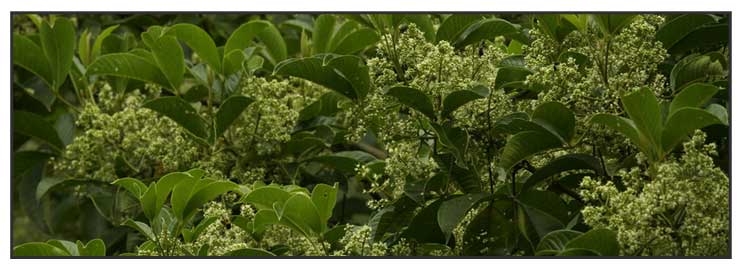
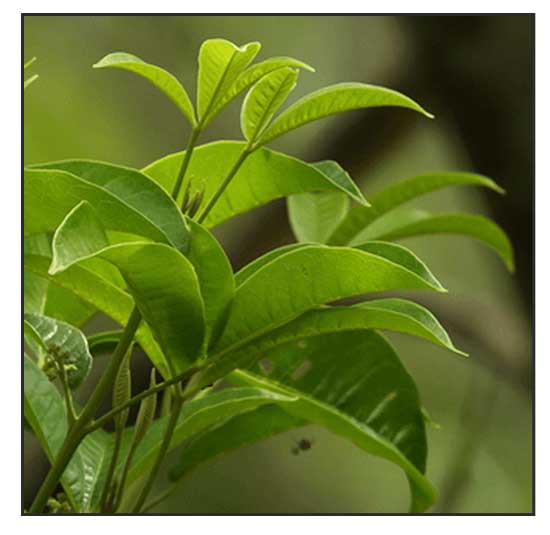
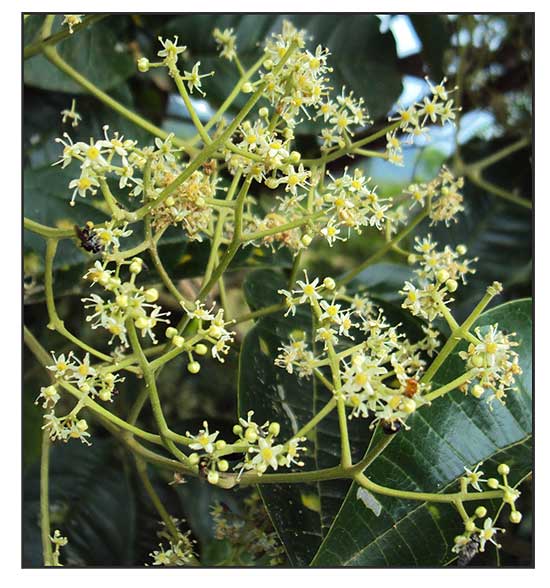
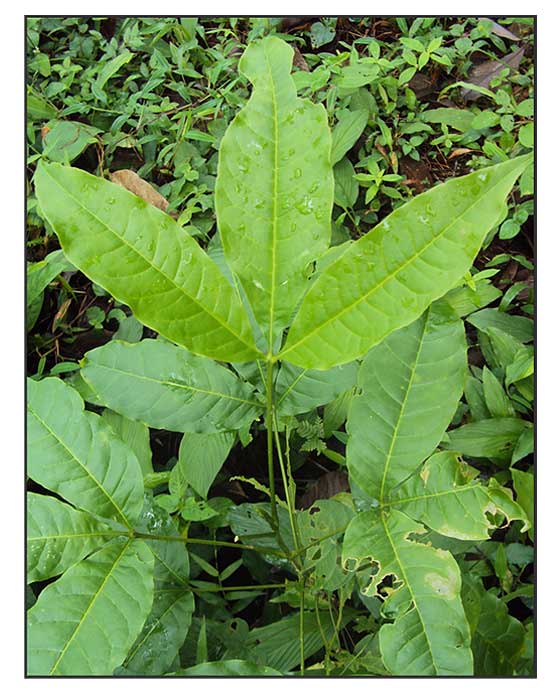
• Growth form: A shrub or tall tree that can grow to 30 m tall. Foliage: Leaves are trifoliate, leathery, held on a petiole 1.5 - 15 cm long. Each leaflet is elliptic to spoon-shaped, asymmetrical, measuring 3.5 - 23 cm long by 2.5 - 7 cm wide. The terminal buds are sparsely hairy to velvety. Flowers: Flowers are dioecious where the female and male flowers are found on the same individual. They are small, white and 4-petalled, held on an 2 - 32 cm long inflorescence found along the axils or below the leaves. Fruit: Dry, elliptic to egg-shaped follicle measuring 6 - 10 mm long. Each locule contains 1 - 2 round, oval to elliptic seeds measuring 3 - 6 mm long. (Flora & Fauna Web)
• Melicope is a tree about 10 m tall. Bark is gray, corky when mature; blaze brownish. Young branchlets are quadrangular to round in cross-section, minutely velvety. Leaves are compound, trifoliate, opposite. Rachis is 3.5-11 cm long. Stalks of leaflets are 0.6-1.1 cm long, canaliculate, slightly velvety. Leaflets are 7-20 x 3-8.5 cm (usually larger in saplings), elliptic to obovate, tip long-pointed, base asymmetric or slightly flat, margin entire, papery, gland-dotted, hairless, shining above. Midrib is slightly canaliculate, secondary nerves 7-16 pairs, straight or gradually curved; tertiary nerves slender, broadly netveined. Flowers are borne in spreading panicled cymes. They are greenish white, stalkless. Seed-pods are 4-valved; 1-seeded cocci, black. (Flowers of India)
 Distribution Distribution
- Native to the Philippines.
(1) (2)
- In Luzon: Albay (?); Palawan, Samar, Sibuyan. (1)
- In lowland forests. 0-2000 m.
- Also native to Andaman Is., Assam, Cambodia, East Himalaya, India, Jawa, Malaya, Myanmar, Nepal, Sri Lanka, Sulawesi, Sumatera, Thailand, Tibet, Vietnam. (2)
Constituents
- Various secondary metabolites isolated include phenolic acid derivatives, flavonoids, coumarins and alkaloids. (6)
- Phytochemical screening of
bark and leaf extracts revealed presence of carotenoids, flavonoids, tannins, terpenoids, and triterpenoids. (see study below) (8)
- Study of M. lunu-ankenda petroleum ether and acetone extracts of leaves for volatile oil by TLC isolated major chromene-type compounds, evodione and leptonol. (see study below) (9)
- Study of twigs isolated two new coumarins, 7-(4-hydroxy-3-methylbutanoxy) coumarin and 7-(3-methyl-4-carboxybutanoxy) coumarin methyl ester, named melilunumarin A (1) and melilunumarin B (2), respectively. A new benzaldehyde derivative, 3,4-dihydro-3,4-dihydroxy-2,2-dimethyl-2H-1-benzopyran-6-carboxaldehyde, named melilunumane (6), was also isolated and characterized, as well as five previously reported compounds, 6-deoxyhaplopinol (3), marmesin (4), umbelliferone (5), kokusaginine (7) and evolitrin (8). (see study below) (16)
Properties
- Studies have suggest antioxidant, antidiabetic, anticancer, neuroprotective anti-quorum sensing properties.
Parts used
Leaves, bark, fruits.
 Uses Uses
Edibility
- Leaves are edible; eaten as condiment or used for flavoring food.
- Herbal tea prepared from flowers used as tonic.
Folkloric
- No reported medicinal use in the Philippines.
- Roots used for treatment of colds and rheumatism. Leaves and flowers used for treatment of fever and menstrual disorders. (4)
- Various parts have been used for treatment of hypertension, menstrual disorder, diabetes, fever, and as emmenagogue and tonic. (5)
- In India and Malaysia, leaves used for treatment of diabetes.
- In India, used for treatment of fever, improvement of complexion, as emmenagogue and tonic. Leaves used for diabetes. In Eastern Ghats, root decoction mixed with black pepper and salt used for treatment of asthma and bronchitis. (5)
- In Ayurveda, revered for balancing vata and kapha doshas. In Kerala's Ayurveda, bark is used in manjishta (Rubia cordifolia) formulations for skin conditions. Sri Lankan 17th century Ved Vidya texts record its inclusion in ghrita (ghee) preparations to "cool fiery emotions." (11)
Others
- Wood: Heartwood is yellow or light orange; sapwood is lighter colored. Soft to moderately hard; suitable for interior finishing, paneling, moldings, veneer, and plywood manufacture, general utility furniture, packing cases and boxes. (4)
Studies
• Antidiabetic / α-Glucosidase Inhibitory / Antioxidant / Leaves: Study evaluated the antidiabetic and antioxidant activities of ethanol extracts of M. lunu-ankenda leaves. A 60% ethanolic extract of showed highest inhibitory effect against α-glucosidase enzyme (IC50 37 µg/mL) and DPPH scavenging activity (IC50 of 48 µg/mL). In vivo, at high dose of 400 mg/kbw, ML extract exhibited high suppression of fasting blood glucose by 62.75%. Main bioactive compounds identified included: isorhamnetin, skimmianine, scopoletin, and melicarpinone. Results suggest potential for development of new functional foods and antidiabetic drugs, as single entity phytomedicine or in combination therapy. (4)
• Antimicrobial / Antioxidant / Cytotoxicity / Leaf and Bark: Study evaluated the bioactivities of leaf and bark. Using agar disk diffusion assay, the dichloromethane extracts showed antimicrobial activity against S. aureus and MRSA; methanol extract showed activity against S. aureus strain only, and antifungal activity against Candida albicans only by methanol leaf extract. Methanol leaf extract showed highest MIC against MRSA strain, >2500 mg L. Among the extracts, methanol leaf extract showed lowest IC50 of 49.25 by DPPH radical scavenging assay and lowest LC50 on brine shrimp (Artemia salina) lethality assay. Results showed moderate antioxidant activity, cytotoxicity, and antimicrobial activity of leaf and bark. (8)
• Antipyretic / Analgesic / Anti-Inflammatory / Chromenes from Volatile Oil / Leaves: Study isolated and evaluated the biologic activity of potential molecules from volatile oils and extracts of M. lunu-ankenda. Leaf oil yielded major chromene-type compounds: evodione and leptonol, which were also isolated from petroleum ether and acetone extract of leaves. Leptonol (200 mg/kg) showed good antipyretic activity and moderate activity by DPPH radical scavenging assay (68.7%, 500 µM). Evodione and leptonol showed moderate analgesic activities in acetic acid-induced writhing and tail immersion assays. Evodione and leptonol showed moderate anti-inflammatory activity (carrageenan-induced paw edema) at 100 mg/kg with 59.4% and 49.0% respectively. (see constituents above) (9)
• Neuroprotective Mechanisms / Review: Review explored the neuroprotective potential of secondary metabolites. in M. lunu-ankenda focusing on its polyphenols, alkaloids, flavonoids, and coumarins, which are demonstrated antioxidant, anti-inflammatory, and neuroprotective effects. Study for neuroprotective mechanisms highlighted free radical scavenging, inhibition of pro-inflammatory cytokines, and modulation of apoptotic pathways., including pathways for COX-2 inhibition, ROS scavenging, and neuroprotective signaling through CREB and ERK1/2 activation. Findings indicate M. lunu-ankenda's bioactive compounds, particularly skimmianine, scopoletin, and auraptene, significantly influence neuro-protective pathways. These metabolites reduce oxidative stress and inflammatory markers such as TNF-α and iNOS while enhancing cellular defenses through increased Bcl-2 expression. Phenolic compounds also support neuroprotection via modulation of CREB signaling, promoting neuronal survival, and reducing apoptosis. (10)
• Anti-Breast Cancer / 7-geranyloxycinnamic Acid / Leaves: Study evaluated the cytotoxicity effects of 7-geranyloxycinnamic acid (7GCA) from leaves of M. lunu-ankenda on human breast cancer cell lines. Cytotoxic activity of crude extract and 7GCA was evaluated by MTT assay and apoptotic analysis by Annexin V-PI staining, AO/PI staining, intracellular ROS measurement, and measurement of activities of caspases 3/7, 8, and 9. Crude extract and isolated pure compound showed signifidant cytotoxicity against tested cancer cell line. 7GCA exerted significant cytotoxic effects against MCF-7 and MDA-MB-231 cell lines. Cytotoxic effects were attributed to induction of apoptosis via accumulation of ROS and activation of caspases in both breast cancer cell lines. 7GCA exerted significant cytotoxic effects without affecting normal cells. (12)
• Antidiabetic O-prenylated Flavonoid / OPF / 7-geranyloxycinnamic Acid / Leaves: Study of leaves isolated an O-prenylated flavonoid (3,5,4'-trihydroxy-8,3'-dimethoxy-7-(3-methylbut-2-enoxy)flavone), The isolated OPF showed significant blood glucose lowering activity in oral glucose tolerance test on overnight fasted, glucose loaded normal rats. In neonatal STZ-induced diabetic rats, OPF treatment for 20 days significantly ameliorated blood glucose levels, liver glycogen and serum biological parameters including insuliin to normal levels. Acute toxicity testing of OPF showed no conspicuous toxic symptoms at higher dose of 500 mg/kbw. Study suggests the OPF acts on pancreatic ß-cells for insulin release. (13)
• Neuroprotective / 7-Geranyloxycinnamic Acid (7-GOCA) / Leaves: Study evaluated the in vitro neuroprotective activity of 7-GOCA isolated from M. lunuankenda plant leaves. Neuroprotective activity was evaluated in differentiated human neuroblastoma (SH-SY5Y) cells by monitoring cell viability using MTT and potential to impair apoptosis using Annexin V-FITC assay, AO/PI staining, and fluorescence microscopy. Pre-treatment of neuronal cells with 7-geranyloxycinnamic acid significantly protected the differentiated SH-SY5Y cells against H2O2-induced apoptosis. Study demonstrated the neuroprotective potential of 7-GOCA against H2O2-induced neurotoxicity in neuronal cells, which is an established hallmark of neuronal disorders. (14)
• Antioxidant / Glucose Uptake Activity / Cytotoxicity / Leaves: Study evaluated the antioxidant, glucose uptake activity, and cytotoxicty of M. lunu-ankenda leaf extract using cell lines. The 60% ethanolic ML extract exhibited highest antioxidant activity with total phenols and flavonoid contents of 354 mg GAE/g DW and 313 mg rutin equivalent (RE)/g DW, respectively. FRAP was 2954.3 mM Fe (II)/g. The ML leaves extract exhibited considerable glucose uptake stimulating activity. Extract stimulated 2-NBDG uptakes by both 3t3-L1 adipocytes and HepG2 hepatocarcinoma cells, showing significant decrease in a dose dependent manner. Results showed the significance of ML as a medicinal plant with prodigious applications as anti-diabetic and anti-cancer agent. (15)
• Cancer Chemopreventive Constituents / Twigs: Study of twigs isolated two new coumarins, a new benzaldehyde derivative, melilunumarin A and B (1 and 2), a new benzaldehyde derivative, melilunumane (6), five previously reported compounds, 6-deoxyhaplopinol (3), marmesin (4), umbelliferone (5), kokusaginine (7) and evolitrin (8). Three coumarins, including the novel coumarin "melilunumarin A" (1), demonstrated chemopreventive activities, which are comparable to that of curcumin. Also, marmesin (4), revealed specific anti-proliferative activity against A549 and KB cells. (see constituents above) (16)
• Anti-Quorum Sensing Properties: Quorum sensing regulates bacterial viirulence determinants, thus a target to attenuate pathogens. M. lunu-ankenda extracts inhibited the response of Chromobacterium violaceum CV026 to N-hexanoylhomoserine lactone, thus interfering with violacein production, reduced bioluminisecence expression of E. coli [pSB401]. disrupted pyocyanin synthesis, swarming motility and expressionof lecA:lux of P. aeruginosa PAO1. Reduction in bioluminescence of P. aeruginosa suggested anti-QS properties. (17)
Availability
- Wild-crafted.
- Plants in the cybermarket.
|