 Snippets Snippets
- Tecoma is a genus of 14 species of shrubs or small trees in the trumpet vine family, Bignoniaceae. The generic name is derived from the Nahuatl word 'tecomaxochitl', which was applied by the indigenous peoples of Mexico to plants with tubular flowers. Trumpet bush is a common name for plants in this genus. (74)
-
The Yellow Elder is the national flower of the Bahamas. It was chosen as national flower through the combined popular vote of members of all four of New Providence's garden clubs of the 1970s – the Nassau Garden Club, the Carver Garden Club, the International Garden Club, and the Y.W.C.A. Garden Club.
They reasoned that other flowers grown there viz., bougainvillea, hibiscus, and poinciana, had already been chosen as the national flowers of other countries. At that time, the yellow elder was unclaimed as national flower by other countries. Since then, however, it has also become the national flower of the United States Virgin Islands. (35)
 Botany Botany
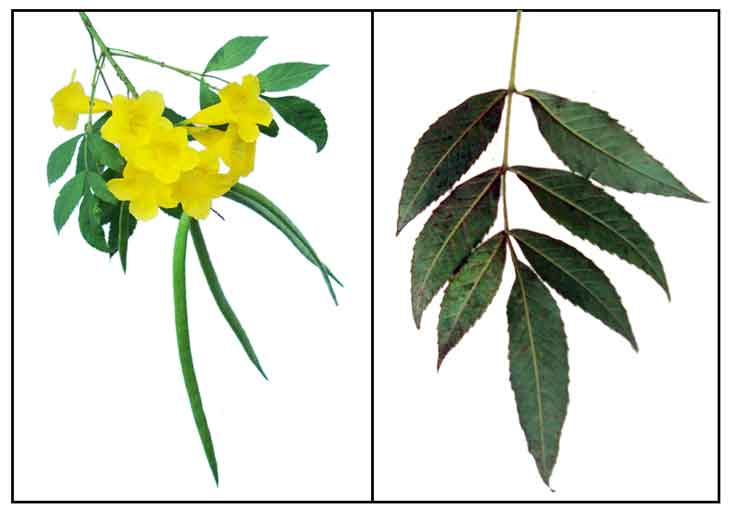
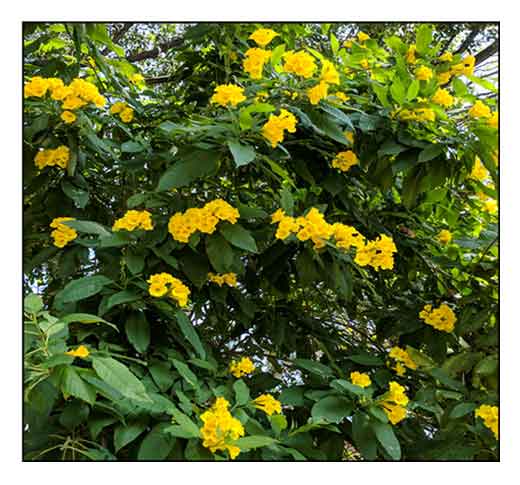
Yellow bell is an erect,
branched, sparingly hairy or nearly smooth shrub, about 2 to 4 meters
in height. Leaves are opposite, odd-pinnate, and up to 20 centimeters in length,
with 5 or 7 leaflets. Leaflets are lanceolate to oblong-lanceolate,
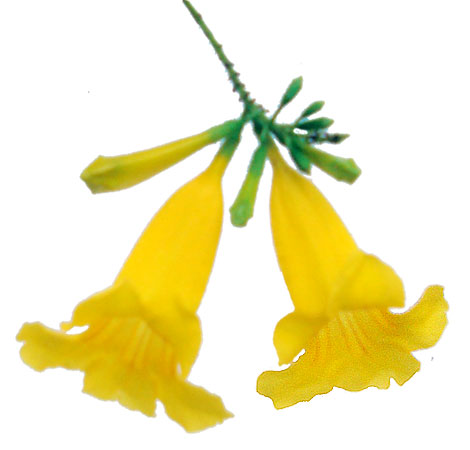
6 to 13 centimeters long, pointed at both ends, and toothed at the margins. Flowers
are yellow, faintly scented, borne in short, dense, terminal clusters.
Calyx is green, 5 to 7 millimeters long and 5-toothed. The capsules are linear,
compressed, 15 to 20 centimeters long, 6 to 8 millimeters wide, pointed and hanging from
the branches. Seeds are numerous, less than 2 centimeters long, 7 millimeters wide and
furnished with a transparent wing.
Distribution
- Widely distributed in cultivation, although scarcely naturalized in the Philippines.
- Native of tropical America.
- Planted as an ornamental throughout the tropics and subtropics.
- Considered an invasive in six South African provinces and neighboring countries. (32)
 Constituents Constituents
- Phytochemical analysis yielded tannin, flavonoids, phenol, alkaloids, steroids, anthraquinones and saponins in all solvent extracts.
- Isolated from the seed kernels: water,
fixed oil, ash, tannin, resin, a bitter principle and a tannoid. From
the leaves, water, ash, fat, resin and resinic acid. From the bark,
water, ash, curnarin, a little fat, resin.
- Plant yields monoterpene alkaloids.
- Air-dried flowers yielded a new fatty acid cinnamate ester and a mixture of stigmasterol and sitosterol in a ratio of 1:1.
- In India, a foliage study yielded 17% crude protein, 6% ash, 18% fat, 25% fiber, and 14% total polyphenols.
- Study for T. stans seeds for seed oil yielded an oil content of 15%. GC-MS analysis for fatty acids yielded α-linolenic acid (45.47%), oleic (25.56%), linoleic (11.48%), palmitic (6.09%), and stearic (4.12%) acids as major constituents. Total tocopherol content was 266.06 mg/100g, and main component was γ-tocopherol (78.79%). Total phenolic and total flavonoid content were 168.69 mg GAE/100 g oil and 5.54 mg CE/g oil, respectively. (26)
- Ethanol extract of flowers yielded alkaloids, glycosides, saponins, carbohydrates, tannins, phenolic compounds, steroids, and flavonoids. (see study below) (31)
- Study of different solvent extracts of heartwood yielded tannin, flavonoids, phenol, alkaloids, steroids, anthraquinones and saponins. (see study below) (36)
- Phytochemical screening of leaves for secondary metabolites yielded alkaloids, tannins, flavonoids, saponins, and cardiac glycosides. (see study below) (40)
- Study (1981) isolated a glucoside (5-deoxystansioside) along with plantarenaloside and stansioside. (41)
- Analysis of various extracts (aqueous/A; ethanol/E/ and n-hexane/H) yielded alkaloids, coumarins, flavonoids, sesquiterpene lactones, insaturaciones
(A, E), carbohydrates (A), saponins (E,H) and quinones (E). (42)
- Study of various extracts of dried leaves
yielded major alkaloids viz., tecomine, boschniakine and 5-hydoxyskitanthine, as well as two new alkaloids confirmed by GC-MS analysis. (48)
- Study of bark extract yielded phytosterols, triterpene, glycosides, phenols, flavonoids, saponins, and tannins. (see study below) (49)
- Study of flowers isolated 12 compounds, including one new compound tecomastane (1) and eleven known compounds, (3S,5R,6S,7E)-5,6-epoxy-3-hydroxy-7-megastigmane-9-one (2), bosciallin (3), chakyunglupulin B (4), (2S,6R)-2,6-dimethyloctane-1,8-diol (5), cleroindicin F (6), rengyoxide (7), 3,4-dihydroxybenzoic acid (8), methyl 3,4-dihydrobenzoate (9), 3,5-dihydroxybenzoic acid (10), luteolin (11), and indole-3-carboxylic acid (12). (see study below) (64)
- GC-MS study of flower extracts
and fractions yielded alkaloids (tecomine, tecostamine, and coumaroyl-spermidine analogs), O-glycosylated flavones and flavonols (O-glucuronyl O-methyl quercetin, O-hexosyl luteolin, and others), and phenylethanoid glycosides (dihydroxyphenyl ethyl O-caffeoyl O-deoxyhexosyl hexoside, hydroxyphenyl ethyl O-coumaroyl O-deoxyhexosyl hexoside and others). (see study below) (68)
- Study of T. stans for fatty acid profile showed PUFAs (polyunsaturated fatty acids) were predominant in the seed and leaf, except the flower, which showed higher amount of SFAs. The leaf exhibited highest content of linolenic acid. cis-11,14-Eicosadienoic acid was the major FA in leaf and seed. Another health beneficial n-6 FA in seed was cis-13,16-docosadienoic acid.
(71)
Properties
-
Considered diuretic, tonic, anti-syphilitic, and vermifuge.
- Studies have shown antiulcer, lipoxygenase inhibitory, genotoxic, antidiabetic, antimicrobial, antioxidant, nephroprotective, antifungal, CNS depressant, anticancer, antiobesity, lipid lowering, cardioprotective properties.
Toxicity concern
Although considered nontoxic, the honey from the flower is said to be toxic; however, milking animals remain unaffected. In Mexico, cattle and goats consume up to 20% of leaves, and 100% of available flowers with no toxicity reported (Susano Hernandez, 1981; Jimenez-Ferrer et al, 2007). (51)
Parts
utilized
Roots, leaves, bark, flowers.
Uses
Folkloric
- No reported folkloric medicinal use in the Philippines.
- Roots are reported to be diuretic,
tonic, anti-syphilitic and vermifuge.
- In Veracruz, decoction of flowers and bark are used for stomach pains.
- In Central America, used to treat diabetes.
- In Mexico, infusion of aerial parts used for treatment of diabetes mellitus. An herbal mixture of Tecoma stans with B. cavallinensii and Opuntia sp is available as a commercial preparation for treatment of DM. (36)
- Ground roots applied to snake bites; with lime juice drunk in small
amounts for the same.
- Flowers used as diuretic.
- In Bangladesh, leaves used for pain; also for piles.
- In traditional Mexican medicine, used for treatment of hyperglycemia, gastrointestinal and urinary tract infections, jaundice, toothaches, headaches, colds, skin infections, and scorpion, snake and rat bites.
(51)
Others
- Beer: In Guadalajara, roots used for making beer.
- Wood: Wood is hard and durable; used for making tools, cabinetry, light construction. Also used for firewood and making charcoal.
- Fodder: Low consumption of leaves as fodder is due to high content of alkaloids, which make the leaves slightly unpalatable. (51)
- Dye: Yields a natural dye. (see study below) (65)
Studies
• Lipoxygenase
Inhibitory Activity: Screening of 20 extracts
from different parts of 10 Malaysian plants belong to 4 families showed
the methanol extract of leaves and stems of Stenolobium stans had moderate
inhibitory activity against soybean 15-lipoxygenase.(1)
• Phytochemicals
/ Secondary Metabolites: Air-dried flowers of
Stenolobium stans yielded a new fatty acid cinnamate ester and a mixture
of stigmasterol and sitosterol in a 1:1 ratio. (2)
• Genotoxic / Cytotoxic Potential: Study evaluated aqueous and ethanolic extracts on bone marrow cells from BALB/c mice through mitotic index and chromosomal aberrations and cytotoxic effects on extracts of two MEF cell lines. the genotoxic potential of T. stans in in vivo and in vitro systems. There was no clastogenic effect. In vivo testing showed cytotoxic effects on mouse embryo in vitro, and suggests caution in the use of the substance as medicine. (5)
• Antiulcer: Study of ethanolic extract for antiulcer properties showed a reduction of gastric juice, pH, free acid ulcer score, and percentage of ulcer protection in pyloric ligated models. It was as effective as standard synthetic drugs like Ranitidine. Results showed a therapeutic potential for control of ulcer. (6) Study evaluated the gastroprotective effects of T. stans leaf extract against aspirin induced and pylorus ligation gastric ulcer models. Treatment reversed the biochemical markers of ulcer to near normal levels in a dose dependent manner. Activity may be attributed to polyphenolic compounds flavonoids and tannins. (33)
• Antidiabetic: Study of evaluated the antidiabetic mechanisms of Tecoma stans and Teucrium cubense. Results showed both exert their antidiabetic effects through stimulation of glucose uptake in both insulin-sensitive and insulin-resistant murine and human adipocytes without significant proadipogenic and antiadipogenic side effects. (7)
• Antimicrobial / Antioxidant: Study of methanol and ethanol extracts showed potent antimicrobial activity against E. coli, S. aureus, K. pneumonia, P. aeruginosa, P. fluorescens and moderate activity against Xanthomonas oryzae. All solvent extracts showed high activity against Aspergillus and Alternaria. Although the DPPH radical scavenging activity was less than ascorbic acid, results showed a proton donating ability and a potential to serve as free radical inhibitors or scavenging, acting possibly as primary antioxidants. (8)
• Nephroprotective / Gentamicin Induced Nephrotoxicity: Study an ethyl acetate floral extract showed an important role of reactive oxygen species and the relation to renal dysfunction and suggest a therapeutic potential of T. stans in gentamicin-induced nephrotoxicity. (9)
• CNS Depressant Activity: Study in albino mice evaluated the CNS depressant potential of different extracts of T. stans flowers by measuring pentobarbitone-induced sleeping time and locomotor activity. The methanolic extract exhibited the highest depressant activity. (10)
• Anti-Obesity / Hypolipidemic / Flowers: Study showed a methanol extract of flowers to possess significant anti-obesity and anti-hyperlipidemic effects in rats fed an atherogenic diet. (12)
• Anticancer / Flowers: Study evaluated the anticancer activity of a methanolic flower extract of T. stans in both in vitro and in vivo methods. In vitro antitumor activity was evaluated by MTT assay using Vero and HEP-2 cell lines. In vivo activity was evaluated using Ehrlich ascites carcinoma tumor model. Results showed the METS possess significant dose dependent antitumor activity. (13)
• Antispasmodic / Leaves: Study evaluated the effect of leaves extract on rat ileum contractility. Results showed antispasmodic effect without involvement of ß-adrenoceptors, opioid receptors, potassium channels and NO production. Results suggest involvement of calcium channels in the spasmolytic effect. (14)
• Antinociceptive / Anti-Inflammatory / Leaves / Flowers: Study showed an alcohol leaf extract of Tecoma stans to have excellent antinociceptive and anti-inflammatory activity, which may be due to its high phenolic and flavonoid content. (15) Study evaluated a methanolic crude extract of flowers for anti-nociceptive activity by acetic acid inducing writhing test and anti-inflammatory activity using carrageenan-induced rat paw edema testing. Results showed significant dose-dependent anti-nociceptive and anti-inflammatory activities comparable to indomethacin. Study suggests an important role of flavonoids via inhibition of prostaglandin synthesis. (25)
• Nephroprotective / Cisplatin, Gentamicin, and Paracetamol Induced Renal Damage: Study of an ethanolic extract of leaves showed significant inhibition of cisplatin, gentamicin, and paracetamol induced renal damage in rats, an effect attributed to its antioxidant properties. (16)
• Corrosion Resistance on Mild Steel: Study evaluated the inhibition potential of mild steel by T. stans leaves. Results showed the extract to be a potent inhibitor on mild steel in acid medium. Polarization studies showed the extract to be a mixed type inhibitor. (17)
• Anti-Diarrheal: Study evaluated acute toxicity and anti-diarrheal effect of an ethanolic flower extract of Tecoma stans using Wistar albino rats. Results showed a significant anti-diarrheal effect attributed to flavonoids and tannins. The LD50 was10,715 mg kg, indicating it is not dangerous to use, as suggests a potential herbal therapy for the treatment of diarrhea. (19)
• Lipid Lowering Effect: Study evaluated the lipid lowering effect of the hydroalcoholic flower extract of T. stans in triton and diet induced hyperlipidemic models of wistar albino rats. There was significant attenuation of elevated serum total cholesterol and triglycerides with an increase in HDL. The lipid lowering effect was attributed to the interference of cholesterol biosynthesis and utilization of lipids. (20)
• Cardioprotective / Flowers: Study evaluated the cardioprotective effect of a 70% ethanolic extract of flowers against isoproterenol-induced myocardial infarction in rat myocardium. Results showed the extract prevented a fall in antioxidants and retarded the elevation of cardiac damage markers in isoproterenol treated rats. Results were supported by histopathological findings. The cardioprotective effect was attributed to polyphenolics and phytofragments found in GC-MS analysis.(21)
• Antidiabetic / Stems: Study of T. stans stem extract in alloxan induced diabetic albino rats showed antidiabetic activity. Phytoanalysis yielded saponins, flavonoids, and monoterpenoid alkaloids (tecostanine and tecomine). The antidiabetic activity was similar to that of standard drug glibenclamide. In addition, there was reduction of triglycerides, cholesterol, and LDL. (22)
• Tecomine / Anti-Diabetic: Tecomine, an alkaloid with considerable hypoglycemic activity, was subjected to a stability study. Results showed pH dependent degradation of the alkaloid and that antioxidants are beneficial in delaying its deterioration. (23)
• Antioxidant / Antibacterial / Leaves: Study evaluated methanol, EtOAc and CHCl3 extracts of leaves and branches of T. stans for antibacterial and antioxidant potential. The extracts exhibited significant activity against the test bacteria i.e., B. subtilis, M. luteus, S. lutea, S. aureus, E. coli, S. marcescens, S. typhi. P. vulgaris and P. aeruginosa. The ME showed highest total phenolics (50.3 ± 3.0 mg GAE/g extract) and flavonoids (40.66 ± 5.03 mg catechin equivalents/g extract. An EtOAc fraction of leaves and branches showed highest antioxidant activity (%) with 83.4 ± 0.31 and 82.06 ± 0.54 %, respectively. (27)
• Hepatoprotective / Flowers: Study of ethanolic extract of flowers of T. stans showed dose dependent hepatoprotective activity against liver injury induced by CCl4, paracetamol and thioacetamide and chronic liver damage induced by carbon tetrachloride in rats. (28)
• Trypsin Inhibitor
/ Antifungal / Leaves: Previous studies have reported on the antifungal activity of T. stans and the presence of trypsin inhibitor activity from its leaves. This study characterized the trypsin inhibitor (TesTI) and investigated it for antifungal activity. MIC show the TesTI was more effective in inhibiting replication of C. albicans cells. TesTI promoted reduction of ATP levels and lipid peroxidation in Candida cells. Results showed TesTI has antifungal activity against C. albicans and C. krusei, without toxicity to human cells. (29)
• Antibacterial / Antifungal: Study evaluated three plants traditionally used for medicinal purposes in Pakistan viz., Artemisia indica, Medicago flacata, and Tecoma stans against selected bacteria and fungi. Chloroform, butanol, and EA extracts of the plants showed high inhibitory activity against E. coli, P. aerugnosa and S. aureus. The n-hexane extract of T. stans completely inhibited Fusarium solani, while the EA extract showed excellent activity against Aspergillus niger. (30)
• Antimicrobial / Flowers / Heartwood: Study of ethanol extract of flowers of T. stans showed broad spectrum antimicrobial activity against pathogenic gram-positive and gram-negative test bacteria viz., S. aureus, E. faecalis, B. subtilis, B. megaterium, S. mutans, E. coli, K pneumonia, P. aeruginosa, and P. vulgaris. (see constituents above) (31) Study evaluated various extracts of heartwood of Tecoma stans for antimicrobial activity. Ethanolic and methanolic extracts showed strong antimicrobial activity compared to a water extract. (see constituents above) (36)
• Antioxidant / Aerial Parts: Study evaluated the antioxidant activity of various extracts of aerial parts of T. stans using DPPH and NO as scavenging reagents. All extracts showed significant antioxidant activity, which was higher in the ethanol than the methanol and acetone extract. (34)
• Chrysoeriol / Polyphenols / Lipase Inhibitory Activity: Study evaluated and characterized a hydroalcoholic extract and fractions for lipase inhibitory activity. Bio-guided purification of the extract produced fractions and isolated compounds viz., chrysoeriol, apigenin, luteolin, and verbascoside, with the ability to inhibit the activity of pancreatic lipase. Most active fractions were a mixture of Chrysoeriol and Apigenin, 96%/4%, respectively. The mixture showed a percentage inhibition of 85% at 0.25 mg/mL. Luteolin and chrysoeriol produced a noncompetitive and mixed inhibition with IC50s of 63 and 158 µM, respectively. Both flavones showed highest inhibition of lipase enzyme in a concentration dependent manner. The results suggest potential for a novel phytopharmaceutical drug (luteolin, chrysoeriol, and apigenin) as auxillary treatment of type 2 diabetes mellitus. (38)
- Antioxidant / Cytotoxicity Against
Lung Cancer Cell Line: Study evaluated T. stans extracts for antioxidant and cytotoxic activity against lung cancer cell line in comparison with vincristine drug. On DPPH assay, a ME showed better antioxidant activity than standard L-ascrobic acid. Cytotoxic activity on MTT assay showed concentration related increase in cell death at 100 µg/mL concentration, there was an increase in cytotoxic activity too 99% cell inhibition. (39)
• Insecticidal / Repellent / Antifeedant / Leaves: Study of crude extracts and fractions of fresh powdered leaves showed antifeedant, repellent, and insecticidal activities. (see constituents above) (40)
• Antifungal
Phytopathogens / Oleanolic Acid / Leaves: Study investigated the potential of T. stans as plant-derived fungicide. Bioassay guided fractionation of a dichlormethane (DCM) extract of leaves isolated and characterized oleanolic acid (OA). The DCM extract and OA were active against 10 tested plant fungal pathogens with average MIC of 130 µg/mL. The DCM and OA were toxic to Vero cells with LC50 of 0.413 mg/mL and 0.129 mg/mL, respectively, compared to berberine with LC50 of 15.48 µg/mL. Results suggest a potential for a commercial product for controlling plant fungal pathogens. (43)
• Anti-Arthritic / Leaves: Study of methanol and water extracts of T. stans leaves showed significant antiarthritic activity using Diclofenac as standard in in-vitro models of protein denaturation and membrane stabilization effects. (44)
• Antimicrobial / Corrosion Inhibition / Rutin / Flowers: Study of air-dried flowers of Nerium oleander and Tecoma stans yielded pigments myricetin and rutin, respectively. The EA fraction of flowers of both plants were highly sensitive to S. aureus, S. albus, Klebsiella sp, moderately sensitive to Pseudomonas and Proteus sp, active against fungi C. albicans and A. niger. The extracts also showed corrosion inhibition on mild steel and aluminum, with percentage of inhibition increasing with increase in volume and concentration of the extracts. (45)
• Glucosidase and Lipase Inhibitory Activities: Study evaluated the inhibitory effects on glucosidase and lipase enzymes of 23 medicinal plants used as traditional treatments for diabetes in Mexico. Sixty percent of all tested extracts inhibited more than 25% of α-glucosidase activity. On lipase activity, L. octovalvis and Tecoma stans showed highest inhibition at 31.4%/IC50=288 µg/mL and 27.2%/IC50=320 µg/mL, respectively. (46)
• Cytotoxicity / Anti-Inflammatory / Flowers: Study evaluated various extracts for cytotoxicity activity by brine shrimp lethality assay and anti-inflammatory activity by egg albumin method. Results showed moderate cytotoxicity against brine shrimp (LC50 285.71µg/mL and significant protection against heat induced protein denaturation at concentration of 500 µg/ml. (47)
• Wound Healing / Bark: Study evaluated various extracts of T. stans bark for wound healing potential in incision and excision wound models in albino rats. A methanol extract showed significant increase in wound contraction and formation of scar in the excision wound model. Extract showed significant increase in breaking strength of resutured incision wound. The methanolic extract showed better wound healing properties than the PE and chloroform extracts in both wound models. Activity was attributed to the antimicrobial effects of T. stans. Phytoconstituents, either individually or in synergism, may be contributed to the wound healing. (see constituents above) (49)
• Male Fertility Effects / Leaves: Study investigated the effect of 50% ethanol extract of leaves in adult Wistar male rats. Hormonal assay showed a decrease in testosterone level, significant reduction in epididymal sperm count, motility and fertility test (%), along with histopathological evidence of marked degenerative changes in the testes. There was also reduction i size of the seminiferous tubules, vacuolization in Sertoli cells, spermatogonia, and atrophy of Leydig cells. (50)
• Anti-Oral Pathogens / Essential Oil of Flowers: Study evaluated the antimicrobial activity of volatile oils from flowers of Tecoma stans and Cassia javanica against specific oral pathogens in comparison to chlorhexidine. GC-MS analysis yielded 32 and 29 compounds, representing 100% of volatile constituents of T, stans and C. javanica, respectively. Chlorhexidine exerted stronger activity than tested plants against all microorganisms. While C. javanica flower extract was more active, effect on Streptococcus mutans showed 100% inhibition at 25 µg/mL and 12.5 µg/mL of T. stans and C. javanica, respectively. Both plants can be potential alternatives to chlorhexidine and as constituents in toothpastes and mouthwashes as antioral pathogen preparations. (52)
• Anti-Inflammatory / S. ferruginea Parasitizing on T. stans: Study evaluated the anti-inflammatory activity and mechanism of Scurrula ferruginea (Dedalu or dian nan ji sheng) parasitizing on Tecoma stans. Results showed the aqueous extract of freeze-dried S. ferruginea stem sample concentration-dependently inhibited IL-1ß protein production along with down regulation of iNOS and IL-1ß mRNA expression. It also significantly suppressed protein release of IL-6 and IL-10 in a concentration-dependent manner. The anti-inflammatory capability was attributed to inhibition of iNOS and IL-1ß mRNA expression, NO creation, IL-1ß, IL-6, IL-10, and TNF-α protein production. (53)
• Antioxidant / Toxicity Evaluation / Leaves: Study evaluated antioxidant activity, heavy metal analysis, acute and subchronic toxicity of hydroethanolic leaf extract. Phytochemical screening of raw yield yielded coumarins, saponins, cardiac glycosides, and flavonoids. On DPPH percentage scavenging activity, the crude extract was 64.32%, ethyl acetate fraction 55.26%, methanol 60.72%, and hydroethanolic extract 36.97%. UV-Vis and FTIR indicated presence of alcohols, phenols, alkanes, alkenes, carbonyls (general), alipathic amines, aromatics, ketones, ethers, esters, carboxylic acids, alkyl halides, saturated aliphatic acids, 1° and 2° amines, amides, and α,ß-unsaturated aldehydes. Heavy metal analysis showed high level of iron (Fe) and zinc (Zn) in the raw leaf. Acute toxicity study showed LD50 was <5000 mg/kbw in mice. Subchronic toxicity study resulted in significant weight gain, reduction in platelets, decreased WBC, and increase in blood glucose. There was no mortality nor adverse effects on vital organs. Results suggest the hydroethanolic extract can be considered safe in moderate doses. . (54)
• Anticancer / Breast Cancer Cell Line / Leaves: Study evaluated a crude ethanolic leaf extract of T. stans leaves for in vitro anticancer activity against MCF-7 cancer cell line by MTT assay. Results showed significant antiproliferative activity in a dose dependent manner. Minimum inhibition was shown at 7.8 µg/mL concentration and maximum inhibition of 95.9% at 1000 µg/mL. (55)
• Mechanisms in Diabetes-Associated Complications / Review: Study explores and proposes mechanism of action of T. stans in diabetic complications which includes reduction in oxidative stress, inflammation, angiogenesis, lipid profile correction and direct anti-glycemic effects. T. stans has potential for α-glucosidase inhibition. Study proposes a mechanism for use in diabetic complications of diabetic nephropathy and retinopathy. (56)
• Effect of Herbal Mixture on Metabolic Profile in T2DM / Clinical Trial: A randomized, double-blind, placebo-controlled trial evaluated the effect of a herbarium mixture of Guazuma ulmifolia and Tecoma stans on metabolic profile in patients with type 2 diabetes mellitus (T2DM). The herbarium mixture group showed decreased waist circumference, fasting glucose, and HbA1c. Results showed the herbarium mixture of T. stans and G. ulmifolia improved the glycemic profile in patients with T2DM. (57)
• Neuroprotective in Diabetic Neuropathy / Leaves: Study evaluated Tecoma stans methanolic extract of leaves for neuroprotective effect in STZ-induced diabetic animal model. Gabapentin was used as standard drug. Results showed the leaves of T. stans possess antidiabetic effects along with promising effects in the management of diabetic neuropathy by producing significant antoxidative, antiangiogenic, and anti-inflammatory properties, which are prognostic markers for DN. Tecomas stans can be considered a therapeutic option for diabetic neuropathy. (58)
• Hepatoprotective / CCl4 and Thioacetamide Injury / Leaves: Study evaluated the hepatoprotective activity of ethanolic leaf extract of T. stans against CCl4 and thioacetamide induced liver injury in rats. Results showed all the elevated biochemical markers, liver weight and volume, lipid peroxidation (LPO) of hepatic injury and reduced glutathione (GSH) were returned to near normal levels by pretreatment in both models. The antioxidant and hepatoprotective effects may be attributed to the phenol and flavonoid contents of the plant. (59)
• Effect in Metabolic Syndrome: Study evaluated the effects of T. stans on a hypercaloric diet-induced metabolic syndrome model in mice using an organic fraction from a hydroalcoholic extract and four subfractions. Treatment with T. stans resulted in improvements in triglycerides, systolic blood pressure, and insulin resistance. The organic fraction and hydroalcoholic extract produced better response in diastolic blood pressure. Major constituents in the subfractions were luteolin, apigenin, and chrysoeriol. Results showed T. stans, particularly a luteolin-rich organic fraction, achieved improvement in metabolic syndrome. (60)
• Alkaloid Profile / Antimicrobial Activity / Leaves: Study evaluated the antibacterial and antifungal potentials of T. stans methanolic leaf extract and its correlated phytoconstituents. The TSME showed significant antibacterial effect against all tested microorganisms with comparable MICs to ampicillin and gentamicin between 0.98 and 1.95 µg/mL. Promising antifungal effect when compared to amphotericin with MICs of 3.9 and 15.63 µg/mL for Aspergillus flavus and Candida albicans, respectively. Several alkaloids were identified: tecostanine, 4-OH tecomanine, 5-hydroxyskytanthine, and tecomanine. The alkaloids were shown to bind in a similar fashion to co-crystallized ligands of MurD ligase. In-silico results suggest an antibacterial mechanism that involves inhibition of MurD ligase. (61)
• Cytotoxicity / Antioxidant / Pericarp: Study evaluated hexane (HE) and methanol (ME) extracts of T. stans pericarp for antioxidant and cytotoxicity properties. HE yielded major compounds of methyl linolenate, methyl linoleate, and methyl palmitate, while ME yielded methyl hexacosanate as main component. The extracts showed significant antioxidant potential by DPPH assay. In Artemia salina larvae bioassay, both HE and ME were considered toxic. (62)
• Anti-Inflammatory / vs Ibuprofen / Leaf, Bark, Flowers: Study evaluated the potential anti-inflammatory activity of leaf, bark and flowers of T. stans at various concentrations from 100-500 µg/ml and compared with ibuprofen. All three plant parts showed anti-inflammatory activity in a dose-dependent manner, with the leaf and flower extracts showing 100% anti-inflammatory potential than standard drug ibuprofen. (63)
• Tecomastane / New Megastigmane: Study of flowers isolated 12 compounds, including one new compound tecomastane (1) and eleven known compounds. Compounds 1-7 and 10-12 were evaluated for alpha-glucosidase inhibition and antimicrobial activity against antibiotic-resistant, pathogenic bacteria Enterococcus faecium, Staphylococcus aureus, and Acinetobacter baumannii. (see constituents above) (64)
• Natural Dyes from Flowers: Synthetic dyes with wide commercial usage can cause severe atmospheric and environmental pollution. Study evaluated dyeing with natural dye from flowers of Tecoma stans. Scoured cotton fabric was dyed with chemical and natural mordants. The dye sample showed good washing light and rubbing fastness properties. (65)
• Antiurolithiatic / Flowers: Study evaluated the antiurolithiatic activity of T. stans flowers aqueous and methanolic extracts on experimentally induced urolithiatic rats induced with ethylene glycol (0.75% v/v). Treatment significantly lowered the levels of oxalate, calcium, and phosphate in urine and also significantly reduced their retention in kidney, along with significant lowering of serum levels of BUN, creatinine, and uric acid. (66)
• Immunomodulatory / Leaves: Study evaluated the immunomodulatory activity of methanolic leaves extract of T. stans. The extract showed ability to act as free radical scavengers in DPPH and FRAP assays, ability to prevent lipid peroxidation in H2O2 scavenging activity and stimulate phagocytic activity in leucocytes in Nitroblue tetrazolium test. Results suggest the extract possess immunomodulatory activity. (67)
• Antibacterial / Antioxidant / Synergism with Antibiotics
/ Flowers: Study evaluated the antibacterial, antioxidant, and synergistic potential of ethanol extract and fractions from T. stans flowers. EE, DCM, and EA fractions showed potential results against E. coli, E. coli EHEC, and Enterococcus faecalis. The EE with DCM and EA fractions exhibited antioxidant effects and highest levels of phenolic compounds. The EE, DCM, and EA fractions interacted synergistically with amoxicillin and tetracycline decreasing the MIC of antibiotics 2-5 fold compared with MIC of antibiotics used alone. (see constituents above) (68)
• Silver Nanoparticles / Anticancer
/ Flower and Leaf: Study reports on the eco-friendly and green synthesis of silver nanoparticles using flower and leaf extracts of T. stans. The synthesized NPs showed cytotoxical and wound healing properties on colorectal cancer cell lines. Results suggest potential use as novel medicine in chemotherapy. (69)
• Anti-Amnesic Effect / Leaves: Study evaluated a methanolic leaf extract of T. stans for anti-amnesic activity in rodent models. GC-MS analysis yielded alkaloids, flavonoids, phenolics, terpenoids, tannins, sterols, saponins, glycosides, amino acids and carbohydrates. Toxicity study showed the extract to be safe up to 2000 ng/kbw as per OECD guidelines 425. METS exhibited noteworthy enhancement in intellectual diminishing in diazepam and aluminium induced amnesic models and decreased brain
AChE and oxidant enzyme factors like TBARS, GSH, and SOD levels and moderate9 inhibitory activities in ChE's assay. Results show T. stans possess
anti-amnesic activity. (70)
• Silver Nanoparticles / Photodynamic Cytotoxic and Antibacterial Activity: Study evaluated the antioxidant, photodynamic, anticancer, and antibacterial potential of plant extracts and silver nanoparticles synthesized from dried powder of Tecoma stans and Narcissus tazetta. The application of extract and AgNPs to rhambomyosarcoma cell line showed a decreased cell viability. Both plant extracts and NPs showed significant effect against methicillin resistant S. aureus (MRSA) with MIC of the AgNPs lower than the extracts. The AgNPs have an enhancing effect on the photodynamic cytotoxic potential of the plant extracts. (72)
• Cellulosic Fiber from Bark: Study evaluated the chemical, physical, mechanical, and thermal properties of novel cellulosic fiber extract from bark of Tecoma stans tree. Higher cellulose and lower was content in the TSF make it stronger with better interfacial adhesion. Tensile strength and Young's modulus of TSF were found comparatively higher than other natural fibers. The TS fiber showed existence of cellular structures with some serrations, which make the surface rougher with better adherence with polymer matrix. (73)
Availability
- Wild-crafted.
-
Ornamental cultivation.
- Seeds in the cybermarket. |





_32.jpg)