|
Gen info
- Euphorbia is the largest genus of the family Euphorbiaceae with about 1600 species. All species of Euphorbia exude a milky juice when broken, and Euphorbia hirta's local name "gatas-gatas" derives from this.
- Etymology: The genus name Euphorbia honors Euphorbus, a Greek physician to King Juba of Mauritania. The specific epithet hirta derives from Latin, meaning 'hairy', referring to the hairy stems.
Botany
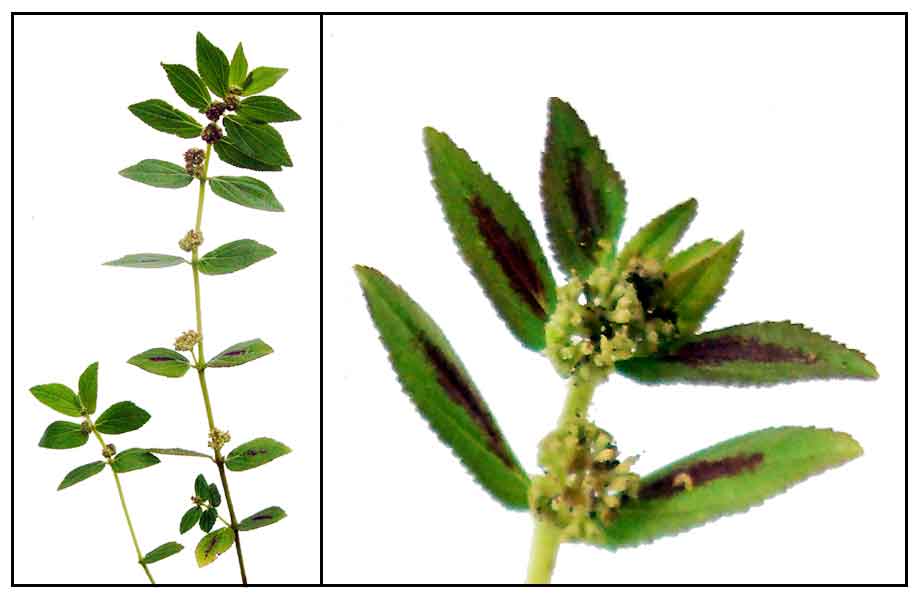
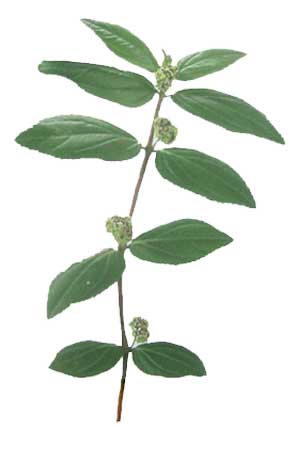
• Gatas-gatas is a slender-stemmed,
annual hairy plant with many branches from the base to the top,
the branches simple or forked and ascending or spreading, up to 40 centimeters tall, reddish or purplish in color. Leaves
are opposite, elliptic-oblong to oblong-lanceolate, distichous,
1 to 2.5 centimeters long, usually blotched with purple in the middle, toothed
at the margin. Involucres are numerous, purplish to greenish in color,
borne in dense, axillary, stalkless or short-stalked clusters or crowded cymes, about
1 millimeter in length. Capsules are broadly ovoid, hairy, three-angled,
about 1.5 millimeters long.
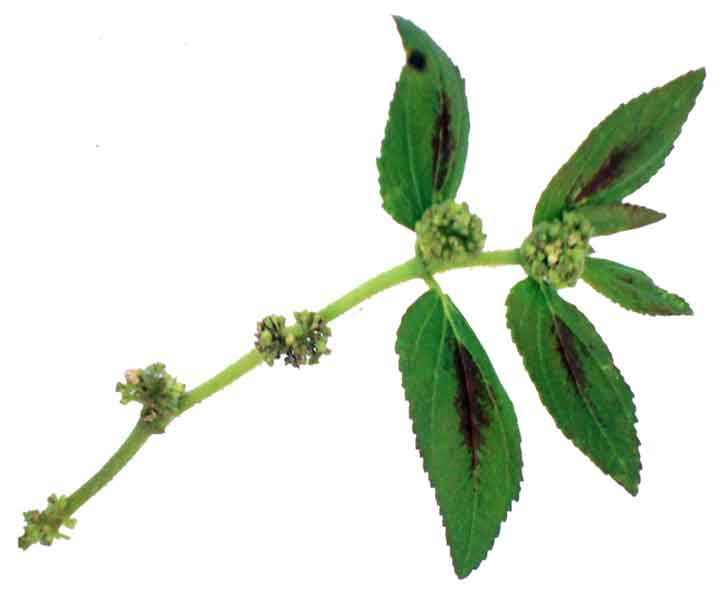
 • Herbs, annual or perennial, with slender to thickened taproot. Stems usually erect to ascending, rarely prostrate or decumbent, 10–50(–75) cm, usually both strigillose and hirsute. Leaves opposite; stipules usually distinct, rarely connate at base, undivided or divided into 2–4 narrowly deltate to linear-subulate segments, 0.5–1.8(–2.9) mm, pilose, often with light-colored, minute circular glands at base; petiole 1–3 mm, usually both strigillose and hirsute; blade ovate to rhombic, 7–43 × 3–18 mm, base strongly asymmetric, one side rounded or slightly cordate to truncate, the other cuneate to attenuate, margins serrulate to double serrulate, apex acute, surfaces often with red spot in center, usually strigose to hirtellous, rarely glabrescent; 3–5-veined from base. Cyathia in dense, axillary and terminal, capitate glomerules, with reduced, bractlike leaves subtending cyathia, axillary glomerules either sessile or at tips of elongated, leafless stalks; peduncle 0.4–2.1 mm. Involucre obconic, 0.6–1.2 × 0.4–0.9 mm, strigillose; glands 4, greenish to pink, circular, oblong, or reniform, 0.1–0.2 × 0.1–0.2 mm; appendages white to pink, flabellate, subcircular, or transversely oblong, rarely absent, (0–)0.1–0.6 × (0–)0.1–0.7 mm, distal margin usually entire, rarely slightly lobed. Staminate flowers 2–8. Pistillate flowers: ovary strigillose, often canescent when young; styles 0.2–0.6 mm, 2-fid 1/2 length. Capsules subglobose to slightly oblate, 1–1.3 × 1.1–1.6 mm, strigillose; columella 0.7–1 mm. Seeds brownish red to orange or pink, narrowly ovoid, 4-angled in cross section, 0.7–0.9 × 0.5–0.7 mm, usually rugulose or with 3–6 low transverse ridges, rarely nearly smooth. (Flora of North America) • Herbs, annual or perennial, with slender to thickened taproot. Stems usually erect to ascending, rarely prostrate or decumbent, 10–50(–75) cm, usually both strigillose and hirsute. Leaves opposite; stipules usually distinct, rarely connate at base, undivided or divided into 2–4 narrowly deltate to linear-subulate segments, 0.5–1.8(–2.9) mm, pilose, often with light-colored, minute circular glands at base; petiole 1–3 mm, usually both strigillose and hirsute; blade ovate to rhombic, 7–43 × 3–18 mm, base strongly asymmetric, one side rounded or slightly cordate to truncate, the other cuneate to attenuate, margins serrulate to double serrulate, apex acute, surfaces often with red spot in center, usually strigose to hirtellous, rarely glabrescent; 3–5-veined from base. Cyathia in dense, axillary and terminal, capitate glomerules, with reduced, bractlike leaves subtending cyathia, axillary glomerules either sessile or at tips of elongated, leafless stalks; peduncle 0.4–2.1 mm. Involucre obconic, 0.6–1.2 × 0.4–0.9 mm, strigillose; glands 4, greenish to pink, circular, oblong, or reniform, 0.1–0.2 × 0.1–0.2 mm; appendages white to pink, flabellate, subcircular, or transversely oblong, rarely absent, (0–)0.1–0.6 × (0–)0.1–0.7 mm, distal margin usually entire, rarely slightly lobed. Staminate flowers 2–8. Pistillate flowers: ovary strigillose, often canescent when young; styles 0.2–0.6 mm, 2-fid 1/2 length. Capsules subglobose to slightly oblate, 1–1.3 × 1.1–1.6 mm, strigillose; columella 0.7–1 mm. Seeds brownish red to orange or pink, narrowly ovoid, 4-angled in cross section, 0.7–0.9 × 0.5–0.7 mm, usually rugulose or with 3–6 low transverse ridges, rarely nearly smooth. (Flora of North America)
Distribution
- Naturalized.
-
Abundant throughout the Philippines, in waste
places, open grasslands, etc; usually abundant.
- Native range is Tropical & Subtropical America.
- Pantropic.
- A widespread weed in some places.
 Constituents Constituents
- Studies have isolated gallic acid, quercetin, triacontane,
cetyl alcohol, phytosterol, phytosterolin (phytosterol glucoside); jambulol, melissic, and a mixture of acids consisting chiefly of palmitic,
oleic, and linoleic acid.
- Phytochemicals screenings have yielded alkaloids, essential oil, phenols, sterol, flavones
and fatty acids.
- Yields flavonoids: euphorbianin, leucocyanidol, camphor, quercitrin and quercitrol.
- Study has suggested that some of the constituents of the plant are similar to those of the jambul (Syzygium cumini) seeds.
- Dried leaves yielded a moisture content of 9.70%, protein 13.5% ±0.15, fat 1.13% ±0.06, ash 3.13% ±0.06, crude fiber 3.57% ±0.06, and carbohydrate 69.5% ±0.20. Vitamin content showed ascorbic acid 26.1 mg/100g, thiamine 0.60, riboflavin 1.20, and niacin 0.70. (37)
- Phytochemical screening of extracts yielded the presence of carbohydrates, lipids, proteins, flavonoids, alkaloids, saponins resins, steroids, acidic compounds, tannins, glycosides, phenols and terpenoids. (see study below) (45)
- Study of aerial parts (leaves and stems) revealed saponin, sterol, terpene, alkaloids, polyphenols, tannins, flavonoids and especially mucllage. Physiochemical study yielded a moisture content of 7.73% ± 0.00%, total ash 7.48% ± 0.03%, sulfuric ash 9.05% ± 0.01%, hydrochloric acid insoluble ash of 0.8% ± 0.02%.
Mineral analysis yielded magnesium, potassium, calcium, zinc, and traces of chrome. (55)
- Ethanolic and methanolic extracts of powdered leaf yielded
proteins, fats and oils, gums and mucilages as primary metabolites, and alkaloids, flavonoids, terpenoids, tannin, phenol, steroid, glycoside, saponin, and coumarin as secondary metabolites. An aqueous extract yielded carbohydrates, proteins, amino acid, tannin, phenol, steroid, saponin and anthraquinone, with absence of alkaloids, flavonoids, terpenoids, glycosides, fats and oil, coumarin, gums and mucilages. (69)
- Phytochemical screening of leaf extract
yielded 9,12,15-octadecatrien-1-ol, pentadecylic acid, ethyl linoleate, 1,2,3-trihydroxy benzene, gamma-tocopherol, 5-hydroxymethyl-2-furancarboxaldehyde, myristic acid, 7,10-octadecadienoic acid methyl ester, phytol, ethyl palmitate, and squalene. (see study below) (82)
Properties
- Considered anti-asthmatic,
antibacterial, antidote, antifertility, antifungal, antimalarial, anti-spasmodic, anthelmintic, antidysenteric, diuretic, expectorant, pectoral, hemostatic, sedative, soporific.
- Studies have suggested antibacterial, antidiabetic, hypolipidmic, anti-inflammatory, anti-asthmatic, diuretic, anthelmintic, antiallergic, antihypertensive, antidiarrheal, galactogenic, anxiolytic, sedative, antitumor, molluscicidal, antimalarial, antioxidant, immunomodulatory, antidengue, antiviral, platelet increasing, antiarthritic, cardioprotective, anti-biofilm, antipsoriasis, wound healing, anti-anaphylactic, anti-dengue properties.
Parts used
Entire plant, latex, leaves, roots.
Uses
Folkloric
- Called gatas-gatas because
of the healing property of the milky juice.
- In the Philippines, leaves are mixed with Datura metel leaves and flowers in the preparation of "asthma-cigarettes."
- Latex is prescribed for asthma.
- Entire plant prescribed as an antidote; considered hemostatic, sedative, and soporific.
- Decoction used to allay the dyspnea of asthmatics.
- Fluid extract of tincture is used in asthma, chronic bronchitis, and emphysema, also in pulmonary cardiac disease and angina pectoris.
- Used for acute and chronic dysentery.
- Tincture is used as anthelmintic. Also used for ringworm.
- Juice used for colic.
- Juice used as ophthalmic drops for conjunctivitis or ulceration of the
cornea. Stem sap used in the treatment of styes.
- Leaf poultice used for swellings and boils.
- Infusion or tea of the plant, 4 glasses daily, for bronchitis and labored
breathing, asthma, chronic dysentery.
- Used for boils and wounds.
- Decoction of dry plant used for skin disease.
- Decoction of fresh plant used as gargle for the treatment of thrush.
- Decoction of the root used to allay vomiting, chronic diarrheas, and
fevers.
- Root decoction also beneficial for nursing mothers deficient in milk:
4-5 glasses of tea.
- The same root decoction as an enema for constipation.
- Root used for snake bites.
- Used in sores, wounds, boils. As ear drop for pustular swellings in
the ear.
- Leaves are mixed with Datura metel leaves and flowers to make the "asthma-cigarette."
- Superficial bleeding: Crush leaves and apply on affected part, as local
hemostatic.
- White latex used as eye drops for conjunctivitis. Paste of leaves applied to scorpion bites. Latex applied to swelling, piles, and boils. (30)
- In Australia and elsewhere, used for asthma and pectoral complains.
- In Brazil, decoction used for gonorrhea and asthma.
- In Africa and Australia,
used to treat hypertension and edema.
- In India, used
for treatment of syphilis; sap applied to warts. Also for affections of children, especially bowel and chest complaints. The milky juice is dropped into eyes for conjunctivitis and corneal ulcerations.
- Plant decoction: 25 gms of the whole plant to a pint of boiling
water; boil for 3-4 minutes; drink 3-5 glasses a day. Externally as
needed.
- In traditional Indian medicinal systems, leaves used in the treatment of coryza, cough, asthma, bronchial infections, bowel complaints, helmintic infestations, wounds, kidney stones and abscesses.
- Santals use the root to allay vomiting; also, used by nursing mothers with deficient milk supply.
- In the Gold Coast, ground and mixed with water and used as an enema for constipation.
- In La Reunion, used as astringent in chronic diarrheas and dysentery.
- Roots used for intermittent fevers.
- In Nigeria, used for the treatment of Jedi Jedi, an infection that afflicts newborns (1-6 months), manifesting as pimples on the skin. (see study below) (70)
- In Myanmar, whole plant decoction given for asthma and bronchitis. Eaten by mothers to promote lactation. Juice from crush parts of stem, leaf, flower, root and fruit used to treat fatigue in asthmatics; also used for vomiting of blood, loose stools, and chest pains. Sap applied topically to pimples and scabies. Leaves applied to ringworm, scabies, and itching. Sugared leeaf decoction used to alleviate bleeding dysentery. (83)
Recent
interests from the folk medicine grapevine on Dengue
- Dengue and anecdotal reports of "cures" from the use of tawa-tawa has created a flurry of queries, web blogs, and sustained media interest.
- Suggested Tea preparations:
(1) -
Take 5 to 6 full whole Tawa Tawa plants
- Cut off the roots; wash and clean
- Fill a boiling pot with clean water
- Boil the Tawa Tawa for 1 (one) minute in a slow rolling boil; cool
- Let the dengue fever victim drink only the Tawa Tawa water for 24 hours
- Sip 1 to 1.5 glasses of Tawa Tawa water every hour.
(2) -
Cut roots off 5 to 6 gatas-gatas plants.
-
Rinse. Put the tawa-tawa into a pot of boiling water for one minute.
-
Cool. Drink the decoction, 1 to 1 1/2 glasses, every hour for 24 hours.
(Also see: Papaya)
(3) - Prepare 100 grams of fresh whole plant including roots.
- Wash and boil in 500 cc of water for 15 minutes. Cool and paper-filtrate.
- Drink a glassful of decoction every hour until fever subsides.
Studies
• Anti-Diabetic / Lipid Effect: Study of ethanolic extracts of leaf, flower and stem on streptozotocin-induced diabetic mice showed significant reduction in blood glucose levels. Biochemical effects showed significant decreases in serum cholesterol with elevation of HDL. Results showed EH has antidiabetic action and suggests further study for isolation of responsible compound. (15) Study of crude methanol extract of whole plant showed significant (p<0.05) reduction in blood glucose levels in streptozotocin-induced diabetic rats. (77)
• Antibacterial:
Antibacterial
Activities And Toxicological Potentials Of Crude Ethanolic Extracts
Of Euphorbia hirta: The study showed the ethanolic
extract to inhibit the growth of test isolates except Salmonella typhi.
The antibacterial effect was attributed to the presence of alkaloids,
tannins and flavonoids which have been shown to have antibacterial properties.
The results support its use in traditional medicine. (2)
• Antibacterial: Study on the antibacterial effect of compounds extracted from C sinensis and the methanol extract of E hirta against dysentery causing Shigella spp showed the extracts to be non-cytotoxic and effective antibacterial agents.
• Antibacterial: Methanolic extract inhibited the growth of S. aureus, E. coli, and B. subtilis. Phytochemical screening yielded terpenes, tannins, alkaloids and flavonoids.
• Diuretic: Euphorbia
hirta leaf extracts increase urine output and electrolytes in rats:
Study suggests that the active components in the water extract of E.
hirta leaf had similar diuretic effect as that of acetazolamide. The
results validate its traditional use as a diuretic by the Swahilis and Sukumas. (3)
• Anti-Allergic: Inhibition
of early and late phase allergic reactions by Euphorbia hirta L:
Study demonstrated that E. hirta possessed significant activity to prevent
early and late phase allergic reactions. (4)
• Anthelmintic: Anthelmintic
efficacy of the aqueous crude extract of Euphorbia hirta Linn in Nigerian
dogs: Extract of E. hirta Study reduced the fecal egg count of the helminths
and suggests a potential as an anthelmintic agent. (5)
• Antihypertensive / ACE Inhibition:
Angiotensin converting enzyme inhibiting
and anti-dipsogenic activities of Euphorbia hirta extracts:
Study showed the extract from leaves and stems inhibited the activity
of angiotensin-converting enzyme (ACE). (6)
• Anxiolytic / Sedative:
Euphorbia hirta showed an activity profile different from that of benzodiazepines.
Study showed a central depressant and sedating effect with no hypnotic
or neuroleptic effects. (7)
• Anxiolytic / Sedative: Study validated the traditional use of E. hirta as a sedative with anxiolytic properties.
• Antidiarrheal: Study investigated the antidiarrheal
activity of Euphorbia hirta extract. An active flavonoid
constituent, quercitin, was isolated and showed anti-diarrheic activity. (9)
• Antibacterial / Antifungal: The ethanol extract was analyzed for antimicrobial activity against S aureus, B cereus, S typhi, K pneumonia, P aeruginosa and fungus species A niger, A fumigatus, A flavus and R oryzae. Study of leaves isolated tannins, flavonoids, alklaloids, glycosides, proteins, sterols and saponins. Antimicrobial activity was attributed to one of these constituents. Leaves collected from August to December showed more significant antimicrobial activity. (11)
• Galactogenic: E hirta study in female guinea pigs increased the development of mammary glands and induced secretion.
• Antifertility: E hirta has been shown to decrease sperm motility, density of cauda epididymal and testis sperm suspension with 100% infertility.
• Anti-Malarial / Flavonol Glycosides: Study of aerial parts isolated flavonol glycosides afzelin, quercitin and myricitrin. The three compounds showed inhibition of proliferation of Plasmodium falcifarum. (12)
• Anticancer / Antiproliferative: (1) Studies of extracts of E hirta have shown selective cytotoxicity against several cancer line. (2) Extracts screened showed anti-proliferative activities against normal mouse fibroblast cells. (3) Study of a methanol extract of leaves of E. hirta on Hep-2 cells from human epithelioma of larynx showed anti-proliferative activity.
• Antioxidant: Study of various extracts of leaves showed potent in vitro antioxidant activity. Total antioxidant activity was higher in an acetone extract compared to alcohol extract. (30) Studies of methanol and water extracts showed antioxidant activities comparable to that of green and black teas.
• Anti-Inflammatory: n-hexane extract of aerial parts and its main triterpene constituents showed significant and dose-dependent anti-inflammatory activity.
• Anti-Inflammatory / iNOS Protein Inhibition: An extract of Euphorbia hirta and its component beta-amyrin are able to block most of the iNOS protein functions and NO induction, and presents a potential as a new selective NO inhibitor for the treatment of arthritis inflammation. (20)
• Platelet Effect / Dengue Treatment: Study of decoction of tawa-tawa leaves on Sprague-Dawley rats showed an increase in platelet counts without notable effects on RBC and WBC counts. The increase was attributed to stimulation of platelet production in the bone marrow. (18)
• Anti-Arthritic: Euphorbia hirta possibly affects cartilage degeneration through matrix metalloproteinases(MMP-13) pathways and tissue inhibitors of matrix metalloproteinases (TIMP-1) pathways, displaying dose-dependent effects on their levels. Results suggest a viable alternative to treatment of arthritis. (19)
• Anti-Tumor: The antitumor activity of the aerial part of E. hirta was evaluated against EL-4 cell line (S.C.) in Swiss albino mice. There was a significant enhancement of mean survival time and reduction of solid tumor mass of EF-treated tumor bearing mice. (21)
• Antiviral / Anti-HIV1 / Anti-HIV2 / SIV: Antiretroviral activities of extracts of E. hirta were investigated in vitro on MT4 human T lymphocyte cell line. A dose-dependent inhibition of RT activity was observed for all three viruses. A 50% methanolic extract exhibited a higher antiretroviral effect than an aqueous extract. Study concludes that tannins are probably responsible for the high antiretroviral activity. (23)
• Acute Toxicity Study: Study evaluated the acute toxicity of Euphorbia hirta plant material in Swiss mice. Results showed no toxicity at a dose of 10 g/kbw. E. hirta was found safe, with no delayed toxic signs in all experimental groups. (27) Acute toxicity study showed the toxic dose may be above 3000 mg/kg.
• Acute and Sub-Chronic Toxicity Study: Study evaluated the in vivo toxicity of methanolic extracts of E. hirta in Sprague Dawley rats. A single extract dose of 5000 mg/kg did not produce signs of toxicity or mortality in any of the animals tested during the 14-day observation period. The LD 50 was estimated to be more than 5,000 mg/kg. Repeated dose 90-day oral toxicity study using 50, 250, and 1000 mg/kg/day revealed no significant difference (p>0.05) in food and water consumption, body weight, hematologic and biochemical parameters, organ weights and gross findings. Results showed long-term oral administration of E. hirta extract for 90 days does not cause sub-chronic toxicity. (28)
• Safety of Tawa-tawa Decoction: Study evaluated the safety and antibacterial activity of the traditional decoction preparation of tawa-tawa. Results were negative for any antibacterial potential, and suggests that tawa-tawa decoction for oral intake is safe for oral use without risk of altering the normal flora of microorganisms in the gastrointestinal tract. (29)
• Comparative Antimicrobial Activity / Latex: Study showed antimicrobial activity varies with species and plant material used, and E. hirta possess stronger antibacterial activity than E. thymifolia. Most of the organisms used in the study were causative agents of diarrhea and dysentery, for which both plants can be used as treatment. (31)
• Antifungal / Inflorescence: Study showed an ethyl acetate extract of inflorescence of E. hirta possessed possible antifungal activity targeting cell membrane leakage of cellular proteins caused by Aspergillus flavus. (32)
• Molluscicidal / Latex: Study evaluated the toxic effects of binary and tertiary combinations of EH latex powder with other plant molluscicidal compounds against freshwater snails Lymnaea acuminata and Indoplanorbis exustus in pond. The combinations showed significant time and dose dependent effect against both snails. At higher doses, they were also lethal to freshwater fish Channa punctatus. (33)
• Green Synthesis of Silver Nanoparticles / Antifungal: Study presents the cost effective and environment friendly synthesis from 1mM AgNO3 through the leaf extract of E. hirta as reducing and capping agent. Green synthesized silver nanoparticles showed antifungal activity against Candida albicans, C. kefyr, and A. niger. (34)
• Anti-Ulcer Activity / Aerial Parts / Whole Plant: Study evaluated an ethanolic extract of E. hirta aerial parts for anti-ulcer activity in various gastric ulcer models like pylorus-ligation, indomethacin, HCl/EtOH induced ulcerated rats. Findings suggest gastroprotective potential, partly related to anti-secretory action and gastric mucus secretion. (35) Study evaluated the effects of an ethanolic (50% v/v) extract of whole plant on different acute and chronic ulcers experimentally induced in rats. Results showed a dose-dependent ulcer protective effect. Percentage protection was 30.764.0, 27.8-70.9, 16.9-49.7, and 20.0-57.6% for ethanol-, aspirin-, pylorus ligated- and cold restraint-induced ulcers, respectively. (79)
• Immunomodulatory / Mast Cell Stabilizing Activity: Study showed an ethanol extract to inhibit polysorbate 80 induced degranulation of isolated peritoneal mast cells in vitro, indicative of mast cell stabilizing activity. Therefore, the anti-inflammatory activity may be attributed to its ability to stabilize mast cell membrane, inhibiting the release of inflammatory mediators. (36)
• Proximate Composition and Vitamin Content: In a study of dried leaves of various plants for proximate composition and vitamin level, E. hirta showed a moisture content of 9.70%, protein 13.5% ±0.15, fat 1.13% ±0.06, ash 3.13% ±0.06, crude fiber 3.57% ±0.06, and carbohydrate 69.5% ±0.20. Vitamin content showed ascorbic acid 26.1 mg/100g, thiamine 0.60, riboflavin 1.20, and niacin 0.70. (37)
• Platelet Effect: Study evaluated the thrombogenic or platelet increasing property of E. hirta orally administering the extract to mice (4 control, 4 subject). Results showed no significant difference in platelet counts. (38)
• Immunosuppressive Effect: Euphorbia hirta showed a decrease of delayed hypersensitivity (DTH) response and dose-related decrease in primary antibody response. Results suggest EH is a potent and non-toxic immunosuppressor, with potential for development of potent immunosuppressor, with a potential in the treatment of autoimmune diseases. (39)
• Anti-Biofilm Property: Crude methanol extract of E. hirta showed interesting and potential anti-biofilm inhibition and eradication activity against Pseudomonas aeruginosa. Results suggest promising anti-infective phytotherapeutical and pharmaceutical industry applications. (40)
• Cytotoxicity / Genotoxicity: Study evaluated the cytotoxicity and genotoxicity of E. hirta in MCF-7 cell line model. The extract showed significant cytotoxicity in the brine shrimp lethality assay, and exhibited genotoxicity effects against MCF-7 DNA in a time-dependent manner. (41)
• Antidiabetic / Antioxidant: Study evaluated the antidiabetic and antioxidant potentials of E. hirta leaves in STZ-induced experimental diabetes in rats. Results showed antioxidant potential of the leaves extract. Enzyme assays showed the non-toxic nature of the leaves. The hypoglycemic activity of the leaves extract was comparable with gliclazide, a standard reference drug. (43)
• Antiarthritic / Leaves: Study of fresh leaves of E. hirta ethanol extract for anti-arthritic effects. Results showed E. hirta caused improvement in adjuvant induced arthritis through down regulation of activated macrophages and T lymphocyte functions. Results suggest a potential in the long term management of clinical rheumatoid arthritis. (44)
• Anti-Quorum Sensing Potential: Study showed a wide variation in the anti-QS activities of the whole plant. The highest anti-QS activities were recorded by leaves and flower extracts. (45)
• Management of Thrombocytopenia and Flu-Like Symptoms in Dengue: Study evaluated the effect of herbal water of Tawa-tawa on flu-like symptoms and blood parameters, especially thrombocytopenia, on 125 patients with confirmed dengue fever. In over 70% of patients, there was improvement in platelet count, TLC, fever, and flu-like symptoms. (46)
• Effect on Platelet Count: Study sought to document the use of E. hirta among hospitalized dengue patients and compared platelet counts of cohort and control groups. Beneficial effect may be on the degree of change in platelet counts in the cohort group. The expected decline during the initial days of illness was less precipitous and the rise in platelet count was twice greater compared to the control group. (47)
• Potential Anti-Dengue Metabolites: Study for the chemical components of E. hirta revealed the ethyl acetate fraction as the most active fraction and significantly reduced the plaque forming capacity of dengue virus serotypes 1 and 2. Further purification of the active EA fraction yielded 6 known triterpenes and 3 flavonoid compounds. (48)
• Immunostimulant Activity: Study evaluated the effect of E. hirta as immunostimulant in improving the immune power of Cyrpinus carpio infected with Aeromonas hydrophilia pathogen. Results suggest the plant E. hirta has immunostimulant activity by stimulating both specific and non-specific immunity at higher concentrations. (49)
• In Vitro Anticancer Activity: Study investigated the in vitro anticancer effects of E. hirta. An ethanolic leaf extract was tested for cytotoxicity against Dalton Lymphoma Ascites (DLA) and Ehrlich Ascites Carcinoma (EAC) cell lines. The in vitro outcomes showed potent anticancer effect against both DLA and EAC cell lines. (50)
• Antiasthmatic Activity: An ethanolic extract of Euphorbia hirta inhibited the contractile effect of histamine in the histamine induced contraction in isolated goat tracheal chain. The antiasthmatic activity increased with increasing concentration of the extract. Flavonoids, glycosides, and saponin might have contributed to the observed antiasthma activity. (51)
• Anti-Stress / Bioflavanoid: Quercetin: Quercetin, isolated from a hydroalcoholic extract of leaves of E. hirta was evaluated for antistress potential using elevated plus maze (EPM) model and forced swimming test (FST) in Swiss albino mice. Results showed the Quercetin to be a novel compound for the treatment of neurobiological disorder (stress). (52)
• Neurophysiological Effects: Study of a lyophilized aqueous extract for E. hirta did not show anticonvulsant effects and no muscle relaxant effects. Although it did not have its own hypnotic effect in mice, it intensified those of barbiturates. Although it did not have neuroleptic activity, it had slight anti-depressant effects against reserpine induced ptosis and oxotrimorine-induced hypothermia. (53)
• Effect on Arthritis and Cartilage Degeneration: Study investigated the effect of water extracts of E. hirta on histological features and expressions of matrix metalloproteinases (MMPs) and tissue inhibitors of matrix metalloproteinases (TIMPs) in articular cartilage. E. hirta displayed dose-dependent effects on MMP-13 and TIMP-1 levels. These are mediators involved in the pathogenesis of arthritis. Results suggest E. hirta may be a viable alternative to arthritis treatments. (54)
• Radical Scavenging Activity / Leaves: Study evaluated extract of leaves of E. hirta for antioxidant activity. E. hirta showed in vitro and in vivo powerful antioxidant activity. The DPPH scavenging activity compared to standard ascorbic acid and BHT. (56)
• Wound Healing / Polyherbal Formulation Containing E. Hirta: Study evaluated the wound healing activity of a polyherbal formulation with equal parts of ethanolic extract of T. procumbens, E. hirta, E. alba, dried rhizome of C. longa and gel of A. barbadensis on excision wound, incision wound and granuloma wound models. Study concluded the topical and oral formulations were found to contain significant wound healing activity. (57)
• Hepatoprotective against Antitubercular Drug-Induced Cytotoxicity: Study investigated the protective effect of E. hirta against antitubercular drug-induced cytotoxicity in freshly isolated hepatocytes. Extent of cytotoxicity was analyzed using human liver derived HepG2 cell line. There was a dose-dependent increase in percent viability when HepG2 cells exposed to antitubercular drugs were treated with various concentrations of plant extracts. Results suggest hepatoprotection against drug-induced cytotoxicity. (58)
• Antimicrobial / Wound Healing by Augmentation of Fibroblast Proliferation: Study investigated for in vitro and in vivo wound healing activity using human dermal fibroblast cell line. A methanol extract screened for wound healing activity in Wistar rats showed potent antimicrobial activity against E. coli and K. pneumonia. Results suggested E. hirta accelerates wound healing by augmenting the fibroblast proliferation and Smad-mediated collagen production in wound tissue. (59)
• Antimycobacterial Property: Study screened various extracts of leaves against non-mycobacterial pathogens and Mycobacterium tuberculosis H37Rv. In the LRP assay, the ethyl acetate extract showed better activity with maximum of 64.73% reduction in RLY against M. tuberculosis. Results showed Euphorbia hirta exhibits significant antimycobacterial property. (60)
• Protection Against Snake Venom Induced Lethality: Study showed E. hirta methanolic extract was able to completely inhibit Naja naja venom induced toxicity under in vitro as well as ex vivo conditions. (61)
• Platelet Augmentation for Thrombocytopenic Disorders: Study investigated the platelet augmentation activity of selected Philippine plants. Results showed Carica papaya, Ipomoea batatas green and violet variety, Althernanthera sessilis, E. hirta may have potential as supportive treatment for thrombocytopenic disorders. (62)
•
Use of Euphorbia hirta in Dengue Treatment in Indigenous Communities in Pangasinan: Study documented the anectodal and traditional self care uses of Euphorbia hirta in the treatment of dengue in 3 indigenous communities in Pangasinan from April to June 2015 according to demography, relative importance and FL. The most widely used dosage forms were decoctions of leaves and bark. Study found E. hirta to be effective against most symptoms of dengue in the initial, febrile, and recovery stages. (65)
• Tawa-tawa Active Ingredients in DHF: Study evaluated tawa-tawa's curative properties in a rat model mimicking dengue hemorrhagic fever with thrombocytopenia induced by ethanol, chloramphenicol, and heparin. The tawa-tawa decoction increased by platelet count by 47% depending on the drug used to induce thrombocytopenia, bleeding time was decreased to 62% while blood clotting time decreased to 58% compared to control. Study proposes that tawa-tawa promoted cell production and prevented platelet destruction. The platelet effect was attributed to phenolic constituents. (66)
• Antimicrobial / Flavonoids: Study evaluated the antimicrobial activity of flavonoids of E. hirta by disc diffusion assay against four bacteria (E. coli, P. aeruginosa, P. mirabilis, and S. aureus) and four fungi (A. flavus, A. niger, T. mentagrophytes, and C. albicans). Bound flavonoids extract of roots showed best activity against C. abicans. None of the tested extracts showed activity against the other three fungi tested. Total activity of free flavonoid extract was the same for P. mirabilis and S. aureus (192.30 ml/g). Results showed good antimicrobial activity with low range of MICs. (67)
• Potential Use for Dengue / A Systematic Review of Scientific Evidence: According to the review, existing evidence supports the increase of platelets and antiviral activity of E. hirta extracts. However, the studies are inadequate to establish clinical use of the plant. Furthermore, the mechanism for platelet effect have to be identified, and the effect on vascular leakage, the main pathological indicator of severe dengue, need corroboration to justify its use. Well controlled, double-blind clinical trials are suggested. (68)
• Radical Scavenging / Cytotoxicity: Study evaluated different fractions of E. hirta for radical scavenging activity using DPPH assay and cytotoxitiy using Sulforhodamine B (SRB) assay against liver (Juh-7) and lung (A-549) cell carcinoma. An ethyl acetate fraction showed potent radical scavenging activity (IC50 5.4 ± 0.65 µg/ml and IC90 11.9 ± 0.84 µg/ml) with highest potency against Huh-7 (IC50 36.7 ± 1.02 µg/ml) and A--549 (IC50 114.4 ±0.78 µg/ml) cancer cell lines. Results were attributed to high flavonoid content (23 ± 1.06 mg/g quercetin equivalent) along with high phenolic content (88.9 ± 0.57 mg/g gallic acid equivalent). (69)
• Toxicity Concerns on Use of E. hirta in Newborns for Treatment of Jedi Jedi: E. hirta is used in Nigeria for the treatment of Jedi Jedi, an infection in newborns, manifesting on the skin as pimples. This study investigated the plant for its acclaimed potency and safety. Powdered plant material yielded tannins, phenols, alkaloids, cardiac glycosides, anthraquinones cyanogenic glycosides, saponins, and flavonoids. Results showed the extract showed potent activity against various bacteria associated with"Jedi Jedi" infection (E. coli, B. subtilis, P. mirabilis, S. typhi) in newborns. In this study, toxicity to the liver was noted. Study cautions that the use of extracts of E. hirta as oral medication, both short-term and long-term was not safe, due to the presence of toxic constituents. (70)
• Safety of Plant Decoction in Folkloric Alternative Medicine: Study evaluated the safety of the traditional decoction preparation of E. hirta on its effect against normal gastrointestinal microflora. Antibacterial activity was done using disc diffusion method. Results showed no zones of inhibition against tested bacteria i.e., E. coli, S. aureus, B. subtilis, and P. aeruginosa. Study suggests safety for use of tawa-tawa decoction for oral intake without risks of altering the normal flora of microorganisms in the gastrointestinal tract. (71)
• Cardioprotective / Thrombolytic: Study evaluated various fractionated extracts from whole plant of E. hirta for phytochemistry and thrombolytic effect. Results demonstrated thrombolytic activities of various extracts. Ethanol, ethyl acetate, and water extracts exhibited clot lysis of 25.81%, 14.17%, and 30.48%, respectively. Results suggest potential as thrombolytic moiety for treatment of atherothrombotic diseases. (72)
• Sedative / Hypnotic / Leaves: Study evaluated ethanol and aqueous leaf extracts of E. hirta for sedative activity using phenobarbitone-induced sleep model in rat. Doses of 100 mg/kg and 200 mg/kg produced significant onset of sleep and duration of sleep (p<0.01). Results suggested sedative and hypnotic activities. Effect was rapid, long-lasting, and statistically significant at doses tested. (73)
• Antibacterial / Flavonoid Extracts: Flavonoid extracts from E. hirta were screened for antibacterial activity by disc diffusion assay. The highest inhibition zone (IZ) of 17 mm and AI 0.607 was shown by bound flavonoids of leaves against Agrobacterium tumifacians. Bacillus subtilis was most sensitive to flavonoids (free and bound) compared to other bacteria. (74)
• Effects on Ultrastructure of Murine Organs: Study evaluated the effect of E. hirta on the ultrastructure of murine liver, kidney, and aorta or male Sprague-Dawley rats. The aorta showed no structural changes. Renal and hepatic tissues demonstrated dose-dependent injuries, with structural damage beginning in the nuclei and spreading outwards. The herb may have effects similar to those of the quinolone group of antibiotics. Study suggests consumption of E. hirta may be associated with side-effects, and further investigations are warranted. (75)
• Lactogenic / Antioxidant: Study investigated the effect of E. hirta on milk production, antioxidant property, and acute and subacute oral toxicity. The plant exhibited strong antioxidant potential on DPPH, FRAP, and lipid peroxidation assays. Toxicity testing showed no mortality or signs of toxicity or changes in hematologic or biochemical parameters at test limit of 2000 mg/kbw by OECD guidelines. Extract treated rats produced high milk than blank and reference controls, suggesting presence of phytochemical compounds which may stimulate milk production in mammalians. (76)
• Zinc Oxide Nanoparticles: Study reports on ecofriendly, simple and easy biosynthesis of zinc oxide (ZnO) nanoparticles using leaf, stem, roots, and inflorescence of E. hirta. The ZnO NPs can be exploited for formulations of antibacterial and antifungal medicines. (78)
• Wound Healing
/ Antibacterial Against Surgical Wound Pathogens / Leaves and Stems: Study evaluated methanolic and aqueous extracts of leaves and stems of E. hirta for antimicrobial activity by agar well diffusion method against bacterial isolated from surgical wounds viz., E. coli, P. aeruginosa, P. mirabilis, and S. aureus. Results showed significant inhibitory effect on most the test bacteria, especially P. mirabilis. The methanol extract showed greater efficacy than the aqueous extracts. At concentration of 150 µL, the extracts showed more effect than antibiotics on most bacterial species. (80)
• Antipsoriasis / Antioxidant / Antimicrobial / Aerial Parts: Study evaluated the antipsoriatic efficacy of E. hirta as antipsoriatic. The IC50 of ME of aerial parts were 72.20 µg/mL, 97.88 µg/mL, 55.88 µg/mL, and 36.31 µg/mL by DPPH, superoxide radical scavenging, phosphomolybdenum reducing, and ferric reducing power assays. Antipsoriasis activity by MTT method showed a maximum cell death of 88.37% at 0.781 µg/mL concentration and IC50 of 12.20 µg/mL. (81)
• Anti-Inflammatory / Anxiolytic / Neonatal Asthmatic Rats / Leaves: Study evaluated the anti-inflammatory and anxiolytic activities of E. hirta leaf extract in neonatal asthmatic rats. Anxiolytic activity was evaluated by open field test, elevated plus maze, hole board test, and cross test. In this study, antioxidant activity of the ME was attributed to bioactive compounds (phenolic compounds, 9,12,15-octadecatrien-1-ool, squalene, among others). Lung histopathological exam confirmed severe inflammation in asthma-induced rats. Treatment with E. hirta extract significantly attenuated inflammation and eosinophilic infiltration. (see constituents above) (82)
• 30-Year Bibliometric Appraisal of Present Realities: The bibliometric study aimed to provide a panoramic view of published research on E. hirta. Dominant themes in the last 30 years centered on extracts and compounds against diabetes, oxidative stress, inflammation, tuberculosis, snake bites, antimicrobial infections, skin pathologies, among others. Current paradigm shift in research are targeted at improving the efficacy of phytomolecules against resistant bacterial pathogens and cancer cells via green synthesis of nanoparticles and application of in-silico technologies in predicting activities of nano-phytomolecules against SARS-CoV and Dengue virus. Further research is suggested for more preclinical studies aimed at establishing pharmacokinetic and phamacodynamic properties of phytocompounds. (84)
• Possible Role Against SAR-CoV-2 / Review: Review summarized the phytochemical content and pharmacological applications of E. hirta. Plant extracts have shown significant preclinical anticancer propensity against an array of cancer cell lines. It has shown pronounced activity against coxsackievirus, HIV, dengue virus, poliovirus and simmian immunodeficiency virus. A clinical study showed inhibitory response against flu and fever in dengue patients. The plant possesses remarkable inhibitory action on ACE, which aids SARS-CoV-2 entry into host cells. Its multidimensional role as a potential antiviral agent suggests possible application to control COVID-19 along with modern and Western medicinal strategies. Further in-depth research is suggested to monitor its role in the management of viral diseases, especially COVUD-19. (85)
• Calcium Antagonism and Cholinergic Mechanisms in Diarrhea and Constipation: Study evaluated the pharmacologic basis for use of E. hirta in diarrhea and constipation. Aqueous-methanol extracts of whole herb and petroleum ether, chloroform, ethyl acetate, and aqueous fractions were tested in-vivo using Balb/c mice, and in-vitro on isolated jejunum and ileum preparations of rabbit and Sprague Dawley rats, respectively. Phytochemical screening showed presence of alkaloids, saponins, flavonoids, tannins, phenols, and cardiac glycosides, while HPLC of whole herb showed high proportion of quercetin. The crude extract showed antidiarrheal effect possible mediated through Ca++ antagonist like gut inhibitory constituents, while its laxative effect was mediated primarily through muscarinic receptor agonist like gut stimulant constituents. Findings validate its folkloric use in diarrhea and constipation. (86)
• Anti-Anaphylactic: Euphorbia hirta ethanolic extract (EH A001) was found to possess prominent anti-anaphylactic activity, using oral doses from 100 to 1000 mg/kg against compound 48/80-induced systemic anaphylaxis. At same dose, EH A001 inhibited passive cutaneous anaphylaxis (OCA) in rat and active paw anaphylaxis in mice. A suppressive effect of EH A001 was observed on release of TNF-α and IL-6 from anti-DNP-HSA activated rat peritoneal mast cells. (87)
Availability
- Wild-crafted.
- Tea, candied or capsules in the local market. |